
 プレビュー
プレビュー
 プリントを購入
 シェアする
シェアする シェアする
シェアする
 詳細を見る
詳細を見る

 ダウンロード
 似ている作品
 X線調査
X線調査 スライドショー
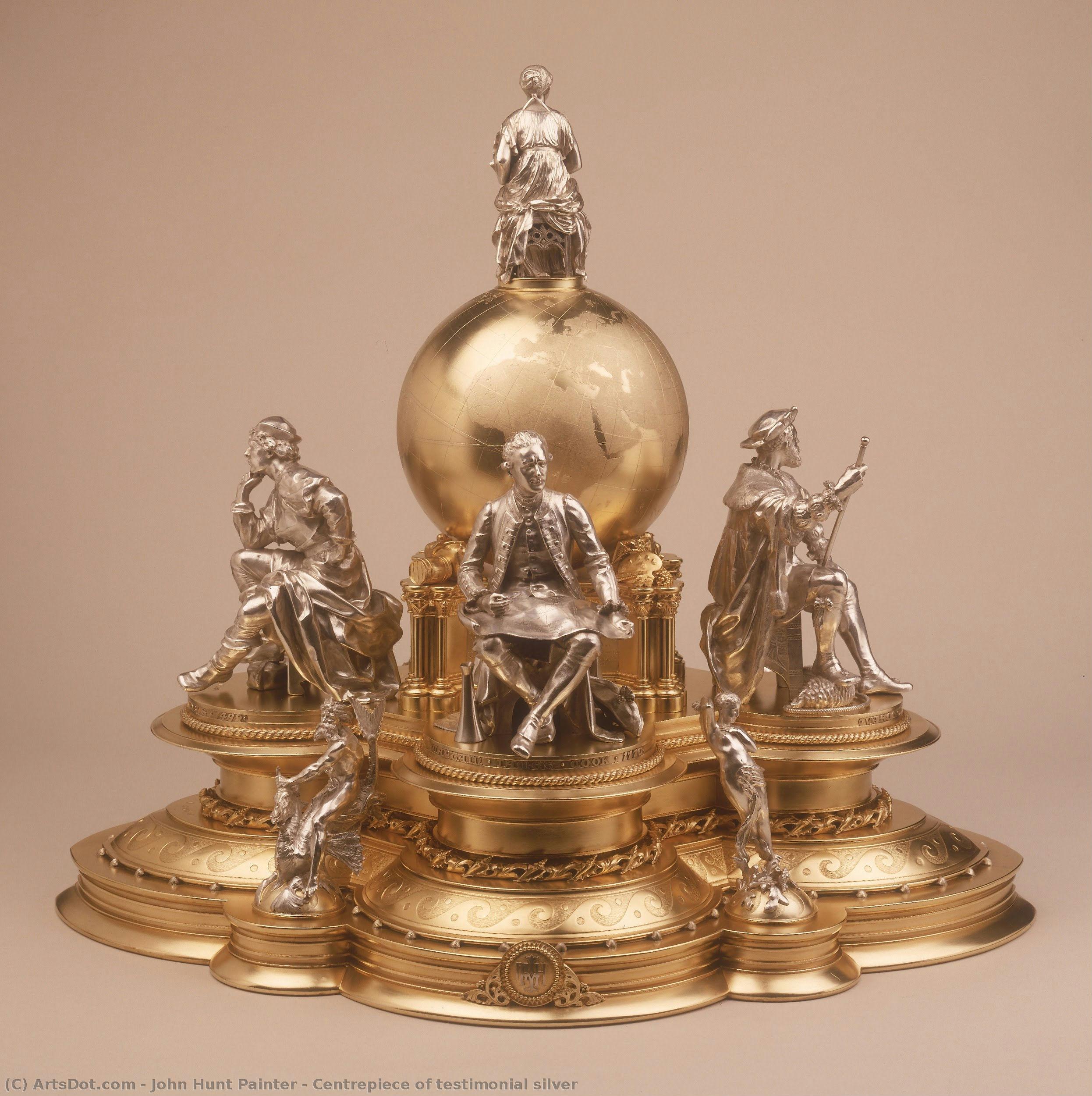
Centrepiece of testimonial silver


 詳細を見る
詳細を見る




P118B $10

P118H $10

P118W $10

P438Z $10

P508JH $12

P508YH $12

P805H $10

P805Z $10

P919BZ $10

P919G $10

P919XJ $10

P959ZH $10

P968JZ $12

W106C $8

W218G $10

W218JH $8

W218Y $10

W307PJ $10

W316G $10

W316PJ $8

W316Y $10

W398PJ $8

W4111J $10

W500HY $15

W500JH $15

W692G $12

W849H $8

W940BG $15

W953PJ $8




作品のオリジナル比率に合わせた、当店の規定サイズからお選びください。

特定のフレームやスペースに合わせて、ご希望のサイズをご入力いただけます。選択されたサイズが元の画像の比率と異なる場合、アートワークをトリミングするか、手描きで要素を追加して絵画を拡張いたします。デジタルモックアップ を制作し、制作開始前にご確認(承認)をいただきます。
画面上のプレビューは、実際のトリミングや拡張を正確に反映しているものではありません。最終的な構図は、モックアップによってのみ正確にご確認いただけます。
カスタムサイズもご利用いただけますが、元の比率を維持するためには、あらかじめ用意されたリストからサイズを選択することをお勧めいたします。
ご注文後、OriginalUniqueArt.com チームより詳細な指示をお送りするとともに、仕上がりイメージ(モックアップ)をご提供いたします。


 ガラスオプションは、110cm未満のサイズでのみご利用いただけます。

Centrepiece of testimonial silver
複製技法
複製画のサイズ
-


合計金額
$ 300
作品解説
A Testament to Commerce and Enlightenment: Examining G. A. Carter’s ‘Centrepiece of Testimonial Silver’
The year 1884 witnessed the unveiling of an extraordinary artistic achievement – G. A. Carter’s “Centrepiece of Testimonial Silver,” a monumental sculpture commissioned by White Star shareholders to commemorate the launch of their flagship liner, Adriatic, and presented as a gift to Thomas Ismay, the visionary founder of the company. More than just a decorative object, this piece embodies the spirit of Victorian Britain: ambition, innovation in maritime engineering, and a fervent belief in the transformative power of art to elevate human understanding. Located prominently within the Liverpool Walker Art Gallery, its enduring presence speaks volumes about both artistic excellence and the cultural significance of its time.Design Philosophy and Artistic Vision
Carter’s intention wasn't merely to depict a ship; he sought to encapsulate “Commerce on top of the World.” This ambitious concept drove his creative process, resulting in a sculpture that transcends literal representation. The artist meticulously studied classical mythology and symbolism – specifically referencing figures from Greek legend—to convey ideas of progress, aspiration, and divine patronage. He envisioned a grand panorama reflecting humanity’s journey through history, guided by intellectual curiosity and propelled forward by technological advancement. Carter's stylistic choices leaned heavily into Neo-Classical influences, prioritizing clarity of form and harmonious proportions to communicate profound concepts with elegance and precision.Craftsmanship and Technique: Hunt & Roskell’s Legacy
The sculpture’s execution was entrusted to Hunt & Roskell, London’s esteemed silversmiths—a firm renowned for its commitment to pushing the boundaries of artistic craftsmanship. They skillfully employed a technique known as parcel-gilding, applying thin layers of gold leaf onto a silver base to achieve an opulent sheen and enhance the sculpture's visual impact. This meticulous process demanded considerable skill and patience, reflecting the prevailing standards of Victorian artistry. Furthermore, Carter’s detailed modeling—likely utilizing wax sculpting techniques followed by casting—demonstrates his mastery of sculptural form and ensures that every element contributes to the overall narrative. The resulting surface texture is remarkably smooth, highlighting the brilliance of the gilding while preserving the integrity of the silver framework.Symbolism: Mythological Figures and Representational Narrative
The sculpture’s composition is replete with symbolic references. Four prominent statues—representing Hercules, Apollo, Zeus, and Poseidon—command attention at the base of the sphere, symbolizing strength, intellect, divine authority, and maritime dominion respectively. These figures are positioned strategically to guide the viewer's gaze upwards towards the central sphere, which depicts a stylized representation of Earth – emphasizing humanity’s place within the cosmos. The smaller figurines scattered throughout the scene further enrich the narrative, portraying individuals engaged in various activities—scholarly pursuits, artistic endeavors, and scientific exploration—underscoring the Victorian belief that knowledge and creativity were essential for societal advancement.Emotional Resonance: Capturing the Spirit of an Era
“Centrepiece of Testimonial Silver” transcends its material form to evoke a powerful emotional response. Its grandeur conveys a sense of optimism and confidence in Britain’s future as a global maritime power—a sentiment deeply rooted in the burgeoning industrial revolution. The sculpture's meticulous detail invites contemplation, prompting viewers to consider the enduring legacy of classical ideals and the importance of artistic expression in shaping cultural understanding. Ultimately, it serves as a poignant reminder of Victorian ambition, intellectual curiosity, and the belief that beauty could illuminate the path toward progress—qualities that continue to resonate with audiences today.アーティストの略歴
a life of contrasts: farmer, abolitionist, hotelier, and pallbearer
john hunt painter, also known simply as hunt painter, was an american enigma, embodying the complexities of his era. born in 1819 in springdale, iowa, and passing away in 1891 in pasadena, california, his life traversed multiple roles: farmer, abolitionist, hotelier, and pallbearer.early life and abolitionist activities
- **the abolitionist**: hunt painter is most notably recognized for supplying firearms to john brown, which were pivotal in the historic harpers ferry raid of 1859. this act, a testament to his commitment to ending slavery, showcases his involvement in the abolitionist movement. - **early settler and quaker**: as an early settler of pasadena, california, hunt painter erected the la pintoresca hotel in 1888, reflecting his entrepreneurial spirit. his quaker upbringing influenced his moral stance on issues like slavery.artistic legacy and museum collections
- **the art world**: though not a painter himself, hunt painter's support for john brown and his role in the abolitionist movement places him within the broader context of american art history, particularly in relation to themes of freedom and social justice. - **museum collections**: while there isn't a direct body of artwork attributed to hunt painter, his legacy is intertwined with the OriginalUniqueArt collection, which features numerous pieces reflecting the era's societal upheavals. for instance, john sartain's "william still", an engraving from the national portrait gallery in washington, d.c., echoes the period's focus on abolition and social justice.legacy and remembrance
- **pallbearer at pasadena**: hunt painter's role as a pallbearer at owen brown's funeral in pasadena, whom he knew from iowa, underscores his commitment to community and the bonds of friendship. - **the la pintoresca hotel**: this hotel, erected by hunt painter in 1888, stands as a tangible legacy of his entrepreneurial spirit and contribution to early pasadena.- for more on john hunt painter's era and its influence on art, explore wahoo art timeline.
- discover the evolution of western art through the centuries at OriginalUniqueArt's virtual museum.
- learn about other artists and their contributions to the world of art at artist biographies on OriginalUniqueArt.

john hunt painter
1819 - 1891 , United States of America
基本情報
- Artistic Movement Or Style: Realism
- Artists Or Movements Influenced By This Artist:
- Impressionism
- Cubism
- Artists Who Influenced This Artist:
- Velázquez
- Ribera
- Date Of Birth: June 10, 1819
- Date Of Death: December 31, 1877
- Full Name: Jean Désiré Gustave Courbet
- Nationality: French
- Notable Artworks:
- A Burial at Ornans
- The Stone Breakers
- Olympia
- Place Of Birth: Ornans, France
関連記事

White on Canvas: 10 Masterpieces & Timeless Elegance for Your Home Decor
Explore 10 iconic white paintings by Monet, Whistler & Rothko! Discover the stories behind these serene masterpieces and their impact on art history. Find museum-quality reproductions for your home decor at .

ジョン・シンガー・サージェント:至高の25選 - 美と光の肖像画の世界 | OriginalUniqueArt
ジョン・シンガー・サージェントの至高の25選。肖像画、写実主義、光と影の表現が美しい作品群を紐解きます。マダムXや少女の肖像など、時代を超えて愛される名作をOriginalUniqueArtで鑑賞。高品質なアート複製で、お部屋に美術館のような空間を。今すぐコレクションをご覧ください。

ジョン・コンスタブルの傑作25選:英国風景画の巨匠が描く自然と光の詩 | OriginalUniqueArt
ジョン・コンスタブルの傑作25選。英国風景画の巨匠が描く自然と光の詩の世界へ。ロマン主義を代表する絵画、デダム・ヴェールやヘイ・ウェインなど、OriginalUniqueArtで高品質なアートプリントをお楽しみください。インテリアに深みと感動を。コレクションはこちら。

The Subtleties of White: Exploring Absence, Light & Symbolism in Art History
Explore the profound symbolism & history of white in art! From ancient purity to modern abstraction, discover how artists have used absence & light. Expert insights from OriginalUniqueArt.
John Singer Sargent: Capturing the Gilded Age with Impressionistic Brilliance
Explore the life & art of John Singer Sargent, premier portraitist of the Gilded Age. Discover his Impressionistic masterpieces, technical brilliance, and enduring legacy. Expert insights for collectors.

