 プレビュー
プレビュー
 プリントを購入
 シェアする
シェアする シェアする
シェアする
 詳細を見る
詳細を見る

 ダウンロード
 似ている作品
 X線調査
X線調査 スライドショー
Icebound


 詳細を見る
詳細を見る




P118B $10

P118H $10

P118W $10

P438Z $10

P508JH $12

P508YH $12

P805H $10

P805Z $10

P919BZ $10

P919G $10

P919XJ $10

P959ZH $10

P968JZ $12

W106C $8

W218G $10

W218JH $8

W218Y $10

W307PJ $10

W316G $10

W316PJ $8

W316Y $10

W398PJ $8

W4111J $10

W500HY $15

W500JH $15

W692G $12

W849H $8

W940BG $15

W953PJ $8




作品のオリジナル比率に合わせた、当店の規定サイズからお選びください。

特定のフレームやスペースに合わせて、ご希望のサイズをご入力いただけます。選択されたサイズが元の画像の比率と異なる場合、アートワークをトリミングするか、手描きで要素を追加して絵画を拡張いたします。デジタルモックアップ を制作し、制作開始前にご確認(承認)をいただきます。
画面上のプレビューは、実際のトリミングや拡張を正確に反映しているものではありません。最終的な構図は、モックアップによってのみ正確にご確認いただけます。
カスタムサイズもご利用いただけますが、元の比率を維持するためには、あらかじめ用意されたリストからサイズを選択することをお勧めいたします。
ご注文後、OriginalUniqueArt.com チームより詳細な指示をお送りするとともに、仕上がりイメージ(モックアップ)をご提供いたします。


 ガラスオプションは、110cm未満のサイズでのみご利用いただけます。

Icebound
複製技法
複製画のサイズ
-


合計金額
$ 300
作品解説
A Serene Vision of Winter’s Embrace
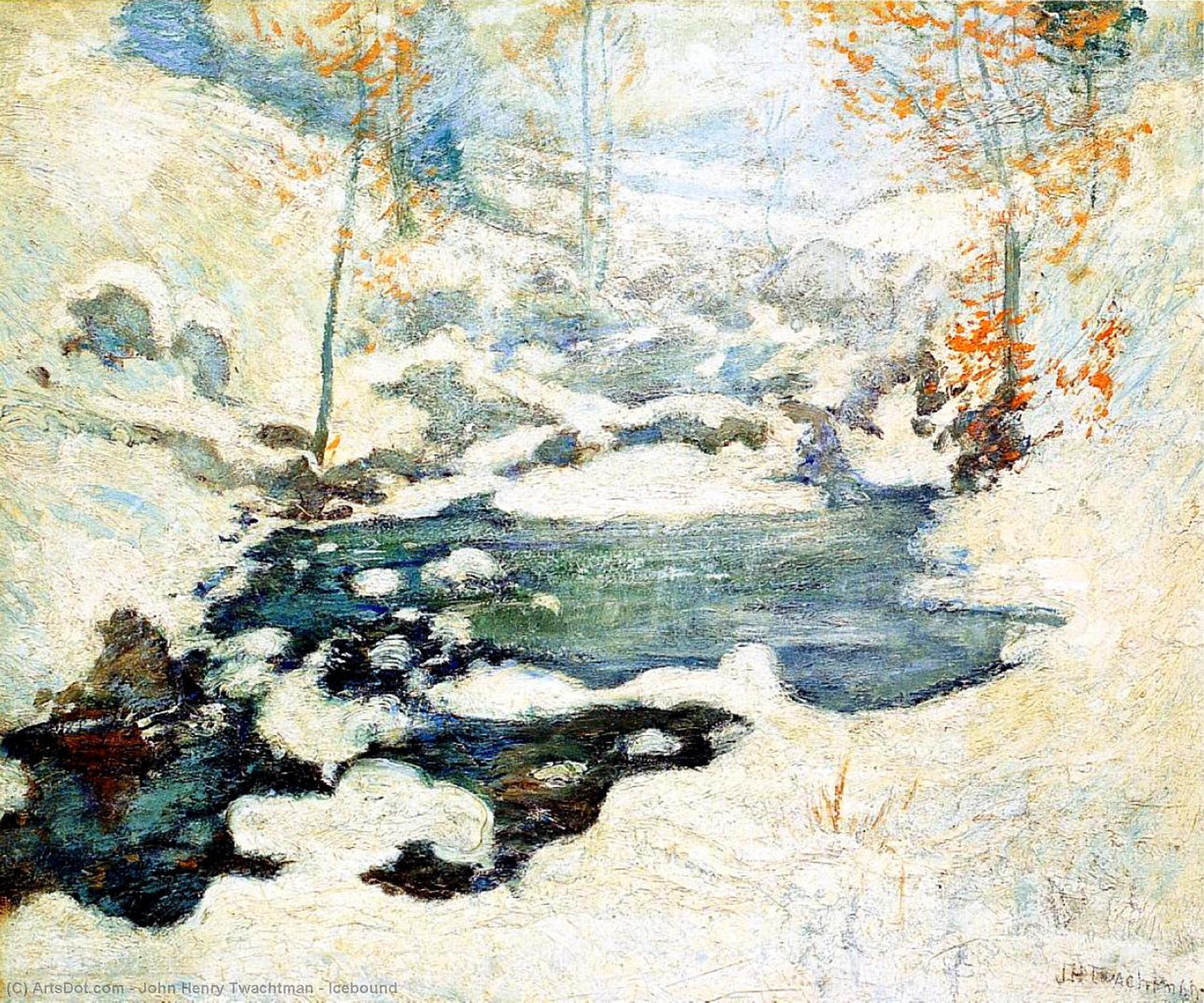
John Henry Twachtman's "Icebound," painted in 1890, isn’t merely a depiction of a winter landscape; it’s an invitation to step into a hushed and contemplative world. This oil on canvas, currently residing within the esteemed collection of the Art Institute of Chicago, captures a fleeting moment of tranquility – a snow-laden river reflecting a muted sky, framed by the stoic presence of ancient trees. The painting immediately evokes a sense of solitude and quietude, a feeling intensified by Twachtman’s masterful use of light and color to render the ephemeral qualities of winter's atmosphere. It’s a scene that speaks not just to the eye but also to the soul, offering a respite from the bustle of everyday life.
Impressionistic Techniques: Light, Color, and Broken Brushstrokes
Twachtman was a key figure in establishing American Impressionism, and “Icebound” is a testament to his unique approach. He moved beyond traditional academic realism, prioritizing the *impression* of a scene over precise detail. The painting’s power lies in its broken brushstrokes – short, deliberate marks that capture the shimmering effect of light on the snow and ice. Notice how he builds up layers of color, allowing them to blend optically before the viewer's eye, creating an illusion of depth and luminosity. The cool blues and whites dominate, punctuated by warmer browns and oranges from the trees, a subtle reminder of life beneath the frozen surface. This deliberate manipulation of color is central to Twachtman’s style; he wasn’t interested in replicating reality but rather conveying its emotional essence.
A Glimpse into 1890: Context and Influences
“Icebound” was painted during a period of significant artistic ferment, mirroring the broader shifts occurring within American art. Twachtman's work aligns with the Impressionist movement’s rejection of academic conventions and its focus on capturing fleeting moments and subjective experiences. Interestingly, it shares stylistic similarities with Claude Monet’s “Grainstacks, Snow Effect” from the same year – both artists were deeply influenced by European Impressionism, particularly the techniques pioneered by painters like Renoir and Pissarro. However, Twachtman developed a distinctly personal style, characterized by his atmospheric perspective and his ability to imbue landscapes with an almost melancholic beauty. The inclusion of two figures in the scene adds a subtle layer of human presence within this vast, natural setting, prompting reflection on our relationship with the environment.
Symbolism and Emotional Resonance
While “Icebound” avoids overt symbolism, it’s rich in emotional resonance. The frozen river, the bare trees, and the muted light all contribute to a sense of stillness and introspection. The painting speaks to themes of isolation, resilience, and the beauty found in simplicity. It's not simply a winter scene; it’s an exploration of mood and atmosphere—a visual meditation on the power of nature to evoke profound feelings. The composition itself, with its asymmetrical balance and flowing lines, draws the viewer into the heart of the landscape, inviting them to lose themselves in its quiet grandeur.
Bringing “Icebound” Home: Reproductions for Your Space
OriginalUniqueArt offers meticulously crafted, hand-painted reproductions of John Henry Twachtman’s "Icebound," allowing you to bring this timeless masterpiece into your own home or office. These reproductions capture the essence of the original painting – its delicate brushwork, luminous colors, and evocative atmosphere – with unparalleled accuracy and detail. Whether adorning a gallery wall or serving as a focal point in a living room, a “Icebound” reproduction is sure to captivate and inspire. Explore our collection at here to discover the perfect rendition for your space.
アーティストの略歴
アメリカ印象派の先駆者:ジョン・ヘンリー・トワクトマンの生涯と芸術
1853年8月4日にオハイオ州シンシナティで生まれたジョン・ヘンリー・トワクトマンは、アメリカ印象派の発展において重要な役割を果たした画家です。彼の芸術的進化と、19世紀後半から20世紀初頭のアメリカ美術界における変化を反映し、常に探求を続け、色彩と光を通して雰囲気と感情を捉えようとした情熱が、風景画の伝統に消えない足跡を残しました。トワクトマンの初期の芸術的基礎は、故郷でフランク・デュヴェネックのもとでの教育によって築かれました。この初期の経験は、直接観察への献身と、過度に理想化された表現を拒否する姿勢を彼の中に植え付けました。この早い段階での訓練が、後のより進歩的な技法を受け入れるための基盤となりました。ヨーロッパの影響とトナリズムの受容
自身の技術を磨き、芸術的視野を広げるという野心から、トワクトマンは変革をもたらすヨーロッパへの留学に出発しました。1875年から1877年の間、彼はミュンヘンの美術アカデミーに通い、当時の主流だった緩やかな筆致と影の多い技法を学びました。その後、ウィリアム・メリット・チェイスと共にヴェネツィアを訪れたことは、光のニュアンスや雰囲気を捉えることへの情熱をさらに燃え上がらせるきっかけとなりました。これらのヨーロッパでの経験は、彼の芸術的ビジョンを形成する上で非常に重要でしたが、トワクトマンは決して海外で出会ったものを単純に模倣することはありませんでした。むしろ、彼はこれらの影響を独自の何かへと昇華させました。1883年から1885年の間、彼はパリのジュリアン・アカデミーに在籍し、彼のスタイルがより柔らかく、大気的なアプローチへと凝縮していく転換期となりました。このパリでの滞在中、彼はトナリズムを完全に受け入れました。トナリズムは、抑制された色彩、微妙な色のグラデーション、そしてムードと雰囲気の創造に重点を置いた特徴を持ちます。メトロポリタン美術館所蔵の『アルク=ラ=バタイユ』のような作品はこの時期を代表しており、彼の調和のとれた色使いと喚起的な風景画の才能を示しています。コス・コブ植民地と個人的な印象派様式
アメリカに帰国したトワクトマンはコネチカット州に定住し、グリニッジにある農場を購入しました。この農場は彼の家となり、芸術的な聖域となりました。彼が台頭してきたコス・コブのアートコロニーでの存在は非常に重要であり、自由なアイデアの交換と実験を奨励する活気のある創造的コミュニティを育みました。彼は単なる居住アーティストではありませんでした。彼は革新的な技術と絵画に対する哲学的なアプローチで友人や生徒たちにインスピレーションを与え、触媒のような役割を果たしました。この時期、トワクトマンは厳格なトナリズムを超えて、非常に個人的な印象派様式へと移行しました。彼は大気と光を重視し続けながらも、彼の後期の作品はより大胆な色彩使いとダイナミックな筆致を示しています。彼は頻繁に農場や庭の雪景色を描き、親しみのある風景を自然の美しさについての詩的な瞑想へと変えました。マサチューセッツ州グロスターでの鮮やかな一連のシーンは、アメリカ美術におけるよりモダニスト的な感性を予見し、後に続く抽象的な探求を暗示していました。遺産と永続的な影響
ジョン・ヘンリー・トワクトマンの1902年の早すぎる死(49歳)は有望なキャリアを中断させましたが、彼の影響力は後世のアメリカ人アーティストたちに受け継がれました。彼は詩的な感性、技術的な習熟度、そして風景画に対する革新的なアプローチで称賛される作品群を残しました。彼の絵画は単なる場所の表現ではありません。それらはムード、雰囲気、そして人間と自然との感情的なつながりの喚起なのです。トワクトマンの貢献は彼の個々のキャンバスを超えて広がっています。彼はアメリカ印象派を独特の芸術運動として確立する上で重要な役割を果たしました。彼は伝統的な美術機関の制約から脱却し、独自の道を切り開こうとしたアーティストグループ「The Ten」の創設メンバーでした。Landscape 3は彼のトナリズムのアプローチを例証しており、穏やかな自然を描写しています。一方、『Reflections』のような作品は、光と影の一瞬の瞬間を捉える彼の能力を示しています。彼の遺産は『Trees among the Brook』のようなパステル画によってさらに確固たるものとなり、この絵は自然界の美しさと静けさを表現しています。トワクトマンの革新的な精神は今日でもアーティストたちにインスピレーションを与え続けており、アメリカ印象派の真の先駆者であり、トーンランドスケープペインティングの巨匠としての地位を確固たるものとしています。代表作
- Landscape 3 (c. 1894-1902): トワクトマンのトナリズム時代を典型的に示す作品で、大気遠近法と微妙な色の調和の習熟度を示しています。
- Arques-la-Bataille (1885): パリ滞在中に描かれたこの作品は、フランス印象派が彼のスタイルに与えた影響を例証しています。
- Reflections (c. 1902): ドックの穏やかなシーンを描いた作品で、水面での光と影の戯れをとらえています。
- Brook among the Trees (1891): トワクトマンが静けさと自然の美しさを表現する能力を示す魅力的なパステル画です。
- The Holland Dyke (c. 1886-1890): 大気効果と微妙な色の変化を捉える彼のスキルを示しています。

ジョン・ヘンリー・トゥワクトマン
1853 - 1902 , アメリカ合衆国
基本情報
- Artistic Movement Or Style: 印象派、トーン主義
- Artists Or Movements Influenced By This Artist: ['アメリカ印象派']
- Artists Who Influenced This Artist:
- フランク・デュヴェネック
- ウィリアム・メリット・チェイス
- Date Of Birth: 1853年8月4日
- Date Of Death: 1902年8月8日
- Full Name: ジョン・ヘンリー・トゥワクトマン
- Nationality: アメリカ人
- Notable Artworks (List Of Titles):
- Landscape 3
- Arques-la-Bataille
- Springtime
- Place Of Birth (City And Country): シンシナティ、アメリカ合衆国
関連記事

ジョン・コンスタブルの傑作25選:英国風景画の巨匠が描く自然と光の詩 | OriginalUniqueArt
ジョン・コンスタブルの傑作25選。英国風景画の巨匠が描く自然と光の詩の世界へ。ロマン主義を代表する絵画、デダム・ヴェールやヘイ・ウェインなど、OriginalUniqueArtで高品質なアートプリントをお楽しみください。インテリアに深みと感動を。コレクションはこちら。
アンリ・マティスの傑作25選:色彩と情熱の軌跡|OriginalUniqueArt
アンリ・マティスの傑作25選🎨 色彩と情熱が織りなす世界を旅する。フォーヴィスム代表の巨匠、マティスの絵画の魅力と歴史を紐解きます。OriginalUniqueArtで高品質なアートプリントや複製画を見つけ、インテリアに芸術的な輝きを✨ Explore the full collection online

ジョン・シンガー・サージェント:至高の25選 - 美と光の肖像画の世界 | OriginalUniqueArt
ジョン・シンガー・サージェントの至高の25選。肖像画、写実主義、光と影の表現が美しい作品群を紐解きます。マダムXや少女の肖像など、時代を超えて愛される名作をOriginalUniqueArtで鑑賞。高品質なアート複製で、お部屋に美術館のような空間を。今すぐコレクションをご覧ください。

John Henry Twachtman: Atmospheric Impressionism & the American Landscape
Explore the captivating landscapes of John Henry Twachtman, a pivotal American Impressionist & Tonalist painter. Discover his artistic evolution, key works, and lasting influence on early 20th-century art.
Beyond the Horizon: 10 Landscape Masterpieces for Your Home Decor
Journey through 10 breathtaking landscape paintings by Monet, Van Gogh & more! Explore iconic artworks, artistic techniques & find inspiration for your home decor. Museum-quality reproductions at OriginalUniqueArt.com. Discover all masterpieces on OriginalUniqueArt.com