
 プレビュー
プレビュー
 シェアする
シェアする シェアする
シェアする
 詳細を見る
詳細を見る

 ダウンロード
 似ている作品
 X線調査
X線調査 スライドショー
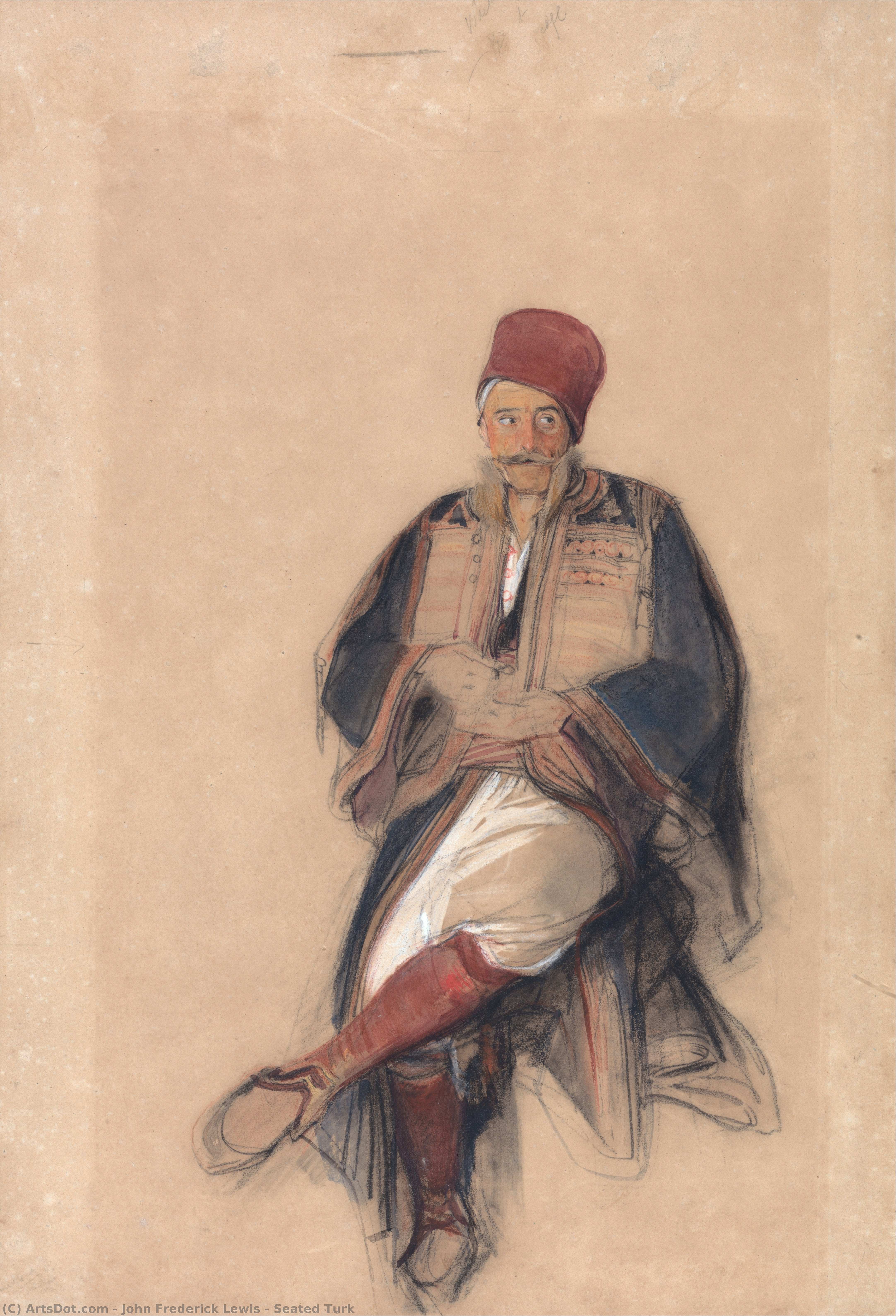
Seated Turk


 詳細を見る
詳細を見る
ジークレー/アートプリント
迅速な制作と多彩な仕上げオプションを備えた、ミュージアムクオリティのジークレーまたはキャンバスプリント。 ( 手描き画への切り替え 画像に切り替え)




P118B $10

P118H $10

P118W $10

P438Z $10

P508JH $12

P508YH $12

P805H $10

P805Z $10

P919BZ $10

P919G $10

P919XJ $10

P959ZH $10

P968JZ $12

W106C $8

W218G $10

W218JH $8

W218Y $10

W307PJ $10

W316G $10

W316PJ $8

W316Y $10

W398PJ $8

W4111J $10

W500HY $15

W500JH $15

W692G $12

W849H $8

W940BG $15

W953PJ $8




作品のオリジナル比率に合わせた、当店の規定サイズからお選びください。

特定のフレームやスペースに合わせて、ご自身でサイズを指定することも可能です。選択されたサイズが元の画像の比率と一致しない場合、作品をトリミングするか、鏡面反射または単色での塗りつぶしによって画像を拡張いたします。制作を開始する前に、ご確認用のデジタルモックアップをお送りいたします。
画面上のプレビューには、実際のトリミングや拡張は反映されませんのでご注意ください。最終的な構図を正確に確認できるのは、モックアップのみとなります。
カスタムサイズも承っておりますが、元の比率を維持するためには、あらかじめ用意されたリストからサイズを選択することをお勧めいたします。


 ガラスオプションは、110cm未満のサイズでのみご利用いただけます。

Seated Turk
ジークレー/アートプリント
複製画のサイズ
-


合計金額
$ 81
作品詳細説明
A Portrait of Dignified Mystery: John Frederick Lewis’s “Seated Turk”
John Frederick Lewis's "Seated Turk," painted in 1841, is more than just a portrait; it’s a meticulously crafted tableau vivant—a frozen moment imbued with an air of quiet dignity and subtle melancholy. This watercolor study, now housed at the Yale Center for British Art, offers a captivating glimpse into the burgeoning field of Orientalism within 19th-century European art, revealing both the artist's technical mastery and his engagement with exotic cultures.
The subject himself is an enigmatic figure, a man seated in what appears to be a richly appointed interior. His attire—a vibrant red headpiece, a flowing robe adorned with intricate patterns, and a delicately embroidered vest—immediately transports the viewer to the world of the Ottoman Empire. However, Lewis doesn’t simply depict a literal representation; instead, he captures an essence, a character. The man's gaze is direct yet contemplative, hinting at a life lived beyond the confines of the canvas. The composition itself is carefully balanced, with the figure occupying a significant portion of the frame while leaving ample space around him—a deliberate choice that emphasizes his importance and isolates him within a world of quiet contemplation.
Technique and Style: A Romantic Orientalist Vision
Lewis’s technique is characterized by a remarkable blend of observation and artistic license. He was famously stationed in Cairo for several years, immersing himself in the sights and sounds of Egyptian life. This firsthand experience informed his meticulous attention to detail—the textures of fabrics, the patterns on carpets, the play of light and shadow within the room. Yet, he wasn’t simply aiming for photographic realism; rather, he employed a distinctly Romantic style, prioritizing emotional impact over strict accuracy.
The watercolor medium itself is crucial to the painting's effect. Lewis masterfully utilizes layering washes—thin, translucent applications of pigment that build up gradually to create depth and luminosity. Dry brush techniques are then applied to define form and add textural interest, particularly in the folds of the clothing and the man’s hair. The muted color palette—dominated by earthy tones and rich reds—contributes to the painting's overall atmosphere of quiet contemplation. The flattened perspective, a common feature of Orientalist paintings at the time, further enhances this sense of timelessness and distance, suggesting that the scene exists outside of conventional Western notions of space and reality.
Historical Context: The Rise of Orientalism
“Seated Turk” is a product of its time—a period marked by increasing European interest in the Ottoman Empire and the broader Middle East. The 1830s and 40s witnessed a surge in travel to these regions, fueled by scientific expeditions, diplomatic missions, and, increasingly, artistic exploration. This “Orientalist” movement sought to depict the cultures of the East with a mixture of fascination and exoticism, often romanticizing them while simultaneously perpetuating stereotypes.
Lewis’s work reflects this complex dynamic. While he undoubtedly admired the beauty and sophistication of Ottoman culture, his painting also reveals a certain degree of detachment—a sense that he is observing from a position of privileged distance. Notably, Lewis deliberately avoided depicting overtly sensual or provocative scenes, choosing instead to focus on portraying dignified figures engaged in everyday activities. This approach distinguished him from some of his contemporaries who were more interested in exploiting the perceived exoticism and sensuality associated with Eastern cultures.
Symbolism and Emotional Resonance
Beyond its technical merits, “Seated Turk” possesses a subtle but powerful emotional resonance. The man’s expression—a mixture of serenity and perhaps a hint of melancholy—suggests a life lived in contemplation, far removed from the bustle of Western society. The painting invites us to consider themes of identity, cultural difference, and the complexities of human experience.
The inclusion of details such as the long pipe—a symbol of leisure and philosophical reflection—further reinforces this sense of quiet introspection. “Seated Turk” is not merely a portrait; it’s an invitation to pause, reflect, and contemplate the mysteries of another culture and the enduring questions of human existence. It remains a testament to John Frederick Lewis's skill as an artist and his profound engagement with the world beyond Europe.
アーティストの略歴
ジョン・フレデリック・ルイス:オリエンタリズム絵画の生涯
ジョン・フレデリック・ルイスは、1804年7月14日にロンドンで生まれました。彼の父、フレデリック・クリスチャン・ルイスは、版画家であり風景画家でした。この芸術的な家庭環境は、彼のかつてない才能の開花に大きな影響を与えたことは間違いありません。正式な訓練は、サー・トーマス・ローレンスの下で始まり、エドウィン・ランドシーアのような同僚たちと共に技術と構成力を磨きました。この基礎的な時期は、彼に確固たる技術的理解と構図力を植え付けました。
芸術的キャリアと発展
ルイスの芸術的キャリアは、進化するスタイルとテーマに焦点を当てたいくつかの明確な段階を経て展開されました:
- オリエンタリズム時代: ルイスは地中海地域への広範な旅行に着手し、詳細な水彩画や油絵でその本質を丹念に捉えました。彼は頻繁に構成を再訪し、複数のメディアを通して表現しました。
- スペインとモロッコの影響 (1832-1834): スペインとモロッコのツアーは重要な転換点となりました。彼は後に「アルハンブラのスケッチと図面」(1835年)および「ルイスのスペインのスケッチとスペイン人の性格」(1836年)として出版された多くのリトグラフを制作しました。
- エジプト時代 (1841-1851): カイロでの滞在は、彼にとって最も生産的な時期であったと言えるでしょう。ここで彼はオリエンタリズム様式を完成させ、現実的なジャンルシーンと上流階級のエジプトのインテリアの理想化された描写の両方を示す非常に詳細な作品を生み出しました。
代表作
ルイスは、その細部へのこだわりと喚起的な雰囲気で称賛される膨大な数の作品を制作しました。彼の最も有名な作品には以下が含まれます:
- ベドウィン (イェール大学英国美術センター、ニューヘイブン) – 彼のオリエンタリズム様式を示す水彩画です。
- テーベのラメセウム (イェール大学英国美術センター、ニューヘイブン) – 彼の卓越した建築的細部への注意を示しています。
- 若いトルコ人女性 (イェール大学英国美術センター、ニューヘイブン) – 彼のオリエンタリズム作品のもう一つの素晴らしい例です。
- コンスタンティノープルのハーレム生活 - オスマン帝国の家庭生活を描いた詳細な油絵。
影響と芸術的スタイル
ルイスのスタイルは、いくつかの影響を受けて形作られました。最も注目すべきは、サー・トーマス・ローレンスによる肖像画と構成への重点です。しかし、中東文化を直接観察することで、彼は以下によって特徴付けられる独自の美学を発展させることができました:
- 細部へのこだわり: テクスチャ、パターン、建築要素を正確に表現することへのコミットメント。
- 豊かな色彩パレット: 彼が出会った風景や衣装からインスピレーションを得た鮮やかな色調を採用しました。
- ジャンルシーンとインテリアビュー: 日常生活や親密な家庭環境に焦点を当てました。
遺産と歴史的意義
ルイスの芸術界への貢献は、オリエンタリズム絵画の開発における彼の重要な役割にあります。イスラム建築、家具、衣装の丹念な描写は、ジャンル内でのリアリズムの新たな基準を設定しました。彼は西洋の聴衆の間で中東のロマンチックでありながら詳細なビジョンを広めるのに役立ちました。1851年にイングランドに戻った後、彼は8月15日にウォルトン・オン・テムズで亡くなるまで絵を描き続けました。
彼の作品は、芸術的価値と19世紀のオリエントに対する歴史的な洞察力のために研究され、賞賛され続けています。

ジョン・フレデリック・ルイス
1804 - 1876 , イギリス
基本情報
- Artistic Movement Or Style: オリエンタリズム
- Artists Who Influenced This Artist: ['サー・トーマス・ローレンス']
- Date Of Birth: 1804年7月14日
- Date Of Death: 1876年8月15日
- Full Name: ジョン・フレデリック・ルイス
- Nationality: イギリス人
- Notable Artworks (List Of Titles):
- ベドウィン
- ラメセウムの神殿
- 若いトルコ人女性
- Place Of Birth (City And Country): ロンドン、イギリス
関連記事
Carl Haag: Orientalist Visions & Victorian Spirituality in Watercolor
Explore the captivating Orientalist paintings of Carl Haag (1820-1915). Discover his detailed watercolors, Victorian landscapes & spiritual themes. Expert insights for collectors and art enthusiasts at OriginalUniqueArt.
The Allure of Detail: Precision & Narrative Resonance in Art History
Explore the captivating history of detail in art – from Renaissance masterpieces to modern movements like Precisionism. Discover how specificity shapes narrative, value & collector appeal. Expert insights at OriginalUniqueArt.

写真の記憶を水彩の静謐に昇華する:AIによるソフトスタイル変換がもたらす新たな美的体験
OriginalUniqueArt.comで、写真の記憶を水彩画という美しい芸術作品に昇華。AI技術と熟練アーティストが融合し、あなただけのパーソナル・レガシーを創造します。高品質な手彩油絵複製やカスタムポートレートも。安心の品質保証と迅速配送。

Evolving Portraits: Personalized Art as a Chronicle of Family Life Across Generations
Create a timeless family legacy with custom portraits! OriginalUniqueArt connects you with skilled artists for heirloom-quality paintings & prints. Explore styles, commission your unique artwork today.

Watercolor Wonders: 10 Masterpieces That Redefined Art History | OriginalUniqueArt
Journey through 10 legendary watercolor masterpieces by Sargent, Turner & Homer! Explore iconic landscapes, portraits & floral art that redefined history. Find museum-quality reproductions and curated decor ideas at OriginalUniqueArt.com.

