
 設置イメージを表示
 シェアする
シェアする シェアする
シェアする
 詳細を見る
詳細を見る ガイドを表示

 ダウンロード
 似ている作品
 X線調査
X線調査 スライドショーを表示
 Q&A
Q&A 統計情報
統計情報Arab School


 詳細を表示
詳細を表示
ジークレー/アートプリント
スピーディーな制作と多彩な仕上げオプションが魅力の、ミュージアムクオリティなジークレー・キャンバスプリント。 ( 手描き複製画を注文する デジタル画像販売へ切り替え)




P118B ¥10

P118H ¥10

P118W ¥10

P438Z ¥10

P508JH ¥12

P508YH ¥12

P805H ¥10

P805Z ¥10

P919BZ ¥10

P919G ¥10

P919XJ ¥10

P959ZH ¥10

P968JZ ¥12

W106C ¥8

W218G ¥10

W218JH ¥8

W218Y ¥10

W307PJ ¥10

W316G ¥10

W316PJ ¥8

W316Y ¥10

W398PJ ¥8

W4111J ¥10

W500HY ¥15

W500JH ¥15

W692G ¥12

W849H ¥8

W940BG ¥15

W953PJ ¥8




作品のオリジナル比率に合わせた、当店の規定サイズからお選びください。

額縁や壁のスペースに合わせて、ご希望の幅と高さを入力してください。プリントはカットすることは可能ですが、元の画像より大きくすることはできないため、異なる比率のサイズを選択された場合は、画像の一部が欠けることになります。印刷を開始する前に、内容を確認していただくためのデジタルモックアップをお送りいたします。このページに表示されている画像は、実際のカット後の状態を示すものではありません。実際の仕上がりはモックアップにてご確認ください。


 ガラスオプションは、110cm未満のサイズでのみご利用いただけます。

Arab School
ジークレー/アートプリント
複製画サイズ一覧
-


合計金額
¥ 12798
A Window Into a World of Grace: John Frederick Lewis’s “Arab School”
John Frederick Lewis's "Arab School," painted circa 1841-51, isn’t merely a depiction of a classroom; it’s a meticulously crafted portal into the heart of 19th-century Ottoman society. This watercolor and gouache masterpiece, now housed within the Metropolitan Museum of Art in New York City, offers a rare glimpse beyond the often sensationalized portrayals of the Middle East prevalent at the time, revealing instead a scene of quiet learning, dignified respect, and subtle social dynamics. Lewis, an English Orientalist painter who spent over a decade immersed in Cairo’s vibrant culture, possessed a remarkable ability to capture not just the outward appearance but also the underlying atmosphere of his subjects – a skill evident in every brushstroke of “Arab School.”
The painting immediately draws the eye toward the central figure: a man distinguished by his flowing white beard and traditional attire. He’s not a flamboyant scholar, nor is he presented as an exotic spectacle; rather, he embodies authority and wisdom – a respected teacher guiding a young student. His posture, upright and attentive, suggests a dedication to his role, while the boy's focused gaze speaks volumes about the value placed on education within this community. To his right, another individual, seated on the floor, demonstrates a profound respect for the teacher’s words, mirroring the reverence of the central figure. The composition isn’t static; it pulses with an unspoken conversation, a shared moment of intellectual engagement.
Orientalism and the Pursuit of Authenticity
Lewis's work firmly resides within the realm of Orientalist painting – a genre that flourished during the 19th century, fueled by European fascination with the East. However, unlike many of his contemporaries who often relied on stereotypes and romanticized depictions, Lewis sought to portray Middle Eastern life with a remarkable degree of accuracy and sensitivity. His extended sojourn in Cairo allowed him to observe local customs firsthand, master Arabic script, and adopt traditional dress – elements that profoundly influenced his artistic approach. He meticulously documented the architecture, furnishings, and clothing of the region, striving for an authentic representation that moved beyond superficial exoticism.
The inclusion of Arabic calligraphy on the walls of the schoolhouse is a crucial detail, underscoring the importance of literacy and religious learning within this setting. These intricate inscriptions aren’t merely decorative; they serve as a constant reminder of the cultural heritage being imparted to the students. The simple yet elegant design of the room – the worn wooden benches, the muted color palette, the single window framed by dark bars – speaks volumes about the practical realities of life in an Ottoman schoolhouse. It's a scene stripped of grandiosity, focusing instead on the quiet dignity of everyday learning.
Symbolism and Emotional Resonance
Beyond its realistic depiction of daily life, “Arab School” is rich with symbolic meaning. The window, framed by dark bars, subtly hints at the constraints imposed upon Ottoman society – a reminder of the political realities that shaped the lives of its inhabitants. Yet, within this seemingly restrictive environment, there’s an undeniable sense of hope and potential embodied in the faces of the students and teacher. The painting evokes a feeling of serenity and intellectual curiosity, suggesting a space where knowledge is valued and nurtured.
Lewis's masterful use of watercolor – its delicate washes, subtle gradations of color, and luminous effects – perfectly captures the atmosphere of the scene. The light filtering through the window creates a soft, diffused glow, illuminating the faces of the individuals within the room. This careful attention to detail, combined with Lewis’s profound understanding of his subject matter, results in a work that is both visually stunning and emotionally resonant. “Arab School” isn't just a painting; it’s a testament to the power of observation, empathy, and artistic skill – a timeless reminder of the enduring value of education and human connection.
Collecting a Legacy: Reproductions and Beyond
Reproductions of "Arab School" are available through various reputable art dealers and online platforms. When selecting a reproduction, consider the medium (canvas or print) and framing options to ensure it complements your interior design aesthetic. The original’s delicate watercolor technique is best replicated with high-quality archival materials that preserve color accuracy and prevent fading over time. Investing in a faithful reproduction allows you to bring this remarkable work of art into your home, celebrating Lewis's legacy and the rich cultural heritage he so beautifully captured.
Q&A
ジョン・フレデリック・ルイス作「Arab School」 のプリントを購入するにはどうすればよいですか?
ジョン・フレデリック・ルイス作「Arab School」のプリントは、こちらのファインアートプリントページから直接ご注文いただけます:コットンキャンバス、またはアーカイブ品質のキャンバスペーパーに施されたファインアートプリント
ジョン・フレデリック・ルイス作「Arab School」にはどのような技法が用いられていますか?
ジョン・フレデリック・ルイスは、「Arab School」においてAcrylic On Canvasの技法を用いています。この技法が、原画の素材としての性質を決定づけています。
ジョン・フレデリック・ルイス作「Arab School」のデジタル画像はどこで購入できますか?
「Arab School」は、高解像度デジタル画像にて直接ご購入いただける高解像度デジタル画像のダウンロードとしてご利用いただけます。
作家プロフィール
ジョン・フレデリック・ルイス:オリエンタリズム絵画の生涯
ジョン・フレデリック・ルイスは、1804年7月14日にロンドンで生まれました。彼の父、フレデリック・クリスチャン・ルイスは、版画家であり風景画家でした。この芸術的な家庭環境は、彼のかつてない才能の開花に大きな影響を与えたことは間違いありません。正式な訓練は、サー・トーマス・ローレンスの下で始まり、エドウィン・ランドシーアのような同僚たちと共に技術と構成力を磨きました。この基礎的な時期は、彼に確固たる技術的理解と構図力を植え付けました。
芸術的キャリアと発展
ルイスの芸術的キャリアは、進化するスタイルとテーマに焦点を当てたいくつかの明確な段階を経て展開されました:
- オリエンタリズム時代: ルイスは地中海地域への広範な旅行に着手し、詳細な水彩画や油絵でその本質を丹念に捉えました。彼は頻繁に構成を再訪し、複数のメディアを通して表現しました。
- スペインとモロッコの影響 (1832-1834): スペインとモロッコのツアーは重要な転換点となりました。彼は後に「アルハンブラのスケッチと図面」(1835年)および「ルイスのスペインのスケッチとスペイン人の性格」(1836年)として出版された多くのリトグラフを制作しました。
- エジプト時代 (1841-1851): カイロでの滞在は、彼にとって最も生産的な時期であったと言えるでしょう。ここで彼はオリエンタリズム様式を完成させ、現実的なジャンルシーンと上流階級のエジプトのインテリアの理想化された描写の両方を示す非常に詳細な作品を生み出しました。
代表作
ルイスは、その細部へのこだわりと喚起的な雰囲気で称賛される膨大な数の作品を制作しました。彼の最も有名な作品には以下が含まれます:
- ベドウィン (イェール大学英国美術センター、ニューヘイブン) – 彼のオリエンタリズム様式を示す水彩画です。
- テーベのラメセウム (イェール大学英国美術センター、ニューヘイブン) – 彼の卓越した建築的細部への注意を示しています。
- 若いトルコ人女性 (イェール大学英国美術センター、ニューヘイブン) – 彼のオリエンタリズム作品のもう一つの素晴らしい例です。
- コンスタンティノープルのハーレム生活 - オスマン帝国の家庭生活を描いた詳細な油絵。
影響と芸術的スタイル
ルイスのスタイルは、いくつかの影響を受けて形作られました。最も注目すべきは、サー・トーマス・ローレンスによる肖像画と構成への重点です。しかし、中東文化を直接観察することで、彼は以下によって特徴付けられる独自の美学を発展させることができました:
- 細部へのこだわり: テクスチャ、パターン、建築要素を正確に表現することへのコミットメント。
- 豊かな色彩パレット: 彼が出会った風景や衣装からインスピレーションを得た鮮やかな色調を採用しました。
- ジャンルシーンとインテリアビュー: 日常生活や親密な家庭環境に焦点を当てました。
遺産と歴史的意義
ルイスの芸術界への貢献は、オリエンタリズム絵画の開発における彼の重要な役割にあります。イスラム建築、家具、衣装の丹念な描写は、ジャンル内でのリアリズムの新たな基準を設定しました。彼は西洋の聴衆の間で中東のロマンチックでありながら詳細なビジョンを広めるのに役立ちました。1851年にイングランドに戻った後、彼は8月15日にウォルトン・オン・テムズで亡くなるまで絵を描き続けました。
彼の作品は、芸術的価値と19世紀のオリエントに対する歴史的な洞察力のために研究され、賞賛され続けています。

ジョン・フレデリック・ルイス
1805 - 1876 , イギリス
プロフィール概要
- Artistic Movement Or Style: オリエンタリズム
- Artists Who Influenced This Artist: ['サー・トーマス・ローレンス']
- Date Of Birth: 1804年7月14日
- Date Of Death: 1876年8月15日
- Full Name: ジョン・フレデリック・ルイス
- Nationality: イギリス人
- Notable Artworks (List Of Titles):
- ベドウィン
- ラメセウムの神殿
- 若いトルコ人女性
- Place Of Birth (City And Country): ロンドン、イギリス
関連記事
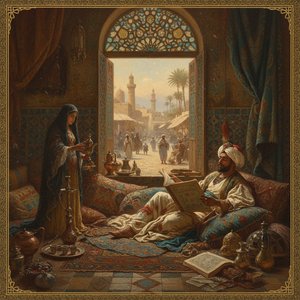
John Frederick Lewis: Orientalism, Detail & Genre Painting in 19th-Century British Art
Explore the captivating Orientalist paintings of John Frederick Lewis! Discover his mastery of detail, genre scenes & influence on 19th-century British art. Learn about his life, techniques & legacy at OriginalUniqueArt.
Academic Realism's Finest: 10 Masterpieces for Art Lovers & Home Decor
Explore 10 defining Academic Realism masterpieces by Bouguereau, Gérôme & Cabanel. Discover the stories behind these iconic paintings and bring timeless art into your home with museum-quality reproductions from OriginalUniqueArt.com. Explore the full collection online!

19th Century Masterpieces: 10 Paintings That Defined an Era | OriginalUniqueArt
Journey through 19th century art with OriginalUniqueArt! Explore 10 iconic paintings – from Monet & Renoir to Courbet – and discover the stories behind Romanticism, Realism & Impressionism. Find museum-quality reproductions for your home decor. Explore the full collection online!

Beyond Replication: Sustaining Art Heritage Through Inspired Reproductions in Contemporary Interiors
Discover museum-quality art reproductions & bespoke paintings crafted by skilled artists. Elevate your home with timeless masterpieces – ethically sourced, expertly curated, and guaranteed to inspire. Explore our collection today!

10 Iconic Orientalist Masterpieces That Defined an Era of Exoticism
Explore 19th-century Orientalism through Gérôme and more. Discover museum-quality masterpieces on OriginalUniqueArt.com.