 油彩画を購入
 Stonehengeのすべて

































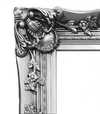

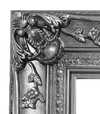


 いずれかの辺が105 cm(約41インチ)を超えるアートワークまたは複製画の場合、フレームは分解されたキットの状態でお届けいたします。この方法は、輸送中の破損を防ぎ、安全に配送するために採用しております。


The Depiction of Stonehenge by John Constable
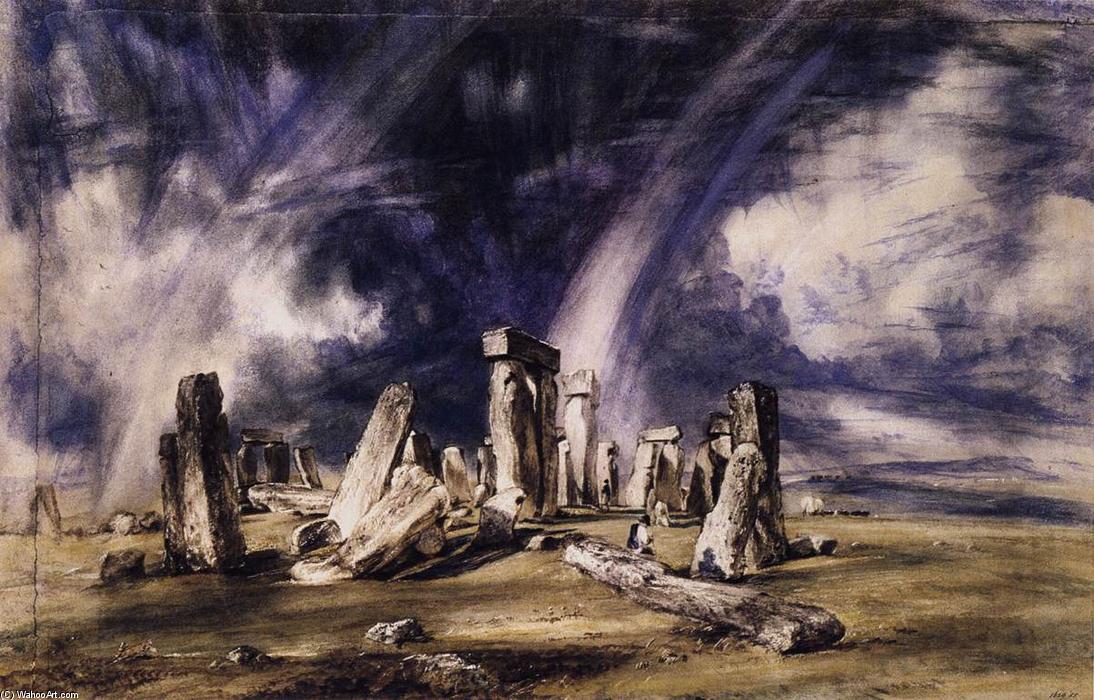
In this watercolor, John Constable captures the heavy presence of Stonehenge. Large rocks dominate the foreground, their forms fractured by time. Some stones remain upright, reaching toward the sky, while others have fallen, lying on their sides amidst the earth. A cloudy sky hangs above the monument, casting a diffused light over the weathered surfaces of the megaliths.
Human presence is small against the weight of the stones. Two figures inhabit the landscape. One person stands near the center of the scene, a quiet point of scale against the ancient rock. Another figure is positioned further to the right, moving through the periphery of the composition. The figures appear dwarfed by the immensity of the stones and the vast, overcast atmosphere.
The scene is a study of stillness. The arrangement of the rocks and the muted light create a moment of quietude. The stones rest in a landscape that feels both permanent and remote. A pale light settles upon the ground.
Technique and Materials of the Artwork
The artist worked upon paper, a surface that accepts the soft touch of black chalk. These dark, skeletal lines provide a structural foundation, mapping the heavy presence of the stones before the color arrives. It is a drawn work, where the precision of the hand meets the fluid nature of the medium.
Watercolor washes layer over the chalk, creating a sense of atmosphere through translucent pigment. The medium moves across the paper in delicate dances of grey and pale blue. These washes build a sense of depth, mimicking the way light filters through a misty sky to touch the weathered surfaces of the rocks. The interaction between the dry, dark lines and the wet, light pigments captures a specific, fleeting moment of light.
Where to See This Artwork Today
The watercolor rests within the Victoria and Albert Museum in London. This institution, often called the V&A, holds the work in its permanent collection. It is situated in South Kensington, United Kingdom.
Visitors find the piece among the vast holdings of the museum. The halls of the V&A house many objects, but this specific depiction of the stone circle remains a quiet presence in the London landscape. The museum's location in South Kensington provides a steady anchor for the work's continued preservation.
The museum's collection includes various other works by the artist, such as:
- Wivenhoe Park, Essex
- Maria Bicknell (Mrs. John Constable), 1816
The stones remain held in this place. A stillness lingers in the museum air.
Related Works by John Constable
The river and the sky define much of his vision. In 1821, he captured the movement of the water in The Hay Wain. He turned his gaze toward the meadows in 1831 with Salisbury Cathedral from the Meadows. These scenes reflect a life spent observing the shifting light over the English landscape.
The earth and its textures appear in other studies. He painted The Cornfield in 1826 and The Lock in 1824. His brush also moved across the grounds of Wivenhoe Park, Essex. Even in more personal subjects, such as the 1816 work featuring Maria Bicknell, the artist sought to record the truth of what he saw. The light settles quietly on the grass.
Q&A
Stonehengeは手描きですか、それともプリントですか?
手描きによる制作:熟練した画家が、リネンキャンバスに油彩でStonehengeを模写します。
Stonehengeのサイズはどれを選べばよいですか?
原画のサイズは387 x 591 cmです。 サイズは25.3 x 39.5 cm (¥34881)から154.5 x 241.5 cm (¥251653)まで展開しております。こちらのページ内の表に、主な工程とそれぞれの価格を記載しています。
配送にはどのくらいの時間がかかりますか?
配送には4〜5週間を要し、世界中どこへでも速達便にて無料でお届けいたします。また、本ページではお急ぎの方向けの特急制作オプションもご用意しております。商品は、理由を問わず100日以内であれば全額返金での返品が可能です。
Stonehengeの原画はどこにありますか?
作品のオリジナルは、ロンドンにあるヴィクトリア&アルバート博物館の所蔵です。
ジョン・コンスタブルはStonehengeの制作にどのような画材(メディア)を使用しましたか?
Watercolor
 設置イメージを表示

 シェアする
 シェアする
 詳細を見る
 解説シート


 ダウンロード
 似ている作品
 X線調査
 スライドショーを表示
 Q&A

 統計情報