

 設置イメージを確認
 送る
送る シェア
シェア
 詳細情報
詳細情報 ガイドを表示

 画像をダウンロード
 似ている作品
 X線調査
X線調査 スライドショー
 統計情報
統計情報Captain Richard Gubbins
 Oil On Canvas
- WallArt
- Romanticism
 1805
1805- Early Medieval
 76.0 x 64.0 cm
 イェール英国美術館
 続きを読む
続きを読む
オンラインプレビューをはるかに凌ぐ、高解像度で鮮明なデジタル画像をご購入いただけます。
各ファイルは、社内の専門家が高度なツールと熟練した手作業によるレタッチを駆使し、細心の注意を払って仕上げています。すべての画像において、卓越した鮮明度、正確な色彩再現性、そして繊細なディテールをお約束いたします。
最終ファイルは、プロフェッショナルな編集・印刷環境ですぐにご利用いただけるよう最適化された状態で、72時間以内にメールにてお届けいたします。これは、一流のデザインスタジオ、出版社、ギャラリーから信頼されているものと同等の品質です。
デジタル画像
個人での鑑賞、印刷、クリエイティブなプロジェクトにご利用いただける高解像度ファイルをダウンロードできます。 ( プリント版に切り替え 手描きの複製画を注文する)
デジタル画像のご注文に付随する特典
プロフェッショナルなデジタル配信を、確かな品質で。
OriginalUniqueArt.com を選ぶことは、単に画像を手に入れることではありません。プロの手によって精密に仕上げられ、満足保証が付いた高品質なデジタルアートワークを受け取ることを意味します。ご注文いただいた際に自動的に付随する内容は、以下の通りです:

メールですぐにお届け
ご注文から72時間以内に、高解像度のデジタル画像ファイルをメールでお送りいたします。お手元に届き次第、すぐにご利用いただけます。

AI技術で最適化されたデジタルファイル
お客様の作品は、高度なAI技術と専門家による手作業を組み合わせてプロフェッショナルに最適化されており、細部のディテール、鮮明さ、そして正確な色再現性を最大限に引き出しています。

一生涯無料の再送サービス
ファイルを誤って削除したり、紛失してしまったりしましたか?ご安心ください。いつでも無料で再送いたします。

輸入手数料は、いつでも一切かかりません
関税や手数料、配送料を気にすることなく、お気に入りのアートワークをすぐにお楽しみいただけます。デジタルダウンロードは常に免税です。

正確な色彩の保証
プロ仕様のツールとカラーマネジメント技術を用いることで、デジタル画像が元の色を最大限に忠実に再現することを保証いたします。

100日間満足保証
ご購入いただいたデジタル画像にご満足いただけない場合は、100日以内であれば、理由を問わず修正または100%の返金対応をさせていただきます。

100% 返金保証
ご満足いただけない場合は、デジタルファイルを受け取ってから100日以内であれば、理由を問わず全額返金いたします。

まとめ買い割引
3枚購入で10%OFF、5枚購入で15%OFF、10枚以上のご購入で20%OFF。クリエイティブなプロジェクトやギャラリー、エージェンシーに最適です。
A Portrait of Quiet Authority: Captain Richard Gubbins by John Constable
John Constable’s “Captain Richard Gubbins,” painted in 1805 and now residing within the esteemed Yale Center for British Art, is more than a simple likeness; it's a carefully constructed tableau of character and circumstance. This oil on canvas offers a glimpse into the life of a man – Captain Richard Gubbins – rendered with Constable’s signature blend of meticulous observation and deeply felt emotion. The painting immediately draws the eye to the subject himself: a figure presented with a dignified, almost austere presence. His red coat, adorned with a subtle green collar indicative of his military rank, speaks volumes about his position within society, while the sword resting at his side is not merely an accessory but a potent symbol of authority and duty.
Constable’s masterful use of light and shadow plays a crucial role in shaping our perception of Gubbins. The strong directional lighting emphasizes the lines of his face, highlighting a stern expression that conveys both seriousness and discipline. This isn't a portrait designed for immediate charm; rather, it invites contemplation, prompting us to consider the weight of responsibility borne by this officer. The background, subtly layered with two figures – one to the left and another receding into the distance on the right – adds depth and context without distracting from the central subject. These secondary elements suggest a life lived within a structured environment, perhaps hinting at the social circles and obligations that defined Gubbins’ existence.
The Language of Form: Constable's Technique
The remarkable realism achieved in “Captain Richard Gubbins” is a testament to Constable’s exceptional technical skill. He employed a layered approach, building up textures and tones with painstaking detail – particularly evident in the rendering of the uniform’s fabric and the subtle nuances of Gubbins’ facial features. The brushstrokes are visible yet controlled, creating a sense of immediacy and capturing the very essence of the subject's presence. Constable’s use of color is equally noteworthy; he avoids overly bright or dramatic hues, opting instead for a more restrained palette that reflects the seriousness of the subject matter. The subtle gradations of tone contribute to the painting’s overall atmosphere of quiet dignity.
Notably, Constable's technique demonstrates his deep understanding of light and its effects on form. He skillfully utilizes chiaroscuro – the dramatic contrast between light and dark – to sculpt Gubbins’ features and create a sense of three-dimensionality. This masterful manipulation of light not only enhances the realism of the portrait but also imbues it with an emotional resonance, suggesting both strength and vulnerability.
A Window into the Age: Historical Context
“Captain Richard Gubbins” is firmly rooted in the artistic and social landscape of early 19th-century Britain. The Yale Center for British Art’s collection, a treasure trove of British art history, provides invaluable context for understanding Constable's work. The painting reflects the prevailing values of the era – a respect for military service, an appreciation for order and discipline, and a fascination with portraiture as a means of documenting individual identity. The inclusion of the two background figures further reinforces this social setting, offering glimpses into the lives of those who surrounded Gubbins.
Furthermore, Constable’s work aligns with the broader artistic trends of his time, particularly the shift towards greater realism and emotional depth in landscape painting. His meticulous attention to detail and his ability to capture the essence of his subjects paved the way for future generations of artists. The Yale Center's collection, a cornerstone of British art history, ensures that Constable’s legacy continues to be celebrated and studied.
Symbolism and Emotional Resonance
Beyond its technical brilliance, “Captain Richard Gubbins” is rich in symbolic meaning. The red coat and green collar represent the Captain’s military status and social standing, while the sword symbolizes his authority and duty. The stern expression on Gubbins' face suggests a man of unwavering resolve, perhaps burdened by responsibility or reflecting the challenges he has faced. Yet, there’s also an underlying sense of quiet dignity—a suggestion that this is not merely a portrait of a soldier but a representation of a complex individual grappling with his role in society.
Ultimately, “Captain Richard Gubbins” transcends its literal subject matter to become a powerful meditation on identity, duty, and the human condition. It’s a painting that invites viewers to contemplate not only the life of Captain Richard Gubbins but also their own place within the broader tapestry of history and society. A hand-painted reproduction offers an exceptional opportunity to bring this captivating artwork into your home or office, allowing you to appreciate Constable's genius for generations to come.
よくあるご質問
実物のジョン・コンスタブル作「Captain Richard Gubbins」のサイズはどのくらいですか?
ジョン・コンスタブル作「Captain Richard Gubbins」の記録されている寸法は76 x 64 cmです。複製画は、同じ比率を維持したまま他のサイズで注文することが可能です。
ジョン・コンスタブル作「Captain Richard Gubbins」の来場者はどこから来ているのでしょうか?
「Captain Richard Gubbins」には、専用の統計情報ページがあります。このページでは、その作品およびアーティストの他の作品の月間訪問者数を、国別・言語別の内訳とともにグラフで表示しています。
ジョン・コンスタブル作「Captain Richard Gubbins」の向き(横長・縦長)はどちらですか?
ジョン・コンスタブル作「Captain Richard Gubbins」はPortraitの構図です。プリントサイズを選択する前に、縦横比をご確認いただくことをお勧めします。
アーティスト・プロフィール
ジョン・コンスタブル:英国風景画の革命児
1776年、サフォーク州イースト・バーゴルト村で生まれたジョン・コンスタブルは、単なる風景画家ではありませんでした。彼は土地そのものの詩人であり、繊細な気まぐれと永続的な美しさを、比類のない感情の深みとともにキャンバスに翻訳しました。彼の父親は裕福な穀物商であり、デッドハム・ヴェールやストゥア川沿いの製粉所を所有していました。この初期の没入感—農業生活のゆっくりとしたリズム、畑と水の絶え間ない光の変化、自然の詳細—コンスタブルの芸術的な人生を定義することになる主題を提供し、彼の感受性に深く刻み込まれました。当初は父親の後を追うことを期待されていましたが、芽生えた芸術への情熱、特にジョージ・ビーモンによって育まれられ、クロード・ロランの作品を紹介されたことで、彼は別の道へと導かれました。コンスタブルの芸術的旅路はすぐに始まったものではなく、注意深い観察と、自分が存在する風景の中に感じていることを捉えたいという揺るぎない願望によって形作られた、徐々に展開していくものでした。伝統からの脱却:自然への新たなビジョン
コンスタブルの芸術的発展は、支配的な学術的慣習に対する意図的な拒絶によって特徴づけられました。ロイヤル・アカデミーで好まれる理想化され、しばしば劇的な風景に不満を抱きながら、彼は個人的な感情が込められた自然の真実の表現を求めました。彼は壮大な歴史的物語や神話の場面に関心を持っていませんでした。彼の焦点は常に彼を取り巻く馴染みのある田園地帯に固定されていました。この普通の主題—干し草の運搬、農家、村の生活—を描写することへのコミットメントは当初、彼の作品が平凡で野心的ではないと見なした批評家からの抵抗に遭いましたが、彼は美しさは日常の中に存在するという信念によって突き動かされ、辛抱強く取り組みました。彼は絵画を屋外で行うという技法を先駆的に採用し、直接自然を観察し、一過性の光の効果を捉えました。この自然との直接的な関わりは、彼のキャンバスに前例のない即時性と活力を吹き込みました。彼の筆致はますます緩やかで表現豊かになり、インパスト—厚い塗りの絵具—を使用してテクスチャを作り出し、動きと雰囲気を伝える感覚を生み出しました。彼は単に見ているものを記録しているのではなく、土地に対する自分の感情的な反応を視覚形式に翻訳していました。象徴的な作品と永続的な影響
コンスタブルの最も有名な作品は、彼の独自のビジョンの証です。干し草の運搬(1821年)はおそらく彼の最も認知されている絵画であり、農業生活の静けさと調和を捉え、ストゥア川の典型的な田園風景を描いています。ハデリー城(1829年)は、光と大気効果の劇的な使用を示し、崩れかけた廃墟を時間の経過の強力な象徴に変えています。 Salisbury Cathedral from the Meadows (1831) のシリーズは、さまざまな気分や時間帯を喚起する彼の能力を示しており、大聖堂が自然の風景の一部として不可欠であることを明らかにしています。侵食的な自然の中で建築的な壮大さを描いたNetley Abbey(1824年)は、人間の創造と田園地帯の野生の美しさの融合における彼の技術を例示しています。当初はイングランドで大きな評価を得られませんでしたが、コンスタブルはフランスでかなりの成功を収めました。彼の革新的な技術と感情的な深さは、より自然主義的な風景画のアプローチを切望する芸術家たちに深く共鳴しました。彼は、plein air 描画へのコミットメントを共有したフランスの画家たちのグループであるバルビゾン学派に大きな影響を与えました。感情的共鳴の遺産
ジョン・コンスタブルの歴史的な重要性は、彼の芸術的な革新だけでなく、風景画の発達に対する彼の深遠な影響にもあります。彼は学術的慣習に挑戦し、普通の主題の地位を高め、より個人的で感情的に表現力豊かな芸術のアプローチへの道を開きました。自然への直接的な観察、大気効果、そして自然の真実の表現への重点は、後の印象派画家たちの多くの懸念を予見しました。彼は風景が深遠な感情的表現の手段となり、郷愁、静けさ、畏敬の念といった感情を喚起する可能性があることを示しました。彼のキャリアの多くで経済的な苦難に直面しながら、1837年に比較的若くして亡くなりましたが、彼の遺産は生き続けています。今日、コンスタブルはイギリス最大の芸術家の一人として称賛されており、彼の絵画は美しさ、誠実さ、そして永続的な力で観客を魅了し続けています。彼の作品は、人類と自然の世界との間の深遠なつながりの痛ましいリマインダーであり、芸術がその本質を捉える変革の可能性です。個人的な生活と晩年
コンスタブルの個人的な生活は、喜びと悲しみで彩られていました。彼は1816年にマリア・ビッケネルと結婚し、7人の子供をもうけましたが、残念ながらその多くが乳幼児期に亡くなりました。彼の結婚は彼に感情的なサポートを与えましたが、財政的な負担も生じました。1829年にロイヤル・アカデミーの準会員となり、一部の批評家からの批判に直面し続けました。特に彼の型破りな技法についてです。彼の晩年は妻マリアの健康状態が悪化し、1828年の彼女の死という悲劇によって影が落とされました。この出来事は彼を深く傷つけました。これらの苦難にもかかわらず、コンスタブルは芸術への献身を続け、自身の死である 1837 年 3 月 31 日まで絵を描き続けました。彼は豊かな芸術的遺産を残しました—彼の揺るぎない土地の美しさと感情的な共鳴を捉えるというコミットメントの証です。彼の絵画は今でも、かつてない時代を生きているかのように、観客にその風景を彼のユニークな感受性を通して体験するよう誘う、痛ましい過去の時代の生々しい喚起として残っています。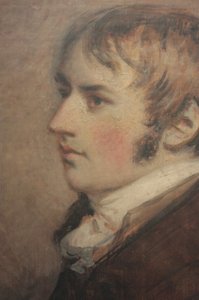
ジョン・コンスタブル
1776 - 1837 , イギリス
略歴
- フルネーム: ジョン・コンスタブル
- 主な作品:
- The Hay Wain
- Hadleigh Castle
- Salisbury Cathedral
- Netley Abbey
- 出生地: イースト・バーゴルト, イギリス
- 国籍: イギリス
- 影響を与えたアーティストまたは運動: ['バルビゾン派']
- 影響を受けたアーティスト:
- クロード・ロラン
- ヤコブ・ルイスダイン
- 死亡年月日: 1837年3月31日
- 生年月日: 1776年6月11日
- 芸術運動またはスタイル: ロマン主義