

 設置イメージを確認
 送る
送る シェア
シェア
 詳細情報
詳細情報 ガイドを表示

 画像をダウンロード
 似ている作品
 X線調査
X線調査 スライドショー
 統計情報
統計情報Steam Locomotive CP 003


 続きを読む
続きを読む
ジークレー/アートプリント
スピーディーな制作と多彩な仕上げオプションが魅力の、ミュージアムクオリティなジークレー・キャンバスプリント。 ( 手描きの複製画を注文する デジタル画像販売へ切り替え)




































作品のオリジナル比率に合わせた、当店の規定サイズからお選びください。

特定のフレームやスペースに合わせて、ご自身でサイズを指定することも可能です。選択されたサイズが元の画像の比率と一致しない場合、作品をトリミングするか、鏡面反射または単色での塗りつぶしによって画像を拡張いたします。制作を開始する前に、ご確認用のデジタルモックアップをお送りいたします。
画面上のプレビューには、実際のトリミングや拡張は反映されませんのでご注意ください。最終的な構図を正確に確認できるのは、モックアップのみとなります。
カスタムサイズも承っておりますが、元の比率を維持するためには、あらかじめ用意されたリストからサイズを選択することをお勧めいたします。


 ガラスオプションは、110cm未満のサイズでのみご利用いただけます。

Steam Locomotive CP 003
ジークレー/アートプリント
複製画サイズ一覧
-


合計金額
$ 80
アーティストについて
John Cockerill (1790-1840): Pioneer of Belgian Industry
John Cockerill (August 3, 1790 – June 9, 1840) was a pivotal figure in the industrial revolution, renowned as an English-born industrialist who significantly shaped the landscape of Belgian industry. His legacy extends beyond mere business acumen; he pioneered advancements in steam engine technology and railway development, leaving an indelible mark on 19th-century engineering.
Early Life and Family Legacy
Born in Haslingden, Lancashire, England, John Cockerill's destiny was intertwined with his father, William Cockerill, a visionary British entrepreneur who had established himself as a prominent builder of wool-processing machinery in the Liège region of Belgium. William recognized the potential for industrial growth and brought young John to Verviers, Belgium, around 1802. This relocation proved crucial, immersing John in a world of mechanical innovation from an early age. The Cockerill family tradition focused on improving textile production through innovative machinery, laying the groundwork for John's future endeavors.
Rise as an Industrialist and Technological Innovation
Following his father’s retirement in 1813, John, alongside his brother Charles James Cockerill, assumed management of the family business. A key moment arrived in 1817 when they established the ironworks named "John Cockerill & Cie." (later Societe Anonyme Cockerill-Ougree). This marked a significant expansion beyond textile machinery into broader industrial production. The Seraing factory became a vertically integrated powerhouse, encompassing iron foundries and machine manufacturing. Under John's leadership, the company embraced cutting-edge technologies:
- Steam Engines: Cockerill’s factories produced a wide range of steam engines, including air-blowers, traction engines, and those for maritime use, significantly contributing to industrial power generation.
- Steel Production: The introduction of coke-fired blast furnaces in 1826 demonstrated Cockerill's commitment to modern steelmaking techniques.
- Railway Technology: A landmark achievement was the construction of "Le Belge" (The Belgian), Belgium’s first steam locomotive, in 1835, solidifying Cockerill’s role as a pioneer in railway technology.
Challenges and Legacy
Despite his remarkable achievements, John Cockerill's career faced significant challenges. Economic instability in the late 1830s, triggered by tensions between Belgium and the Netherlands, led to bankruptcy for his company in 1839. He embarked on a desperate mission to secure funding from Russia, but contracted typhoid fever and died in Warsaw in 1840 at the age of 49.
Despite this tragic end, Cockerill’s legacy endured. He was widely recognized as a humanitarian employer and the founder of Belgian manufacturing industry. His company continued to evolve through various mergers and acquisitions, with the Cockerill name remaining associated with engineering excellence for many years. A monument in Brussels commemorates his contributions to Belgium's industrial heritage, ensuring that John Cockerill’s pioneering spirit continues to inspire generations.

John Cockerill
1790 - 1840 , United Kingdom
アーティスト情報
- Date Of Birth: August 3, 1790
- Date Of Death: June 9, 1840
- Full Name: John Cockerill
- Nationality: British, later Belgian
- Notable Artworks: ['Steam Locomotive CP 003']
- Place Of Birth (City And Country): Haslingden, United Kingdom
関連記事
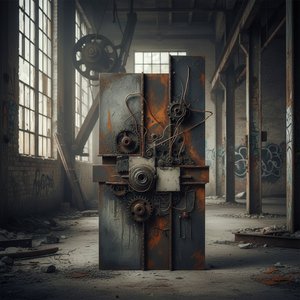
The Gritty Muse: Industrial Vibe as Defining Aesthetic in Modern Artwork
Explore the captivating world of industrial aesthetics in modern art. Discover key movements, influential artists & collecting insights at OriginalUniqueArt.com – your source for museum-quality reproductions and expert art guidance.

ジョン・シンガー・サージェント:至高の25選 - 美と光の肖像画の世界 | OriginalUniqueArt
ジョン・シンガー・サージェントの至高の25選。肖像画、写実主義、光と影の表現が美しい作品群を紐解きます。マダムXや少女の肖像など、時代を超えて愛される名作をOriginalUniqueArtで鑑賞。高品質なアート複製で、お部屋に美術館のような空間を。今すぐコレクションをご覧ください。
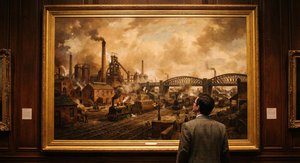
Industrial Revolution on Canvas: 10 Artworks That Define a Modern Aesthetic
Explore 10 iconic artworks capturing the Industrial Revolution’s grit & beauty. From Monet to Manet, discover realism, impressionism & powerful scenes of urban life. Find museum-quality reproductions for your home at OriginalUniqueArt.com.

Capturing the Steam & Steel: Impressionist Visions of the Industrial Age
Explore the breathtaking intersection of industry and art. Discover how Impressionist masters captured the ethereal beauty of steam, steel, and light during the Industrial Age through evocative oil paintings and timeless techniques.

ジョン・コンスタブルの傑作25選:英国風景画の巨匠が描く自然と光の詩 | OriginalUniqueArt
ジョン・コンスタブルの傑作25選。英国風景画の巨匠が描く自然と光の詩の世界へ。ロマン主義を代表する絵画、デダム・ヴェールやヘイ・ウェインなど、OriginalUniqueArtで高品質なアートプリントをお楽しみください。インテリアに深みと感動を。コレクションはこちら。