

 設置イメージを確認
 送る
送る シェア
シェア
 詳細情報
詳細情報 ガイドを表示

 画像をダウンロード
 似ている作品
 X線調査
X線調査 スライドショー
 統計情報
統計情報George III


 続きを読む
続きを読む
ジークレー/アートプリント
スピーディーな制作と多彩な仕上げオプションが魅力の、ミュージアムクオリティなジークレー・キャンバスプリント。 ( 手描きの複製画を注文する デジタル画像販売へ切り替え)




P118B ¥10

P118H ¥10

P118W ¥10

P438Z ¥10

P508JH ¥12

P508YH ¥12

P805H ¥10

P805Z ¥10

P919BZ ¥10

P919G ¥10

P919XJ ¥10

P959ZH ¥10

P968JZ ¥12

W106C ¥8

W218G ¥10

W218JH ¥8

W218Y ¥10

W307PJ ¥10

W316G ¥10

W316PJ ¥8

W316Y ¥10

W398PJ ¥8

W4111J ¥10

W500HY ¥15

W500JH ¥15

W692G ¥12

W849H ¥8

W940BG ¥15

W953PJ ¥8




作品のオリジナル比率に合わせた、当店の規定サイズからお選びください。

額縁や壁のスペースに合わせて、ご希望の幅と高さを入力してください。プリントはカットすることは可能ですが、元の画像より大きくすることはできないため、異なる比率のサイズを選択された場合は、画像の一部が欠けることになります。印刷を開始する前に、内容を確認していただくためのデジタルモックアップをお送りいたします。このページに表示されている画像は、実際のカット後の状態を示すものではありません。実際の仕上がりはモックアップにてご確認ください。


 ガラスオプションは、110cm未満のサイズでのみご利用いただけます。

George III
ジークレー/アートプリント
複製画サイズ一覧
-


合計金額
¥ 12603
The Majesty of a King: An Exploration of Zoffany’s ‘George III’
Johann Zoffany's “George III” is more than just a portrait; it’s a meticulously constructed tableau vivant, a frozen moment brimming with historical significance and subtle theatricality. Completed in 1771, this oil on canvas painting offers a rare glimpse into the life of King George III during a period of profound political and personal upheaval. Zoffany, a German-born artist who found his most enduring success in England, masterfully blended elements of Italian portraiture with the burgeoning conventions of the ‘conversation piece’ – a genre that favored informal group settings and layered symbolism.
The painting immediately commands attention through its opulent setting. The King is seated within a richly appointed room, reminiscent of an Italian villa or a grand salon, complete with a meticulously rendered violoncello, a symbol of musical refinement and aristocratic leisure. However, the true brilliance lies in the details – the intricate patterns on the wallpaper, the carefully chosen objects adorning the walls, each contributing to a complex web of meaning. This isn’t merely a depiction of royalty; it's an assertion of power, a visual declaration of George III’s status as both a sovereign and a cultivated gentleman.
A Stage for Power: Symbolism and Context
Zoffany was acutely aware of the political climate surrounding his subject. George III inherited a throne beset by challenges – a fragile peace following the Seven Years' War, mounting debts, and growing tensions with the American colonies. The King’s posture, his gaze directed towards an unseen observer (often interpreted as a young boy), conveys a sense of both authority and vulnerability. He is dressed in the formal attire of a General, complete with medals and a sash – emblems of military prowess and royal rank. The inclusion of the Order of the Garter, one of the most prestigious chivalric orders in Britain, further reinforces his position as a key figure within the nation’s elite.
Beyond the obvious symbols of power, Zoffany employs subtle visual cues to suggest the complexities of George III's reign. The presence of the violoncello, for instance, is not simply decorative; it alludes to the King’s musical interests and his patronage of artists and musicians – a carefully cultivated image designed to project an aura of sophistication and refinement. The inclusion of a young boy in the painting has been interpreted as representing the future of the monarchy, but also perhaps hinting at the challenges George III faced in securing a legitimate heir.
Technique and Artistic Legacy
Zoffany’s skill lies not only in his ability to capture likenesses with remarkable accuracy but also in his masterful use of light and shadow. The dramatic lighting highlights the King's face, emphasizing his features and conveying a sense of gravitas. The artist employs a technique reminiscent of both Italian portraiture and Dutch genre painting, creating a rich, textured surface that is both visually engaging and historically informative. His attention to detail is astonishing – from the folds in the fabric to the reflections on the polished surfaces – demonstrating a deep understanding of his subject matter and a commitment to realism.
“George III” stands as one of Zoffany’s most celebrated works, alongside “Queen Charlotte and Her Six Eldest Children.” Reproductions of this iconic painting continue to captivate art lovers today, offering a window into the world of Georgian England and the complex personality of its King. The Royal Collection Trust holds the original, ensuring that this remarkable piece of history remains accessible for generations to come.
Further Information:
よくあるご質問
「George III」は、作者の母国に保管されていますか?
いいえ、作品は国外に保管されています。ヨハン・ツォファニーはドイツで生まれ、その真作である「George III」はUnited Kingdomの美術館に収蔵されています。
ヨハン・ツォファニー作「George III」は、明るい印象の作品ですか、それとも暗い印象の作品ですか?
視覚的な明るさの観点から見ると、ヨハン・ツォファニー作「George III」 は deep_shadow です。
ヨハン・ツォファニー作「George III」の形式には、どのような配置が適していますか?
ヨハン・ツォファニー作「George III」のPortrait形式は、Living Roomに飾る際におすすめです。作品の形式と空間の調和が、複製画を配置する際の指針となります。
アーティストについて
ヨハン・ツォファニー:生涯と遺産
ヨハン・ツォファニー(Johannes Josephus Zaufallij、1733年フライブルク生まれ)は、主にイングランドとイタリアで名声を博した画家です。幼少期の詳細はほとんど不明ですが、若い頃から芸術的な訓練を受けていたことが知られています。彼は当初、メルヒオール・パウルス(Ellwangen)のもとに彫刻家として弟子入りし、その後、レーゲンスブルクのマルティン・シュペーアに師事しました。この基礎期間が、彼の将来のキャリアの礎を築きました。
イタリアとイングランドへの旅
1750年、ツォファニーはローマへ渡り、アゴスティーノ・マスッチの工房に入り、イタリアの芸術的伝統の中で技術を磨きました。その後、1760年にイングランドに移り住み、当初はスティーブン・リンボルトが作った時計のデザインを作成して生計を立てていました。この時期は転換点となり、ロンドンのアートシーンで人脈を築き始め、認められるようになりました。
王室の庇護と芸術的発展
ツォファニーはすぐにジョージ3世国王とシャーロット王妃の目に留まり、王室の favoured portraitist(お気に入りの肖像画家)となりました。彼はQueen Charlotte and Her Two Eldest Children (1765) のように、非公式な瞬間を捉える能力で、より形式的な宮廷画家とは一線を画しました。また、オーストリア皇室にも人気があり、1776年にはマリア・テレジア女帝から神聖ローマ帝国の男爵に叙任されました。
「会話の絵」の巨匠
ツォファニーは“conversation pieces”(会話の絵)または *conversazione*(懇親会)で知られるようになりました。これは、社交的な集まりを描いた非公式なグループ肖像画です。彼はこれらの場面における人物の個性と交流を捉えることに優れており、社会、演劇、文学の著名人がよく登場します。彼の作品The Cope Family (1775) はこのスタイルを代表しており、パトロンの生活の一端を垣間見ることができます。
主な業績と注目すべき作品
- ウフィツィ美術館(1772-1778):おそらく彼の最も有名な作品で、フィレンツェのウフィツィ美術館を細部まで丹念に描いたものです。
- Dr William Hunter Teaching Anatomy at the Royal Academy (1779):医学教育と科学的探求を描いた魅力的な作品です。
- George III (1771):国王の権力と優雅さを示す威厳のある肖像画です。
- Colonel Mordaunt's Cock Match (1784-1786):インド植民地時代の生活を鮮やかに描き、ユニークな文化的イベントをとらえています。
インドでの時代と晩年
1783年から1789年まで、ツォファニーはインドに滞在し、ウォーレン・ヘイスティングスやアサフ・ウッ=ダウラなどの著名人の肖像画を描きました。この地での経験は彼の芸術的スタイルと主題に影響を与えました。この時期の注目すべきエピソードとして、アンダマン諸島沖での難破船があり、生存者たちは生き残るために極端な手段をとらざるを得ませんでした。
影響と遺産
ツォファニーの作品は、ドイツの精密さとイタリアの芸術性という両方の影響を受けています。彼はアゴスティーノ・マスッチなどの画家から影響を受け、バロック様式からもインスピレーションを得ました。彼のスタイルは、同時代の人々や、肖像画と社会批評に関心のある後世のアーティストに影響を与えました。彼は芸術的伝統を架橋し、18世紀の芸術に永続的な足跡を残しました。
歴史的重要性
ヨハン・ツォファニーの絵画は、彼の時代の社会的慣習、知的生活、文化的価値に関する貴重な洞察を提供します。彼の“conversation pieces”(会話の絵)は、著名な個人とその世界を親密に描き出し、インドを描いた作品は植民地史の理解に貢献しています。彼は技術的なスキル、洞察力のある観察眼、そしてユニークな芸術的ビジョンで称賛され、美術史上重要な人物であり続けています。

ヨハン・ツォファニー
1733 - 1810 , ドイツ
アーティスト情報
- Artistic Movement Or Style: 新古典主義、写実主義
- Artists Who Influenced This Artist: ['アゴスティーノ・マスキ']
- Date Of Birth: 1733年
- Date Of Death: 1810年
- Full Name: ヨハン・ツォファニー
- Nationality: ドイツ人
- Notable Artworks (List Of Titles):
- ウフィツィ美術館のトリブーナ
- ウィリアム・ハンター博士
- Place Of Birth (City And Country): フランクフルト、ドイツ
関連記事
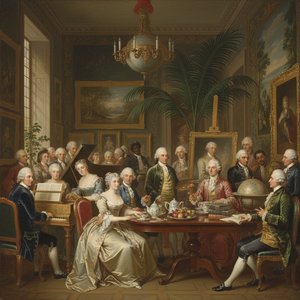
Johann Zoffany: Capturing Georgian Society with Brushstrokes of Cosmopolitan Flair
Explore the captivating world of Johann Zoffany, master portraitist of Georgian society. Discover his unique 'conversation pieces,' imperial commissions & lasting legacy. A guide for discerning collectors.
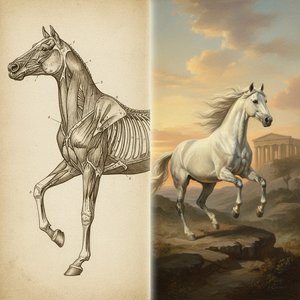
George Stubbs: Anatomical Precision & Romantic Vision in 18th-Century British Art
Explore the captivating world of George Stubbs, the 18th-century master renowned for his anatomical precision & Romantic animal paintings. Discover his legacy and investment potential.

ジョルジュ・スーラ傑作25選:光と色彩の科学が織りなす芸術の世界|OriginalUniqueArt
ジョルジュ・スーラの傑作25選。点描画の光と色彩、印象派から新印象派へ—OriginalUniqueArtで美術史を紐解き、リビングやダイニングを彩る高品質なアートプリントを見つけましょう。セーラ作品集をオンラインで鑑賞ください。

ジョルジュ・ブラック傑作25選:革新的なキュビスムの世界と装飾への誘い
ジョルジュ・ブラックの傑作25選。キュビスムを代表する画家、その革新的な色彩と技法に迫ります。名画から知られざる逸品まで、美術史に残る作品群をOriginalUniqueArt.comで鑑賞。お部屋を彩るアートプリントも多数ご用意。今すぐオンラインでコレクションをご覧ください。

Sir George Clausen: Capturing Edwardian Life & British Impressionism's Nuances
Explore the luminous world of Sir George Clausen, a leading British Impressionist painter. Discover his captivating scenes of Edwardian life, rural England & poignant war art. Learn about his legacy and find high-quality reproductions at OriginalUniqueArt.