
 プレビュー
プレビュー
 シェアする
シェアする シェアする
シェアする
 詳細を見る
詳細を見る

 ダウンロード
 似ている作品
 X線調査
X線調査 スライドショー
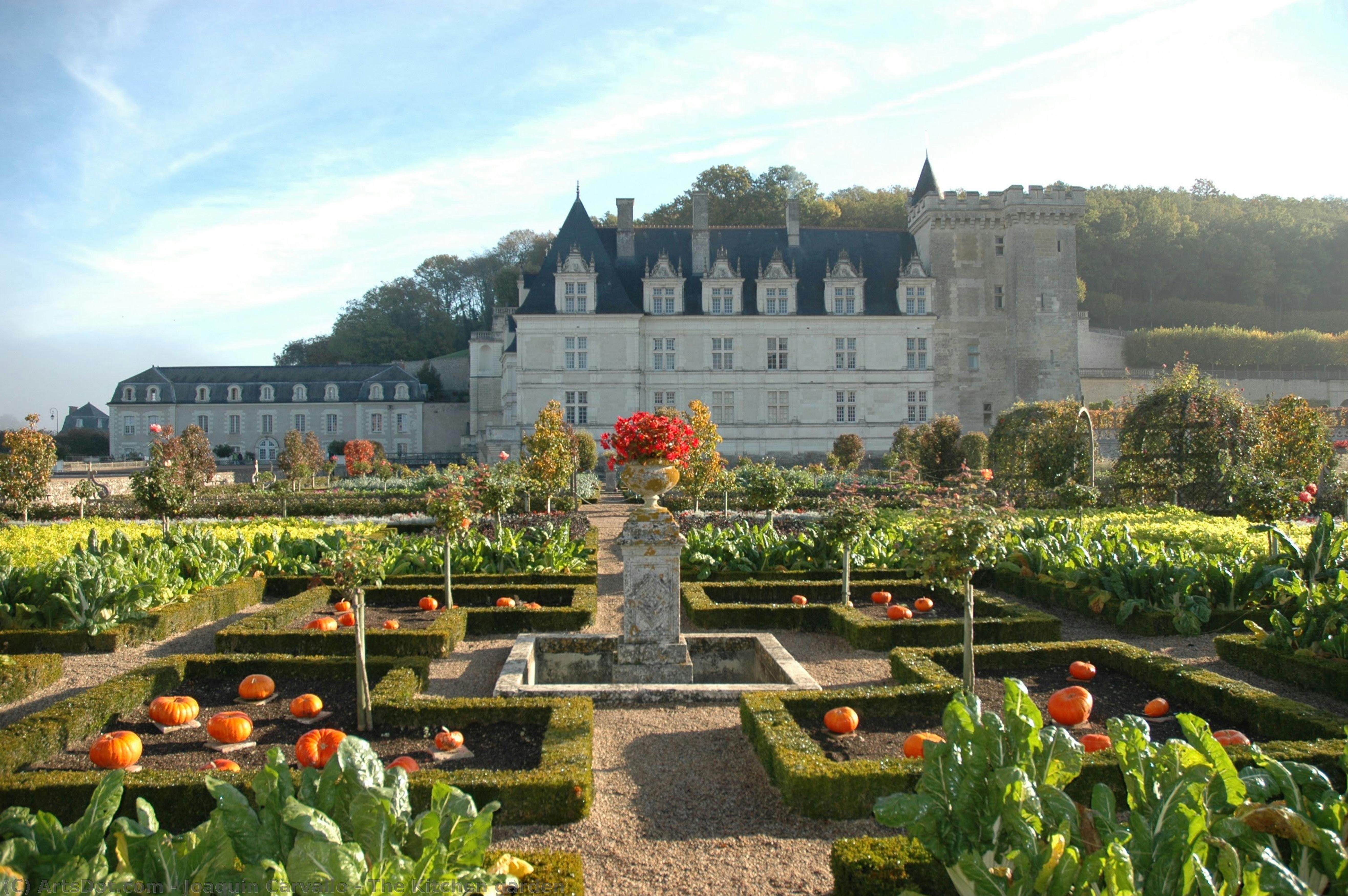
The Kitchen garden

 詳細を見る
詳細を見る
オンラインプレビューをはるかに凌ぐ、高解像度で鮮明なデジタル画像をご購入いただけます。
各ファイルは、社内の専門家が高度なツールと熟練した手作業によるレタッチを用いて、細心の注意を払って準備されています。すべての画像において、卓越した鮮明度、正確な色彩再現性、そして繊細なディテールを保証いたします。
最終ファイルは、プロフェッショナルな編集・印刷環境ですぐにご利用いただけるよう最適化された状態で、72時間以内にメールにてお届けいたします。これは、一流のデザインスタジオ、出版社、ギャラリーから信頼されているものと同等の品質です。
デジタルアート
個人での鑑賞、印刷、クリエイティブなプロジェクト用に、高解像度ファイルをダウンロードできます。 ( プリント版に切り替え 手描き画への切り替え)
デジタル画像のご注文に付随する特典
高品質なデジタル画像配信を、確かな品質で。
OriginalUniqueArt.com を選ぶことは、単に画像を手に入れることではありません。それは、プロの手によって精密に仕上げられ、満足保証が付いた高品質なデジタルアートワークを受け取ることを意味します。ご注文いただいた際に自動的に付随する内容は、以下の通りです:

メールですぐにお届け
ご注文から72時間以内に、高解像度のデジタル画像ファイルがメールでお手元に届きます。すぐにそのままご利用いただけます。

AI技術で最適化されたデジタルファイル
お客様の作品は、高度なAIツールと専門家による手作業の編集を組み合わせてプロフェッショナルに最適化されており、細部のディテール、鮮明さ、そして正確な色再現性を最大限に引き出しています。

一生涯無料の再送サービス
ファイルを誤って削除したり、紛失してしまったりしましたか?ご安心ください。いつでも無料で再送いたします。

輸入手数料は一切かかりません
関税や手数料、配送料を気にすることなく、お気に入りのアートワークをすぐにお楽しみいただけます。デジタルダウンロードは常に免税です。

色彩再現の保証
プロ仕様のツールとカラーマネジメント技術を用いることで、デジタル画像が元の色を最大限に忠実に再現することを保証いたします。

60日間満足保証
ご購入いただいたデジタル画像にご満足いただけない場合は、60日以内であれば、修正または100%の返金(理由を問う必要はありません)をさせていただきます。

100% 返金保証
ご満足いただけない場合は、デジタルファイルを受け取ってから60日以内であれば、理由を問わず全額返金いたします。

まとめ買い割引
3枚購入で10%OFF - 5枚購入で15%OFF - 10枚以上購入で20%OFF。クリエイティブなプロジェクト、ギャラリー、エージェンシーに最適です。
作品の詳細
作家の略歴
Joaquín Carvallo: The Doctor, the Gardener, and the Soul of Villandry
Joaquín Carvallo (1869-1936) was a figure of remarkable duality – a respected Spanish medical doctor and researcher, and an equally passionate, albeit largely unsung, creator of one of France’s most celebrated gardens. Born in Don Benito, Spain, his life unfolded across continents, culminating in the breathtaking restoration of Château de Villandry, transforming it from a crumbling relic into a vibrant testament to French horticultural artistry. Carvallo's story is not simply that of an artist; it’s one of intellectual curiosity, serendipitous encounters, and a profound love for both medicine and beauty.
Carvallo’s early life was marked by academic achievement. He studied at the Universidad Complutense de Madrid, quickly establishing himself as a brilliant physician. His medical career led him to Paris, where he joined the research team of Dr. Charles Richet, a pioneer in physiology and a Nobel laureate (1913). This association exposed Carvallo to cutting-edge scientific inquiry, particularly in the field of digestion – a subject that would later inform his meticulous approach to garden design. However, it was an unexpected meeting that irrevocably altered the course of his life: through a chance encounter with Ann Coleman, an intern from Lebanon, Pennsylvania, he fell deeply in love. Miss Coleman, inheriting a substantial business fortune, shared a keen interest in art and architecture, and together they embarked on a journey far removed from the sterile environment of Parisian laboratories.
A Love Affair and a Dream Takes Root
The couple’s relocation to France was driven by both love and a shared vision. They sought refuge in a peaceful setting, eventually acquiring the dilapidated Château de Villandry in the Loire Valley. The château, originally constructed in 1536, had fallen into disrepair over centuries, its magnificent gardens largely forgotten. Ann Coleman’s considerable wealth provided the means to realize Carvallo's ambitious dream: to restore the château and its gardens to their former glory – a task that would consume much of his remaining years. This wasn’t merely a restoration project; it was an attempt to recapture the essence of French garden design, a deliberate act of cultural revival.
Carvallo's medical background profoundly influenced his approach to gardening. He meticulously studied historical treatises on horticulture, particularly those attributed to André Le Nôtre, the renowned designer of Versailles. He understood that a garden was not simply an arrangement of plants but a carefully orchestrated composition – a reflection of mathematical precision, geometric harmony, and a deep appreciation for natural forms. His work involved painstaking research into ancient techniques, employing innovative irrigation systems, and selecting plants that would thrive in the Loire Valley’s climate.
A Collection of Art and a Legacy of Beauty
Beyond his horticultural endeavors, Carvallo cultivated a remarkable collection of Spanish art from the 17th century. This passion for art mirrored his appreciation for beauty in all its forms – a sensibility that permeated both his medical practice and his garden design. The château’s walls now display works by masters such as Zurbarán, Alonso Cano, Juan de Arellano, and Berruguete, reflecting the couple's refined taste and their commitment to preserving cultural heritage. The collection stands as a testament to their shared love of art and their desire to create a space that embodied both beauty and intellectual curiosity.
Villandry Today: A Living Masterpiece
Today, Château de Villandry remains one of France’s most popular tourist destinations. Its spectacular gardens – a breathtaking display of geometric patterns, water features, and meticulously arranged flowerbeds – continue to captivate visitors from around the world. Henri Carvallo, the doctor's great-grandson, carries on his ancestor’s legacy, diligently maintaining and expanding the gardens while preserving their historical integrity. The work of Joaquín Carvallo is not confined to a single discipline; it represents a harmonious blend of medicine, art, horticulture, and a profound respect for the past – a testament to a life lived with passion, purpose, and an unwavering dedication to beauty.

joaquín carvallo
1869 - 1936 , Spain
プロフィール概要
- Artistic Movement Or Style: Botanical Art
- Artists Or Movements Influenced By This Artist:
- Zurbarán
- Alonso Cano
- Juan de Arellano
- Berruguete
- Artists Who Influenced This Artist: ['Charles Richet']
- Date Of Birth: 1869
- Date Of Death: 1936
- Full Name: Joaquín Carvallo”
- Nationality: Spanish
- Notable Artworks:
- Aerial view - The Kitchen garden
- French la femme et le
- Place Of Birth: Don Benito, Spain

