

 設置イメージを確認
 送る
送る シェア
シェア
 詳細情報
詳細情報 ガイドを表示

 画像をダウンロード
 似ている作品
 X線調査
X線調査 スライドショー
 統計情報
統計情報The Four Elements: Air
 Oil On Canvas
- WallArt
- Dutch Golden Age
 1570
1570 157.0 x 214.0 cm
 ナショナル・ギャラリー
 続きを読む
続きを読む
ジークレー/アートプリント
スピーディーな制作と多彩な仕上げオプションが魅力の、ミュージアムクオリティなジークレー・キャンバスプリント。 ( 手描きの複製画を注文する デジタル画像販売へ切り替え)




P118B ¥10

P118H ¥10

P118W ¥10

P438Z ¥10

P508JH ¥12

P508YH ¥12

P805H ¥10

P805Z ¥10

P919BZ ¥10

P919G ¥10

P919XJ ¥10

P959ZH ¥10

P968JZ ¥12

W106C ¥8

W218G ¥10

W218JH ¥8

W218Y ¥10

W307PJ ¥10

W316G ¥10

W316PJ ¥8

W316Y ¥10

W398PJ ¥8

W4111J ¥10

W500HY ¥15

W500JH ¥15

W692G ¥12

W849H ¥8

W940BG ¥15

W953PJ ¥8




作品のオリジナル比率に合わせた、当店の規定サイズからお選びください。

特定のフレームやスペースに合わせて、ご自身でサイズを指定することも可能です。選択されたサイズが元の画像の比率と一致しない場合、作品をトリミングするか、鏡面反射または単色での塗りつぶしによって画像を拡張いたします。制作を開始する前に、ご確認用のデジタルモックアップをお送りいたします。
画面上のプレビューには、実際のトリミングや拡張は反映されませんのでご注意ください。最終的な構図を正確に確認できるのは、モックアップのみとなります。
カスタムサイズも承っておりますが、元の比率を維持するためには、あらかじめ用意されたリストからサイズを選択することをお勧めいたします。


 ガラスオプションは、110cm未満のサイズでのみご利用いただけます。

The Four Elements: Air
ジークレー/アートプリント
複製画サイズ一覧
-


合計金額
¥ 12349
The Four Elements: Air – A Window into 16th-Century Dutch Life
Joachim Beuckelaer’s “The Four Elements: Air,” painted in Antwerp around 1570, is more than just a depiction of a bustling marketplace; it's a vibrant snapshot of daily life, subtly interwoven with religious allegory and masterful artistic technique. This remarkable painting offers a captivating glimpse into the heart of the Dutch Golden Age, revealing not only the economic activity of a thriving town but also the prevailing worldview of its inhabitants. The scene unfolds within a stage-like composition, flattened perspective drawing the viewer into a dynamic tableau of merchants, shoppers, and the bounty of nature itself. The meticulous detail—from the folds of clothing to the textures of wooden stalls and overflowing baskets—is characteristic of Beuckelaer’s style, reflecting a deep engagement with the tangible world.
At first glance, the painting presents a familiar scene: a lively market square filled with activity. However, closer observation reveals layers of meaning. The profusion of food – birds, fruits, vegetables, and an abundance of fish – isn’t merely decorative; it's symbolic. Each element represents one of the four classical elements—earth, water, air, and fire—a concept deeply rooted in Renaissance thought. The air itself is embodied by the poultry market, dominated by a merchant skillfully handling chickens and other fowl. This focus on air subtly connects to the painting’s title and suggests a celebration of breath, vitality, and perhaps even freedom – qualities associated with this element.
A Biblical Backdrop and Subtle Symbolism
Adding another layer of complexity is the inclusion of a biblical scene in the background: the Prodigal Son. This narrative, drawn from Luke’s Gospel, serves as a potent moral counterpoint to the earthly pleasures depicted in the foreground. The young man, identifiable by his red trousers, is shown indulging in lavish living – a stark contrast to the virtuous return of the repentant son. Beuckelaer masterfully integrates this religious tale into the everyday scene, suggesting that worldly pursuits should be tempered with spiritual reflection and a recognition of divine guidance.
Beyond the biblical reference, numerous other symbolic details enrich the painting’s meaning. The careful arrangement of goods—the vibrant colors, the varied textures—evokes prosperity and abundance. The presence of animals, particularly birds, often symbolized hope and renewal in 16th-century art. Even seemingly mundane objects – a wooden coop, a basket overflowing with produce – are rendered with such precision that they become imbued with significance. The artist’s attention to detail isn't simply about realism; it’s about creating a world rich in visual and symbolic resonance.
Technique and the Legacy of Beuckelaer
“The Four Elements: Air” is executed in oil on canvas, utilizing a technique characterized by meticulous brushwork and layered colors to create depth and texture. The artist skillfully employs chiaroscuro – the contrast between light and shadow – to model forms and enhance the sense of volume. Lines are predominantly curved and flowing, mirroring the movement of people and goods within the scene, contributing to its dynamic feel. Beuckelaer’s work stands as a pivotal moment in art history, marking a shift towards celebrating everyday life and elevating commonplace subjects to artistic prominence.
Joachim Beuckelaer's influence extended beyond his own paintings; he was known for incorporating elements from the works of his predecessors, particularly Pieter Aertsen. This practice—known as ‘staffage’—involved adding figures or garments to existing compositions, a technique that further solidified his position as a key figure in the development of still life painting and market scenes. His legacy continues to inspire artists today, demonstrating the power of observation, symbolism, and technical mastery.
Bringing “The Four Elements: Air” Home
OriginalUniqueArt offers exquisite hand-painted reproductions of Joachim Beuckelaer’s “The Four Elements: Air,” allowing you to bring this captivating masterpiece into your home or office. Our skilled artists meticulously recreate the painting's intricate details, vibrant colors, and atmospheric depth, ensuring a faithful representation of Beuckelaer’s original vision. Whether you are an art enthusiast, a collector, or simply seeking a stunning piece of decorative art, our reproduction provides a beautiful and authentic way to experience this remarkable work of art.
Explore the full artwork details and dimensions on our website: The Four Elements: Air.
よくあるご質問
原画の"The Four Elements: Air"のサイズはどのくらいですか?
原画のヨアヒム・ベッケラー作「The Four Elements: Air」のサイズは157 x 214 cmです。
ヨアヒム・ベッケラー作「The Four Elements: Air」の複製画は、どのような用途に適していますか?
ヨアヒム・ベッケラー作「The Four Elements: Air」の複製画は、Statementに最適です。作品の主題、情緒、そして色彩に基づいたおすすめの活用方法です。
「The Four Elements: Air」の技法は何ですか?
ヨアヒム・ベッケラー作「The Four Elements: Air」の技法はOil On Canvasです。複製画は、この技法の質感や風合いを再現することを目指しています。
ヨアヒム・ベッケラー作「The Four Elements: Air」の色使いは、どのような感情を呼び起こしますか?
「The Four Elements: Air」では、Earthyの色調がNostalgicな情緒を添えています。
ヨアヒム・ベッケラー作「The Four Elements: Air」 の画像はどのようにダウンロードすればよいですか?
ヨアヒム・ベッケラー作「The Four Elements: Air」の画像は、作品のダウンロードページからダウンロードいただけます:高解像度デジタル画像のダウンロード。
「The Four Elements: Air」全体の明るさはどの程度ですか?
全体として、「The Four Elements: Air」の明るさはdeep_shadowと記録されています。知覚的な明るさとは、作品がどの程度明るく、あるいは暗く感じられるかを表すものです。
ヨアヒム・ベッケラー作「The Four Elements: Air」は、どのような色彩の調和を見せていますか?
ヨアヒム・ベッケラー作「The Four Elements: Air」の色使いは、Strong Color Unityな調和を見せています。ここでの「調和」とは、色彩同士が互いにどのように響き合っているかを表しています。
ヨアヒム・ベッケラー作「The Four Elements: Air」では、どのような配色が使われていますか?
ヨアヒム・ベッケラー作「The Four Elements: Air」は、Earthyなカラーパレットを使用しています。この配色が、作品全体の色彩的特徴を象徴しています。
アーティストについて
日常に浸された生涯:ヨアヒム・ベッケラーと静物画の黎明
同時代の画家たちに比べると、その名はすぐには結びつかないかもしれません。しかし、ヨアヒム・ベッケラーはフランドル絵画の歴史において極めて重要な地位を占めています。芸術的な革新が脈動していた都市アントウェルペンに1533年頃に生まれた彼は、活気あふれる市場や台所の情景を描き出す巨匠として頭角をあらわしました。彼の作品は単なる日常の記録ではありませんでした。それらは、伝統的な精神的テーマと並行して、存在の形ある現実を観察し、称えるという芸術的焦点の転換を告げる、宗教的な象徴性が繊細に織り込まれた、緻密に構成された物語だったのです。ベッケラーは単に目に見えるものを「描いて」いたのではありません。彼はありふれた日常を、芸術的な注目に値する高みへと引き上げ、独立したジャンルとしての静物画の発展に向けた決定的な礎を築いたのです。父マテウス・ベッケラーや叔父ピーテル・アールツェンといった、芸術に深く根ざした家族の背景は、彼に幼少期からの研鑽と教育をもたらしました。おそらく叔父の工房において、彼はアールツェンの先駆的な市場画の手法を吸収しながら技術を磨き、やが脈、技術的な熟練度と繊細な物語性において、その師を凌駕するに至ったのです。アントウェルペンの工房と芸術的発展
16世紀のアントウェルペンは、商業と文化が交差する活気ある中心地であり、ベッケラーの芸術はそのエネルギーを鮮やかに反映しています。彼は1560年に聖ルカ組合の独立したマスターとなり、芸術界における地位を確固たるものにしました。しかし、彼は単にアールツェンの様式を模倣したわけではありません。彼はそこに複雑さと細部へのこだわりという新たな層を加え、洗練させたのです。アールツェンの作品がしばしば混沌とした豊穣さを提示していたのに対し、ベッケラーは構図の中に、より高い秩序と明晰さをもたらしました。彼の描く情景は細心の注意を払って配置され、魚の光り輝く鱗、果実のみずみずしさ、錫の器の艶など、あらゆる物体が驚くべき精度で表現されています。この写実主義への献身は、単なる技術力の誇示ではありませんでした。それは、日常的な品々に存在感と意義を吹き込むための試みだったのです。「四元素」シリーズは、まさにこのアプローチの証です。魚市場を描いた一連の絵画は、自然の恵みを称えると同時に、背後で展開されるキリストの「パンと魚の奇跡」や、使徒を象徴する12種類の魚を通じて、聖書の物語を密かに暗示しています。世俗的なものと神聖なものをシームレスに融合させるこの能力こそが、彼の作品の真骨頂となったのです。キャンバスとしての台所:象徴と物語
市場の情景にとどまらず、ベッケラーは台所の描写においても卓越した才能を発揮しました。そこは活動と象徴的な可能性に満ちた空間でした。例えば、彼の代表作である「エマオの晩餐(キリストとエマオの旅)」は、その革新的な手法を示す極めて印象的な例です。彼は聖書の物語を単なる独立した場面として描くのではなく、食事の準備が進む活気ある台所の環境の中に直接組み込んでいます。この並置は、強烈な臨場感を生み出し、観る者を日常の行為に潜む精神的な意義へと誘います。これらの情景に溢れる食料は、単なる装飾ではありませんでした。それはしばしば、繁栄や豊穣、あるいは誘惑といった象徴的な重みを背負っていました。ベッケラーの技量は、一見ありふれた設定に幾層もの意味を付与し、それらを説得力のある視覚的物語へと変貌させる力にありました。また、彼は純粋な静物画の構成にも踏み出しました。「屠殺された肉の静物画」(1563年)などは、この主題における最も初期の年代特定された例の一つとされており、細部への習熟と写実主義をさらに証明するとともに、芸術的な慣習の境界を押し広げたのです。遺産と影響:新たな芸術的地平への架け橋
ヨアヒム・ベッケラーの影響は、彼の生涯を遥かに超えて広がりました。日常の細部を描き出す彼の情熱は、静物画の可能性をさらに探求することになる次世代の画家たちの道を切り拓きました。豪華で精巧な食のディスプレイで知られるフランス・スナイデルスのような画家たちは、ベッケラーが築いた基礎の上に直接的な発展を遂げたのです。その影響は北ヨーロッパに留まりませんでした。彼の作品はヴィンチェンツォ・カンピといったイタリアの画家たちの心にも響き、その革新的なアプローチが広く受け入れられたことを示しています。宗教的なテーマからより世俗的な主題へと焦点を移しながらも、微かな精神的な底流を保持し続けたことで、ベッケラーはフランドル美術を変容させ、後の数世紀を定義することになる芸術的潮流を予見する極めて重要な役割を果たしました。彼は1573年頃に没しましたが、その後に残された作品群は今なお人々を魅了し、インスピレーションを与え続けています。それは、人生のありふれた瞬間に隠された美しさと、その重要性を私たちに思い出させてくれるのです。
ヨアヒム・ベッケラー
1533 - 1573 , ベルギー
アーティスト情報
- Artistic Movement Or Style: ルネサンス美術
- Artists Or Movements Influenced By This Artist:
- フランス・スナイデルス
- ヴィンチェンツォ・カンピ
- Artists Who Influenced This Artist: ['ピーテル・アールツェン']
- Date Of Birth: 1533年頃
- Date Of Death: 1573年頃
- Full Name: ヨアヒム・ベッケラー
- Nationality: フランドル
- Notable Artworks:
- 「四元素」シリーズ
- キリストのいる厨房の風景
- 屠殺肉の静物画
- Place Of Birth: ベルギー、アントウェルペン
関連記事
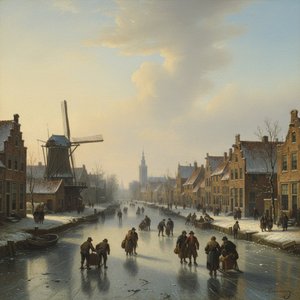
Charles Leickert: Capturing the Dutch Golden Age Light – A Comprehensive Study of Technique, Context, and Legacy
Explore the captivating winter landscapes of Charles Leickert, a master of Dutch Golden Age light & atmosphere. Discover his techniques, symbolism, and lasting legacy – a comprehensive study for art enthusiasts and collectors.

Illuminating Innovation: Exploring the Dutch Golden Age of Painting
Explore the Dutch Golden Age of painting with OriginalUniqueArt. Discover Rembrandt, Vermeer & other Masters. Learn about key characteristics, iconic artworks, and lasting influence. Expert insights for collectors & enthusiasts.

黄金世紀の巨匠たち:バロック絵画が彩る10選|OriginalUniqueArt
オランダ黄金時代の10大傑作を紐解く!レンブラント、フェルメール…バロック絵画の魅力と時代背景を深く探求。OriginalUniqueArtで、至高のアートコレクションと空間演出のヒントを見つけよう。高品質なアートプリントで、お部屋を華やかに。

Golden Age Reflections: Dutch Baroque Painting & Cultural Innovation
Explore the Dutch Golden Age of painting! Discover key artists like Vermeer & ter Borch, their innovative techniques, and the rich cultural context behind these Baroque masterpieces. Learn about collecting & appreciating this iconic art period.
Illuminating Realism: Exploring the Dutch Golden Age of Painting (1600-1700)
Explore the Dutch Golden Age of painting (1600-1700) with OriginalUniqueArt. Discover Rembrandt, Vermeer & other masters. Learn about techniques, history & find museum-quality reproductions.
