

 設置イメージを確認
 送る
送る シェア
シェア
 詳細情報
詳細情報 ガイドを表示

 画像をダウンロード
 似ている作品
 X線調査
X線調査 スライドショー
 統計情報
統計情報INTERIEUR DE CUISINE


 続きを読む
続きを読む
ジークレー/アートプリント
スピーディーな制作と多彩な仕上げオプションが魅力の、ミュージアムクオリティなジークレー・キャンバスプリント。 ( 手描きの複製画を注文する デジタル画像販売へ切り替え)




P118B $10

P118H $10

P118W $10

P438Z $10

P508JH $12

P508YH $12

P805H $10

P805Z $10

P919BZ $10

P919G $10

P919XJ $10

P959ZH $10

P968JZ $12

W106C $8

W218G $10

W218JH $8

W218Y $10

W307PJ $10

W316G $10

W316PJ $8

W316Y $10

W398PJ $8

W4111J $10

W500HY $15

W500JH $15

W692G $12

W849H $8

W940BG $15

W953PJ $8




作品のオリジナル比率に合わせた、当店の規定サイズからお選びください。

特定のフレームやスペースに合わせて、ご自身でサイズを指定することも可能です。選択されたサイズが元の画像の比率と一致しない場合、作品をトリミングするか、鏡面反射または単色での塗りつぶしによって画像を拡張いたします。制作を開始する前に、ご確認用のデジタルモックアップをお送りいたします。
画面上のプレビューには、実際のトリミングや拡張は反映されませんのでご注意ください。最終的な構図を正確に確認できるのは、モックアップのみとなります。
カスタムサイズも承っておりますが、元の比率を維持するためには、あらかじめ用意されたリストからサイズを選択することをお勧めいたします。


 ガラスオプションは、110cm未満のサイズでのみご利用いただけます。

INTERIEUR DE CUISINE
ジークレー/アートプリント
複製画サイズ一覧
-


合計金額
$ 80
A Window Into Domesticity: Joachim Beuckelaer’s “Interieur de Cuisine”
Joachim Beuckelaer's "Interieur de Cuisine" (Interior of the Kitchen) is more than just a depiction of a domestic scene; it’s a meticulously crafted tableau vivant, offering a rare glimpse into the heart of 16th-century Flemish life. Painted around 1568, this remarkable work transcends mere representation, becoming a poignant meditation on abundance, labor, and the subtle interplay between earthly pleasures and spiritual contemplation. It resides within the Musée du Louvre in Paris, a testament to its enduring artistic merit.
Beuckelaer, a pivotal figure in the transition from religious art to genre painting, masterfully captures the bustling energy of a kitchen—a space that was simultaneously a center of sustenance and a microcosm of daily life. Unlike earlier depictions of kitchens which often focused on idealized cleanliness and order, Beuckelaer presents a scene brimming with activity, overflowing with food, poultry, and earthenware. The composition is remarkably dense, almost claustrophobic in its detail, yet it avoids feeling chaotic thanks to the artist’s careful arrangement and use of overlapping forms. The young woman at the center, serving as the focal point, isn't merely a passive observer; she embodies responsibility and perhaps even a quiet pride within this industrious environment.
A Symphony of Color and Texture
The painting’s palette is rich and earthy—a tapestry woven from deep reds, browns, ochres, and yellows. These warm tones are expertly layered to create an astonishingly tactile effect. Beuckelaer's mastery of oil paint is immediately apparent in the rendering of textures: the plumpness of ripe vegetables, the ruffled feathers of poultry, the rough surfaces of pottery, and the delicate folds of fabric. He employs a glazing technique—building up layers of translucent color—to achieve an incredible sense of depth and realism. Notice how the light catches on the glistening skin of the meat or the sheen of polished earthenware; these subtle details elevate the painting beyond simple representation.
The artist’s attention to detail extends to the arrangement of objects, each carefully positioned to contribute to the overall narrative. The abundance of food—a veritable cornucopia of fruits, vegetables, and meats—symbolizes prosperity and fertility, a common theme in Flemish art of the period. However, Beuckelaer subtly introduces elements of moral contemplation. The presence of various tools and utensils – ladles, spoons, knives – alongside the lavish display of food suggests not only the act of preparing meals but also the labor involved in sustaining life. The inclusion of a small table with a loaf of bread and a jug of wine hints at simple pleasures and communal gatherings.
Symbolism and Context
“Interieur de Cuisine” is deeply rooted in the cultural context of 16th-century Flanders, a region grappling with religious upheaval and social change. The painting reflects a shift away from solely religious themes towards a greater interest in depicting everyday life—a trend that would profoundly influence the development of still life art. Beuckelaer’s work is often interpreted as a subtle commentary on the temptations of earthly pleasures, juxtaposing the abundance of food with reminders of spiritual values. The background, frequently featuring scenes from biblical stories like the “Four Elements” or Christ in the House of Mary and Martha, serves as a visual reminder of the importance of faith amidst worldly pursuits.
The young woman’s direct gaze, a characteristic feature of Beuckelaer's work, invites the viewer to engage with the scene on a personal level. She is not simply serving food; she embodies a sense of agency and responsibility within this domestic sphere. Her posture and expression suggest both diligence and perhaps even a quiet satisfaction in her role.
A Legacy of Detail
Joachim Beuckelaer’s “Interieur de Cuisine” stands as a remarkable achievement—a testament to the artist's skill, observation, and ability to imbue everyday scenes with profound meaning. It is a painting that rewards close study, revealing layers of detail and symbolism that continue to fascinate art historians and viewers alike. Reproductions of this masterpiece offer a tangible connection to a pivotal moment in artistic history, allowing us to appreciate the beauty and complexity of Flemish genre painting at its finest.
アーティストについて
日常に浸された生涯:ヨアヒム・ベッケラーと静物画の黎明
同時代の画家たちに比べると、その名はすぐには結びつかないかもしれません。しかし、ヨアヒム・ベッケラーはフランドル絵画の歴史において極めて重要な地位を占めています。芸術的な革新が脈動していた都市アントウェルペンに1533年頃に生まれた彼は、活気あふれる市場や台所の情景を描き出す巨匠として頭角をあらわしました。彼の作品は単なる日常の記録ではありませんでした。それらは、伝統的な精神的テーマと並行して、存在の形ある現実を観察し、称えるという芸術的焦点の転換を告げる、宗教的な象徴性が繊細に織り込まれた、緻密に構成された物語だったのです。ベッケラーは単に目に見えるものを「描いて」いたのではありません。彼はありふれた日常を、芸術的な注目に値する高みへと引き上げ、独立したジャンルとしての静物画の発展に向けた決定的な礎を築いたのです。父マテウス・ベッケラーや叔父ピーテル・アールツェンといった、芸術に深く根ざした家族の背景は、彼に幼少期からの研鑽と教育をもたらしました。おそらく叔父の工房において、彼はアールツェンの先駆的な市場画の手法を吸収しながら技術を磨き、やが脈、技術的な熟練度と繊細な物語性において、その師を凌駕するに至ったのです。アントウェルペンの工房と芸術的発展
16世紀のアントウェルペンは、商業と文化が交差する活気ある中心地であり、ベッケラーの芸術はそのエネルギーを鮮やかに反映しています。彼は1560年に聖ルカ組合の独立したマスターとなり、芸術界における地位を確固たるものにしました。しかし、彼は単にアールツェンの様式を模倣したわけではありません。彼はそこに複雑さと細部へのこだわりという新たな層を加え、洗練させたのです。アールツェンの作品がしばしば混沌とした豊穣さを提示していたのに対し、ベッケラーは構図の中に、より高い秩序と明晰さをもたらしました。彼の描く情景は細心の注意を払って配置され、魚の光り輝く鱗、果実のみずみずしさ、錫の器の艶など、あらゆる物体が驚くべき精度で表現されています。この写実主義への献身は、単なる技術力の誇示ではありませんでした。それは、日常的な品々に存在感と意義を吹き込むための試みだったのです。「四元素」シリーズは、まさにこのアプローチの証です。魚市場を描いた一連の絵画は、自然の恵みを称えると同時に、背後で展開されるキリストの「パンと魚の奇跡」や、使徒を象徴する12種類の魚を通じて、聖書の物語を密かに暗示しています。世俗的なものと神聖なものをシームレスに融合させるこの能力こそが、彼の作品の真骨頂となったのです。キャンバスとしての台所:象徴と物語
市場の情景にとどまらず、ベッケラーは台所の描写においても卓越した才能を発揮しました。そこは活動と象徴的な可能性に満ちた空間でした。例えば、彼の代表作である「エマオの晩餐(キリストとエマオの旅)」は、その革新的な手法を示す極めて印象的な例です。彼は聖書の物語を単なる独立した場面として描くのではなく、食事の準備が進む活気ある台所の環境の中に直接組み込んでいます。この並置は、強烈な臨場感を生み出し、観る者を日常の行為に潜む精神的な意義へと誘います。これらの情景に溢れる食料は、単なる装飾ではありませんでした。それはしばしば、繁栄や豊穣、あるいは誘惑といった象徴的な重みを背負っていました。ベッケラーの技量は、一見ありふれた設定に幾層もの意味を付与し、それらを説得力のある視覚的物語へと変貌させる力にありました。また、彼は純粋な静物画の構成にも踏み出しました。「屠殺された肉の静物画」(1563年)などは、この主題における最も初期の年代特定された例の一つとされており、細部への習熟と写実主義をさらに証明するとともに、芸術的な慣習の境界を押し広げたのです。遺産と影響:新たな芸術的地平への架け橋
ヨアヒム・ベッケラーの影響は、彼の生涯を遥かに超えて広がりました。日常の細部を描き出す彼の情熱は、静物画の可能性をさらに探求することになる次世代の画家たちの道を切り拓きました。豪華で精巧な食のディスプレイで知られるフランス・スナイデルスのような画家たちは、ベッケラーが築いた基礎の上に直接的な発展を遂げたのです。その影響は北ヨーロッパに留まりませんでした。彼の作品はヴィンチェンツォ・カンピといったイタリアの画家たちの心にも響き、その革新的なアプローチが広く受け入れられたことを示しています。宗教的なテーマからより世俗的な主題へと焦点を移しながらも、微かな精神的な底流を保持し続けたことで、ベッケラーはフランドル美術を変容させ、後の数世紀を定義することになる芸術的潮流を予見する極めて重要な役割を果たしました。彼は1573年頃に没しましたが、その後に残された作品群は今なお人々を魅了し、インスピレーションを与え続けています。それは、人生のありふれた瞬間に隠された美しさと、その重要性を私たちに思い出させてくれるのです。
ヨアヒム・ベッケラー
1533 - 1573 , ベルギー
アーティスト情報
- Artistic Movement Or Style: ルネサンス美術
- Artists Or Movements Influenced By This Artist:
- フランス・スナイデルス
- ヴィンチェンツォ・カンピ
- Artists Who Influenced This Artist: ['ピーテル・アールツェン']
- Date Of Birth: 1533年頃
- Date Of Death: 1573年頃
- Full Name: ヨアヒム・ベッケラー
- Nationality: フランドル
- Notable Artworks:
- 「四元素」シリーズ
- キリストのいる厨房の風景
- 屠殺肉の静物画
- Place Of Birth: ベルギー、アントウェルペン
関連記事
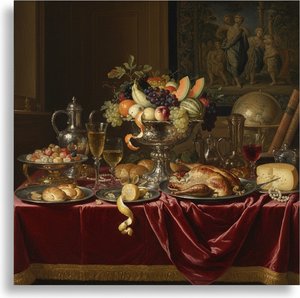
Abraham Hendricksz van Beyeren: Pioneering Dutch Still Life & the Banquet Tradition
Explore the captivating world of Dutch Golden Age still life with Abraham van Beyeren. Discover his innovative techniques, symbolic banquet scenes & lasting influence on art history. Learn about collecting these masterpieces.
Gastronomic Canvas: Culinary Aesthetics & Artistic Representation for Hotel Design
Explore the captivating intersection of culinary arts & artistic representation for hotel design. Discover techniques to elevate dining experiences through visual harmony, composition, and inspiration from classic still life painting.
The Enduring Appeal of Still Life: A Historical & Contemporary Exploration
Explore the rich history & symbolism of still life painting with OriginalUniqueArt. Discover masterpieces from the Dutch Golden Age, learn about vanitas art, and find expert guidance for collecting timeless artworks.

Silent Narratives: Exploring the Enduring Appeal of Still Life Painting Across Centuries
Explore the rich history of still life painting with OriginalUniqueArt. Discover Dutch Masters, decode vanitas symbolism & learn about collecting timeless art. Expert insights and museum-quality reproductions.
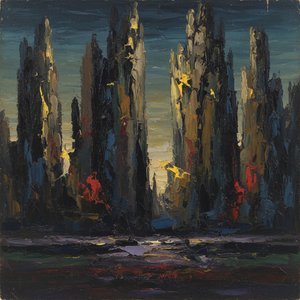
Clyfford Still's Abstract Expressionism: A Study of Color, Form & the Existential Landscape
Explore the profound world of Clyfford Still's Abstract Expressionism with OriginalUniqueArt. Discover his unique style, existential themes & investment potential. Expert analysis for discerning collectors.
