
 設置イメージを表示
 シェアする
シェアする シェアする
シェアする
 詳細を見る
詳細を見る ガイドを表示

 ダウンロード
 似ている作品
 X線調査
X線調査 スライドショーを表示
 Q&A
Q&A 統計情報
統計情報Ferris Wheel

- 61.0 x 78.0 cm


 詳細を表示
詳細を表示
このページに掲載されている作品は著作権法によって保護されており、当社の許可なく同一の複製物を制作または販売することは法律で禁じられています。この保護は、以下のような国際条約に基づき執行されます。 ベルヌ条約 および、以下の条項に定められたものを含む各国の法律により、 米国著作権法 第17編。
この手法は、著作権で保護された作品の複製や複写を伴わないため、著作権法に完全に準拠しています。これは単なる模倣ではなく、創造的な再解釈です。元の作品からインスピレーションを受けつつも、それとは異なる、全く新しい絵画を生み出すものです。
ジークレー/アートプリント
スピーディーな制作と多彩な仕上げオプションが魅力の、ミュージアムクオリティなジークレー・キャンバスプリント。 ( 手描き複製画を注文する デジタル画像販売へ切り替え)




P118B ¥10

P118H ¥10

P118W ¥10

P438Z ¥10

P508JH ¥12

P508YH ¥12

P805H ¥10

P805Z ¥10

P919BZ ¥10

P919G ¥10

P919XJ ¥10

P959ZH ¥10

P968JZ ¥12

W106C ¥8

W218G ¥10

W218JH ¥8

W218Y ¥10

W307PJ ¥10

W316G ¥10

W316PJ ¥8

W316Y ¥10

W398PJ ¥8

W4111J ¥10

W500HY ¥15

W500JH ¥15

W692G ¥12

W849H ¥8

W940BG ¥15

W953PJ ¥8




作品のオリジナル比率に合わせた、当店の規定サイズからお選びください。

額縁や壁のスペースに合わせて、ご希望の幅と高さを入力してください。プリントはカットすることは可能ですが、元の画像より大きくすることはできないため、異なる比率のサイズを選択された場合は、画像の一部が欠けることになります。印刷を開始する前に、内容を確認していただくためのデジタルモックアップをお送りいたします。このページに表示されている画像は、実際のカット後の状態を示すものではありません。実際の仕上がりはモックアップにてご確認ください。


 ガラスオプションは、110cm未満のサイズでのみご利用いただけます。

Ferris Wheel
ジークレー/アートプリント
複製画サイズ一覧
-


合計金額
¥ 12801
A Visionary Carnival: The Whimsical World of Jimmy Lee Sudduth
In the heart of the American South, where folklore and landscape intertwine, the works of Jimmy Lee Sudduth emerge as vibrant windows into a dreamlike reality. His painting, Ferris Wheel, serves as a breathtaking testament to his unique position as a visionary outsider artist. Created in 1988, this piece captures more than just a moment at an amusement park; it encapsulates a rhythmic, pulsating energy that feels both nostalgic and otherworldly. The composition centers on a grand Ferris wheel, a structural marvel that anchors the scene, surrounded by a lively gathering of figures. Through his intuitive use of color and form, Sudduth invites the viewer into a communal celebration, where the boundaries between the earthly and the spiritual seem to blur under the glow of an imagined carnival light.
The technique employed in Ferris Wheel is deeply rooted in Sudduth’s organic approach to creation. Eschewing formal academic training, he relied on instinct and a profound connection to his surroundings. The painting utilizes a layered perspective that creates a sense of immense depth; while the central wheel commands immediate attention, smaller wheels tucked into the periphery—one in the upper left and another at the bottom right—suggest an infinite, sprawling landscape of joy. This repetition of circular motifs creates a hypnotic visual cadence, drawing the eye across the canvas in a dance similar to the motion of the rides themselves. The application of paint feels tactile and immediate, echoing the raw, expressive power found in his famous finger-painting style, which allows the texture of the medium to contribute to the painting's lively atmosphere.
Beyond its surface beauty, the artwork carries a profound emotional resonance that makes it a captivating choice for collectors and interior designers alike. There is a sense of communal harmony within the crowd; the figures are not merely spectators but participants in a shared human experience of wonder. For those looking to adorn a space with art, this piece offers a sophisticated balance of movement and stability. It provides a focal point that is both stimulating and comforting, injecting a sense of whimsy and Southern soul into any modern or traditional setting. To possess a reproduction of Ferris Wheel is to hold a fragment of Alabama’s visionary spirit—a piece that celebrates the enduring magic found in the simplest of joys.
Q&A
Jimmy Lee Sudduth作「Ferris Wheel」のコントラストはどの程度強いですか?
Jimmy Lee Sudduth作「Ferris Wheel」は、明部と暗部の間にBoldなコントラストを描き出しています。
「Ferris Wheel」の形状とサイズを教えてください。
Jimmy Lee Sudduth作「Ferris Wheel」は、原寸で61 x 78 cmのLandscapeによる作品です。
注文前にJimmy Lee Sudduth作「Ferris Wheel」をプレビューすることはできますか?
「Ferris Wheel」の設置イメージページでは、ご注文前に作品をプレビューいただけます。
作家プロフィール
Jimmy Lee Sudduth: A Visionary of the Rural South
Born on March 10, 1910, in Caines Ridge, Alabama—a remote corner of the rural South steeped in folklore and a deep connection to the land—Jimmy Lee Sudduth’s life was one inextricably linked to his art. He wasn't formally trained; he didn’t study technique or theory. Instead, his artistic journey began organically, fueled by observation, instinct, and an intimate understanding of the materials at hand. Sudduth’s story is a remarkable testament to the power of self-taught artistry, revealing a profound connection between place, culture, and creative expression.
Growing up on a farm instilled in Sudduth a reverence for nature—a respect that permeated his work. His early years were spent surrounded by the rhythms of rural life: tending crops, observing animals, and absorbing the colors and textures of the natural world. He began creating rudimentary figures from wood scraps and drawing directly onto tree trunks with charcoal, honing his observational skills and developing a unique visual language. These initial explorations laid the foundation for his later, more ambitious projects – a testament to the enduring human impulse to create, regardless of formal instruction.
The Language of Mud and Found Materials
Sudduth’s artistic process was utterly unconventional, rooted in resourcefulness and an almost alchemical approach to materials. He eschewed traditional paints and canvases, instead utilizing a diverse range of readily available substances: mud, dirt, berries, coffee grounds, soot, pine needles, and even discarded industrial products like syrup and motor oil. His fingers became his brushes—a deliberate rejection of conventional tools that reflected his deep connection to the tactile nature of his materials. He meticulously mixed pigments with sugar water, soft drinks, and caulk to achieve desired hues and textures, demonstrating a remarkable understanding of color mixing through experimentation.
The surfaces he chose were equally significant – discarded plywood, doors salvaged from demolished buildings, and even railroad tracks—each imbued with its own history and character. This practice of utilizing “found” materials wasn’t merely economical; it was deeply symbolic, reflecting Sudduth's connection to the land and his ability to transform the overlooked into something beautiful and meaningful. His work became a visual record of his environment, a celebration of the beauty hidden within the mundane.
Themes and Subjects: A Reflection of Rural Life
Sudduth’s paintings are populated by figures drawn from his immediate surroundings—family members, farm animals, neighbors, and occasional glimpses of larger cities like New York. He frequently depicted self-portraits, often as a blues musician, reflecting his lifelong passion for music and his deep connection to the African American culture of rural Alabama. His subjects weren’t idealized; they were rendered with an honest and unpretentious quality, capturing the essence of everyday life in the South.
Beyond portraits, Sudduth depicted scenes from rural life—farm machinery, landscapes, and architectural details—all executed with a distinctive visual style characterized by bold colors, simplified forms, and a palpable sense of energy. His work is not simply representational; it’s infused with emotion and memory, offering a poignant glimpse into the soul of a forgotten corner of America.
Recognition and Legacy
Despite his talent and growing recognition, Sudduth remained largely unknown for much of his life. His first public exhibition occurred in 1968 at Stillman College in Tuscaloosa, followed by a significant show in Fayette in 1971 that garnered regional attention. His work gained wider acclaim in the late 1970s and early 1980s, culminating in invitations to exhibit at prestigious institutions such as the Smithsonian Institution’s Bicentennial Festival of American Folk Life (1976) and the New Orleans Museum of Art (1995). He was honored with the Alabama Arts Award in 1995, solidifying his place as a pivotal figure in Southern outsider art.
Today, Jimmy Lee Sudduth’s work is celebrated for its raw honesty, emotional depth, and unique artistic vision. His paintings are featured in collections across the United States, including the Smithsonian American Art Museum, the High Museum of Art, and the Birmingham Museum of Art. Sudduth's legacy extends beyond his individual creations; he represents a powerful reminder that art can emerge from unexpected places—from the hands of those who have no formal training but possess an unwavering passion for expression. He stands as one of the early masters of Southern self-taught art, a testament to the enduring spirit of creativity and the beauty found in the simplest of materials.

Jimmy Lee Sudduth
1910 - 2007
プロフィール概要
- Full Name: Jimmy Lee Sudduth
- Nationality: American
- Date Of Birth: 1910
- Date Of Death: 2007
- Place Of Birth: Fayette, Alabama, USA
- Notable Artworks:
- Bicycle Man
- Ferris Wheel
- Large Blue House
- Large Toto
- New York City Skyline
- Artistic Movement Or Style: Outsider art, Finger painting
関連記事
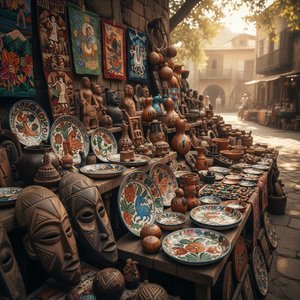
The Soul of Tradition: Exploring the Vibrant Heritage and Naive Mastery of Global Folk Art
Discover the profound beauty of folk art through a cultural lens. Explore how naive masterpieces and vibrant global traditions preserve heritage, offering timeless inspiration for collectors and art enthusiasts seeking authenticity and soul in every brushstroke.

The Soul of Tradition: A Connoisseur’s Guide to Discovering and Collecting Global Folk Art
Embark on a sophisticated journey through the world of folk art. Our expert guide offers connoisseurs deep insights into discovering, identifying, and collecting meaningful cultural masterpieces that preserve the soul of global traditions.

The Heart of Folk Art: Discover the Beauty of Tradition and Storytelling
Explore the profound beauty of folk art through its rich history and storytelling traditions. Discover how Naive Art and cultural heritage preserve ancestral narratives through vibrant color and symbolism for the modern collector.

Frederick Richard Lee: Capturing Victorian Domestic Life on Canvas
Explore the captivating Victorian genre paintings of Frederick Richard Lee. Discover his life, style, influences & legacy. Expert insights for collectors and art enthusiasts at OriginalUniqueArt.

Echoes of Tradition: Exploring the Enduring Legacy of Folk Art Movements
Explore the rich history of folk art movements worldwide! Discover definitions, notable artists, and the enduring legacy of this captivating tradition. Expert insights & high-quality reproductions at OriginalUniqueArt.