

 送る
送る シェア
シェア
 詳細情報
詳細情報 ガイドを表示

 画像をダウンロード
 似ている作品
 スライドショー
 統計情報
統計情報Three Red Spanish Venuses
 Sculpture
- Sculpture
- Pop Art
 1997
1997- Contemporary
 1220.0 x 1240.0 cm
 グッゲンハイム美術館ビルバオ
 続きを読む
続きを読む
このページに掲載されている作品は著作権法によって保護されており、当社の許可なく同一の複製物を制作または販売することは法律で禁じられています。この保護は、以下のような国際条約に基づき執行されます。 ベルヌ条約 および、以下の条項に定められたものを含む各国の法律により、 米国著作権法 第17編。
この手法は、著作権で保護された作品の複製や複写を伴わないため、著作権法に完全に準拠しています。これは単なる模倣ではなく、創造的な再解釈です。元の作品からインスピレーションを受けつつも、それとは異なる、全く新しい絵画を生み出すものです。
ジークレー/アートプリント
スピーディーな制作と多彩な仕上げオプションが魅力の、ミュージアムクオリティなジークレー・キャンバスプリント。 ( 手描きの複製画を注文する デジタル画像販売へ切り替え)




































作品のオリジナル比率に合わせた、当店の規定サイズからお選びください。

額縁や壁のスペースに合わせて、ご希望の幅と高さを入力してください。プリントはカットすることは可能ですが、元の画像より大きくすることはできないため、異なる比率のサイズを選択された場合は、画像の一部が欠けることになります。印刷を開始する前に、内容を確認していただくためのデジタルモックアップをお送りいたします。このページに表示されている画像は、実際のカット後の状態を示すものではありません。実際の仕上がりはモックアップにてご確認ください。


 ガラスオプションは、110cm未満のサイズでのみご利用いただけます。

Three Red Spanish Venuses
ジークレー/アートプリント
複製画サイズ一覧
-


合計金額
¥ 12466
A Crimson Dialogue Between Antiquity and Modernity
In the heart of Bilbao’s Guggenheim Museum, where the light dances through avant-garde architecture, stands a monumental presence that commands both awe and introspection. Jim Dine’s Three Red Spanish Venuses is not merely a sculpture; it is a visceral encounter with the ghosts of classical beauty reimagined for the contemporary era. Created in 1997, this striking series of three female torsos erupts from the museum's atrium in a bold, saturated red that refuses to be ignored. The sheer scale of these figures—towering at nearly ten meters—creates an immersive environment where the viewer feels both dwarfed by their grandeur and intimately connected to their fragmented forms.
The brilliance of Dine’s vision lies in his ability to bridge the gap between the ancient and the immediate. While the subject matter pays homage to the Venus de Milo, a cornerstone of Hellenistic perfection, Dine approaches this icon with the rebellious spirit of Pop Art. He does not seek to replicate the smooth, idealized marble of antiquity; instead, he engages in a transformative dialogue, deconstructing the classical form to reveal something more raw and human. This tension between the eternal grace of the Venus archetype and the energetic, almost disruptive presence of modern materials creates a magnetic pull that captivate collectors and art enthusiasts alike.
The Art of Subtraction and Surface
To witness these sculptures is to witness a masterclass in subtractive carving. Dine’s technique is a fascinating paradox: he utilizes expanded polystyrene—a lightweight, modern industrial material—and treats it with the reverence typically reserved for heavy stone. By meticulously scratching, scraping, and carving into the surface, he creates a rugged, tactile landscape that catches the light in unexpected ways. This textured approach allows the sculptures to possess a weathered, organic quality, as if they have been unearthed from a modern archaeological site.
The finish is equally mesmerizing. A striking red acrylic latex coating envelops the forms, providing a uniform, high-impact color that vibrates against the cool glass and steel of the surrounding architecture. This choice of pigment serves a dual purpose: it provides a sense of unified strength to the three figures while simultaneously evoking the pulse of life and the intensity of memory. For those seeking to bring this level of dramatic impact into an interior space, a high-quality reproduction of such a piece offers a profound way to introduce color, texture, and a conversation-starting focal point that balances modern boldness with classical elegance.
Symbolism and the Emotional Resonance of Form
Beyond their physical presence, the Three Red Spanish Venuses carry a deep emotional weight. The fragmentation of the bodies—the absence of limbs and heads—speaks to the fractured nature of memory and the way we perceive beauty through glimpses and remnants. There is a poignant vulnerability in these decapitated forms, yet they remain incredibly powerful, standing as symbols of resilience and enduring femininity. Dine invites us to find beauty not in perfection, but in the traces of what remains.
For the interior designer or the discerning collector, this work represents more than just decoration; it is an infusion of narrative depth. The interplay between the vibrant red and the structural shadows offers a dynamic energy that can transform a room from a static space into a living gallery. Whether placed in a grand hall or a curated private collection, these figures serve as a reminder of the enduring power of art to reshape our perception of history, making the ancient feel startlingly new.
よくあるご質問
学生向けのジム・ダイン作「Three Red Spanish Venuses」に関するファクトシートはありますか?
ジム・ダイン作「Three Red Spanish Venuses」のガイドページでは、印刷して活用できる2枚構成のファクトシートを提供しています。これには、作品とその詳細情報をまとめたデータテーブル、アーティストの生涯における時代背景を示す年代チャート、同アーティストによる他の作品、測定されたカラーパレット、そしてそのままコピーして使用できる4つの形式の引用文献情報が含まれています。
ジム・ダイン作「Three Red Spanish Venuses」 の基調となる色は何ですか?
「Three Red Spanish Venuses」の中で最も際立っている色はEspresso (#2f3c4c)です。作品の主色(メインカラー)を知ることは、インテリアとのコーディネートを考える際に役立ちます。
ジム・ダイン作「Three Red Spanish Venuses」は、どの時代に制作されたものですか?
ジム・ダイン作「Three Red Spanish Venuses」の制作年代はContemporaryです。この分類により、美術史における本作の位置付けが明確になります。
アーティストについて
幼少期と芸術的基盤
1935年、オハイオ州シンシナティに生まれたジム・ダインは、抽象表現主義と勃興するポップアートの間に架け橋となる重要な人物として登場しました。彼の形成期は、シンシナティ美術アカデミーでポール・チドラウ氏のもとで夜間のクラスを受講したことから始まり、その経験を通して彼は写実的な描写力と直接観察することへの深い理解を培いました。この初期の訓練は、1957年にオハイオ大学で美術学士号を取得することでさらに強化され、揺るぎない革新性と個人的な象徴性によって特徴づけられるキャリアの基礎が築かれました。
ダインの芸術的感性は、正式な教育だけではなく、彼の育ちにも深く影響を受けていました。祖父の金物店の光景—道具、材料、実用的な有用性の雰囲気—は、後に彼の作品に繰り返し登場するモチーフとなり、子供時代の記憶と個人的な物語を込めたものとなりました。これらは単なる描写対象ではなく、幼少期の経験や家族とのつながりの反響を伝える器でした。
ハプニングの台頭とポップアートの先駆者
1950年代後半、ダインは芸術的実験の坩堝であるニューヨーク市に移り住み、すぐにアヴァンギャルドなシーンに関わるようになりました。彼はクラエス・オルデンバーグ氏、アラン・カプロウ氏、音楽家のジョン・ケージ氏などと協力して“ハプニング” — 従来の芸術概念に挑戦する混沌とした多感覚パフォーマンス— を創造しました。彼自身のハプニング「30秒の笑顔の労働者」は1959年に上演され、抽象表現主義の深刻さを意図的に破壊し、ポップアートを特徴づける遊び心のある不遜さを示唆する出来事でした。
ダインが1962年の画期的な展覧会「日常的なオブジェクトの新しい絵画」にロイ・リヒテンスタイン氏やアンディ・ウォーホル氏らと共に参加したことは、この新興運動における彼の地位を確固たるものとしました。この展覧会は現在、アメリカ美術がポピュラーカルチャーや日常生活のオブジェクトを正当な芸術的対象として受け入れる転換点として認識されています。ダインのこの時代のキャンバスには、道具、衣服、家庭用品などのありふれたアイテムが組み込まれ、それらはアイデンティティ、記憶、そして人間の状態の強力な象徴へと変貌しました。
アッサンブラージュ、自伝的要素、芸術的進化
1960年代初頭には、ダインは実物オブジェクトをキャンバスに直接貼り付けるという彼のシグネチャーであるアッサンブラージュ様式を発展させました。ホノルル美術館のコレクションにある「Job #1」(1962)のような作品は、このアプローチを例証しています—塗料缶、ブラシ、ドライバー、木片などが混沌としていながらも注意深く配置された構成です。これらのアッサンブラージュは単にオブジェクトを描写するのではなく、鑑賞者に触覚的で生々しい体験を作り出し、絵画と彫刻の境界線を曖昧にするものでした。
この作品で批評的にも商業的にも成功を収めたダインは、その限界に対する不満を表明しました。1966年の論争事件—ロンドンのロバート・フレーザー氏のギャラリーでの彼の作品の展示に対する警察の襲撃—は、彼が新たな芸術的道を探求したいという願望をさらに強めました。襲撃の後、彼は4年間ロンドンに移り住み、フレーザー氏の代表のもとで芸術を発展させ続けました。
1971年にアメリカに戻ったダインは、集中的なドローイングに取り組み、彼のスキルを磨き、より内省的なテーマを探求しました。1970年代後半から彫刻が彼の作品の中で再び重要な位置を占めるようになり、その後、人工物ではなく自然—風景、花、特にピノキオ—を描写するようになりました。この進化は、時代を超越した神話や原型へのより深い関与と、イメージの力の永続的な魅力を示しています。
遺産と持続的な影響
ジム・ダインの影響力は、視覚芸術の領域をはるかに超えています。彼の作品は、ミュージカル「ヘア」の共同脚本家であるジェームズ・ラド氏など、様々な分野のアーティストに共鳴し、彼はショーの名前自体がダインの「Hair」という作品に由来すると述べています。キャリアを通じて、ダインは国立デザインアカデミーへの選出やウォーカーアートセンターやホイットニー美術館での主要な回顧展など、数多くの栄誉を受賞しました。
彼の公共アートインスタレーション—特にスウェーデン・ボラスにある高さ9メートルの青銅像「Walking to Borås」とシンシナティ美術館にあるピノキオの同様の彫刻—は、彼の芸術的ビジョンを公共空間と関わり合う記念碑的な形に翻訳する能力を示しています。ワシントン州立大学キャンパスを飾る鮮やかな彫刻「Technicolor Heart」は、彼がアクセスしやすく感情的に共鳴する芸術を作り出すというコミットメントのもう一つの例です。
今日、ジム・ダインは創造活動を続け、境界線を押し広げ、慣習に挑戦しています。彼の作品は、個人的な経験、記憶、そして芸術の変革的な可能性の永続的な力に対する強力な証であり、20世紀と21世紀で最も重要なアメリカ人アーティストの一人としての彼の地位を確固たるものとしています。

ジム・ダイン
1935 - , アメリカ合衆国
アーティスト情報
- Artistic Movement Or Style: ポップアート、ネオ・ダダ
- Artists Or Movements Influenced By This Artist: ['ジェームズ・ラド']
- Artists Who Influenced This Artist: ['ポール・チドラウ']
- Date Of Birth: 1935年
- Full Name: ジム・ダイン
- Nationality: アメリカ人
- Notable Artworks (List Of Titles):
- Job #1
- Untitled (2)
- Braid
- Place Of Birth (City And Country): シンシナティ、アメリカ
関連記事

Bronze Sculptures That Defined Art History | OriginalUniqueArt
Journey through art history with our Top 10 bronze sculptures! Explore masterpieces by Rodin, Michelangelo & more. Discover stories behind iconic statues and find museum-quality reproductions for your home decor at OriginalUniqueArt.com.

Bronze Age to Modern Masters: 10 Sculptures That Redefined Art | OriginalUniqueArt
Journey through art history with 10 legendary bronze sculptures – from Michelangelo's David to Rodin’s Thinker. Explore the stories, techniques & timeless beauty of these masterpieces. Find museum-quality reproductions & elevate your home decor on OriginalUniqueArt.com.

The Enduring Form: Exploring Themes & Techniques in Sculpture Across Historical Periods
Explore the rich history of sculpture from ancient masterpieces to contemporary innovations. Discover key techniques, influential artists & investment potential for discerning art collectors.
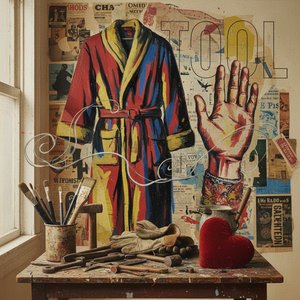
Jim Dine: A Poetic of Everyday Objects – Exploring Autobiographical Narratives & the Evolution of a Pop Art Icon
Explore the captivating world of Jim Dine – Pop Art pioneer & master of autobiographical expression. Discover his iconic tools, robes, and hearts. Expert insights for art collectors.

The Enduring Form: Sculpture Across History, Technique & Emotional Resonance
Explore the rich history of sculpture with OriginalUniqueArt. Discover key techniques, influential artists & investment potential for discerning collectors. Expert insights into valuing and collecting timeless masterpieces.


