

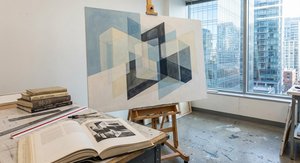
 設置イメージを確認
 送る
送る シェア
シェア
 詳細情報
詳細情報 ガイドを表示

 画像をダウンロード
 似ている作品
 X線調査
X線調査 スライドショー
 統計情報
統計情報シントゥイロ


 続きを読む
続きを読む
このページに掲載されている作品は著作権法によって保護されており、当社の許可なく同一の複製物を制作または販売することは法律で禁じられています。この保護は、以下のような国際条約に基づき執行されます。 ベルヌ条約 および、以下の条項に定められたものを含む各国の法律により、 米国著作権法 第17編。
この手法は、著作権で保護された作品の複製や複写を伴わないため、著作権法に完全に準拠しています。これは単なる模倣ではなく、創造的な再解釈です。元の作品からインスピレーションを受けつつも、それとは異なる、全く新しい絵画を生み出すものです。
ジークレー/アートプリント
スピーディーな制作と多彩な仕上げオプションが魅力の、ミュージアムクオリティなジークレー・キャンバスプリント。 ( 手描きの複製画を注文する デジタル画像販売へ切り替え)




P118B ¥10

P118H ¥10

P118W ¥10

P438Z ¥10

P508JH ¥12

P508YH ¥12

P805H ¥10

P805Z ¥10

P919BZ ¥10

P919G ¥10

P919XJ ¥10

P959ZH ¥10

P968JZ ¥12

W106C ¥8

W218G ¥10

W218JH ¥8

W218Y ¥10

W307PJ ¥10

W316G ¥10

W316PJ ¥8

W316Y ¥10

W398PJ ¥8

W4111J ¥10

W500HY ¥15

W500JH ¥15

W692G ¥12

W849H ¥8

W940BG ¥15

W953PJ ¥8




作品のオリジナル比率に合わせた、当店の規定サイズからお選びください。

額縁や壁のスペースに合わせて、ご希望の幅と高さを入力してください。プリントはカットすることは可能ですが、元の画像より大きくすることはできないため、異なる比率のサイズを選択された場合は、画像の一部が欠けることになります。印刷を開始する前に、内容を確認していただくためのデジタルモックアップをお送りいたします。このページに表示されている画像は、実際のカット後の状態を示すものではありません。実際の仕上がりはモックアップにてご確認ください。


 ガラスオプションは、110cm未満のサイズでのみご利用いただけます。

シントゥイロ
ジークレー/アートプリント
複製画サイズ一覧
-


合計金額
¥ 12650
聖エステバンの挑戦:動く絵画の革新的な精神
スペイン生まれの芸術家、ジェス・ラファエル・ソトは、視覚体験を根本的に変える可能性を持つ芸術の新たな道を切り開いた人物として知られています。彼の作品は単なる美しい色彩や形状だけでなく、見る人の感覚に直接訴えかけ、日常的な認識を揺るがすことで、美術の世界に大きな衝撃を与えました。特に彼の「シントゥイテ」(無題)は、その独特の表現方法と哲学的な深さが多くの人々を魅了しています。この作品について深く掘り下げてみましょう。 ソトの芸術活動は、1950年代から60年代にかけて展開され、彼は黒い線が白いキャンバス上に交差するシンプルな構成を持つ絵画で知られています。「シントゥイテ」は、彼の代表作の一つであり、その静謐さと洗練された美しさは多くの人々を感動させました。この作品の背景には、ソト自身の芸術哲学があります。彼は従来の絵画表現に疑問を持ち、「視覚体験をどのように刺激するのか?」という問いかけから出発しました。そして彼は、線と空間の関係性を探求することで、絵画の中に動きと振動といった感覚的な要素を取り込みました。これは当時の美術界にとって革新的な試みであり、ソトの作品は単なる視覚的な情報伝達ではなく、見る人の感情や思考に影響を与えることを目指していました。彼は特に「ペンネトラビレ」(侵入する空間)と呼ばれる巨大な彫刻作品でその哲学を体現しました。これらの作品は、観客が自由に動き回ることができ、空間と絵画の関係性を体験できるユニークな構造を持っていました。ソトの芸術は、現代美術における重要な潮流であり、彼の思想は今なお多くのアーティストに影響を与えています。 ソトの技術的な手法は非常に精密で洗練されています。「シントゥイテ」では、黒い線が白いキャンバス上に正確に描かれ、その線は細心の注意を払って描かれたものでした。彼は特に線と空間の関係性を重視し、線を使って絵画の中に動きと振動といった感覚的な要素を取り込むことで、従来の絵画表現にとらわれず、新たな可能性を探求しました。この技術は彼の他の作品にも共通しており、「ペンネトラビレ」においても同様の精密さと繊細さが追求されました。ソトの彫刻作品は、柔軟なナイロンチューブを使って構成され、観客が空間と一体化して絵画を体験できる構造を持っていました。これはソトの芸術哲学を反映したものであり、彼は絵画の中に動きと振動といった感覚的な要素を取り込むことで、従来の彫刻表現にとらわれず、新たな可能性を探求しました。彼の作品は見る人に感動を与え、そして考えさせます。 この作品は、視覚体験における新しい概念を提示するだけでなく、芸術家としてのソトの哲学的な探求心を反映しています。「シントゥイテ」は単なる絵画ではありません。それは動きと振動といった感覚的な要素を取り込み、見る人の感情や思考に影響を与えることを目指した芸術作品です。この作品は現代美術における重要な潮流であり、ソトの思想は今なお多くのアーティストに影響を与えています。彼の作品は見る人に感動を与え、そして考えさせます。よくあるご質問
Jesús Rafael Soto作「シントゥイロ」の複製画をプレビューするにはどうすればよいですか?
Jesús Rafael Soto作「シントゥイロ」のプレビューは、作品のプレビューページでご確認いただけます。
Jesús Rafael Soto作「シントゥイロ」 の色彩は、どの程度調和していますか?
Jesús Rafael Soto作「シントゥイロ」は、Discordant Paletteな色彩の調和を見せています。
Jesús Rafael Soto作「シントゥイロ」は、縦長、横長、それとも正方形の構図ですか?
「シントゥイロ」の形式はSquareです。これは、複製画を飾る場所を検討する際に役立ちます。
アーティストについて
The Architect of Motion: The Life and Vision of Jesús Rafael Soto
In the quiet streets of Ciudad Bolívar, Venezuela, a young boy once spent his hours meticulously recreating the masterpieces he encountered in magazines and almanacs. This early fascination with the transformative power of imagery was more than a childhood pastime; it was the genesis of a lifelong quest to dismantle the boundaries between the viewer and the viewed. Jesús Rafael Soto, born on June 5, 1923, would grow to become a titan of the Kinetic and Op Art movements, a man whose work did not merely sit upon a wall or stand upon a pedestal, but rather breathed, vibrated, and pulsed with an energy that demanded physical engagement.
Soto’s journey into the professional realm began with the vibrant, graphic world of cinema posters in his hometown. At sixteen, he was already mastering the principles of visual communication, a skill that would later underpin his ability to manipulate light and space. His formal education at the Escuela de Artes Plásticas y Artes Aplicadas in Caracas provided the academic rigor necessary to transition from graphic design to "pure art." Under the mentorship of influential figures like Antonio Edmundos Monsanto, Soto was introduced to a global dialogue of modernism, connecting him with a generation of Venezuelan masters including Carlos Cruz-Diez and Alejandro Otero. This period of intense study and connection laid the groundwork for his departure to Paris in 1951, a move that would catapult his experimental spirit onto the international stage.
The Alchemy of Perception and Material
As Soto’s career matured, he moved away from traditional representation toward a profound exploration of kinetic perception. He became an alchemist of industrial materials, finding poetic potential in the cold surfaces of metal, plexiglass, and nylon. His technique was revolutionary; by layering wire over canvas or superimposing transparent sheets, he created works that appeared to shimmer and oscillate even when the viewer remained still. These were not merely paintings but optical engines designed to trigger a physiological response—a rhythmic vibration that blurred the line between the object and the eye.
The true pinnacle of his sculptural innovation arrived with the Penetrables. Debuting in Caracas in 1968, these monumental installations represented a radical departure from the static nature of traditional sculpture. Constructed from cascading curtains of flexible nylon tubes, the Penetrables invited the public to step inside the artwork itself. To walk through a Penetrable was to lose oneself in a labyrinth of texture and light, where the movement of one's own body dictated the shifting patterns of the art. In these spaces, Soto achieved his ultimate goal: the dissolution of the barrier between the observer and the observed, turning the spectator into an active participant in the creation of the aesthetic experience.
A Lasting Legacy in the Modern Canon
The historical significance of Jesús Rafael Soto cannot be overstated. He was a central figure in a movement that redefined mid-twentieth-century art across South America and beyond, influencing how we perceive space, energy, and motion. His influence is etched into the very fabric of the world's most prestigious institutions, with his works residing in permanent collections such as:
- The Museum of Modern Art (MoMA) in New York
- Tate Modern in London
- Centre Georges Pompidou in Paris
- Museum Ludwig in Germany
- Galleria Nazionale d'Arte Moderna in Rome
Beyond the museum walls, his legacy lives on through the Jesús Soto Museum of Modern Art in his beloved Ciudad Bolívar, a testament to his commitment to his roots and the democratization of art. When Soto passed away in 2005, he left behind more than just a catalog of masterpieces; he left a new way of seeing. He taught us that art is not a static entity to be contemplated from a distance, but a living, breathing phenomenon that exists in the dynamic intersection of light, movement, and human presence.

Jesús Rafael Soto
1923 - 2005
アーティスト情報
- Full Name: Jesús Rafael Soto
- Nationality: Venezuelan
- Date Of Birth: 1923
- Date Of Death: 2005
- Place Of Birth: Ciudad Bolívar, Venezuela
- Notable Artworks:
- Sin título
- Mirror
- Penetrables
- Artistic Movement Or Style: Op Art & Kinetic Art
- Artists Who Influenced This Artist: Antonio Eduardo Monsanto
- Artists Or Movements Influenced By This Artist: Yaacov Agam, Jean Tinguely
関連記事

Kandinsky's Masterpieces: 25 Paintings That Define Abstract Art | OriginalUniqueArt
Journey through Wassily Kandinsky's 25 most iconic abstract paintings. Explore his revolutionary use of color, form & spiritual expressionism. Find museum-quality Kandinsky reproductions and elevate your home decor with OriginalUniqueArt.com. Discover all masterpieces on OriginalUniqueArt.com!

幾何学的抽象絵画を定義した傑作10選|アート、アーティスト、インテリア装飾
モンドリアン、マレーヴィチ…幾何学的抽象絵画を代表する傑作10選。各作品の背景や色彩構成、アーティストの情熱に迫ります。美術館品質の複製画はOriginalUniqueArt.comで。オンラインでアートコレクションをご覧ください。

Neo-Abstract Art: The High-Impact Evolution of Modern Visual Energy and Geometric Sophistication
Discover the power of Neo-Abstract art. Explore how bold geometric forms and high-impact visual energy are redefining modern design. Learn to curate sophisticated, high-energy spaces with the latest trends in contemporary abstraction and structural color.
Beyond Form & Color: Geometric Abstraction's Enduring Legacy in Art History
Explore the captivating world of geometric abstraction! Discover its origins, key artists like Malevich & Mondrian, and why this movement remains highly valued by art collectors today. Expert insights at OriginalUniqueArt.

Beyond Form & Color: Geometric Abstraction's Evolution in 20th/21st Century Art
Explore the evolution of geometric abstraction from Cubism to contemporary art. Discover key artists like Malevich & Mondrian, investment insights, and expert collecting advice at OriginalUniqueArt.
