

 送る
送る シェア
シェア
 詳細情報
詳細情報 ガイドを表示

 画像をダウンロード
 似ている作品
 スライドショー
 Q&A
Q&A 統計情報
統計情報エル


 続きを読む
続きを読む
このページに掲載されている作品は著作権法によって保護されており、当社の許可なく同一の複製物を制作または販売することは法律で禁じられています。この保護は、以下のような国際条約に基づき執行されます。 ベルヌ条約 および、以下の条項に定められたものを含む各国の法律により、 米国著作権法 第17編。
この手法は、著作権で保護された作品の複製や複写を伴わないため、著作権法に完全に準拠しています。これは単なる模倣ではなく、創造的な再解釈です。元の作品からインスピレーションを受けつつも、それとは異なる、全く新しい絵画を生み出すものです。
ジークレー/アートプリント
スピーディーな制作と多彩な仕上げオプションが魅力の、ミュージアムクオリティなジークレー・キャンバスプリント。 ( 手描きの複製画を注文する デジタル画像販売へ切り替え)




































作品のオリジナル比率に合わせた、当店の規定サイズからお選びください。

額縁や壁のスペースに合わせて、ご希望の幅と高さを入力してください。プリントはカットすることは可能ですが、元の画像より大きくすることはできないため、異なる比率のサイズを選択された場合は、画像の一部が欠けることになります。印刷を開始する前に、内容を確認していただくためのデジタルモックアップをお送りいたします。このページに表示されている画像は、実際のカット後の状態を示すものではありません。実際の仕上がりはモックアップにてご確認ください。


 ガラスオプションは、110cm未満のサイズでのみご利用いただけます。

エル
ジークレー/アートプリント
複製画サイズ一覧
-


合計金額
¥ 12633
ジャン・ティンゲイリの作品「ラ カサドゥ」について
フランスで活躍したジャン・ティンゲイリは、ダダ主義の影響を受けた現代彫刻における重要な人物です。彼は破壊と歓喜を同時に呼び起こすような金属くずを動かし続ける機械を作り出し、工業的な過剰さを嘲笑いながらも、崩壊の美しさを祝うパフォーマンスを行いました。彼の作品は単なる芸術作品ではなく、社会に対する批判であり、人間の存在意義について考えさせる力を持っています。特に「ラ カサドゥ」は彼の代表作の一つとして知られています。この作品は自転車部品やその他の廃材を組み合わせた動く彫刻で、その独特な動きと素材の質感が印象的です。- 作品概要: 「ラ カサドゥ」はフランスで制作されたジャン・ティンゲイリの彫刻作品であり、自転車部品やその他の廃材を組み合わせた動く彫刻です。そのシンプルな形状ながらも、動きと素材の質感が生み出す効果は驚くほど強力です。
- スタイル: ティンゲイリの彫刻は「ニューリアリズム」と呼ばれる芸術運動に属しており、現実世界をそのまま表現することを特徴としています。「ラ カサドゥ」は特にダダ主義の影響を受け、その混沌とした美しさを追求しています。彼は機械的な動きと素材の質感のコントラストによって、見る人に驚きと感動を与えます。
- 技術: この作品は金属くずを動かし続けるための複雑な機構を備えています。ティンゲイリは様々な金属材料を使用し、その形状や組み合わせを工夫することで、機械的な動きを生み出しています。「ラ カサドゥ」の制作過程は非常に繊細であり、彼の卓越した技術が表現されています。
- 歴史的背景: ティンゲイリの作品は1950年代から1960年代にかけて制作され、当時の芸術家たちに大きな影響を与えました。「ラ カサドゥ」はダダ主義の影響を受けた芸術運動の中で生まれた作品であり、その時代精神を反映しています。彼は社会に対する批判的な視点を持っており、彼の作品は現代社会における価値観の変化を象徴しています。
- シンボルと感情: 「ラ カサドゥ」の動きは破壊と再生の両方を表現しており、人間の生命力や変化への適応力を象徴しています。また、金属くずという素材は廃棄物でありながらも、ティンゲイリによって新たな価値を生み出されています。「ラ カサドゥ」を見る人は、その美しい動きと素材の質感に感動し、人生における変化を受け入れようとする勇気を得ることができます。
よくあるご質問
Jean Tinguely作「エル」は、どのようにしてContemporary Realismをアーティストの母国と結びつけているのでしょうか?
「エル」は、Switzerlandに生まれたJean Tinguelyによって、Contemporary Realismのムーブメントの中で制作されました。アーティストの出自は、この作品をSwitzerlandのアーティストたちが実践したContemporary Realismへと結びつけています。
「エル」に著作権はかかっていますか?
Jean Tinguely作「エル」は著作権により保護されていますです。このステータスは、作品の画像の複製方法を規定するものです。
Jean Tinguely作「エル」 の画像はどのようにダウンロードすればよいですか?
アーティストについて
Jean Tinguely: A Symphony of Destruction and Delight
Jean Tinguely (1925-1991) stands as a singular figure in 20th-century sculpture, recognized for his audacious exploration of kinetic art—a movement rooted deeply within Dada’s rebellious spirit. More than just creating machines, Tinguely crafted performances of disintegration, transforming metal scraps into mesmerizing dances of collapse that simultaneously mocked industrial excess and celebrated the inherent beauty of decay. Born in Fribourg, Switzerland, he possessed an early fascination with sculpture, nurtured by formative encounters with artists like Kurt Schwitters and Julia Ris at Basel’s Allgemeine Gewerbeschule. These influences instilled a conviction that art should challenge conventions and provoke contemplation—a philosophy that would permeate his entire oeuvre.- Early Years & Influences: Tinguely's artistic journey began in Basel, where he honed his skills under Julia Ris, absorbing the ethos of Dadaism – specifically Schwitters’ Merzbau – which championed chance and improvisation as tools for artistic expression. This foundational understanding would prove crucial to his later development as a kinetic sculptor.
- Parisian Avant-Garde & New Realism: Moving to Paris in 1952 alongside Eva Aeppli, Tinguely immersed himself in the vibrant Parisian avant-garde scene. He joined forces with fellow artists like René Lalique and Yves Klein, contributing to discussions surrounding New Realism—a movement that sought to reject illusionistic representation and embrace materiality as a primary means of artistic communication.
The Birth of Métamatics: Dada’s Legacy Revisited
Tinguely's groundbreaking approach to sculpture emerged from his unwavering commitment to Dada principles. Rejecting traditional sculptural techniques, he embraced the use of scrap metal—bicycle parts, springs, wires, and other discarded materials—to construct machines that defied gravity and movement. These ‘Métamatics,’ as Tinguely termed them, weren’t merely decorative objects; they were deliberate provocations designed to dismantle preconceived notions about sculpture and art itself. Like Dada artists before him, he deliberately incorporated elements of chance and spontaneity into his creative process, mirroring the chaotic energy of the era. The self-destructive nature of these machines wasn't simply an aesthetic gesture—it represented a critique of societal obsession with production and consumption.- Homage to New York (1960): Perhaps Tinguely’s most iconic work, ‘Homage to New York,’ exemplifies his artistic vision. The sculpture’s partial collapse during its unveiling at MoMA underscored the artist's belief that art should confront reality head-on and acknowledge its own impermanence.
- Study for an End of the World No. 2 (1962): This monumental installation, detonated in the Nevada desert before a captivated audience, solidified Tinguely’s reputation as a daring innovator and cemented his place within the history of performance art.
Collaborations & Artistic Partnerships
Tinguely's artistic spirit flourished through fruitful collaborations with fellow creatives. Notably, he partnered with Eva Aeppli to create ‘The Hon – En Katedral,’ a striking architectural sculpture combining organic and mechanical elements—a testament to his ability to synthesize disparate influences into cohesive artistic statements. Furthermore, his marriage to Niki de Saint Phalle yielded remarkable projects like ‘Le Cyclop,’ where they explored themes of mythology and symbolism through monumental sculptures that pushed the boundaries of artistic expression.Legacy & Recognition
Jean Tinguely’s influence extends far beyond his own lifetime. His pioneering use of kinetic sculpture established a new paradigm for sculptural art, inspiring generations of artists to embrace experimentation and challenge conventional notions of form and function. Recognized internationally as one of the foremost sculptors of his era, Tinguely continues to captivate audiences with his mesmerizing machines—objects that embody both destruction and delight—reminding us that beauty can be found even in disintegration and that art should provoke profound contemplation about our relationship with technology and society. His enduring legacy resides not only in his remarkable sculptures but also in the spirit of rebellious innovation that defines his artistic vision.
Jean Tinguely
1925 - 1991 , Switzerland
アーティスト情報
- Full Name: Jean Tinguely
- Nationality: Swiss
- Date Of Birth: 1925
- Date Of Death: 1991
- Place Of Birth: Fribourg, Switzerland
- Notable Artworks:
- Santana
- La Cascade
- Metamatic No. 4
- Artistic Movement Or Style: Kinetic Art / Dadaism / New Realism
- Artists Who Influenced This Artist:
- Kurt Schwitters
- Dadaists
- Artists Or Movements Influenced By This Artist: ['Niki de Saint Phalle']
関連記事

Bronze Sculptures That Defined Art History | OriginalUniqueArt
Journey through art history with our Top 10 bronze sculptures! Explore masterpieces by Rodin, Michelangelo & more. Discover stories behind iconic statues and find museum-quality reproductions for your home decor at OriginalUniqueArt.com.

The Enduring Form: Exploring Themes & Techniques in Sculpture Across Historical Periods
Explore the rich history of sculpture from ancient masterpieces to contemporary innovations. Discover key techniques, influential artists & investment potential for discerning art collectors.
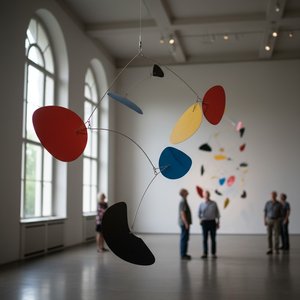
Alexander Calder: Kinetic Sculpture, Mobile Art & the Poetics of Chance
Explore the revolutionary world of Alexander Calder's kinetic sculptures & mobiles. Discover insights for collectors, acquisition advice, and the enduring legacy of this modern master. Expert analysis & art valuation.

Bronze Age to Modern Masters: 10 Sculptures That Redefined Art | OriginalUniqueArt
Journey through art history with 10 legendary bronze sculptures – from Michelangelo's David to Rodin’s Thinker. Explore the stories, techniques & timeless beauty of these masterpieces. Find museum-quality reproductions & elevate your home decor on OriginalUniqueArt.com.

The Enduring Form: Sculpture Across History, Technique & Emotional Resonance
Explore the rich history of sculpture with OriginalUniqueArt. Discover key techniques, influential artists & investment potential for discerning collectors. Expert insights into valuing and collecting timeless masterpieces.
