
 設置イメージを表示
 シェアする
シェアする シェアする
シェアする
 詳細を見る
詳細を見る ガイドを表示

 ダウンロード
 似ている作品
 X線調査
X線調査 スライドショーを表示
 Q&A
Q&A 統計情報
統計情報Présentation de la croix à l’Enfant Jésus

 詳細を表示
詳細を表示
ウェブ上のプレビューを遥かに凌駕する、印刷に最適なファイルをご提供します。当サイトで販売しているすべてのデジタル画像は、弊社のデータベース内にある高解像度のマスターデータ(通常、幅5,000〜15,000ピクセル)から作成されています。そのため、大判印刷や大胆なクロップ、細部まで緻密な再現も、安心してお楽しみいただけます。
当スタジオから送り出される画像は、すべて丁寧に加工されています。デジタルエキスパートが原画と照らし合わせて色調を精査し、必要に応じて補正を行った上で、プロ仕様のリタッチツールを用いて鮮明さと細部を向上させます。その際、アーティストの筆致やスタイルに忠実であることを常に追求しています。その結果、単なるスキャン画像にフィルターをかけたようなものではなく、まるで本物の絵画を見ているかのような仕上がりを実現しています。
仕上がりをご確認いただいてから完了となります。専門スタッフが、ご確認用の画像を72時間以内にメールでお送りいたします。もしご満足いただけない場合は、修正や改善のご要望を承るほか、品質が基準に満たない場合には返金も可能です。
出版社、デザインスタジオ、ギャラリー、そして印刷所から信頼される品質です。
デジタルアート
個人での鑑賞、印刷、クリエイティブなプロジェクトにご利用いただける高解像度ファイルをダウンロードできます。 ( プリント版に切り替え 手描き複製画を注文する)
デジタル画像のご注文に付随する特典
確かな品質による、プロフェッショナルなデジタル配信
OriginalUniqueArt.com を選ぶことは、単に画像を手に入れることではありません。プロの手によって精密に仕上げられ、満足保証が付いた高品質なデジタルアートワークを受け取ることを意味します。ご注文いただいた際に自動的に付随する内容は、以下の通りです:

メールですぐにお届け
ご注文から72時間以内に、高解像度のデジタル画像ファイルをメールでお送りいたします。お手元に届き次第、すぐにご利用いただけます。

AI技術で最適化されたデジタルファイル
お客様の作品は、高度なAI技術と専門家による手作業を組み合わせてプロフェッショナルに最適化されており、細部のディテール、鮮明さ、そして正確な色再現性を最大限に引き出しています。

生涯無料の再送サービス
ファイルを誤って削除したり、紛失してしまったりしましたか?ご安心ください。いつでも無料で再送いたします。

輸入手数料は、いつでも一切かかりません
関税や手数料、配送料を気にすることなく、お気に入りのアートワークをすぐにお楽しみいただけます。デジタルダウンロードは常に免税です。

正確な色彩の保証
プロ仕様のツールとカラーマネジメント技術を用いることで、デジタル画像が元の色を最大限に忠実に再現することを保証いたします。

100日間満足保証
ご購入いただいたデジタル画像にご満足いただけない場合は、100日以内であれば、理由を問わず修正または100%の返金対応をさせていただきます。

100% 返金保証
ご満足いただけない場合は、デジタルファイルを受け取ってから100日以内であれば、理由を問わず全額返金いたします。

まとめ買い割引
3枚購入で10%OFF、5枚購入で15%OFF、10枚以上のご購入で20%OFF。クリエイティブなプロジェクトやギャラリー、エージェンシーに最適です。
作家略歴
フランス・クラシシズムの静かなる巨匠:ジャン・タッセルの生涯と芸術
1608年、フランスの美しい街ラングレに生を受けたジャン・タッセルは、芸術が大きな転換期を迎えていた時代の中にその足跡を残しました。ハイ・ルネサンスやバロック期の巨匠たちと並んで即座に名を連ねる存在ではありませんでしたが、タッセルは進化し続けるフランス・クラシシズム(古典主義)の風景の中で、熟練した技術と繊細な革新性を備えた、極めて魅力的な地位を築きました。その生涯については、他の著名な画家たちに比べると記録こそ少ないものの、洗練された肖像画への献身と、形態や人物の本質に対する鋭い洞察力は、17世紀フランスの貴族社会に深い共鳴を呼び起こしました。当時のフランスは、イタリア・マニエリスムの過剰なドラマから脱却し、より抑制されたエレガンスへと自らの芸術的アイデンティティを確立しようとしていた時代であり、タッセルはこの新たな潮流を心から受け入れたのです。彼の正式な修行については謎に包まれている部分も多いですが、作品の質と洗練度を見る限り、ラングレ、あるいはディジョンといった主要な芸術拠点において、有能な師のもとで研鑽を積んだことが推察されます。地方貴族を描き出した肖像画家
タッセルの作品群は主に肖像画で構成されており、その多くはフランス東部の地方貴族や、台頭しつつあったブルジョワジーの人々を描いています。この主題への集中は、決して制約によるものではなく、彼自身の意図的な選択でした。彼は単なる外見の模写にとどまらず、描かれた人物の社会的地位、知的好奇心、そして内面的な精神性といった「本質」を捉える能力によって、多くの人々から求められる存在となったのです。豪華な衣装や背景を通じて富を誇示しようとする他の肖像画家とは対照的に、タッセルはより親密で内省的なアプローチを好みました。彼の肖像画の特徴は、光と影の繊細な階調、緻密に描き込まれた布地の質感、そして顔の造作に対する揺るぎない細部へのこだわりです。シルクの光沢、ベルベットの重厚感、肌の柔らかな赤らみといった質感を伝える驚異的な才能は、控えめな優雅さと慎み深さを尊ぶパトロンたちを虜にしました。壮大な歴史画や神話画こそ残していませんが、タッ素は肖像画という形式を通じて、フランス史の転換期における特定の社会階級の価値観と志を雄弁に語る芸術へと昇華させたのです。影響と芸術的発展
タッセルの様式に直接的な影響を与えた要素を特定することは、非常に繊細な作業を要します。フランス宮廷で長きにわたり活躍したアンソニー・ヴァン・ダイクの作品や、ニコラ・プッサンらが提唱した新興の古典主義といった当時の主要な芸術潮流は、間違いなく彼の審美眼を形作りました。しかし、タッセルは単に巨匠たちを模倣したわけではありません。彼は彼らの教えを吸収し、そこに独自の個人的なビジョンを融合させたのです。初期の作品にはヴァン・ダイク流の流麗な筆致や優雅なポーズへの敬意が見て取れますが、キャリアが進むにつれて、タッセルはより抑制されたパレットを用い、心理的なリアリズムをより重視するようになりました。彼の肖像画は、先人たちの華美な様式とは一線を画す、静かな威厳と知的な深みを湛え始めたのです。また、17世紀に高まっていた科学的観察への関心も、解剖学的な正確さや細部への緻密な描写という形で、彼の作品に反映されているようです。主要な業績と不朽の遺産
タッセルという名は、一般的には広く知られているわけではありませんが、フランス美術における彼の貢献は極めて重要です。彼はフランス東部を代表する肖像画家の一人として地位を確立し、地方貴族の生活や風習を知る上でかけがえのない洞察を与える膨大な作品群を遺しました。身体的な類似性と心理的な深みの両方を捉える彼の能力は、当時の人々から高く称賛されました。さらに、タッセルの重んじた控えめな優雅さと洗練された技法は、18世紀におけるフランス・ロココ様式の肖像画へと続く道筋を整える役割を果たしました。彼の絵画は単なる歴史的資料ではありません。その美しさ、繊細さ、そして感情的な響きによって、今なお観る者を魅了し続ける力強い芸術作品なのです。1667年に彼が世を去った後も、その遺産は私蔵コレクションや美術館を彩る数多くの肖像画を通じて生き続けており、静かな威厳と芸術的極致に満たされた世界を私たちに見せてくれています。ジャン・タッセルの再発見:現代における評価
何世紀もの間、ジャン・タッセルはより著名な画家たちの影に隠れ、美術史家からも見過ごされがちでした。しかし、近年の研究によって、彼の驚くべき才能とフランス・クラシシズムへの重要な貢献に光が当てられ始めています。- 彼の肖像画は、地方貴族の生活を覗き見るための比類なき窓となっています。
- 緻密な細部描写と繊細な心理的深みは、その芸術的価値としてますます高く評価されています。
- 後世のフランス肖像画家たちに与えたタッセルの影響が、より鮮明になりつつあります。
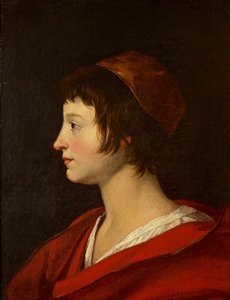
ジャン・タッセル
1608 - 1667 , フランス