

 プレビュー
プレビュー
 シェアする
シェアする シェアする
シェアする
 詳細を見る
詳細を見る

 ダウンロード
 似ている作品
 X線調査
X線調査 スライドショー
 統計情報
統計情報Eyes and Eggs
 Acrylic On Canvas
- WallArt
- Neo-Expressionism
 1983
1983 303.0 x 247.0 cm
 The Broad
 詳細を見る
詳細を見る
ジークレー/アートプリント
迅速な制作と多彩な仕上げオプションを備えた、ミュージアムクオリティのジークレーまたはキャンバスプリント。 ( 手描きの絵画を購入 デジタル画像販売へ切り替え)




P118B $10

P118H $10

P118W $10

P438Z $10

P508JH $12

P508YH $12

P805H $10

P805Z $10

P919BZ $10

P919G $10

P919XJ $10

P959ZH $10

P968JZ $12

W106C $8

W218G $10

W218JH $8

W218Y $10

W307PJ $10

W316G $10

W316PJ $8

W316Y $10

W398PJ $8

W4111J $10

W500HY $15

W500JH $15

W692G $12

W849H $8

W940BG $15

W953PJ $8




作品のオリジナル比率に合わせた、当店の規定サイズからお選びください。

特定のフレームやスペースに合わせて、ご自身でサイズを指定することも可能です。選択されたサイズが元の画像の比率と一致しない場合、作品をトリミングするか、鏡面反射または単色での塗りつぶしによって画像を拡張いたします。制作を開始する前に、ご確認用のデジタルモックアップをお送りいたします。
画面上のプレビューには、実際のトリミングや拡張は反映されませんのでご注意ください。最終的な構図を正確に確認できるのは、モックアップのみとなります。
カスタムサイズも承っておりますが、元の比率を維持するためには、あらかじめ用意されたリストからサイズを選択することをお勧めいたします。


 ガラスオプションは、110cm未満のサイズでのみご利用いただけます。

Eyes and Eggs
ジークレー/アートプリント
複製画のサイズ
-


合計金額
$ 80
The Genesis of a Vision: Jean-Michel Basquiat's "Eyes and Eggs"
Jean-Michel Basquiat’s “Eyes and Eggs,” painted in 1983, isn’t merely a depiction of a chef; it’s an arresting collision of symbols, anxieties, and the raw energy that defined the artist’s explosive rise to prominence. Created during a period of intense creative exploration and social commentary, this work encapsulates Basquiat's signature blend of graffiti aesthetics, anatomical studies, and poignant observations on American society. The painting immediately commands attention with its unconventional composition – a stark black-and-white palette punctuated by vibrant splashes of red, yellow, and white—a deliberate disruption of traditional artistic conventions.
The central figure, a chef wielding a spoon, is rendered in a strikingly simplified style reminiscent of both anatomical drawings and street art tags. This juxtaposition speaks to Basquiat’s fascination with the body – particularly its vulnerabilities – alongside his engagement with the visual language of urban culture. The oversized eyes, staring directly out at the viewer, are perhaps the most arresting element, conveying a sense of unsettling awareness and vulnerability. The title itself, “Eyes and Eggs,” is deliberately ambiguous, layering multiple meanings. ‘Eggs’ can represent potential, beginnings, or even the fragility of life, while ‘eyes’ symbolize perception, knowledge, and the ability to see beyond the surface.
A Symphony of Technique: Combining Collage and Oil
“Eyes and Eggs” is a testament to Basquiat's innovative approach to painting. He masterfully combined traditional oil paint with elements of collage, utilizing a canvas treated with metal hinges—a detail that adds an unexpected tactile dimension to the work. The background appears to be a repurposed cotton drop cloth, further emphasizing the painting’s connection to street art and its roots in the urban landscape. Basquiat's technique is characterized by bold brushstrokes, layering of colors, and a deliberate roughness – a visual echo of his graffiti origins. He employed both gestural marks and precise lines, creating a dynamic tension between spontaneity and control.
The use of red, yellow, and white—particularly in the areas surrounding the eyes and the spoon—acts as a focal point, drawing the viewer’s attention to these key elements. These colors aren't merely decorative; they inject a sense of urgency and emotional intensity into the composition. The stark contrast between black and white further amplifies this effect, creating a dramatic visual impact that reflects the painting’s underlying themes of duality and conflict.
Historical Context & Basquiat’s Social Critique
“Eyes and Eggs” was created during a pivotal moment in Basquiat's career. He was rapidly gaining recognition as a leading figure in the neo-expressionist movement, challenging established art institutions and engaging with pressing social issues. The painting reflects his broader concerns about power structures, racial inequality, and the commodification of art. Basquiat’s work frequently referenced historical figures and events, often subverting their narratives to expose underlying injustices. In this instance, the chef—a symbol of labor and sustenance—is presented with a disconcerting expression, hinting at the exploitation and alienation inherent in modern society.
Furthermore, Basquiat’s personal life – marked by his mother's struggles with mental illness and his own experiences with addiction – deeply informed his artistic vision. “Eyes and Eggs” can be interpreted as a reflection of these anxieties, capturing the feeling of being both vulnerable and watchful in a world fraught with uncertainty. The painting serves as a poignant reminder of Basquiat’s ability to transform personal struggles into powerful works of art.
A Timeless Masterpiece: Symbolism & Emotional Resonance
“Eyes and Eggs” transcends its immediate subject matter, offering a profound meditation on the human condition. The painting's enduring appeal lies in its layered symbolism, evocative imagery, and raw emotional honesty. It’s a work that invites repeated viewing, revealing new nuances with each encounter. The chef’s enigmatic expression—a mixture of curiosity, apprehension, and perhaps even despair—resonates deeply with viewers, prompting reflection on our own perceptions and vulnerabilities.
Today, “Eyes and Eggs” stands as a testament to Basquiat's genius – a vibrant, challenging, and ultimately unforgettable masterpiece that continues to captivate audiences worldwide. Its bold style, innovative techniques, and poignant themes ensure its place as one of the most significant works of art from the 20th century.
アーティストの略歴
ブルックリンの黎明とSAMOの台頭
ジャン=ミシェル・バスキアは、1980年代のアートシーンに、生々しいエネルギーと知的な深さをもって現れました。その衝撃は今日に至るまで深く響き続けています。1960年12月22日、ニューヨークのブルックリンで、ハイチ人の父とプエルトリコ人の母のもとに生まれ、彼の幼少時代は多様な文化と言語が織りなす鮮やかなタペストリーでした。スペイン語、英語、フランス語が家庭に満ち溢れ、多言語環境の中で育ちました。母親の芸術への献身—6歳の時にブルックリン美術館のジュニアメンバーとして登録されたこと—は、彼の創造的な旅の初期基盤を築きました。しかし、バスキアの人生には苦難も伴いました。8歳で交通事故に遭い脾臓摘出手術を受け、その後の療養中に母親から贈られた『グレイ解剖学』に魅了されました。この本の詳細なイラストは、彼の作品によく現れる解剖学的イメージに深く影響を与え、キャリア全体を通して忘れられないモチーフとなりました。画家として認められる以前、バスキアは友人アル・ディアスと共にSAMOという仮名を使って活動しました。彼らはロウアーマンハッタンの街を覆い尽くす暗号的で詩的なグラフィティ—社会規範に挑戦し、確立された権力構造に疑問を投げかけるエピグラム—を描きました。これらは単なるタグではありませんでした。それは新興のヒップホップ文化と1970年代ニューヨークの荒々しいエネルギーをとらえた思索的な声明でした。SAMOはストリートアート以上のもの—社会への哲学的介入、対話を促し、認識に挑戦するように設計された視覚的破壊行為でした。
ネオ表現主義と芸術的革新
1980年代初頭、バスキアはグラフィティからキャンバスへと移行し、ニューヨークのアート界で急速に認められるようになりました。彼の絵画は容易に分類できるものではありませんでした。抽象表現主義から部族美術、コミックブック、歴史的絵画まで、幅広い影響のユニークな合成でした。彼はネオ表現主義運動の中心人物となりましたが、安易なレッテルを貼られることを嫌いました。彼のキャンバスは、混沌としたエネルギー—テキスト、シンボル、図像、色の層状化—によって特徴付けられています。バスキアの技法は意図的に生々しく即興的であり、しばしばコラージュ、スクラッチ、滴る絵の具を取り入れていました。彼は技術的な完璧を追求することに興味がなく、感情、アイデア、社会評論を生々しい直接性をもって伝えることを目指しました。王冠、頭蓋骨、解剖学的図表、クロスアウトされたり繰り返されたりする言葉などの反復モチーフは、彼のシグネチャービジュアル言語となりました。王冠はおそらく最も象徴的なシンボルであり、願望、自己神話化、そしてアメリカにおける黒人アイデンティティの複雑さを表していると解釈されています。彼の作品は頻繁に富と貧困、統合と分離、社会の中での個人の内面の葛藤というテーマに取り組んでいました。*Piscine versus the Best Hotels (または様々な腰蓑)*のような絵画は、高級さと貧困、美しさと衰退など、一見相反する要素を並置することで、社会的不平等を力強く批判しています。バスキアの芸術は彼が何を描いたかだけでなく、どのように描いたかに基づいていました—個人的でありながら普遍的に共鳴する視覚言語を作り出しました。
コラボレーション、認知、そして悲劇的な終焉
バスキアの台頭は目覚ましいものでした。1982年、わずか21歳で、彼はカッセル(ドイツ)のドキュメンタに参加し、そこで展示された最年少のアーティストとなりました。翌年にはホイットニー・ビエンナーレに出展し、アート界での地位をさらに確固たるものにしました。重要な瞬間は、アンディ・ウォーホルとの友情と芸術的コラボレーションでした。2人のアーティストはお互いを創造的に刺激し合い、消費主義、有名人、大衆メディアというテーマを探求する一連の共同絵画を作成しました。彼らのパートナーシップは複雑で緊張を伴うこともありましたが、間違いなく両方のアーティストのプロファイルを高めました。国際的な名声と経済的成功を収めたにもかかわらず、バスキアは名声のプレッシャーや薬物中毒との闘いに苦しんでいました。彼の作品はますます内省的になり、個人的な悪魔や社会的不正義に直面するにつれて暗くなっていきました。悲劇的に、ジャン=ミシェル・バスキアは1988年8月12日、ヘロインの過剰摂取により27歳で亡くなりました。彼の早すぎる死は、彼を—中毒とアート界の複雑さに翻弄された天才アーティスト—という悲劇的な人物として確固たるものにしました。
遺産と永続的な影響
彼の死後、バスキアの名声はますます高まりました。彼の作品は生々しいエネルギー、知的な深さ、そして容赦ない社会評論で観客を魅了し続けています。2017年、*Untitled*(1982)、力強い頭蓋骨の描写がサザビーズで1億1050万ドルで落札され、アメリカ人アーティストのオークション記録を更新しました—彼の作品の永続的な価値と文化的意義の証です。バスキアの影響は、アイデンティティ、人種、社会正義というテーマを探求する現代アーティストに数多く見られます。彼はより多様で包括的なアート界への道を開き、芸術的表現と表現の伝統的な概念に挑戦しました。グラフィティ、ファインアート、音楽、詩をシームレスに融合させる彼の能力は、今日に至るまでアーティストにインスピレーションを与え続けています。彼は創造的反逆、知的好奇心、そして現状に挑戦する芸術の力の強力な象徴であり続けます。彼の絵画は単なる美的オブジェクトではありません—それは人間性、社会、混沌とした世界で意味を探求するための窓です。
主要作品とテーマ
バスキアの芸術的ビジョンをカプセル化した代表的な作品をいくつか紹介します:
- Untitled (Skull): 死とアフリカディアスポラの強力な表現であり、記録破りのオークション価格を実現しました。
- Piscine versus the Best Hotels (または様々な腰蓑): 富と貧困の対比を例証し、バスキア独自の芸術的スタイルを示しています。
- Portrait of the Artist as a Young Derelict: アイデンティティ、疎外感、社会批判というテーマを体現した自画像です。
- Hollywood Africans: 象徴的なイメージとテキスト要素を通してアフリカ系アメリカ人の歴史と文化を探求しています。
バスキアの芸術は一貫して人種的不平等、植民地支配の遺産、そして黒人アイデンティティの複雑さという問題に取り組んできました。彼は自身のプラットフォームを利用して支配的なナラティブに挑戦し、疎外されたコミュニティに声を届けました。彼の作品は今日でも非常に重要であり、視聴者に社会と彼ら自身の偏見について不快な真実に向き合うよう促しています。彼は単なるアーティストではありませんでした—彼は文化評論家、詩人、そしてアート界とその先を深く刻み込んだビジョナリーでした。

ジャン=ミシェル・バスキア
1960 - 1988 , アメリカ合衆国
基本情報
- Artistic Movement Or Style: ネオ表現主義
- Artists Or Movements Influenced By This Artist:
- 現代アーティスト
- 社会正義アート
- Artists Who Influenced This Artist:
- 抽象表現主義者
- 部族美術
- コミックブック
- Date Of Birth: 1960年12月22日
- Date Of Death: 1988年8月12日
- Full Name: ジャン=ミシェル・バスキア
- Nationality: アメリカ人
- Notable Artworks (List Of Titles):
- Untitled (Skull)
- Piscine vs. Hotels
- Place Of Birth (City And Country): ニューヨーク州ブルックリン
関連記事

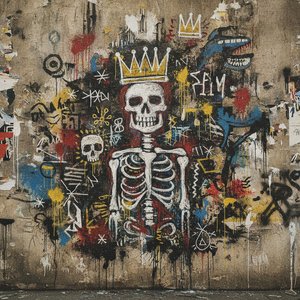
Basquiat & Raw Pop: The Electric Energy of Neo-Expressionism and the Legacy of Urban Rebellion
Explore the electric world of Jean-Michel Basquiat and Neo-Expressionism. Discover how raw urban energy and symbolic graffiti redefined contemporary art history through a deep, cultural lens.
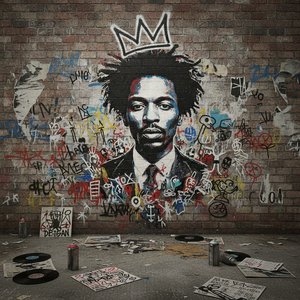
Basquiat and Raw Pop: The High-Energy Rebellion of Neo-Expressionism and the Legacy of Urban Street Art
Explore the raw energy of Jean-Michel Basquiat and the Neo-Expressionist movement. Discover how urban rebellion and SAMO© transformed 1980s New York art history through deep academic insight and visual analysis.
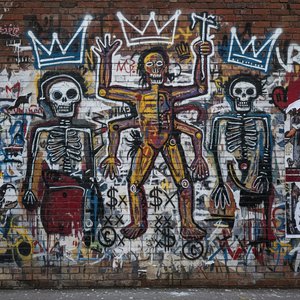
Basquiat & Raw Pop: The Unfiltered Energy of Neo-Expressionism and the Legacy of Urban Rebellion
Explore the raw energy of Jean-Michel Basquiat and Neo-Expressionism. Discover how urban rebellion redefined modern art through a lens of luxury, identity, and profound emotional intensity for the discerning collector.
Jean-Michel Basquiat: Deconstructing Identity & Power Through Neo-Expressionist Graffiti
Explore the powerful work of Jean-Michel Basquiat & his impact on Neo-Expressionism. Discover how he deconstructed identity, challenged power structures, and left an enduring legacy in contemporary art. Expert analysis for collectors.
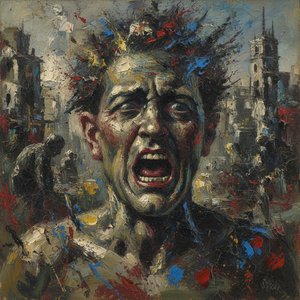
Neo-Expressionism: The Raw Power and Emotional Return of Modern Art
Explore the raw emotion and visceral power of Neo-Expressionism. From Basquiat's urban energy to the rejection of Minimalism, discover the history behind this transformative movement through our expert art guides and museum-quality reproductions.

