

 設置イメージを確認
 送る
送る シェア
シェア
 詳細情報
詳細情報 ガイドを表示

 画像をダウンロード
 似ている作品
 X線調査
X線調査 スライドショー
 Q&A
Q&A 統計情報
統計情報Scène de grève


 続きを読む
続きを読む
ジークレー/アートプリント
スピーディーな制作と多彩な仕上げオプションが魅力の、ミュージアムクオリティなジークレー・キャンバスプリント。 ( 手描きの複製画を注文する デジタル画像販売へ切り替え)




P118B ¥10

P118H ¥10

P118W ¥10

P438Z ¥10

P508JH ¥12

P508YH ¥12

P805H ¥10

P805Z ¥10

P919BZ ¥10

P919G ¥10

P919XJ ¥10

P959ZH ¥10

P968JZ ¥12

W106C ¥8

W218G ¥10

W218JH ¥8

W218Y ¥10

W307PJ ¥10

W316G ¥10

W316PJ ¥8

W316Y ¥10

W398PJ ¥8

W4111J ¥10

W500HY ¥15

W500JH ¥15

W692G ¥12

W849H ¥8

W940BG ¥15

W953PJ ¥8




作品のオリジナル比率に合わせた、当店の規定サイズからお選びください。

額縁や壁のスペースに合わせて、ご希望の幅と高さを入力してください。プリントはカットすることは可能ですが、元の画像より大きくすることはできないため、異なる比率のサイズを選択された場合は、画像の一部が欠けることになります。印刷を開始する前に、内容を確認していただくためのデジタルモックアップをお送りいたします。このページに表示されている画像は、実際のカット後の状態を示すものではありません。実際の仕上がりはモックアップにてご確認ください。


 ガラスオプションは、110cm未満のサイズでのみご利用いただけます。

Scène de grève
ジークレー/アートプリント
複製画サイズ一覧
-


合計金額
¥ 12591
A Symphony of Despair: The Visceral World of Jean Louis Forain
In the hauntingly evocative Scène de Grève, completed in 1897, Jean Louis Forain invites the viewer into a realm where the boundaries between social reality and emotional expressionism blur. This is not merely a painting; it is a visceral testament to human suffering and the heavy toll of upheaval. At first glance, the canvas presents a landscape of profound devastation, yet as one lingers before its textured surface, a deeper, more complex narrative begins to unfold. Forain, a master who transitioned from the sharp wit of a Parisian caricaturist to the profound depths of Impressionism and Social Realism, utilizes this piece to capture a moment of overwhelming loss that feels both historically grounded and timelessly tragic.
The composition is a masterclass in controlled chaos. Forain employs a deliberately flattened perspective, a technique that strips away the comfort of depth and replaces it with an inescapable sense of claustrophness. The viewer’s eye is immediately drawn to a solitary figure positioned centrally in the foreground—a sentinel of sorrow dressed in dark, somber tones. This individual appears to be engaged in a grim task, perhaps using a surveying tool to assess the wreckage of what has been lost. Behind this lone observer, the background erupts into a sprawling, amorphous mass of bodies, creating a stark contrast between individual isolation and the collective tragedy of the crowd. The horizontal, gestural lines that dominate the scene mirror the relentless, crushing weight of destruction, pulling the viewer into the very heart of the gloom.
Technique and the Texture of Tragedy
To behold Scène de Grève is to experience the raw power of oil on canvas. Forain’s technique is characterized by an intense use of impasto, where paint is applied in thick, palpable layers that lend a three-dimensional urgency to the subject matter. The visible, energetic brushstrokes do not merely depict form; they convey the very agitation and grief inherent in the scene. This tactile quality allows light to catch the ridges of the pigment, creating subtle variations in shadow that deepen the atmospheric dread. The color palette is intentionally restrained, relying on a somber arrangement of browns, grays, and ochres. These muted tones work in harmony to reinforce the pervasive sense of decay and the bleakness of an era marked by industrial struggle and social unrest.
Beyond the physical application of paint, the symbolism within the work speaks to the intersection of humanity and industry. The distant, looming factory chimneys serve as a grim reminder of the industrial age's potential for both progress and devastation. For collectors and enthusiasts of fine art, this piece offers more than just aesthetic beauty; it provides a profound meditation on resilience amidst ruin. The way the light is diffused and unevenly cast across the fallen figures heightens the sense of an uncertain future, making the artwork a powerful centerpiece for any collection that values emotional depth and historical gravity. For interior designers, such a piece serves as a sophisticated anchor in a room, demanding contemplation and providing a window into the soul of late 19th-century French expression.
よくあるご質問
ジャン=ルイ・フォラン作「Scène de grève」のレプリカは、どのような用途に適していますか?
「Scène de grève」のプリントのおすすめの使い方は、Moodです。
ジャン=ルイ・フォラン作「Scène de grève」 の主要な色調は何ですか?
ジャン=ルイ・フォラン作「Scène de grève」には、Golden Yellow Rangeの色調が全体に広がっています。
「Scène de grève」の原画は、どの美術館に収蔵されていますか?
ジャン=ルイ・フォラン作「Scène de grève」の真作はArt Gallery of Hamilton, ハミルトン, カナダに所蔵されています。複製画(レプリカ)を用いることで、ご自宅でも作品をお楽しみいただけます。
アーティストについて
初期の生活と芸術的始まり
- 生年: フランス、ランス(1852年)
- 没年: 1931年
- ジャン=ルイ・フォランの芸術的な旅は、1852年10月23日にフランスのランスで始まりました。彼が8歳のとき、家族はパリに移り住み、この転居は彼の将来のキャリアを形作る極めて重要な出来事となりました。
- 彼の父は装飾看板画家であり、初期の支援と芸術への露出を提供しました。
- フォランは風刺画家としてキャリアをスタートさせ、ル・モンド・パリジアンやル・リール・サティリクといったパリの雑誌に風刺的な絵画を寄稿しました。これが彼の観察力と機知を磨き上げました。
- その後、ジャン=レオン・ジェロームやジャン=バティスト・カルポーの下でエコール・デ・ボザールにて正式な訓練を受けました。
印象派の影響と芸術的発展
- フォランは印象派の運動に関わり、1879年から1884年にかけて数々の展覧会に参加しました。
- 彼は、束の間の瞬間、光の効果、そして日常生活の情景を捉えるという、印象派の核となる原則から影響を受けました。
- 風景画に焦点を当てた同時代の作家たちとは異なり、フォランはパリの庶民的な娯楽――賑やかなカフェ、競馬場、バレエなど――に作品の中心を据えました。
- 彼のスタイルは、筆致の軽やかさ、大胆な色彩、そして都会の雰囲気を捉える鋭い眼差しによって発展していきました。
特筆すべき作品と芸術様式
- フォランは油絵、水彩画、パステル、エッチング、リトグラフなど、多様な媒体で制作活動を行いました。
- 「ヴェルレーヌの詩に捧げて、一人の悪党が田舎を散策する」などは、フランスの生活を細部まで捉える彼の能力を示しています。
- 彼の水彩画は、その鮮やかな色彩と雰囲気で特に称賛されています。
- フォランの様式は、風刺画と印象派を見事に融合させ、ユーモラスでありながら洞察に満ちた作品を生み出しました。
- 彼は人物描写に長けており、しばしば特徴を誇張することで記憶に残るキャラクターを作り上げました。
- パリの夜の光景、オペラ座の観客、競馬の参加者を描いた作品群は、19世紀末のフランス社会への窓を提供してくれます。
晩年と遺産
- 第一次世界大戦の間、フォランは愛国的な挿絵を制作し、さらには迷彩部隊に志願したこともあります。
- 晩年には、法廷やパリの機関といった光景を描きました。
- 彼はロンドンの王立芸術学院の会員に選出されました。
- ジャン=ルイ・フォランは1931年7月11日に亡くなり、その機知、観察眼、そしてパリの生活描写によって愛される膨大な作品群を残しました。
コレクションとさらなる探求
- モーリス・ドニ美術館(フランス)
- ジャン=ジャック・エネール国立美術館(パリ、フランス)
- その他の作品を探す:ジャン=ルイ・フォラン | 121点のアートワーク
- 絵画の複製を注文する:ジャン=ルイ・フォランの絵画レプリカを注文

ジャン=ルイ・フォラン
1852 - 1931 , フランス
アーティスト情報
- Artistic Movement Or Style: 印象派
- Artists Or Movements Influenced By This Artist: ['アンリ・ド・トゥールーズ=ロートレック']
- Artists Who Influenced This Artist:
- ジャン=レオン・ジェローム
- ジャン=バティスト・カルポー
- エドガー・ドガ
- オノレ・ドーミエ
- Date Of Birth: 1852年10月23日
- Date Of Death: 1931年7月11日
- Full Name: ジャン=ルイ・フォラン
- Nationality: フランス人
- Notable Artworks:
- ヴェルレーヌの詩に寄せて
- ベンチの上の共和国
- Place Of Birth: ランス、フランス
関連記事

The Soul of Impressionism: Why Oil on Canvas Captures Eternal Light and Timeless Emotion
Discover the enchanting alchemy of Impressionism. Explore how the mastery of oil on canvas, through glazing and impasto, captures eternal light and emotion. Perfect for lovers of Monet and Van Gogh seeking the profound depth of hand-painted fine art.

ポール・セザンヌ:至高の25選 - 傑作と革新の軌跡 | OriginalUniqueArt
ポール・セザンヌの至高の25選。ポスト印象派を代表する画家、セザンヌの傑作と革新的な技法を紐解きます。OriginalUniqueArtで高品質な複製画やインテリアアートを見つけ、芸術の世界をご自宅に。今すぐコレクションをご覧ください。

Romantic Realism's Finest: 10 Masterpieces for Your Home | OriginalUniqueArt
Explore 10 defining masterpieces of Romantic Realism! Discover Courbet, Millet & Daumier's powerful paintings—capturing emotion and social realities. Find museum-quality reproductions for your home at OriginalUniqueArt.com.
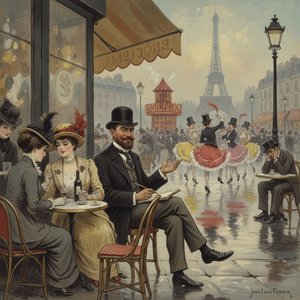
Jean-Louis Forain: Capturing Parisian Life with Wit & Realism
Explore the captivating world of Jean-Louis Forain, a master Impressionist chronicler of Belle Époque Paris. Discover his satirical paintings, realistic scenes & lasting legacy. Learn about collecting Forain's art today!

The Enduring Legacy of Oil on Canvas: Technique, History & Aesthetic Impact
Explore the rich history & techniques of oil painting – from Renaissance masters to Impressionism. Discover pigments, layering methods, and why this timeless medium endures. Expert insights for artists & art enthusiasts.