
 設置イメージを確認
 送る
送る シェア
シェア
 詳細情報
詳細情報 ガイドを表示

 画像をダウンロード
 似ている作品
 X線調査
X線調査 スライドショー
 統計情報
統計情報Pygmalion and Galatea (study)
 Oil On Canvas
- WallArt
- Academic Historical Painting
 1890
1890 94.0 x 74.0 cm
 メトロポリタン美術館
 続きを読む
続きを読む
ジークレー/アートプリント
スピーディーな制作と多彩な仕上げオプションが魅力の、ミュージアムクオリティなジークレー・キャンバスプリント。 ( 手描きの複製画を注文する デジタル画像販売へ切り替え)




P118B ¥10

P118H ¥10

P118W ¥10

P438Z ¥10

P508JH ¥12

P508YH ¥12

P805H ¥10

P805Z ¥10

P919BZ ¥10

P919G ¥10

P919XJ ¥10

P959ZH ¥10

P968JZ ¥12

W106C ¥8

W218G ¥10

W218JH ¥8

W218Y ¥10

W307PJ ¥10

W316G ¥10

W316PJ ¥8

W316Y ¥10

W398PJ ¥8

W4111J ¥10

W500HY ¥15

W500JH ¥15

W692G ¥12

W849H ¥8

W940BG ¥15

W953PJ ¥8




作品のオリジナル比率に合わせた、当店の規定サイズからお選びください。

額縁や壁のスペースに合わせて、ご希望の幅と高さを入力してください。プリントはカットすることは可能ですが、元の画像より大きくすることはできないため、異なる比率のサイズを選択された場合は、画像の一部が欠けることになります。印刷を開始する前に、内容を確認していただくためのデジタルモックアップをお送りいたします。このページに表示されている画像は、実際のカット後の状態を示すものではありません。実際の仕上がりはモックアップにてご確認ください。


 ガラスオプションは、110cm未満のサイズでのみご利用いただけます。

Pygmalion and Galatea (study)
ジークレー/アートプリント
複製画サイズ一覧
-


合計金額
¥ 12591
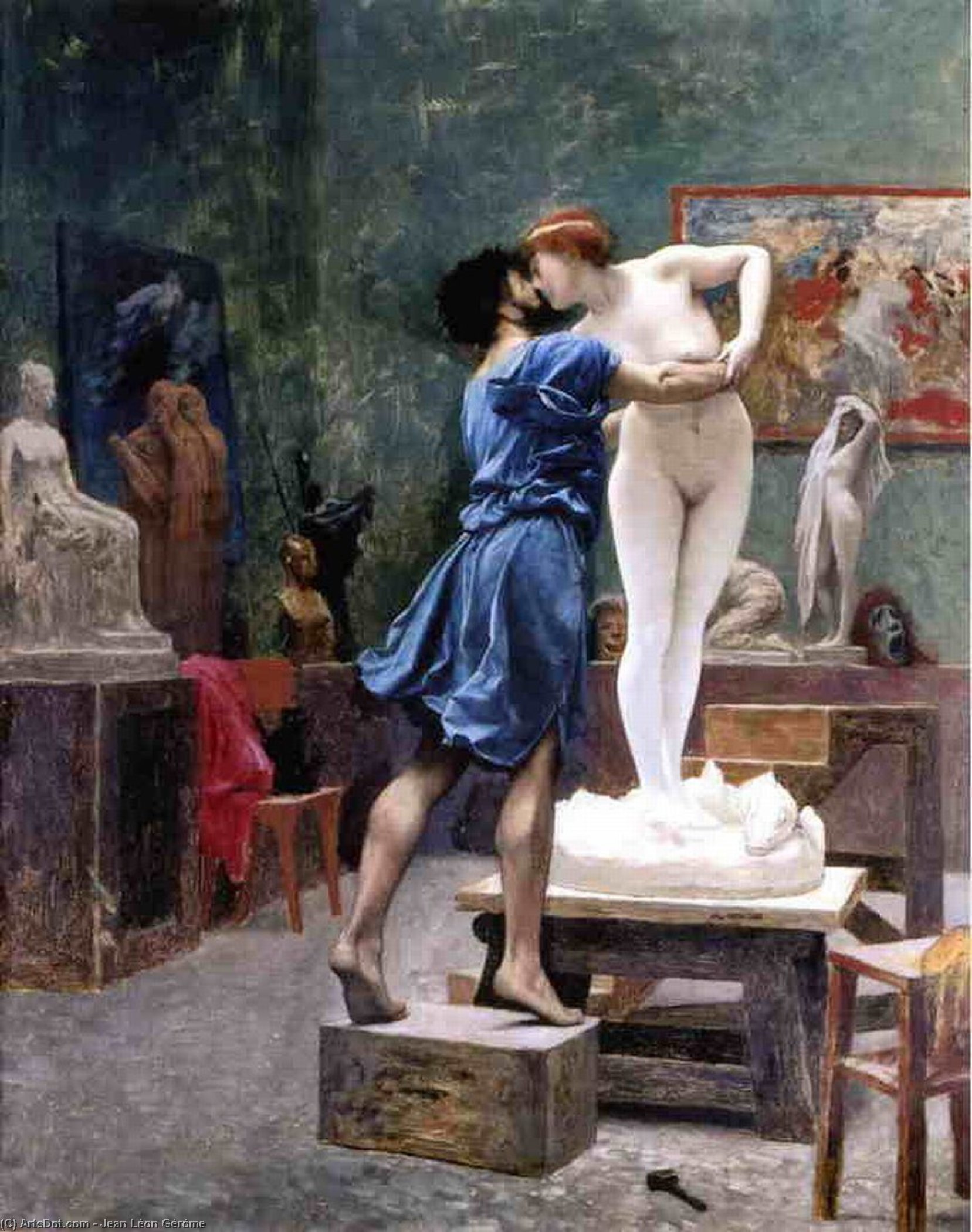
A Moment Frozen in Marble and Desire: Jean-Léon Gérôme’s *Pygmalion and Galatea (Study)*
Jean-Léon Gérôme's *Pygmalion and Galatea (Study)*, painted in 1890, isn’t merely a depiction of a classical myth; it’s an exquisitely rendered tableau of longing, creation, and the potent magic of transformation. This intimate study, measuring a modest 94 x 74 cm, offers a rare glimpse into Gérôme's meticulous process – a testament to his dedication to capturing not just the likeness of figures but also the very essence of their emotions. The painting immediately draws the viewer in with its carefully orchestrated composition: a man, presumably Pygmalion himself, kneeling before a statue of Galatea, poised on a simple stool, and initiating a tender kiss. The scene unfolds within a studio setting, subtly suggesting the artist’s own fascination with the act of artistic creation and the blurring lines between reality and imagination.
The Narrative of Myth and Mastery
The story behind *Pygmalion and Galatea* is one of enduring appeal – a tale of a sculptor who, captivated by his own artistry, breathes life into a marble figure. Gérôme masterfully translates this narrative onto canvas, capturing the pivotal moment when Galatea awakens to Pygmalion’s touch. The painting avoids grand theatricality, instead favoring a quiet intimacy that underscores the profound emotional shift occurring within the scene. Gérôme's skill lies not just in his ability to accurately portray the human form – evident in the delicate musculature of Pygmalion and the graceful curve of Galatea’s pose – but also in his capacity to imbue these figures with a palpable sense of vulnerability and nascent joy. The inclusion of the simple chair and table, along with the vase, adds layers of realism and anchors the fantastical narrative within a believable domestic setting.
Technique and the Language of Detail
Gérôme was renowned for his painstaking attention to detail, a hallmark of the academic style he championed. *Pygmalion and Galatea (Study)* exemplifies this approach perfectly. Executed in oil on canvas, the painting boasts a rich, textured surface achieved through countless layers of glazing – a technique that allows Gérôme to build up subtle gradations of light and shadow, creating an astonishingly lifelike effect. Observe how he renders the marble statue itself; it’s not simply painted white but infused with veins and imperfections, suggesting its inherent materiality while simultaneously hinting at its potential for animation. The careful placement of folds in fabric, the sheen on Galatea's skin, and the subtle play of light across Pygmalion’s face all contribute to a remarkable sense of realism that belies the mythological subject matter. The use of warm earth tones – ochres, browns, and reds – further enhances the painting’s depth and richness.
Symbolism and Emotional Resonance
Beyond its narrative power, *Pygmalion and Galatea (Study)* is rich in symbolic meaning. The statue represents not just a creation but also the artist's own idealized vision – a projection of his desires and aspirations. The kiss itself symbolizes the merging of creator and creation, the transcendence of earthly limitations, and the birth of something new. The setting within a studio subtly elevates the work beyond a simple mythological scene; it speaks to the very process of artistic endeavor, highlighting the transformative power of imagination. Ultimately, Gérôme’s painting resonates with viewers on an emotional level, evoking feelings of wonder, longing, and the enduring human fascination with beauty, creation, and the possibility of bringing dreams to life.
A hand-painted reproduction of *Pygmalion and Galatea (Study)* offers a stunning opportunity to bring this captivating artwork into your home or office. Its rich detail and evocative imagery will serve as a constant reminder of the power of art to inspire, move, and transform our understanding of the world.
よくあるご質問
ジャン=レオン・ジェローム作「Pygmalion and Galatea (study)」の手描き複製画を販売しているのはどこですか?
ジャン=レオン・ジェローム作「Pygmalion and Galatea (study)」の手描き複製画は、こちらの手描き油彩複製画ページからご注文いただけます:リネンキャンバスに手描きされた油彩複製画(受注制作)
「Pygmalion and Galatea (study)」に似た作品はありますか?
「Pygmalion and Galatea (study)」に似た作品は、作品の似ている作品ページに掲載されています。
1890年に「Pygmalion and Galatea (study)」を制作した際、ジャン=レオン・ジェロームは何歳でしたか?
ジャン=レオン・ジェロームは66歳の時に「Pygmalion and Galatea (study)」を制作しました。作家は1824年に生まれ、本作の制作年は1890年です。
アーティストについて
叙情的な細部を描く巨匠:ジャン=レオン・ジェロームの生涯と芸術
19世紀フランスのアカデミック絵画を代表する名前、ジャン=レオン・ジェロームは、単なる熟練した技術者ではありませんでした。彼は、ドラマと異国情緒に満ちた、細部まで丹念に描き込まれた場面で観客を魅了した語り手でした。1824年にヴェスールに生まれた彼の芸術の旅は、地元の芸術家クロード=バジル・カリアージュの指導の下で始まり、やがて彼がその時代の最も著名な画家の一人となるための基礎を築きました。16歳でパリに移り住んだ彼は、まず歴史画の巨匠ポール・ドラローシュに師事し、その後エコール・デ・ボザールに通い、古典的な訓練の原則を学びました。しかし、ジェロームは模倣に終始するのではなく、精密な写実主義と劇的な物語性を革新的に融合させ、それが彼の独自のスタイルを確立しました。1847年の『闘鶏』での初期の成功は彼を名声へと押し上げ、古典的なテーマを新たな考古学的詳細への注意をもって蘇らせようとしたネオ・グレック運動における主要な人物としての地位を確立しました。歴史的壮大さからオリエンタリズムのビジョンへ
ジェロームの芸術的な範囲は驚くほど広範でした。彼は、映画のような雰囲気で歴史的主題に取り組み、即時性と心理的な深みを与えました。ナポレオン3世を称賛する寓意として意図された大規模な壁画『アウグストゥスの時代、キリストの誕生』は、複雑な構成と壮大な物語性を処理する彼の能力を示しました。しかし、彼が真に大衆の想像力を捉えたのは、オリエンタリズム絵画だったかもしれません。トルコ、エジプト、北アフリカへの旅行からインスピレーションを得て、彼はハーレム、賑やかな市場、砂漠の風景を異国情緒豊かに描き出しました。それは魅惑的であると同時に、現代的な視点から見ると、時に問題のある固定観念を永続させていました。『中庭で鳩に餌を与えるハーレムの女性たち』のような絵画は非常に人気があり、ヨーロッパの聴衆に神秘的で官能的な世界の一端を見せてくれました。これらの作品は彼が見たものの単なる複製ではありませんでした。それらは観察と想像力を組み合わせた慎重に構築された幻想であり、説得力のある視覚的な物語を作り出していました。彼は東方を単に記録していたのではなく、西側の消費のために*創造していた*のです。それは後に批判を受けることになりますが、紛れもなく彼の広範な魅力を生み出すのに貢献しました。教育者と影響力のある教師
自身の芸術的アウトプットを超えて、ジェロームはエコール・デ・ボザールの教師として大きな影響力を発揮しました。彼の工房は次世代の芸術家の育成地となり、ヨーロッパやアメリカ各地から生徒が集まりました。彼の最も注目すべき弟子には、トーマス・エイキンズ、ジョン・シンガー・サージェント、メアリー・カサットがおり、彼らは独自の道を切り開きましたが、ジェロームの厳格な訓練と技術的スキルの重視によって基礎を築かれたことは間違いありません。彼は彼らにドラフツマンシップ、構成、そして実物から学ぶことの重要性を植え付けました。彼の保守的な芸術観は、新興のアヴァンギャルド運動と衝突することがありましたが、特にアメリカ美術への影響は深遠でした。彼の生徒たちは彼の原則を大西洋を越えて持ち帰り、独自の工房を設立し、アカデミックな伝統を永続させました。遺産と論争:複雑な芸術的遺産
ジャン=レオン・ジェロームは1904年にパリで亡くなり、議論と論争を引き起こし続ける膨大な作品群を残しました。彼の技術的な腕前は否定できませんが、彼の芸術的遺産は依然として複雑です。かつてアカデミックな業績の頂点として称賛された彼の精密な写実主義は、表面的な外観に過度に気を配っていると見なされるようになりました。視覚的に印象的である一方で、オリエンタリズム絵画は異国化する視線と植民地時代の固定観念を永続させているとして批判されてきました。しかし、ジェロームを彼の歴史的文脈の中で理解することが不可欠です。彼は19世紀ヨーロッパ社会の主流の態度や関心を反映した時代の人でした。彼の作品は、その時代の文化的不安や幻想に関する貴重な洞察を提供し、同時にその根底にある仮定を批判的に検証するよう私たちに促します。今日、ジェロームの絵画は技術的な輝きだけでなく、別の時間と場所に鑑賞者を運び込み、歴史、文化、表現の複雑さを熟考させる能力でも称賛されています。特筆すべきキャリアにおける瞬間
- 1824年:フランスのヴェスールに生まれる。
- 1840年:ポール・ドラローシュに師事するためにパリに移る。
- 1847年:パリサロンで『闘鶏』が認められ、初期の成功を収める。
- 1852-1854年:『アウグストゥスの時代、キリストの誕生』の依頼を受け、コンスタンティノープル、ギリシャ、トルコに旅行する。
- 晩年:古典古代からインスピレーションを得た彩色彫刻へと移行する。
- 1904年:パリで亡くなり、重要な芸術的遺産を残す。

ジャン=レオン・ジェローム
1824 - 1904 , フランス
アーティスト情報
- Artistic Movement Or Style: アカデミズム、オリエンタリズム
- Artists Or Movements Influenced By This Artist:
- トーマス・エイキンズ
- ジョン・シンガー・サージェント
- メアリー・カサット
- Artists Who Influenced This Artist: ['ポール・ドラローシュ']
- Date Of Birth: 1824年5月11日
- Date Of Death: 1904年1月10日
- Full Name: ジャン=レオン・ジェローム
- Nationality: フランス人
- Notable Artworks (List Of Titles):
- 鶏闘争
- Pollice Verso
- 蛇使い
- Place Of Birth (City And Country): フランスのヴェスール
関連記事

Jean-Léon Gérôme: Academic Rigor & Orientalist Visions Shaping 19th-Century French Painting
Explore the captivating world of Jean-Léon Gérôme, a master of 19th-century academic painting & orientalism. Discover his historical works, artistic techniques, and lasting influence on art history.

The Enduring Form: Sculpture Across History, Technique & Emotional Resonance
Explore the rich history of sculpture with OriginalUniqueArt. Discover key techniques, influential artists & investment potential for discerning collectors. Expert insights into valuing and collecting timeless masterpieces.

The Enduring Form: Exploring Themes & Techniques in Sculpture Across Historical Periods
Explore the rich history of sculpture from ancient masterpieces to contemporary innovations. Discover key techniques, influential artists & investment potential for discerning art collectors.

Bronze Age to Modern Masters: 10 Sculptures That Redefined Art | OriginalUniqueArt
Journey through art history with 10 legendary bronze sculptures – from Michelangelo's David to Rodin’s Thinker. Explore the stories, techniques & timeless beauty of these masterpieces. Find museum-quality reproductions & elevate your home decor on OriginalUniqueArt.com.

Bronze Sculptures That Defined Art History | OriginalUniqueArt
Journey through art history with our Top 10 bronze sculptures! Explore masterpieces by Rodin, Michelangelo & more. Discover stories behind iconic statues and find museum-quality reproductions for your home decor at OriginalUniqueArt.com.


