

 送る
送る シェア
シェア
 詳細情報
詳細情報 ガイドを表示

 画像をダウンロード
 似ている作品
 スライドショー
 統計情報
統計情報Molière


 続きを読む
続きを読む
ジークレー/アートプリント
スピーディーな制作と多彩な仕上げオプションが魅力の、ミュージアムクオリティなジークレー・キャンバスプリント。 ( 手描きの複製画を注文する デジタル画像販売へ切り替え)




































作品のオリジナル比率に合わせた、当店の規定サイズからお選びください。

額縁や壁のスペースに合わせて、ご希望の幅と高さを入力してください。プリントはカットすることは可能ですが、元の画像より大きくすることはできないため、異なる比率のサイズを選択された場合は、画像の一部が欠けることになります。印刷を開始する前に、内容を確認していただくためのデジタルモックアップをお送りいたします。このページに表示されている画像は、実際のカット後の状態を示すものではありません。実際の仕上がりはモックアップにてご確認ください。


 ガラスオプションは、110cm未満のサイズでのみご利用いただけます。

Molière
ジークレー/アートプリント
複製画サイズ一覧
-


合計金額
¥ 12603
A Captivating Portrait: Jean-Jacques Caffieri’s Molière
The year is 1787. Paris pulses with artistic fervor, the Rococo style dominating the courts and salons of the aristocracy. Within the hallowed halls of the Louvre, a sculptor named Jean-Jacques Caffiéri meticulously captures the essence of one of France's most celebrated playwrights: Molière. This isn’t merely a likeness; it’s an embodiment of wit, intellect, and theatrical genius, rendered in exquisite detail with a masterful understanding of light, shadow, and human expression. Caffieri’s portrait bust is more than just a work of art—it's a window into the world of 18th-century French culture, offering a glimpse into the life and legacy of a man who continues to entertain and provoke audiences centuries later.
Caffiéri, a pivotal figure in the Rococo movement, was renowned for his ability to imbue his sculptures with a vibrant sense of realism and dramatic flair. Trained within a family steeped in metalworking tradition—his father, Philippe Caffiéri, was a prominent foundryman—Jean-Jacques inherited not only technical skill but also an appreciation for opulent detail and the expressive potential of bronze. His early years were spent honing his craft under his father’s guidance, mastering the intricacies of casting and finishing techniques that would become hallmarks of his distinctive style. This foundation allowed him to flourish as a court sculptor, securing commissions from influential figures like Louis XV and contributing significantly to the lavish decoration of royal palaces.
The Language of Light and Shadow
What immediately draws the eye is Caffiéri’s masterful manipulation of chiaroscuro – the dramatic contrast between light and dark. The sculpture is bathed in a warm, golden glow that highlights Molière's features, emphasizing his thoughtful gaze and the subtle lines etched around his eyes. This technique isn’t simply decorative; it serves to create a sense of depth and volume, lending the portrait an almost three-dimensional quality. Notice how the light catches the folds of his coat, revealing the intricate texture of the fabric, and how it subtly obscures certain areas of his face, adding an element of mystery and intrigue.
The artist’s attention to detail is truly remarkable. From the meticulously rendered wig – a symbol of status and fashion in the 18th century – to the carefully sculpted folds of his clothing, every element contributes to the overall sense of realism. The rich fabrics, the elaborate embroidery, and the subtle sheen of the bronze all speak to the wealth and sophistication of Molière’s world. Caffiéri doesn't just depict a man; he captures an entire era.
Symbolism and Context
Beyond its aesthetic beauty, the portrait is laden with symbolic meaning. Molière, holding a book in his hand, represents not only his profession as a playwright but also his dedication to knowledge and intellectual pursuits. The gesture of his hand – a subtle inclination towards the viewer – suggests both invitation and contemplation, inviting us to engage with his work and ponder its profound themes. The bust was commissioned for the ‘grands hommes’ series, a collection intended to celebrate prominent figures of French history and culture, reflecting the Enlightenment ideals of reason and humanism that were gaining momentum at the time.
Furthermore, the choice of bronze as the medium is significant. Bronze was considered a noble material, associated with strength, durability, and permanence – qualities that mirrored Molière’s enduring legacy as one of France's greatest playwrights. The fact that this particular bust was created for the Louvre, one of the world’s most prestigious museums, underscores its importance and elevates it to an iconic representation of French artistic achievement.
A Timeless Masterpiece
Caffiéri’s portrait of Molière is a testament to his exceptional skill as a sculptor and his deep understanding of human nature. It's a captivating work that transcends its historical context, continuing to resonate with viewers today through its beauty, elegance, and profound symbolism. Whether admired for its technical brilliance or appreciated for its evocative portrayal of a literary giant, this sculpture remains a cornerstone of Rococo art—a vibrant reminder of the power of art to capture both the outward appearance and the inner spirit of a remarkable individual.
よくあるご質問
ジャン=ジャック・カフィエリ作「Molière」の複製画は、どのような用途に適していますか?
ジャン=ジャック・カフィエリ作「Molière」の複製画は、Statementに最適です。作品の主題、情緒、そして色彩に基づいたおすすめの活用方法です。
ジャン=ジャック・カフィエリ作「Molière」は、縦長、横長、それとも正方形の構図ですか?
ジャン=ジャック・カフィエリ作「Molière」はPortrait形式です。この形式は、構図の比率を表しています。
ジャン=ジャック・カフィエリ作「Molière」の明るさはどのように感じられますか?
全体として、「Molière」の明るさはdeep_shadowと記録されています。知覚的な明るさとは、作品がどの程度明るく、あるいは暗く感じられるかを表すものです。
アーティストについて
ジャン=ジャック・カフィエリ:ルイ15世の宮廷を彩ったロココ彫刻家
ジャン=ジャック・カフィエリ(1678-1755)は、ロココ時代におけるフランス彫刻界の極めて重要な人物であり、その時代の象徴とも言える豪華絢爛な美学と、卓越した職人技を体現しています。金属工芸の芸術に生涯を捧げた名高い鋳物師フィリップ・カフィエリのもとにパリで生まれたカフィエリの芸術的旅路は、伝統に深く根ざした家族の中で始まりました。その遺産はイタリアの影響を強く受け、豊かな色彩を帯びていました。父の下で行われた初期の修行は、彼を「フォンデール・シズルール(鋳造師兼仕上げ師)」としての基礎的な技術へと導きました。これにより、彼は記念碑的な彫刻プロジェクトから繊細な装飾金属工芸までを統括する、パリの権威あるギルドへの道を開いたのです。この形成期における経験が、技法と素材操作に対する比類なき理解を彼に植え付け、その後の全作品を特徴づけることとなりました。- 幼少期と修行:芸術的な才能に溢れた家族の中で育ったカフィエリは、ブロンズの鋳造と仕上げの技術について包括的な指導を受けることができました。これらの技能は、父フィリップ・カフィエリ自身の厳格な監視の下で磨き上げられたものです。
- ギルドでの承認と初期の依頼:1715年までに、カフィエリは「メートレ・フォンデール・シズルール(マスター鋳造師兼仕上げ師)」の地位を獲得しました。これは、鋳造師ギルドからの依頼をきっかけとした彫刻家としてのデビューを意味しており、当時のパリの職人たちの間で彼の名声が急速に高まっていたことの証左といえます。
カフィエリ家の遺産:ブロンズ彫刻と装飾芸術
フランス彫刻におけるカフィニエリ家の貢献は疑いようのないものであり、その功績の多くはジャック・カフィエリの息子であるフィリップ・カフィエリ(1714–1777)にも引き継がれています。二人はルイ15世に仕える強力な芸術的コンビを形成しました。カネット通りにあった彼らの工房からは、驚くべき量の作品が生み出されました。主に金メッキを施したブロンズの家具金具や装飾品は、パリ中の邸宅を彩り、ロココ様式の職人技の基準を引き上げました。特に、ヴェルサイユ、フォンテーヌブロー、マルリー、コンピエーニュ、ショイジーといった宮廷のためのデザインは、ルイ15世の宮廷と不可分な豪華さと優雅さを象徴しています。ミュエット城には、彼らの協力精神を示す見事な証が残されています。その金メッキブロンズの暖炉飾りは、ダイナミックな動きと優美な装飾を特徴とし、卓越した技術で実行されたロココ様式の模範であり続けています。- ヴェルサイユのプロジェクト:ヴェルサイユ宮殿の装飾への関与は、優れた彫刻家としての彼の名声を確固たるものにし、宮殿の豪華な美学に多大な貢献を果たしました。
- フィリップ・カフィエリとの協力:ジャックとフィリップによるパートナーシップは、当時の装飾芸術における革新を促進し、その質をさらなる高みへと引き上げました。
王室の庇護と芸術的達成
カフィエリの王室への献身は、建築的な装飾にとどまりませんでした。彼はルイ15世のために数多くの依頼を受け、その時代の精神を捉えた肖像画や彫刻を制作しました。彼の作品は存命中に大きな称賛を浴らい、フランスで最も名高い彫刻家の一人としての地位を確立しました。ウォレス・コレクションには、カフィエリの傑作が収蔵されています。それは1739年にアントワーヌ=ロベール・ゴードローによってヴェルサイユ宮殿のルイ15世の寝室のために届けられた「王のコモード(チェスト)」であり、ロココのデザインと職人技の驚異的な例です。その複雑な金メッキブロンズの装飾は、その美しさと技術的な妙技によって、今なお見る者の感銘を呼び起こしています。- ウォレス・コレクションの依頼品:「王のコモード」はロココ芸術の頂点を象徴しており、金属工芸と装飾芸術における並外れた技術を示しています。
- 著名な肖像画:カフィエリの肖像作品は、心理的な深みと優雅さを伝える能力を証明しており、それこそが彼の芸術的遺産を定義する特徴なのです。
影響力と歴史的重要性
ジャン=ジャック・カフィエリが後世の彫刻家たちに与えた影響は極めて大きく、彼はロココ美術史の礎石としての地位を確立しています。細部への細心の注意と、父から受け継いだブロンズ鋳造技術の習熟は、1755年に彼が没した後も数十年にわたって続く伝統を築き上げました。カフィエリの作品は、啓蒙時代におけるフランス芸術の卓越性の永続的な象徴であり、自然主義と洗練された装飾への当時の情熱を反映しています。彼の遺産は今日でもアーティストたちにインスピレーションを与え続け、フランスで最も崇敬される彫刻家の一人としての地位を不動のものにしています。
ジャン=ジャック・カフィエリ
1678 - 1755 , フランス
アーティスト情報
- Artistic Movement Or Style: ロココ様式
- Artists Or Movements Influenced By This Artist: ['ロココ様式']
- Artists Who Influenced This Artist: ['フィリップ・カフィエリ']
- Date Of Birth: フランス、パリ (1678年)
- Date Of Death: 1755年
- Full Name: ジャン=ジャック・カフィエリ
- Nationality: フランス
- Notable Artworks:
- 王のコモード(チェスト)
- 暖炉の装飾
- クロード=アドリアン・エルヴェシウスの肖像
- ジャン・ド・ロトルーの胸像
- Place Of Birth: パリ
関連記事

Dark Masterpieces: 10 Iconic Paintings Dominated by Black Tones |
Explore 10 iconic paintings dominated by black tones, from Rembrandt’s chiaroscuro to Goya's dark expressions. Discover the stories behind these masterpieces & find museum-quality art reproductions for your home at .
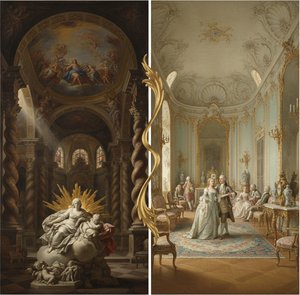
From Grandeur to Grace: Exploring the Evolution of Baroque & Rococo Art
Explore the captivating evolution from Baroque's drama to Rococo's grace! Discover key artists, characteristics & lasting influence of these art movements with expert insights at OriginalUniqueArt.

バロック美術を極めた至宝:時代を彩る10大名作の世界
バロック美術の華!カラヴァッジョ、ベルニーニら巨匠が創り上げた10大名作を徹底解剖。ドラマチックな色彩と豪華絢爛の世界観に触れ、至宝のアートプリントで空間を彩ろう。OriginalUniqueArt.comで美術館品質の複製と洗練されたインテリアを見つけましょう!

The Dramatic Flourish: Exploring the Baroque Movement's Enduring Legacy in Art History
Explore the dramatic world of Baroque art! Discover iconic artists like Caravaggio & Rubens, defining techniques, and its lasting impact on art history. Expert insights for collectors & enthusiasts at OriginalUniqueArt.

バロックのドラマ:現代のインテリアに壮麗さと情感を取り込む
バロック様式の歴史、絵画、家具の魅力をご紹介。OriginalUniqueArtでは、高品質な油絵複製やカスタムポートレートをご提供し、現代のインテリアに壮麗さと情感を取り入れます。アートコンサルテーションも承ります。