
 設置イメージを確認
 送る
送る シェア
シェア
 詳細情報
詳細情報 ガイドを表示

 画像をダウンロード
 似ている作品
 X線調査
X線調査 スライドショー
 Q&A
Q&A 統計情報
統計情報The Competition

- 34.0 x 43.0 cm


 続きを読む
続きを読む
ジークレー/アートプリント
スピーディーな制作と多彩な仕上げオプションが魅力の、ミュージアムクオリティなジークレー・キャンバスプリント。 ( 手描きの複製画を注文する デジタル画像販売へ切り替え)




P118B ¥10

P118H ¥10

P118W ¥10

P438Z ¥10

P508JH ¥12

P508YH ¥12

P805H ¥10

P805Z ¥10

P919BZ ¥10

P919G ¥10

P919XJ ¥10

P959ZH ¥10

P968JZ ¥12

W106C ¥8

W218G ¥10

W218JH ¥8

W218Y ¥10

W307PJ ¥10

W316G ¥10

W316PJ ¥8

W316Y ¥10

W398PJ ¥8

W4111J ¥10

W500HY ¥15

W500JH ¥15

W692G ¥12

W849H ¥8

W940BG ¥15

W953PJ ¥8




作品のオリジナル比率に合わせた、当店の規定サイズからお選びください。

額縁や壁のスペースに合わせて、ご希望の幅と高さを入力してください。プリントはカットすることは可能ですが、元の画像より大きくすることはできないため、異なる比率のサイズを選択された場合は、画像の一部が欠けることになります。印刷を開始する前に、内容を確認していただくためのデジタルモックアップをお送りいたします。このページに表示されている画像は、実際のカット後の状態を示すものではありません。実際の仕上がりはモックアップにてご確認ください。


 ガラスオプションは、110cm未満のサイズでのみご利用いただけます。

The Competition
ジークレー/アートプリント
複製画サイズ一覧
-


合計金額
¥ 12626
A Moment of Shared Intensity: Unveiling Fragonard’s “The Competition”
Jean-Honoré Fragonard's "The Competition," painted around 1780-1785, isn’t merely a depiction of a social gathering; it’s a vibrant snapshot of the burgeoning Rococo era, brimming with playful observation and subtle eroticism. Captured in delicate pastel hues and executed with his signature loose brushwork, the scene unfolds within a richly appointed interior – likely a salon belonging to the influential Duc de Chabot – where a group of elegantly dressed individuals are engaged in a spirited contest. The painting immediately draws the eye, not through dramatic action, but through the palpable sense of shared intensity radiating from each participant. It’s a tableau vivant, frozen in a moment of intellectual and social engagement, hinting at unspoken desires and competitive spirit.
Fragonard masterfully employs light to guide our gaze. A warm, diffused glow illuminates the figures, casting soft shadows that accentuate their postures and expressions. Notice how he uses highlights to draw attention to details – the intricate folds of a gown, the focused concentration on a child’s face, the subtle gestures of amusement or frustration. This careful manipulation of light isn't just aesthetic; it contributes significantly to the painting’s overall atmosphere, creating an illusion of depth and inviting us into this intimate scene.
The Rococo Setting: A World of Pleasure and Intrigue
To fully appreciate “The Competition,” one must understand the context of its creation – the height of the Rococo period. This era, characterized by a rejection of rigid formality in favor of elegance, pleasure, and sensuality, profoundly influenced Fragonard’s artistic style. The setting itself is crucial: the opulent interior, with its richly colored fabrics, ornate furniture, and carefully arranged details, speaks to the wealth and sophistication of the patrons who commissioned such works. The presence of two clocks – one on the wall, the other closer to the foreground – subtly underscores the theme of time and competition, adding a layer of complexity to the scene.
Furthermore, the painting reflects the social dynamics of the time. The gathering is not simply a casual meeting; it’s a carefully orchestrated display of status and wit. The children, engrossed in their reading and writing exercises, represent the next generation being groomed for positions of power and influence. The adults, observing their efforts with amusement and encouragement, embody the values of patronage and social obligation. It's a microcosm of 18th-century French society – a world where appearances mattered, and social interactions were often laden with hidden meanings.
Symbolism and Subtext: A Dance of Desire
While outwardly appearing to be a scene of intellectual pursuit, “The Competition” is rife with subtle symbolism. The children’s engagement in reading and writing can be interpreted as a metaphor for the acquisition of knowledge and social skills – essential tools for navigating the complexities of aristocratic life. However, Fragonard doesn't shy away from hinting at more playful interpretations. The glances exchanged between the figures, the suggestive postures, and the overall atmosphere of flirtation suggest an underlying current of desire and intrigue.
The painting’s title itself is deliberately ambiguous. Is it a genuine competition, or merely a pretext for social interaction and veiled courtship? Fragonard leaves this question open to interpretation, inviting viewers to engage with the scene on multiple levels. The artist's skill lies in his ability to create an image that is both visually appealing and intellectually stimulating – a testament to the enduring power of Rococo art.
A Legacy of Grace: Reproduction and Artistic Appreciation
Reproductions of “The Competition” offer a remarkable opportunity to experience Fragonard’s artistry firsthand. OriginalUniqueArt's hand-painted reproductions capture the delicate brushwork, vibrant colors, and nuanced details of the original painting with exceptional fidelity. Whether displayed in a grand salon or a cozy study, this captivating artwork will undoubtedly serve as a conversation starter and a source of aesthetic pleasure for years to come. Consider commissioning a reproduction – a tangible connection to a pivotal moment in art history.
よくあるご質問
「The Competition」はどのような作品ですか?
カタログ内では、ジャン=オノレ・フラゴナール作「The Competition」はWallArtとして分類されています。このカテゴリーを活用することで、類似の作品を探すことができます。
「The Competition」の作者と制作年はいつですか?
ジャン=オノレ・フラゴナールによる「The Competition」は、1785年に制作されました。
ジャン=オノレ・フラゴナール作「The Competition」は、強いコントラストを用いた構成でしょうか、それとも柔らかな調和を重んじた構成でしょうか?
「The Competition」では、Gentleな対比とUnified Paletteな調和が共存しています。
アーティストについて
光に包まれた人生:ジャン=オノレ・フラゴナールの世界
1732年、フランスのグラースで生まれたジャン=オノレ・フラゴナールは、壮大な野心からではなく、家族と共にパリへ静かに移住することから芸術への旅を始めました。当初、日常生活と繊細な観察の名手であるジャン・シメオン・シャルダンに師事し、若きフラゴナールは絵筆とキャンバスの可能性に初めて触れました。しかし、真の様式的な基礎が築かれたのは、ルイ15世宮廷の画家として知られるフランソワ・ブーシェのアトリエでした。ブーシェの影響は、優雅なフォルム、繊細な色彩、そしてフラゴナールの作品を特徴づける遊び心への愛を彼に植え付けました。1752年に権威あるローマ賞を受賞したことは画期的な瞬間となり、数年間イタリアの古典世界に没頭する機会を与えました。この時期は単なる古代巨匠の模倣ではなく、目覚めでした。後に自身のユニークなビジョンに注ぎ込まれる活気と官能を吸収するチャンスだったのです。ロココ様式の巨匠:快楽と陰謀の祝祭
パリに戻ったフラゴナールは、台頭してきたロココ運動における主要人物として急速に確立しました。これは単なる様式を採用することではなく、快楽、親密さ、そして人生のつかの間の美しさを称える世界観を体現することでした。彼の絵画は壮大な公共展示のために描かれたのではなく、秘密を囁き、隠された欲望を示唆する作品を求める貴族たちのプライベートサロンのために制作されました。おそらく最も象徴的な作品である『ぶらんこ』は、この精神を完璧に表現しています。若い女性が遊び心たっぷりに靴を蹴り飛ばし、司教が彼女のぶらんこを押す中、隠れた恋人が下から見上げています。それはいたずらっぽいエネルギーとベールに包まれたエロティシズムに満ちた場面です。他の作品『鍵』や『愛の誓い』もまた、秘密めいた出会いや魅力と抑制の間の繊細なダンスを探求し続けています。フラゴナールは単に愛のシーンを描写したのではなく、雰囲気を作り出し、官能的でありながら少し危険なムードを生み出しました。彼の筆致はますます流動的で自発的になり、外観だけでなく、つかの間の瞬間の本質をも捉えました。サロンを超えて:実験と進化する様式
フラゴナールは確立されたアートの世界でかなりの成功を収めましたが、その慣習に縛られることを好まなかったアーティストでした。彼はキャリアを通じてさまざまなジャンルや技法を実験し、驚くべき多様性を示しました。初期の歴史画への試みは当初賞賛されましたが、彼自身を完全に満足させることはできませんでした。より親密で個人的な主題を探求することに大きな自由を見出しました。新古典主義との短い関わり合いは、ドニ・ディデロの肖像画などに明らかであり、同時代の芸術的傾向に関与する彼の意欲を示しましたが、最終的にはロココ様式が彼の遺産を定義しました。彼はまた、熟練した起稿家でもあり、線とフォルムに対する彼の卓越した習熟を示す無数のスケッチやドローイングを作成しました。これらは単なる準備研究ではありませんでした。それらはしばしばそれ自体で芸術作品であり、顕著な感性をもってつかの間の印象や親密な瞬間を捉えました。時代を超えて残る遺産
フランス革命は芸術的趣味に劇的な変化をもたらし、フラゴナールの軽快で貴族的な様式は支持を失いました。彼は一時故郷のグラースに退却しましたが、政治的混乱が収まるとパリに戻りました。この時期にはルーブル美術館で行政職を務めましたが、彼の創造的アウトプットは減少しました。しかし、彼の影響力は後世の世代のアーティストたちに受け継がれました。色彩、光、官能への彼の強調は印象派への道を開き、遊び心のある精神とアカデミックな制約からの解放は、より自由な芸術制作を促しました。今日、フラゴナールの作品は世界中の美術館で祝われ、パリのルーブル美術館からワシントンの国立美術館まで、その美しさ、機知、そして永続的な魅力を観客に届け続けています。彼の絵画は私たちに、人生が味わわれるべきであり、快楽がそれ自体で芸術形式であると見なされた時代を思い出させてくれます。注目作品&コレクション
- 『ぶらんこ』(L'Escarpolette):ロンドンのウォレス・コレクション – ロココ様式の典型的な例。
- 『鍵』:OriginalUniqueArtで詳細を確認 - 家庭内の陰謀と遊び心のある緊張感に満ちた魅力的な場面。
- 『愛の誓い』:OriginalUniqueArtでフラゴナールの作品について詳しく知る – ロマンチックな献身を繊細に描いた作品。
- 若い少女読書:アートワークデータベースに掲載されており、彼の肖像画と光の習熟度を示しています。
- 作品はまた、ルーブル美術館、グラース大聖堂、メトロポリタン美術館、フリック・コレクションでも目立つように展示されています。

ジャン=オノレ・フラゴナール
1732 - 1806 , フランス
アーティスト情報
- Artistic Movement Or Style: ロココ
- Artists Or Movements Influenced By This Artist: 後続の美術運動
- Artists Who Influenced This Artist:
- フランソワ・ブーシェ
- シャルル=アンドレ・ヴァン・ルー
- Date Of Birth: 1732年4月4日
- Date Of Death: 1806年8月22日
- Full Name: ジャン=オノレ・フラゴナール
- Nationality: フランス人
- Notable Artworks (List Of Titles):
- 「ブランコ」
- 「手紙」
- 「愛の誓い」
- Place Of Birth (City And Country): フランス、グラース
関連記事

華麗なるロココ:芸術史を彩る10大傑作の世界
華麗なるロココ美術の世界へ。バロックから生まれた優雅な芸術、その10大傑作を徹底解説!ブーシェ、フロマンなど巨匠たちの技と物語を紐解き、お部屋を彩るアートを見つけよう。OriginalUniqueArt.comで至高の美術館品質レプリカとインテリアアイデアを発見。
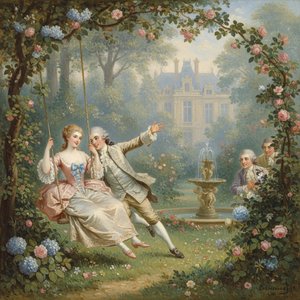
The Rococo Reverie of Fragonard: Love, Leisure & Pleasure in 18th-Century France
Explore the captivating world of Jean-Honoré Fragonard! Discover his Rococo masterpieces, intimate portraits & the allure of 18th-century French art. Learn about 'The Progress of Love' and more at OriginalUniqueArt.

The Rococo Aesthetic: Opulence, Rebellion & the Pursuit of Pleasure in 18th-Century Art
Explore the opulent world of Rococo art! Discover its origins, key artists like Watteau & Boucher, and lasting influence on design. Expert insights for collectors & enthusiasts.

The Allure of Elegance in Art: A Historical & Aesthetic Exploration of Refinement & Grace
Explore the exquisite world of Rococo art! Discover its history, masters (Watteau, Boucher & more), and defining elegance. Expert insights for collectors seeking museum-quality reproductions & custom portraits.

Illuminating the Enlightenment: A Comprehensive Exploration of 18th-Century Painting
Explore the captivating world of 18th-century painting! Discover Rococo's playful elegance & Neoclassicism’s Enlightenment ideals with expert insights into Fragonard, David, and more. A comprehensive guide for art enthusiasts.


