

 送る
送る シェア
シェア
 詳細情報
詳細情報 ガイドを表示

 画像をダウンロード
 似ている作品
 スライドショー
 統計情報
統計情報Nymph


 続きを読む
続きを読む
ジークレー/アートプリント
スピーディーな制作と多彩な仕上げオプションが魅力の、ミュージアムクオリティなジークレー・キャンバスプリント。 ( 手描きの複製画を注文する デジタル画像販売へ切り替え)




































作品のオリジナル比率に合わせた、当店の規定サイズからお選びください。

額縁や壁のスペースに合わせて、ご希望の幅と高さを入力してください。プリントはカットすることは可能ですが、元の画像より大きくすることはできないため、異なる比率のサイズを選択された場合は、画像の一部が欠けることになります。印刷を開始する前に、内容を確認していただくためのデジタルモックアップをお送りいたします。このページに表示されている画像は、実際のカット後の状態を示すものではありません。実際の仕上がりはモックアップにてご確認ください。


 ガラスオプションは、110cm未満のサイズでのみご利用いただけます。

Nymph
ジークレー/アートプリント
複製画サイズ一覧
-


合計金額
¥ 12582
The Enigmatic Nymph: A Renaissance Reverie
Jean Goujon’s “Nymph,” a marble sculpture dating back to 1548, is more than just a depiction of a mythological figure; it's a distilled essence of the High Renaissance, a moment captured in cool, luminous stone. The image before us—a meticulously documented photograph from the Walters Art Museum—offers a rare glimpse into the artist’s profound understanding of both classical form and the sensual grace that defined this pivotal era. The sculpture immediately draws the eye with its poised elegance, a testament to Goujon's mastery of capturing movement within static material. The figure isn’t merely posed; she seems to be caught in an eternal gesture—a reaching, a contemplation—imbued with a quiet dignity that transcends the limitations of marble.
The choice of marble itself is crucial. It lends the sculpture an inherent luminosity, reflecting light and creating subtle gradations of tone that bring the drapery to life. Goujon’s technique demonstrates a remarkable command of texture; you can almost feel the cool smoothness of the stone against the delicate folds of her garment. The artist doesn't simply carve; he sculpts, coaxing form from the unyielding material with an intuitive understanding of how light interacts with surface. Notice particularly the way the drapery clings to the body, suggesting both weight and fluidity—a masterful balance achieved through careful observation and painstaking execution.
A Symphony of Classical Influence
Goujon’s work is deeply rooted in the classical ideals that were being revived during the Renaissance. The sculpture echoes the elegant proportions and idealized forms of ancient Greek sculpture, particularly those found on monuments like the Erechtheum at Athens. However, Goujon doesn't simply replicate; he adapts these principles to his own unique style, imbuing them with a distinctly Mannerist sensibility. This is evident in the elongated figures, the subtle distortions of form, and the heightened emotional expression—elements that were characteristic of the period.
The influence of Italian Renaissance sculpture, particularly the work of artists like Rosso Fiorentino, is also palpable. Goujon embraced the dynamism and sensuality of Mannerism, moving away from the rigid formality of earlier styles. The Nymph’s pose, with its upward reach and slightly tilted head, conveys a sense of yearning or perhaps even playful mischief—a far cry from the stoic composure often found in classical sculpture. The composition itself is carefully balanced, creating a harmonious visual experience that delights the eye.
Symbolism and Mythological Resonance
As a depiction of a nymph – a spirit of nature closely associated with springs, rivers, and forests – the figure embodies themes of fertility, beauty, and mystery. Nymphs were often depicted as attendants to goddesses like Artemis or Dionysus, representing the wildness and untamed aspects of the natural world. The sculpture’s serene expression suggests a connection to this deeper realm, inviting contemplation and perhaps even a sense of wonder.
The specific gesture—the raised arm reaching towards an unseen object—is open to interpretation. It could represent a desire for connection, a longing for something beyond the immediate world, or simply a moment of quiet reflection. Regardless of its precise meaning, this gesture adds a layer of emotional depth to the sculpture, transforming it from a mere representation of a mythological figure into a powerful symbol of human experience.
A Legacy in Stone
Jean Goujon’s “Nymph” stands as a testament to his exceptional talent and his profound understanding of art history. Created during a period of intense artistic innovation, the sculpture embodies the spirit of the Renaissance—a celebration of beauty, knowledge, and human potential. Its enduring appeal lies not only in its technical brilliance but also in its ability to evoke a sense of timeless grace and mystery. Reproductions of this exquisite piece offer a remarkable opportunity to bring this masterpiece into any setting, allowing its elegance and symbolism to enrich our lives.
The presence of the “© Walters Art Museum” watermark reminds us that this image is part of a rich artistic heritage, carefully preserved for future generations. It’s an invitation to delve deeper into the world of Renaissance sculpture and to appreciate the enduring legacy of Jean Goujon—a sculptor who shaped Parisian elegance and left an indelible mark on the history of art.
よくあるご質問
ジャン・グジョン作「Nymph」は、どのような感情を伝えていますか?
「Nymph」は、Reflectiveな感情を呼び起こします。この情緒的なトーンは、作品が与える印象を表しています。
「Nymph」は、ジャン・グジョンのキャリアにおけるどの時期の作品でしょうか?
ジャン・グジョンの画業において、「Nymph」はLate Renaissanceに制作されたものです。この時期を知ることで、同アーティストの他の作品との比較検討が可能になります。
「Nymph」のFrench Renaissanceの背景には、どの国のルーツがあるのでしょうか?
「Nymph」は、その作者の出生地を通じて、French Renaissance運動とフランスを結びつけています。
アーティストについて
パリのエレガンスを形作った彫刻家
ジャン・グジョン(1510年頃 – 1567年頃)は、フランス・ルネサンスにおける彫刻と建築の礎石として君臨しています。彼の作品は、マニエリスム特有の様式的な熱情を体現しながらも、同時に古典的な理想に深く根ざしたものでした。ノルマンディーに生まれた彼の若き日は、霧に包まれたかのように謎に満ちていますが、その多作な活動は、彼を瞬く間にこの時代の最も重要な芸術的表現者の一人へと押し上げました。それは、彼の類まれなる才能と、職人技への揺るぎない献身の証でもあります。グジョンの芸術的な旅路はイタリアでの形成期から始まりました。そこで彼はローマ彫刻の壮大さを吸収し、その原理を自身の独特な様式へと融合させていったのです。この影響は彼の全作品を通じて肌で感じることができ、特に衣襞(ドレーパリー)の見事な扱いと、解剖学的な精密さにおいて顕著に現れています。
彼の芸術的な飛躍は、ルーアン大聖堂(1541-42年)での活動から始まりました。そこで彼は、アネ領主ルイ・ド・ブレゼの墓碑彫刻という記念碑的な任務を引き受けます。この依頼は、彼の芽生えつつあった技術と野心を世に知らしめるものとなりました。この意欲的なプロジェクトによって、彼はフランス彫刻界における新星としての地位を確固たるものにしたのです。同時に、彼はサン・マクロ教会において建築家としての腕を磨き、芸術的ビレンと構造工学を融合させる天賦の才を発揮しました。完成した建造物は、ルネサンス期における教会建築の壮麗な模範であり、美的な美しさと機能的な誠実さの両方に対するグジョンの情熱を今に伝えています。
先見的な壮大さを分かち合うパートナーシップ
1544年にパリへと移ったグジョンは、サン=ジェルマン=レクスロワ教会の野心的な再建を指揮していた建築家ピエール・レスコと、極めて重要なパートナーシップを結びました。二人は共に、息をのむような彫刻装飾を構想し、実行に移しました。その白眉とも言えるのが説教壇です。これはレスコの新古典主義的な感性と、グジョンの卓越した衣襞技法が見事に融合した傑作でした。この共同作業の時代はフランス・ルネサンスの視覚的言語を定義づけ、グジョンは石に流動的な動きと、この世のものとは思えない優美さを吹き込み始めたのです。
彼の影響力の頂点は、おそらくルーヴル美術館への貢献において最も顕著に見ることができます。クール・カレ(レスコ翼)のファサードにおける彼の仕事は、フランス芸術の輝きを反映した緻密な彫刻を通じて古典的なエレガンスを披露しており、今なお象徴的な業績として残っています。これらの作品では、彫り込まれた人物像に落ちる光と影の繊細な相互作用を観察することができ、それは冷たい大理石に生命を吹き込む彼の卓越した能力の証です。その熟練の技はルーヴルのファサード(細部)にも及び、そこでは細部への極めて精緻なこだわりがマニエリスム様式の傑作を生み出し、古典的な優雅さと複雑な彫刻を融合させ、数世紀を経た今も見る者を魅了し続けています。
優美さと古典的形式の遺産
グジョンの遺産は、マニエリスムの緊張感と古典主義の静謐さを調和させる比類なき能力によって定義されます。彼の彫刻には、建築的な背景の中に浮かんでいるかのようなニンフや寓意像がしばしば登場しますが、その技法が最も有名な形で結実しているのがカリアティード(女像柱)です。これら10体の見事な人物像は、16世紀フランス・ルネサンス彫刻の頂点を象徴しており、見る者に古典的な壮大さと洗練されたエレガンスをもたらします。これらの作品を通じて、グジョンは単に建物を装飾しただけではありません。彼はフランス的な美意識の洗練という、そのアイデンティティそのものを彫り上げたのです。
解剖学や衣襞への彼のアプローチは、後の世代のヨーロッパの芸術家たちに多大な影響を与えたため、彼の作品の歴史的重要性はいくら強調してもしすぎることはありません。重厚な石を流動的でリズム感のある形態へと変貌させる彼の能力は、彼の死後も長く続くフランス古典主義の基準を確立しました。今日、ルーヴルの翼に見られる緻密な細部から、建築装飾への深い影響に至るまで、彼の天才の残滓は、真にパリのエレガンスを形作った人物への永続的な証として存在しています。

ジャン・グジョン
1510 - 1567 , フランス
アーティスト情報
- Artistic Movement Or Style: マニエリスム
- Artists Or Movements Influenced By This Artist: ['フランス古典主義']
- Artists Who Influenced This Artist: ['ミケランジェロ']
- Date Of Birth: 1510年頃、フランス・ノルマンディー
- Date Of Death: 1567年頃
- Full Name: ジャン・グジョン
- Nationality: フランス
- Notable Artworks:
- ニンフ(細部)
- ピエタ
- 戦争と平和
- イノサン教会噴水
- ルーヴル美術館の彫刻
- Place Of Birth: フランス、ノルマンディー
関連記事

The Enduring Form: Exploring Themes & Techniques in Sculpture Across Historical Periods
Explore the rich history of sculpture from ancient masterpieces to contemporary innovations. Discover key techniques, influential artists & investment potential for discerning art collectors.
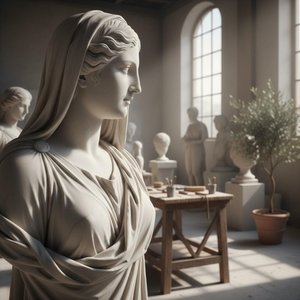
Timeless Elegance: A Complete Guide to the Sublime Beauty and Artistry of Marble Sculpture
Discover the sublime beauty of marble art through an expert exploration of Renaissance and Neoclassical masterpieces. From the delicate textures of Carpeaux to the grandeur of Sansovino, immerse yourself in a guide to timeless elegance and sculptural perfection.

Bronze Sculptures That Defined Art History | OriginalUniqueArt
Journey through art history with our Top 10 bronze sculptures! Explore masterpieces by Rodin, Michelangelo & more. Discover stories behind iconic statues and find museum-quality reproductions for your home decor at OriginalUniqueArt.com.

Bronze Age to Modern Masters: 10 Sculptures That Redefined Art | OriginalUniqueArt
Journey through art history with 10 legendary bronze sculptures – from Michelangelo's David to Rodin’s Thinker. Explore the stories, techniques & timeless beauty of these masterpieces. Find museum-quality reproductions & elevate your home decor on OriginalUniqueArt.com.

The Enduring Allure of Marble in Art History: From Classical Sculpture to Modern Abstraction
Explore the captivating history of marble sculpture from ancient Greece to modern art. Discover renowned artists like Canova & Michelangelo, carving techniques, and investment insights at OriginalUniqueArt.