

 設置イメージを確認
 送る
送る シェア
シェア
 詳細情報
詳細情報 ガイドを表示

 画像をダウンロード
 似ている作品
 X線調査
X線調査 スライドショー
 Q&A
Q&A 統計情報
統計情報Diane and the Stag
 Acrylic On Canvas
- WallArt
- Mannerist Sculpture
 1550
1550 211.0 x 258.0 cm
 ルーブル美術館
 続きを読む
続きを読む
ジークレー/アートプリント
スピーディーな制作と多彩な仕上げオプションが魅力の、ミュージアムクオリティなジークレー・キャンバスプリント。 ( 手描きの複製画を注文する デジタル画像販売へ切り替え)




P118B ¥10

P118H ¥10

P118W ¥10

P438Z ¥10

P508JH ¥12

P508YH ¥12

P805H ¥10

P805Z ¥10

P919BZ ¥10

P919G ¥10

P919XJ ¥10

P959ZH ¥10

P968JZ ¥12

W106C ¥8

W218G ¥10

W218JH ¥8

W218Y ¥10

W307PJ ¥10

W316G ¥10

W316PJ ¥8

W316Y ¥10

W398PJ ¥8

W4111J ¥10

W500HY ¥15

W500JH ¥15

W692G ¥12

W849H ¥8

W940BG ¥15

W953PJ ¥8




作品のオリジナル比率に合わせた、当店の規定サイズからお選びください。

額縁や壁のスペースに合わせて、ご希望の幅と高さを入力してください。プリントはカットすることは可能ですが、元の画像より大きくすることはできないため、異なる比率のサイズを選択された場合は、画像の一部が欠けることになります。印刷を開始する前に、内容を確認していただくためのデジタルモックアップをお送りいたします。このページに表示されている画像は、実際のカット後の状態を示すものではありません。実際の仕上がりはモックアップにてご確認ください。


 ガラスオプションは、110cm未満のサイズでのみご利用いただけます。

Diane and the Stag
ジークレー/アートプリント
複製画サイズ一覧
-


合計金額
¥ 12587
The Enigmatic Huntress: Jean Goujon’s “Diane and the Stag”
Jean Goujon's "Diane and the Stag," painted around 1550, isn't merely a depiction of a hunt; it’s a carefully constructed tableau brimming with allegorical weight and Renaissance grace. The painting immediately draws the eye to its central figure: Diane, the Roman goddess of the hunt, rendered in exquisite detail against a subtly textured background. She sits poised on a simple pedestal, her posture radiating both strength and serene contemplation – a captivating blend of predatory instinct and contemplative awareness. The deer at her feet aren’t passive victims; they possess an alert, almost intelligent gaze, suggesting a complex relationship between hunter and hunted, predator and prey. The composition isn't chaotic; rather, it’s meticulously balanced, reflecting the humanist ideals that were blossoming during the High Renaissance.
Goujon’s mastery lies in his ability to infuse classical motifs with a distinctly Mannerist sensibility. Notice the elongated forms of Diane’s limbs and the delicate drapery cascading around her – hallmarks of this style, which prioritized elegance and stylized movement over strict realism. The use of light is particularly noteworthy; it's diffused and atmospheric, creating a sense of depth and mystery within the scene. The muted palette—earth tones punctuated by subtle hints of crimson—contributes to the painting’s overall mood of quiet intensity.
A Tapestry of Symbolism
Beyond its aesthetic beauty, “Diane and the Stag” is rich in symbolic meaning. Diane herself represents not just the hunt but also chastity, virtue, and the wildness of nature. The stag, a frequent symbol in Renaissance art, embodies nobility, strength, and even sacrifice – qualities often associated with Diana’s role as a protector of young women. The two antlers above her head are particularly intriguing; they could be interpreted as representations of a goat or even a stylized depiction of the moon, adding layers of mythological allusion to the scene. The inclusion of the deer at her feet isn't simply decorative; it underscores the cyclical nature of life and death, mirroring the hunt’s inherent drama.
Furthermore, the painting can be viewed as an allegory for the human condition – a meditation on themes of control versus instinct, beauty versus brutality. Diane’s deliberate stance suggests a mastery over her surroundings, yet the presence of the deer reminds us of our vulnerability and dependence on the natural world. It's a delicate dance between power and submission, order and chaos.
Craftsmanship and Context
Goujon was one of the most prominent sculptors and architects of his time, working primarily in Rouen and later in Paris. His career coincided with a period of immense artistic innovation, as French art moved away from the rigid conventions of the Gothic era and embraced the dynamism and expressive qualities of the Renaissance. “Diane and the Stag” exemplifies this transition, showcasing Goujon’s ability to synthesize classical influences with his own unique style.
The painting was likely commissioned for a private patron, perhaps a wealthy nobleman or member of the court. The subject matter—a hunt scene—was popular during the Renaissance, reflecting the aristocratic pursuit of sport and the idealized vision of nature as a source of pleasure and prestige. It’s believed to have been part of a larger decorative scheme within a lavish interior, adding a touch of elegance and sophistication to its surroundings.
A Legacy of Elegance
“Diane and the Stag” remains a captivating work of art, offering viewers a glimpse into the artistic sensibilities of the High Renaissance. Its masterful composition, evocative symbolism, and exquisite craftsmanship continue to resonate today, inspiring admiration for Goujon’s skill and vision. Reproductions of this painting capture not only its visual beauty but also the profound depth of meaning embedded within its intricate details – a timeless testament to the enduring power of art to illuminate the human experience.
よくあるご質問
ジャン・グジョン作「Diane and the Stag」の配色(パレット)はどのように表現されていますか?
ジャン・グジョン作「Diane and the Stag」は、Earthyなカラーパレットを使用しています。この配色が、作品全体の色彩的特徴を象徴しています。
ジャン・グジョン作「Diane and the Stag」の色調は、鮮やかですか、それとも落ち着いていますか?
「Diane and the Stag」の色は、彩度がBalanced Soft、強度がBalancedです。
「Diane and the Stag」の色彩は、どの程度鮮やかですか?
「Diane and the Stag」のパレットは、彩度がBalanced Softです。
アーティストについて
パリのエレガンスを形作った彫刻家
ジャン・グジョン(1510年頃 – 1567年頃)は、フランス・ルネサンスにおける彫刻と建築の礎石として君臨しています。彼の作品は、マニエリスム特有の様式的な熱情を体現しながらも、同時に古典的な理想に深く根ざしたものでした。ノルマンディーに生まれた彼の若き日は、霧に包まれたかのように謎に満ちていますが、その多作な活動は、彼を瞬く間にこの時代の最も重要な芸術的表現者の一人へと押し上げました。それは、彼の類まれなる才能と、職人技への揺るぎない献身の証でもあります。グジョンの芸術的な旅路はイタリアでの形成期から始まりました。そこで彼はローマ彫刻の壮大さを吸収し、その原理を自身の独特な様式へと融合させていったのです。この影響は彼の全作品を通じて肌で感じることができ、特に衣襞(ドレーパリー)の見事な扱いと、解剖学的な精密さにおいて顕著に現れています。
彼の芸術的な飛躍は、ルーアン大聖堂(1541-42年)での活動から始まりました。そこで彼は、アネ領主ルイ・ド・ブレゼの墓碑彫刻という記念碑的な任務を引き受けます。この依頼は、彼の芽生えつつあった技術と野心を世に知らしめるものとなりました。この意欲的なプロジェクトによって、彼はフランス彫刻界における新星としての地位を確固たるものにしたのです。同時に、彼はサン・マクロ教会において建築家としての腕を磨き、芸術的ビレンと構造工学を融合させる天賦の才を発揮しました。完成した建造物は、ルネサンス期における教会建築の壮麗な模範であり、美的な美しさと機能的な誠実さの両方に対するグジョンの情熱を今に伝えています。
先見的な壮大さを分かち合うパートナーシップ
1544年にパリへと移ったグジョンは、サン=ジェルマン=レクスロワ教会の野心的な再建を指揮していた建築家ピエール・レスコと、極めて重要なパートナーシップを結びました。二人は共に、息をのむような彫刻装飾を構想し、実行に移しました。その白眉とも言えるのが説教壇です。これはレスコの新古典主義的な感性と、グジョンの卓越した衣襞技法が見事に融合した傑作でした。この共同作業の時代はフランス・ルネサンスの視覚的言語を定義づけ、グジョンは石に流動的な動きと、この世のものとは思えない優美さを吹き込み始めたのです。
彼の影響力の頂点は、おそらくルーヴル美術館への貢献において最も顕著に見ることができます。クール・カレ(レスコ翼)のファサードにおける彼の仕事は、フランス芸術の輝きを反映した緻密な彫刻を通じて古典的なエレガンスを披露しており、今なお象徴的な業績として残っています。これらの作品では、彫り込まれた人物像に落ちる光と影の繊細な相互作用を観察することができ、それは冷たい大理石に生命を吹き込む彼の卓越した能力の証です。その熟練の技はルーヴルのファサード(細部)にも及び、そこでは細部への極めて精緻なこだわりがマニエリスム様式の傑作を生み出し、古典的な優雅さと複雑な彫刻を融合させ、数世紀を経た今も見る者を魅了し続けています。
優美さと古典的形式の遺産
グジョンの遺産は、マニエリスムの緊張感と古典主義の静謐さを調和させる比類なき能力によって定義されます。彼の彫刻には、建築的な背景の中に浮かんでいるかのようなニンフや寓意像がしばしば登場しますが、その技法が最も有名な形で結実しているのがカリアティード(女像柱)です。これら10体の見事な人物像は、16世紀フランス・ルネサンス彫刻の頂点を象徴しており、見る者に古典的な壮大さと洗練されたエレガンスをもたらします。これらの作品を通じて、グジョンは単に建物を装飾しただけではありません。彼はフランス的な美意識の洗練という、そのアイデンティティそのものを彫り上げたのです。
解剖学や衣襞への彼のアプローチは、後の世代のヨーロッパの芸術家たちに多大な影響を与えたため、彼の作品の歴史的重要性はいくら強調してもしすぎることはありません。重厚な石を流動的でリズム感のある形態へと変貌させる彼の能力は、彼の死後も長く続くフランス古典主義の基準を確立しました。今日、ルーヴルの翼に見られる緻密な細部から、建築装飾への深い影響に至るまで、彼の天才の残滓は、真にパリのエレガンスを形作った人物への永続的な証として存在しています。

ジャン・グジョン
1510 - 1567 , フランス
アーティスト情報
- Artistic Movement Or Style: マニエリスム
- Artists Or Movements Influenced By This Artist: ['フランス古典主義']
- Artists Who Influenced This Artist: ['ミケランジェロ']
- Date Of Birth: 1510年頃、フランス・ノルマンディー
- Date Of Death: 1567年頃
- Full Name: ジャン・グジョン
- Nationality: フランス
- Notable Artworks:
- ニンフ(細部)
- ピエタ
- 戦争と平和
- イノサン教会噴水
- ルーヴル美術館の彫刻
- Place Of Birth: フランス、ノルマンディー
関連記事
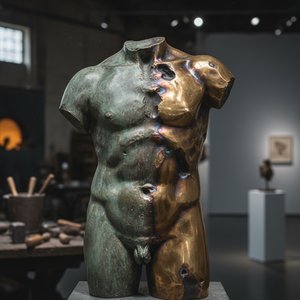
青銅彫刻の永続的遺産:歴史、技法、そして現代における解釈
青銅彫刻の歴史、技法、現代における解釈を専門家が解説。古代から現代までの貴重な作品群を深く理解し、コレクションや投資に役立つ情報を提供します。美術品鑑定、修復についてもご紹介。

Bronze Age to Modern Masters: 10 Sculptures That Redefined Art | OriginalUniqueArt
Journey through art history with 10 legendary bronze sculptures – from Michelangelo's David to Rodin’s Thinker. Explore the stories, techniques & timeless beauty of these masterpieces. Find museum-quality reproductions & elevate your home decor on OriginalUniqueArt.com.

The Enduring Form: Exploring Themes & Techniques in Sculpture Across Historical Periods
Explore the rich history of sculpture from ancient masterpieces to contemporary innovations. Discover key techniques, influential artists & investment potential for discerning art collectors.

Bronze Sculptures That Defined Art History | OriginalUniqueArt
Journey through art history with our Top 10 bronze sculptures! Explore masterpieces by Rodin, Michelangelo & more. Discover stories behind iconic statues and find museum-quality reproductions for your home decor at OriginalUniqueArt.com.

The Enduring Form: Sculpture Across History, Technique & Emotional Resonance
Explore the rich history of sculpture with OriginalUniqueArt. Discover key techniques, influential artists & investment potential for discerning collectors. Expert insights into valuing and collecting timeless masterpieces.