

 設置イメージを確認
 送る
送る シェア
シェア
 詳細情報
詳細情報 ガイドを表示

 画像をダウンロード
 似ている作品
 X線調査
X線調査 スライドショー
 統計情報
統計情報“The Hunt”


 続きを読む
続きを読む
ジークレー/アートプリント
スピーディーな制作と多彩な仕上げオプションが魅力の、ミュージアムクオリティなジークレー・キャンバスプリント。 ( 手描きの複製画を注文する デジタル画像販売へ切り替え)




P118B $10

P118H $10

P118W $10

P438Z $10

P508JH $12

P508YH $12

P805H $10

P805Z $10

P919BZ $10

P919G $10

P919XJ $10

P959ZH $10

P968JZ $12

W106C $8

W218G $10

W218JH $8

W218Y $10

W307PJ $10

W316G $10

W316PJ $8

W316Y $10

W398PJ $8

W4111J $10

W500HY $15

W500JH $15

W692G $12

W849H $8

W940BG $15

W953PJ $8




作品のオリジナル比率に合わせた、当店の規定サイズからお選びください。

特定のフレームやスペースに合わせて、ご自身でサイズを指定することも可能です。選択されたサイズが元の画像の比率と一致しない場合、作品をトリミングするか、鏡面反射または単色での塗りつぶしによって画像を拡張いたします。制作を開始する前に、ご確認用のデジタルモックアップをお送りいたします。
画面上のプレビューには、実際のトリミングや拡張は反映されませんのでご注意ください。最終的な構図を正確に確認できるのは、モックアップのみとなります。
カスタムサイズも承っておりますが、元の比率を維持するためには、あらかじめ用意されたリストからサイズを選択することをお勧めいたします。


 ガラスオプションは、110cm未満のサイズでのみご利用いただけます。

“The Hunt”
ジークレー/アートプリント
複製画サイズ一覧
-


合計金額
$ 80
A Symphony of Motion: Rediscovering Jean-François Demay’s “The Hunt”
In the grand tradition of nineteenth-century French genre painting, few works capture the visceral energy and aristocratic splendor of the era quite like “The Hunt” by Jean-François Demay. Painted in 1837, this sweeping oil on canvas serves as a window into a bygone world of prestige, adrenaline, and the rugged elegance of the chase. At first glance, the viewer is swept into a whirlwind of movement; the composition is a masterclass in dynamic arrangement, where the rhythmic gallop of horses and the spirited pursuit of hounds create a sense of breathless anticipation. Demay does not merely depict a scene; he orchestrates a moment of high drama, inviting the observer to step into the midst of a lively hunting party where every brushstroke contributes to the palpable excitement of the hunt.
The technical prowess displayed in this work is nothing short of extraordinary, making it a centerpiece worthy of the most discerning collectors. Demay utilizes a rich, layered oil technique to render the textures of the natural world—the muscular tension of the horses, the coarse fur of the hunting dogs, and the dappled light filtering through the canopy of trees. The artist employs a sophisticated palette that balances earthy, grounded tones with sudden bursts of light, guiding the eye across the canvas from the central group of riders to the peripheral figures scattered throughout the landscape. For interior designers, this painting offers a profound sense of depth and narrative complexity, capable of anchoring a room with its classical weight while providing a conversational focal point that evokes the romanticism of the French countryside.
Beyond the mere depiction of an outdoor activity, “The Hunt” carries deep symbolic resonance regarding the relationship between humanity, animal instinct, and the untamed landscape. The presence of at least twelve figures, some mounted in commanding positions and others navigating the terrain on foot, suggests a social hierarchy and a shared communal ritual. The dogs, scattered throughout the composition with varying degrees of intensity, act as conduits of raw energy, bridging the gap between the civilized riders and the wilder elements of nature. This interplay between controlled movement and primal instinct creates an emotional impact that is both exhilarating and nostalgic. It is a piece that celebrates the vigor of life, making it an ideal acquisition for those looking to infuse their spaces with a sense of historical grandeur, vitality, and timeless artistic sophistication.
アーティストについて
Eugène Delacroix: A Revolutionary Soul of French Romanticism
Eugène Delacroix, born Ferdinand Victor Eugène Delacroix on April 26, 1798, in Charenton-Saint-Maurice near Paris, was more than just a painter; he was a catalyst for artistic change. His life, marked by both privilege and profound personal tragedy, fueled an extraordinary creative output that irrevocably shaped the course of French art and profoundly influenced generations of artists to come. From his early childhood immersed in a world of aristocratic refinement and familial loss, to his groundbreaking embrace of Romanticism, Delacroix’s journey is one of passionate exploration, dramatic innovation, and ultimately, enduring legacy.Early Life and Influences: A Foundation Built on Contrasts
Delacroix's upbringing was a complex tapestry woven with threads of both comfort and sorrow. Born into a family deeply rooted in the French court – his mother descended from the Oeben-Riesener cabinetmaking dynasty, and his father held prominent positions within the government – he enjoyed a relatively privileged existence. However, this stability was shattered by the untimely death of his father when Eugène was only six years old, followed tragically by his mother’s passing in 1814. These early losses instilled in him a sense of vulnerability and loneliness that would permeate much of his work, often manifesting as themes of loss, passion, and the struggle against adversity. Despite these personal hardships, Delacroix received an excellent education, attending the Lycée Impérial (now the Lycée Louis-le-Grand) in Paris. It was here he developed a deep appreciation for classical literature and art, particularly drawn to the works of Raphael, Michelangelo, Titian, Rubens, and Poussin at the Louvre Museum. Crucially, his artistic development was profoundly influenced by Théodore Géricault, a fellow artist whose daring realism and exploration of contemporary social issues served as a powerful model. Delacroix’s early exposure to the dramatic compositions and emotional intensity of Géricault's *The Raft of the Medusa* (1819) proved pivotal in shaping his own artistic vision.The Rise of Romanticism: Color, Emotion, and Dramatic Subject Matter
Delacroix emerged as a leading figure in the burgeoning movement of French Romanticism – an artistic reaction against the rigid formalism of Neoclassicism. Unlike the idealized forms and restrained palettes favored by his contemporaries, Delacroix sought to capture the raw power of emotion, the dynamism of life, and the sublime beauty of nature. He rejected the classical emphasis on reason and order in favor of intuition, passion, and subjective experience. His early works, such as *Dante and Virgil in Hell* (1824), demonstrated his mastery of color and composition, employing a vibrant palette and dramatic lighting to evoke intense emotional responses. The painting’s swirling forms and turbulent atmosphere were revolutionary for the time, signaling a departure from the static, carefully controlled compositions of Neoclassical art. Delacroix's fascination with historical events – particularly those involving conflict and heroism – became a recurring theme in his work. *The Massacre at Scio* (1824), depicting the brutal suppression of the Greek uprising against the Ottoman Empire, exemplifies this interest, showcasing his ability to convey both the horror of violence and the spirit of resistance.Iconic Masterpieces: Liberty Leading the People and Beyond
Perhaps Delacroix’s most celebrated work is *Liberty Leading the People* (1830), a monumental depiction of the July Revolution that overthrew King Charles X. This iconic image, now housed in the Louvre, transcends mere historical documentation; it embodies the spirit of freedom and revolution itself. The dynamic composition, featuring a bare-breasted woman symbolizing Liberty holding aloft the French flag, alongside fallen revolutionaries and determined citizens, captures the fervor and chaos of the uprising with breathtaking intensity. Beyond *Liberty Leading the People*, Delacroix produced a remarkable body of work that explored a wide range of themes – from exotic subjects inspired by his travels in Morocco to poignant portraits of friends and family. *Death of Sardanapalus* (1827), a dramatic portrayal of the Assyrian king’s demise, showcases his mastery of color and composition, while *The Women of Algiers in their Apartment* (1834-35) reflects his fascination with Orientalism and his ability to capture the sensuality and exoticism of North Africa.Legacy and Influence: A Lasting Impact on Art History
Eugène Delacroix died on August 13, 1863, in Paris, leaving behind a legacy that continues to resonate throughout the art world. His innovative use of color, his embrace of dramatic composition, and his willingness to explore emotionally charged subjects profoundly influenced generations of artists – particularly the Impressionists. Artists like Monet, Renoir, and Degas acknowledged Delacroix’s influence on their own work, recognizing his pioneering approach to capturing light, color, and movement. Delacroix's emphasis on subjective experience and emotional expression helped pave the way for modern art, solidifying his place as one of the most important figures in French artistic history. His paintings remain powerful testaments to the enduring power of Romanticism and the transformative potential of an artist’s vision.
jean-françois demay
1798 - 1850 , France
アーティスト情報
- Artistic Movement Or Style: Romanticism
- Artists Or Movements Influenced By This Artist: ['Impressionists']
- Artists Who Influenced This Artist:
- Rubens
- Tintoretto
- Date Of Birth: April 26, 1798
- Date Of Death: August 13, 1863
- Full Name: Eugène Delacroix
- Nationality: French
- Notable Artworks:
- Liberty Leading the People
- Death of Sardanapalus
- Place Of Birth: Charenton-Saint-Maurice, France
関連記事
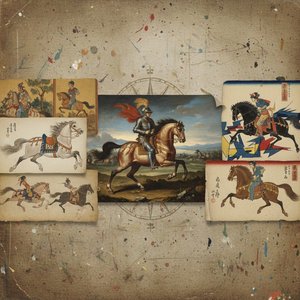
The Noble Steed on Canvas: A Historical & Artistic Exploration of Horse Painting Across Cultures
Explore the rich history of horse painting! Discover masterpieces from Stubbs to Munnings & learn about symbolism, techniques & artists. Find museum-quality reproductions at OriginalUniqueArt.

The Enduring Power of Painting: A Historical & Contemporary Exploration of Form and Emotion
Explore the rich history & enduring techniques of oil painting with OriginalUniqueArt. Discover masterpieces, learn about art collecting, and find authentic handmade reproductions crafted by skilled artists.

The Equine Muse: A Historical & Artistic Exploration of Horses in Painting
Explore the captivating history of horses in painting! Discover Renaissance masterpieces, Baroque grandeur & expert insights for collecting equestrian art. Learn about symbolism, techniques & lasting value with OriginalUniqueArt.

The Enduring Legacy of Oil on Canvas: Technique, History & Aesthetic Impact
Explore the rich history & techniques of oil painting – from Renaissance masters to Impressionism. Discover pigments, layering methods, and why this timeless medium endures. Expert insights for artists & art enthusiasts.

Oil on Canvas: A Historical & Technical Exploration of a Timeless Artistic Medium
Explore the rich history & enduring techniques of oil painting on canvas. Discover the science behind its longevity, conservation practices, and contemporary relevance. Expert insights for art enthusiasts.