
 設置イメージを表示
 シェアする
シェアする シェアする
シェアする
 詳細を見る
詳細を見る ガイドを表示

 ダウンロード
 似ている作品
 X線調査
X線調査 スライドショーを表示
 Q&A
Q&A 統計情報
統計情報Self-Portrait

- 61.0 x 49.0 cm


 詳細を表示
詳細を表示
ジークレー/アートプリント
スピーディーな制作と多彩な仕上げオプションが魅力の、ミュージアムクオリティなジークレー・キャンバスプリント。 ( 手描き複製画を注文する デジタル画像販売へ切り替え)




P118B ¥10

P118H ¥10

P118W ¥10

P438Z ¥10

P508JH ¥12

P508YH ¥12

P805H ¥10

P805Z ¥10

P919BZ ¥10

P919G ¥10

P919XJ ¥10

P959ZH ¥10

P968JZ ¥12

W106C ¥8

W218G ¥10

W218JH ¥8

W218Y ¥10

W307PJ ¥10

W316G ¥10

W316PJ ¥8

W316Y ¥10

W398PJ ¥8

W4111J ¥10

W500HY ¥15

W500JH ¥15

W692G ¥12

W849H ¥8

W940BG ¥15

W953PJ ¥8




作品のオリジナル比率に合わせた、当店の規定サイズからお選びください。

額縁や壁のスペースに合わせて、ご希望の幅と高さを入力してください。プリントはカットすることは可能ですが、元の画像より大きくすることはできないため、異なる比率のサイズを選択された場合は、画像の一部が欠けることになります。印刷を開始する前に、内容を確認していただくためのデジタルモックアップをお送りいたします。このページに表示されている画像は、実際のカット後の状態を示すものではありません。実際の仕上がりはモックアップにてご確認ください。


 ガラスオプションは、110cm未満のサイズでのみご利用いただけます。

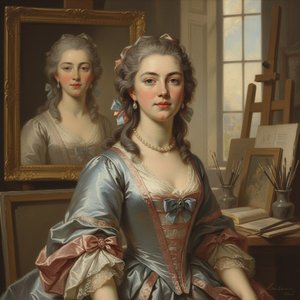
Self-Portrait
ジークレー/アートプリント
複製画サイズ一覧
-


合計金額
¥ 12798
Jean-Étienne Liotard’s “Self-Portrait,” A Window into Rococo Introspection
The year 1744 marks a pivotal moment in the artistic trajectory of Jean-Étienne Liotard, a Genevan painter whose oeuvre is defined by an exquisite blend of naturalism and ethereal beauty. His “Self-Portrait,” housed within the hallowed halls of the Uffizi Gallery in Florence, isn’t merely a depiction of a man; it's a carefully constructed meditation on identity, perception, and the delicate balance between the observed world and the inner self. Painted during his period in Rome, this pastel masterpiece exemplifies Liotard’s signature style – a luminous, almost dreamlike quality achieved through masterful layering and an unparalleled sensitivity to light and texture.
Liotard's technique is immediately striking. He eschews the rigid formality of traditional portraiture, opting instead for a relaxed pose and a gaze that feels both direct and contemplative. The pastel medium itself—a relatively new tool in 18th-century art—allowed Liotard to build up color with astonishing subtlety, creating an effect akin to sfumato, the hazy blurring technique perfected by Leonardo da Vinci. Notice how he employs delicate washes of pinks, blues, and greens to capture the nuances of light on his face and clothing, imbuing the portrait with a sense of atmospheric depth. The background, rendered in loose, impressionistic strokes, isn’t merely decorative; it subtly reinforces the feeling of introspection, suggesting an inner landscape mirroring the sitter's thoughts.
A Genevan Artist Embraces the Orient
Born in Geneva in 1702, Liotard’s early life was shaped by his Huguenot heritage and a rigorous artistic training under esteemed miniaturists. However, it was his sojourn to Constantinople between 1738 and 1742 that profoundly influenced his artistic vision. Immersed in the vibrant culture of the Ottoman Empire, he developed a fascination with Eastern aesthetics – particularly the use of rich colors, luxurious fabrics, and the portrayal of everyday life. This influence is subtly present in “Self-Portrait,” not through overt Orientalist tropes, but rather through the overall mood of serenity and an appreciation for tactile textures. The loose brushwork and soft color palette evoke a sense of exoticism without resorting to stereotypical imagery.
Interestingly, Liotard’s embrace of the East wasn't solely aesthetic; it was also deeply personal. He deliberately adopted Turkish dress in his portraits, a conscious decision that challenged European conventions and established him as a unique figure within the art world. This choice, documented in numerous accounts, reflected not just an artistic preference but a genuine engagement with a culture vastly different from his own. It’s a testament to Liotard's intellectual curiosity and willingness to transcend conventional boundaries.
Symbolism of Inner Reflection
Beyond its technical brilliance, “Self-Portrait” is rich in symbolic meaning. The sitter’s direct gaze invites the viewer into his world, fostering a sense of intimacy and shared contemplation. The slightly parted lips suggest a quiet amusement, while the subtle furrow of his brow hints at underlying thoughts and emotions. Some art historians have interpreted the portrait as an exploration of the concept of “inner space”—a realm where the self is revealed through careful observation and artistic representation.
The inclusion of a small, partially visible book in the foreground adds another layer of complexity. It’s a subtle nod to Liotard's own intellectual pursuits – his studies of art theory and his role as an art dealer. The book symbolizes knowledge, reflection, and the pursuit of understanding—qualities that are central to the portrait’s overall message. The soft lighting and hazy atmosphere further contribute to this sense of introspection, creating a space where the viewer is invited to contemplate not just the subject's appearance but also his inner world.
A Timeless Masterpiece for Collectors
Liotard’s “Self-Portrait” remains a captivating work of art, offering a rare glimpse into the mind and soul of a remarkable artist. Its delicate pastel technique, evocative atmosphere, and profound symbolism continue to resonate with viewers centuries after its creation. A high-quality reproduction captures much of this beauty, making it an ideal addition to any collection or interior space. The painting’s luminous quality and contemplative mood create a sense of serenity and intellectual engagement—a perfect choice for those seeking art that transcends mere decoration.
Q&A
ジャン=エティエンヌ・リオタール作「Self-Portrait」は、どのような情緒や感情を表現していますか?
ジャン=エティエンヌ・リオタール作「Self-Portrait」が醸し出す雰囲気はElegantであり、その感情的なトーンはReflectiveです。
拡張現実(AR)を使って、自分の部屋にジャン=エティエンヌ・リオタール作「Self-Portrait」を配置して見ることはできますか?
ジャン=エティエンヌ・リオタール作「Self-Portrait」のARで見るページでは、対応端末を使用して拡張現実(AR)により、作品をご自身の空間に表示してご確認いただけます。
ジャン=エティエンヌ・リオタール作「Self-Portrait」 の基調となる色は何ですか?
「Self-Portrait」の中で最も際立っている色はClay (#a67555)です。作品の主色(メインカラー)を知ることは、インテリアとのコーディネートを考える際に役立ちます。
作家プロフィール
生い立ち、家族、そして修行の時代
ジャン=エティエンヌ・リオタールは、1702年12月22日、スイスのジュネーヴにその生を受けた。彼の家族は、1685年の政情不安を逃れてジュネーヴへと身を寄せたフランス系プロテスタントの家系であった。彼には双子の兄弟ジャン=ミシェルがおり、後に彼自身も素描家や彫刻家として独自の道を歩むことになる。両親の流転の歴史によって形作られたこの幼少期の環境は、その後に続く研鑽の歳月の礎として、静謐で規律ある精神を彼に植え付けたのである。
彼の本格的な芸術教育は、ジュネーヴにおいてダニエル・ガルデル教授とプチトーという師の指導のもとで始まった。この初期の学びの中で、彼はエナメル画やミニチュア画という、極めて繊細な技術を習得していく。それらは、揺るぎない手の安定さと、細部に対する鋭い観察眼を必要とするものだった。こうした形成期に培われた卓越した技術的精密さは、彼がスイスの国境を越え、より広い世界へと視線を向けるずっと前から、後の芸術活動を決定づけるものとなったのである。
1725年、若き芸術家はさらなる飛躍を求めてパリへと渡る。彼はジャン=バティスト・マッセの工房で3年間の歳月を過ごしたが、それは形式的な徒弟制度というよりも、むしろ実務的な労働に近い経験であった。当時の彼は、自らの生計を立てるために既存の作品を数多く模写する助手として、日々黙々と筆を動かしていた。パリの芸術界という熱気の中に身を投じ、当時の流行や美意識に直接触れたこの実地経験こそが、後に彼をオスマン帝国へと導くことになる壮大な旅路への、不可欠な準備期間となったのである。
コンスタンティノープルでの生活と活動
1738年から4年間にわたるコンスタンティノープルでの滞在は、ジャン=エティエンヌ・リオタールの芸術家としての歩みを根本から変えることとなりました。オスマン帝国の熱気の中に身を投じた彼は、東洋の美学に対して深い、魂を揺さぶるような魅惑を抱くようになります。それは単なる異国情緒への一時的な好奇心ではありませんでした。彼は、自身のルーツであるジュネーブとは遠くかけ離れた文化が持つ、独特の質感や色彩を真に理解しようと試みていたのです。その観察眼は極めて緻密であり、家庭的な生活の静謐さや、現地特有の習慣の細部にまで鋭く向けられていました。
リオタールは、単なる傍観者としてその世界を眺めていたわけではありませんでした。彼は現地の生活様式を自らのものとし、日常的にトルコ風の衣装を身に纏っていたのです。その装いはあまりに徹底していたため、やがて彼は「トルコ風の画家」という異名さえ授けられることになります。都市の社会的な営みの中に自らを溶け込ませることで、彼は普通の旅人が決して目にすることのできない、親密でプライベートな情景へと足を踏み入れることができました。この時期に描かれたパステル画は、当時のオリエンタリズム作品にありがちな表面的な描写を超越し、そこに確かに存在する生活の息遣いを感じさせる、圧倒的な実在感を湛えています。
- タンブリンを持つトルコ人女性 (1738年)
- 座るトルコ人 (1740年頃)
技法と芸術的様式
ジャン=エティエンヌ・リオタールの芸術へのアプローチは、自然主義に対する厳格なまでの献身に根ざしていました。彼の著書である『絵画の原理と規則に関する論考』の中で、彼は絵画の目的とは「自然を映し出す鏡」であるべきだと説いています。この哲学は、油彩、版画、そして彼の最も特徴的な媒体であるパステルにおいて、常にその筆致を導く指針となっていました。彼は、当時の肖像画にしばしば見られた作為的な虚飾を避け、世界をありのままの精密さで捉えようと試みたのです。
パステル画における彼の卓越した技術は、同時代の他の画家たちには到底真似できないほどの、光輝くような輝き(ルミノシティ)を作品に与えました。彼は単に色彩を表面に塗るのではなく、パステルを支持体に力強く押し付けることで、色の階調に深い奥行きを生み出したのです。この技法を実現するためには、画材に対する特別な準備が欠かせませんでした。彼はしばしば、子牛や山羊、羊の皮を用いたヴェラム(羊皮紙)を支持体として使用しました。そこには、色彩を幾重にも重ねていくために必要な質感を出すべく、魚の膠、ワイン、そして微細な軽石の粉を混ぜ合わせたものが施されていたのです。
こうした技術的な精密さは、布地の繊細な質感や、人間の肌が持つ柔らかなニュアンスを見事に描き出す手腕に顕著に表れています。彼の肖像画は、光の繊細な扱いを通じて、描かれた人物の固有の個性を捉えた驚くべき細密さで知られています。旅を通じて手に入れたエキゾチックな主題を扱いながらも、その手法の本質は、常にモデルに対する真実に基づいた観察に置かれていたのです。
代表作と傑作の数々
ジャン=エティエンヌ・リオタールの芸術人生において、1744年は極めて重要な転換点となりました。この時期、『チョコレートを飲む少女』や、極めて印象的な『自画像』といった傑作が誕生したのです。後者は現在、フィレンツェのウフィツィ美術館に所蔵されており、パステルという媒体を通じて、彼自身の内面的なアイデンティティを垣間見せてくれます。この作品において、彼はパステルを幾層にも重ねる繊細な技法で色彩を構築し、まるで空気感さえも閉じ込めたかのような奥行きを見事に表現しました。光のニュアンスと質感を見事に捉える彼の卓越した手腕は、当時の伝統的な肖像画にありがちだった硬い形式主義から彼を解き放ち、独自の表現へと昇華させたのです。
また、ヨーロッパの知識人層との交流も、彼の作品には色濃く反映されています。1745年に完成した『フランチェスコ・アルガロッティの肖像』は、その証左と言えるでしょう。このパステル画は、流動的で光に満ちた質感で被写体を捉え、繊細な階調の変化によって哲学者の知的なキャラクターを際立たせています。同様に、幼い被写体を描き出す卓越した技術は、ロサンゼルスのJ・ポール・ゲティ美術館に収蔵されている『7歳のマリア・フレデリケ・ファン・レーデ=アトローン』にも見て取ることができます。これらの肖像画は、外見的な類似性を写し取るだけでなく、そこに生きる人物の「存在感」までも描き出す、驚くべき均衡感覚を示しています。
キャリアの後半に入ると、彼の関心は故郷の風景へと広がっていきました。1770年に制作された『ジュネーヴの画室から望むモンブラン山塊、自画像と共に』は、その到達点の一つです。このキャンバスに描かれた油彩画は、大きな窓越しに広がるスイス・アルプスの壮大な景色を描き出し、外の世界の雄大な自然と、画室という静謐な内的な空間を一つに融合させています。写実主義と、光や遠近感に対する柔らかく、あたかも印象派を予感させるようなアプローチを融合させたこの作品は、彼の芸術的才能を物語る極めて重要な遺産として、今なお輝きを放っています。
晩年と最期
ジャン=エティエンヌ・リオタールの人生の最後の十年は、初期の鋭い観察眼に基づいた写実性から、自身の技術に対するより理論的な探求へと、その関心が深化していった時期として記憶されています。1781年、彼は自身の芸術的信念を体系化した論考、絵画の原理と規則に関する論考を出版しました。この著作は、単なる形態の模倣を超え、絵画という媒体が持つ根本的な原理にまで踏み込んだものであり、彼が生涯をかけて積み重ねてきた技術的探求の結晶といえるでしょう。
芸術の知的基盤へと関心が移り変わる一方で、彼の画家の手は、最後までアトリエの中で生き生きと動き続けていました。彼は創作という肉体的な営みを止めることはなく、晩年になっても静物画や風景画を精力的に描き続けました。自然の静謐さや、そこに置かれた物の配置に焦点を当てたこれらの晩年の作品は、彼の代名詞ともいえる肖像画の数々と並び、絶え間ない創作活動の証として世に送り出されました。彼はまさに、最期までアトリエに魂を捧げた芸術家だったのです。
その後、ジャン=エティエンヌ・リオタールは、商人であるアントワーヌとアンヌ・ソヴァージュの間に生まれた故郷、ジュネーヴへと帰還しました。彼は、この見慣れた風景の中で、1789年6月12日にその生涯を閉じました。その死は、激動の時代が幕を開ける直前の出来事でした。彼は、18世紀初頭の緻密な細部へのこだわりと、啓蒙主義末期の移ろいゆく美意識との間に架け橋を築くような、比類なき作品群を後世に残したのです。
今日、その作品を辿る旅へ
ジャン=エティエンヌ・リオタールの作品は、ヨーロッパ各地、そして海を越えて広く分散しており、その卓越した技術の精緻さを多角的に研究することを可能にしています。アムステルダムのライクスミュージアムには、彼の媒体に対する圧倒的な習熟を物語る13点もの作品が収蔵されており、最も充実したコレクションを誇ります。一方、ロンドンのロイヤル・コレクションには10点の作品が保存されており、かつて英国のエリートたちの間で親しまれた肖像画の面影を今に伝えています。また、より親密で繊細な探求の跡を求めるならば、ジュネーヴの美術館・歴史博物館が、彼のパステル画や素描の重要なコレクションを大切に守り続けています。
世界的な主要美術館における彼の存在感は、今なお揺るぎないものです。ロサンゼルスのJ・ポール・ゲティ美術館には4点の作品が所蔵され、フィレンツェのウフィツィ美術館には、1744年に描かれた自画像が静かに佇んでいます。スイス・アルプスから地中海へと点在するこれらの作品は、ヨーロッパとオスマン帝国の文化圏を往来し続けた、彼の波乱に満ちた生涯を物語る物理的な地図のようでもあります。
- 1744年:自画像 - フィレンツェ、ウフィツィ美術館
- 1744年:チョコレートの少女 - ドレスデン、ギャラリー・マインツ
- 1754年:ヨーク公兼アルバニー公エドワード王子の肖像 - ロンドン、ロイヤル・コレクション
- 1756年:七歳のマリア・フレデリケ・ファン・レーデ=アトローン - ロサンゼルス、J・ポール・ゲティ美術館

ジャン=エティエンヌ・リオタール
1702 - 1789 , スイス
プロフィール概要
- Artists Who Influenced This Artist:
- ダニエル・ガルデル
- プチトー
- ジャン=バティスト・マッセ
- フランソワ・ルモワン
- Date Of Birth: 1702年
- Date Of Death: 1789年
- Full Name: ジャン=エティエンヌ・リオタール
- Nationality: スイス
- Notable Artworks:
- 朝食のオランダの少女
- ラ・リズーズ
- チョコレートの少女
- ラ・ベル・リオネーズ
- 七歳のマリア・フレデリケ・ファン・レーデ=アトローン
- Place Of Birth: スイス、ジュネーヴ
関連記事

The Introspective Gaze: Tracing the Evolution and Psychological Depth of the Self-Portrait
Explore the psychological evolution of self-portraiture from Dürer to modern masters. Trace the history of the human gaze with us.
Jean-Étienne Liotard: Rococo Portraiture & the Pursuit of Naturalism
Explore the exquisite Rococo portraits of Jean-Étienne Liotard, a master of pastel and enamel. Discover his innovative techniques, captivating Turkish scenes, and lasting influence on art history. Learn more at OriginalUniqueArt.

Jean-Marc Nattier: Rococo Portraiture & Aristocratic Patronage
Explore the exquisite Rococo portraits of Jean-Marc Nattier, favored by French aristocracy. Discover his artistic techniques, patronage network, and lasting legacy – a guide for discerning collectors.

Beyond Decor: How Custom Historical Portraits Redefine Modern Self-Expression
Discover how custom historical portraits transcend decor to become profound expressions of identity. Explore the artistry of bespoke oil reproductions, from Renaissance mastery to modern reimagining, and learn to transform personal legacies into museum-quality fine art masterpieces.

25 Iconic Masterpieces by Henri de Toulouse-Lautrec: Capturing the Spirit of Montmartre
Step into the vibrant nightlife of Montmartre with our curated guide to the top 25 Henri de Toulouse-Lautrec masterpieces. Explore the soul of Post-Impressionism through iconic prints and museum-quality reproductions. Discover all masterpieces on OriginalUniqueArt.com.