
 設置イメージを表示
 シェアする
シェアする シェアする
シェアする
 詳細を見る
詳細を見る ガイドを表示

 ダウンロード
 似ている作品
 X線調査
X線調査 スライドショーを表示
 Q&A
Q&A 統計情報
統計情報Jean de la Barre

- 284.0 x 200.0 cm


 詳細を表示
詳細を表示
ジークレー/アートプリント
スピーディーな制作と多彩な仕上げオプションが魅力の、ミュージアムクオリティなジークレー・キャンバスプリント。 ( 手描き複製画を注文する デジタル画像販売へ切り替え)




P118B ¥10

P118H ¥10

P118W ¥10

P438Z ¥10

P508JH ¥12

P508YH ¥12

P805H ¥10

P805Z ¥10

P919BZ ¥10

P919G ¥10

P919XJ ¥10

P959ZH ¥10

P968JZ ¥12

W106C ¥8

W218G ¥10

W218JH ¥8

W218Y ¥10

W307PJ ¥10

W316G ¥10

W316PJ ¥8

W316Y ¥10

W398PJ ¥8

W4111J ¥10

W500HY ¥15

W500JH ¥15

W692G ¥12

W849H ¥8

W940BG ¥15

W953PJ ¥8




作品のオリジナル比率に合わせた、当店の規定サイズからお選びください。

額縁や壁のスペースに合わせて、ご希望の幅と高さを入力してください。プリントはカットすることは可能ですが、元の画像より大きくすることはできないため、異なる比率のサイズを選択された場合は、画像の一部が欠けることになります。印刷を開始する前に、内容を確認していただくためのデジタルモックアップをお送りいたします。このページに表示されている画像は、実際のカット後の状態を示すものではありません。実際の仕上がりはモックアップにてご確認ください。


 ガラスオプションは、110cm未満のサイズでのみご利用いただけます。

Jean de la Barre
ジークレー/アートプリント
複製画サイズ一覧
-


合計金額
¥ 12810
Jean de la Barre: A Portrait of Renaissance Dignity
The portrait of Jean de la Barre, executed by Jean Clouet in 1520, stands as a testament to the artistic fervor and humanist ideals that characterized the French Renaissance. More than just a depiction of an individual, it embodies a broader cultural preoccupation with portraying human character—a fascination born from the rediscovery of classical texts and fueled by burgeoning intellectual curiosity. This artwork isn’t merely aesthetically pleasing; it's imbued with layers of meaning reflecting the anxieties and aspirations of its time.- Subject Matter: Jean de la Barre was a prominent diplomat and humanist scholar, serving as ambassador to England during Francis I’s reign. Clouet skillfully captured his dignified countenance—a man of considerable intellect and influence—reflecting the values championed by the humanist movement. The sitter's gaze directs outwards, suggesting contemplation and engagement with the wider world beyond the confines of the court.
- Style: Clouet’s style exemplifies the Flemish tradition brought to France during this period. He eschewed flamboyant ornamentation in favor of a restrained elegance that prioritized accuracy and subtlety. The artist meticulously rendered every detail, from the folds of Barre's clothing to the texture of his beard—a hallmark of Renaissance portraiture.
- Symbolism: The pose of Jean de la Barre—seated upright, hands clasped in contemplation—communicates a sense of inner strength and moral integrity. The hat he wears symbolizes status and authority, reflecting his position as ambassador and scholar. Furthermore, the artist’s meticulous attention to detail serves as a visual metaphor for humanist scholarship itself: every element contributes to a comprehensive understanding of the subject.
Q&A
ジャン・クルエ作「Jean de la Barre」の活用方法や、おすすめの設置スペースについて教えてください。
「Jean de la Barre」はAccentに最適で、Living Roomへの飾るのがおすすめです。
ジャン・クルエ作「Jean de la Barre」は、Renaissance Portraitureの作品の中でも、特に需要の高いものなのでしょうか?
カタログ内のRenaissance Portraitureの作品の中で、「Jean de la Barre」はRecognizedと記録されています。
ジャン・クルエ作「Jean de la Barre」の色使いは、どのような感情を呼び起こしますか?
「Jean de la Barre」では、Neutralsの色調がReflectiveな情緒を添えています。
作家プロフィール
宮廷の筆致:ジャン・クルエの生涯と芸術
フランス・ルネサンスの愛好家たちの間で、畏敬の念を込めて語り継がれる名、ジャン・クルエ。肖像画の歴史に多大な影響を与えたにもかかわらず、その人物像には今なお謎めいた魅力が漂っています。1480年頃、おそらくは低地地方のブリュッセルで生まれたとされていますが(確かな記録は乏しいのが現状です)、クルエの芸術的な旅路は、フランス国王フランソワ1世の宮廷において、最も切望される画家の一人へと彼を導きました。その出自にはいくらかの神秘が隠されています。「クルエ」という名が必ずしも彼の出生名ではなかったとしても、その名は、優雅さと芽生えつつあったヒューマニズムによって定義された時代の本質を捉えた、独特な様式の代名なるものとなりました。クルエの芸術的ビジョンを形作った初期の源泉については、いまだ推測の域を出ませんが、細部への緻密なこだわり、繊細な陰影、そして洗練された写実性といったフランドル派の訓練の証は、彼の作品の中に紛れもなく息づいています。彼はブリュッセルですでに確立されていた芸術家の一族と繋がりがあり、それが彼の卓越した技術の礎をさらに強固なものにしたと考えられています。フランス宮廷における昇華
1516年頃のフランス宮廷への登場は、クルエ自身のキャリアのみならず、王室肖像画の進化における決定的な転換点となりました。芸術の熱烈なパトロンであり、イタリア・ルネサンスの宮廷を模範とすることを決意していた国王フランソワ1世は、クルエの類まれなる才能を即座に見抜いたのです。壮大な歴史的物語や宗教的な場面に焦点を当てがちであったそれまでの宮廷画家たちとは異なり、クルエは王の側近――貴族、廷臣、そして王族――の容貌を捉えることに特化しました。彼は単に身体的特徴を記録していたのではありません。表情や姿勢の微細なニュアンスを通じて、その人物の性格を深く掘り下げていたのです。この心理的な洞察への転換こそが、彼の作品を際立たせるものでした。画家として、また衣裳侍従としての任命を経て、より権威ある地位へと昇り詰めたクルエは、当時の芸術家には稀なほどの寵愛を受けました。その報酬は高名な外科医に匹敵するほどであり、それはフランソレルギー1世がいかに彼の能力を高く評価していたかの証左といえます。彼は当初トゥールに拠点を置いていましたが、その後、宮廷とともにフォンテーヌブローへと移り、国王が育んだ活気あふれる芸術的雰囲気の不可欠な一部となりました。似姿を描く術:技法と様式
ジャン・クルエの真髄は、華美な色彩の誇示や劇的な構図にあるのではなく、静かで控えめな優雅さにありました。彼は主要な媒体として素描を好み、特に紙を用いた黒と赤のチョーク(赤チョーク)を駆使しました。これらの素描は単なる下書きではなく、それ自体が完成された作品であることが多く、繊細な線、柔らかな陰影、そして描かれた人物の個性を捉える驚異的な能力によって珍重されました。その技法は、筆致を緻密に重ね合わせることで、信じられないほどの精度で形態を構築していくものでした。油彩画――しばしばパネルに油彩を用いる手法――においても、彼は同様の洗練さを維持し、写実的でありながら理想化された肖像を生み出しました。絹の光沢、ベルベットの重厚感、肌の繊細な柔らかさといった質感を伝える超自然的な能力は、彼の作品にさらなる真実味を添えました。フランソワ1世が熱心に収集していたイタリア・ルネサンスの巨匠たちの影響を受けつつも、クルエの様式は一貫してフランス的であり、外的な壮大さよりも内面的な生命を捉えることに重点を置いた、ある種の抑制された美しさを特徴としていました。遺産と永続する影響
ジャン・クルエは1541年頃にパリで没しましたが、その芸術的遺産は生涯を超えて広がっていきました。息子のフランソワ・クルエは、父の技術と宮廷での地位を継承し、家族の伝統を守り抜きました。二人は、数世代にわたってフランス・ルネサンスの視覚的なイメージを形作った肖像画家の一族を築き上げたのです。19世紀におけるクルエの膨大な素描コレクションの再発見――その多くはシャンティイのコンデ美術館に収蔵されています――は、彼の作品への関心を再び呼び起こし、美術史における極めて重要な人物としての地位を不動のものにしました。彼の影は、単なる外見的な類似だけでなく、被写体の内なる本質を捉えようとした後世の肖像画家たちの作品の中にも見て取ることができます。クルエの手による肖察は、フランス宮廷の世界への比類なき窓となり、その時代の人物像や権力構造に対する貴重な洞察を与えてくれます。 彼の素描は今も世界中の美術館で大切に保管され、その美しさ、繊細さ、そして永続的な心理的深みによって、観る者を魅了し続けています。ジャン・クルエの芸術は、観察の力、素描の技術、そして紙とキャンバスの上に人間の精神を捉えることの時代を超えた魅力の証なのです。
ジャン・クルエ
1480 - 1541 , ベルギー
プロフィール概要
- Artistic Movement Or Style: ルネサンス肖像画
- Artists Or Movements Influenced By This Artist: ['フランソワ・クルエ']
- Date Of Birth: 1480年
- Date Of Death: 1541年
- Full Name: ジャン・クルエ
- Nationality: フランス
- Notable Artworks:
- 森の池
- 哀悼
- 恋人たち
- フランソワ1世の肖像
- フランスのマルグリット
- Place Of Birth: ベルギー、ブリュッセル
関連記事

Maurice Quentin de La Tour: Light, Shadow & the Rococo Portrait
Explore the captivating world of Maurice Quentin de La Tour, a master of Rococo portraiture. Discover his innovative pastel techniques, intimate depictions of French aristocracy, and lasting artistic legacy. Learn more at OriginalUniqueArt.

About Us
Discover our story! We bring world-class art into your life through expert curation, personalized creations, and free previews. Trusted by individuals and businesses since 2000.

ゴヤ傑作25選:スペインの魂を揺さぶる、深遠な芸術の世界 | OriginalUniqueArt
ゴヤ傑作25選:ロマン主義を代表するスペインの巨匠、フランシスコ・デ・ゴヤの世界へ。黒衣の女からマハまで、魂を揺さぶる絵画の物語と技法を紐解きます。OriginalUniqueArtで高品質なアートレプリカを見つけ、インテリアに深みと風格を。今すぐコレクションをご覧ください。
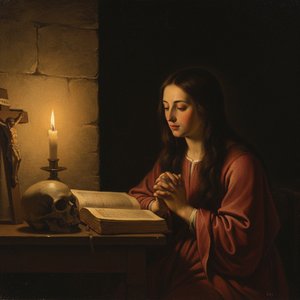
Georges de La Tour: Luminosity, Spirituality & Realism in Baroque Painting
Discover the captivating world of Georges de La Tour, a Baroque master renowned for his dramatic chiaroscuro & spiritual realism. Explore key works, influences, and his remarkable rediscovery. Learn more at OriginalUniqueArt.
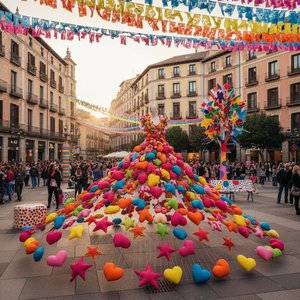
Águeda Ruiz de la Prada: A Study of Eclecticism & Emotional Resonance in Contemporary Spanish Painting
Discover the vibrant world of Ágatha Ruiz de la Prada, a leading figure in contemporary Spanish art. Explore her eclectic style, emotional depth & legacy – a must-read for discerning collectors.