

 シェアする
シェアする シェアする
シェアする
 詳細を見る
詳細を見る

 ダウンロード
 似ている作品
 スライドショー
 統計情報
統計情報Mercury


 詳細を見る
詳細を見る
ジークレー/アートプリント
迅速な制作と多彩な仕上げオプションを備えた、ミュージアムクオリティのジークレーまたはキャンバスプリント。 ( 手描きの絵画を購入 デジタル画像販売へ切り替え)




































作品のオリジナル比率に合わせた、当店の規定サイズからお選びください。

特定のフレームやスペースに合わせて、ご自身でサイズを指定することも可能です。選択されたサイズが元の画像の比率と一致しない場合、作品をトリミングするか、鏡面反射または単色での塗りつぶしによって画像を拡張いたします。制作を開始する前に、ご確認用のデジタルモックアップをお送りいたします。
画面上のプレビューには、実際のトリミングや拡張は反映されませんのでご注意ください。最終的な構図を正確に確認できるのは、モックアップのみとなります。
カスタムサイズも承っておりますが、元の比率を維持するためには、あらかじめ用意されたリストからサイズを選択することをお勧めいたします。


 ガラスオプションは、110cm未満のサイズでのみご利用いただけます。

Mercury
ジークレー/アートプリント
複製画のサイズ
-


合計金額
$ 80
The Divine Messenger in Marble: A Masterpiece of Neoclassical Grace
In the quiet stillness of polished marble, Jean-Baptiste Pigalle captures a moment of profound transition. His 1744 masterpiece, Mercury Attaching his Winged Sandals, is far more than a mere depiction of a mythological deity; it is a breathtaking embodiment of an era caught between the dramatic flourishes of the Baroque and the disciplined clarity of Neoclassicism. As the swift messenger of the gods, Mercury—or Hermes to the Greeks—is frozen in a gesture of earthly preparation. The sculpture portrays the god meticulously securing a strap of his sandal, a seemingly mundane act that serves as a brilliant juxtaposition to his divine, celestial nature. This delicate balance between the practical and the profound is what makes Pigalle’s work an enduring icon of artistic achievement.
The technical virtuosity displayed in this work is nothing short of extraordinary. Pigalle, a sculptor who mastered the language of anatomy, uses the luminous, smooth surface of the marble to breathe life into the divine form. One can almost feel the tension in the musculature and the fluid energy contained within the stone. The light plays across the polished contours of Mercury’s body, highlighting the anatomical precision that was the hallmark of his training at the Royal Academy. Despite the inherent stillness of the medium, there is a palpable sense of dynamic movement; the way the hair appears windblown and the subtle, youthful smile on his lips suggest a figure poised to take flight at any second. For the discerning collector or interior designer, such a piece offers a sophisticated focal point that commands attention through its elegance rather than through sheer volume.
Symbolism and the Spirit of an Age
Beyond its physical beauty, the sculpture is steeped in the intellectual fervor of the mid-18th century. During this period, the influence of Enlightenment thinkers like Voltaire encouraged a shift toward rationalism, clarity, and a renewed reverence for the moral strength of Greco-Roman antiquity. The winged sandals themselves are potent symbols, representing not only the physical speed of the messenger but also the spiritual pilgrimage and the boundless journeys of the human soul. Every element, from the weight of the petasos (the traveler's hat) to the intricate straps of the footwear, speaks to a period that sought to find perfection in balance and reason.
To possess or display a reproduction of this work is to invite a sense of classical stability and intellectual depth into a space. It serves as a bridge between worlds—connecting the modern viewer to the ancient myths that shaped Western civilization. Whether placed in a sunlit gallery, a refined study, or a grand living area, Pigalle’s Mercury radiates an aura of timelessness. It is a piece that does not merely decorate a room; it elevates the very atmosphere, offering a window into a moment of historical perfection where art, myth, and human intellect converged in a single, magnificent strike of the chisel.
アーティストの略歴
二つの世界の架け橋:ジャン=バティスト・ピガールが遺した彫刻のレガシー
1714年、フランスのトゥルヌに生を受けたジャン=バティスト・ピガールは、バロック様式の溢れんばかりのドラマ性と、台頭しつつあった新古典主義の明晰さとを繋ぐ、極めて重要な役割を果たした人物です。彼の生涯は、移ろいゆく芸術的嗜好の変遷とともにあり、その作品群はその進化を見事に体現しています。当初、大工であった父からは芸術の道を歩むことを阻まれていましたが、若きピガールの天賦の才は、リヨンの芸術家グロンダンに見出されました。グロンダンが彼の正式な修行を後押ししたことは、決定的な転機となりました。この師との出会いが礎となり、彼はフランスの複雑な芸術界を渡り歩き、彫刻史に消えることのない足跡を残すことになったのです。リヨンで技を磨いた後、パリへと移った彼は、王立アカデミーでの生体モデルの研究に没頭しました。初期の作品が必ずしもすべての人に称賛されたわけではありませんでしたが、その試行錯誤の中に、後の彼の軌跡を決定づける独立心が見て取れます。初期の成功とイタリアでの滞在
ピガールの最初の評価は、Le père de famille explきing la bible à ses enfants(子供たちに聖書を説く父親)やAveugle trompé(欺かれた盲人)といった作品によってもたらされました。これらの作品は、人間の感情と物語に対する鋭い洞察力を示すものでした。また、有力な審美眼を持つコレクター、ラ・リヴ・ド・ジュリーの支援が彼のキャリアをさらに押し上げ、1755年にはAveugle trompéの発表をもってアカデミーへの入会を果たしました。しかし、ルイ・グジュノー修道院長とともに過ごしたイタリアでの研鑽期間は、彼の芸術的発展にいくらかの混乱をもたらしました。視野を広げることを目的としていたものの、イタリアの影響は皮肉にも彼本来の様式的傾向から彼を逸らしてしまい、後に成熟期を象徴することとなる独自の表現力から、一時的な離脱を招いてしまったのです。しかし、この経験は貴重な教訓となり、自分自身の芸術的ビジョンに忠実であることの重要性を彼に再認識させることとなりました。創造性の絶頂と論争に満ちた評価
1759年から1765年にかけての数年間は、ピガールの創造性が頂点に達した時期です。この期間、彼は最も名高い彫刻作品を次々と生み出しました。悲哀を痛切に描き出したLa jeune fille qui pleイトう her dead bird(死んだ鳥を悼む少女)、母性の美徳を体現したLa bonne mère(良き母)、そしてルーヴル美術館に収蔵されている、道徳と報いというテーマを力強く伝えるLe mauvais fils puni(罰せられた悪息子)やLa malédiction paternelle(父の呪い)などです。しかし、彼の野心は彫刻という枠組みに留まりませんでした。ピガールは歴史画家としての認知をも切望し、アカデミーに対して「セヴェルスとカラカラ」を提出しました。ところが、この試みは厳しい批判にさらされ、哲学者ドニ・ディドロの怒りを買う公的な論争へと発展してしまいました。ディドロがピガールの防衛的な態度を痛烈に非難したことは有名です。この論争は、フランス芸術界の硬直した構造の中で、伝統的な境界を超え、新たな道を切り拓こうとする芸術家が直面する困難を浮き彫りにしています。肖像彫刻、寓意、そして記念碑的彫刻の巨匠
ピガールは、多岐にわたる彫刻形式において卓越した才能を発揮しました。彼は洞察力に満ちた肖像彫刻で名を馳せ、ヴォルテールのような著名な人物の容貌、さらにはその内面までも捉えました。特にヴォルテールの裸体像は、哲学者をあまりにも型破りに描写したとして、大きなスキャンダルを引き起こしました。また、寓意的な彫刻においても類まれな才能を示し、ポンパドゥール夫人への作品では、神話的なテーマと理想化された美を巧みに融合させました。こうした親密な形式の作品に留まらず、ピガールは記念碑的な彫刻においてもその手腕を発揮しました。アルクール伯やサックス元帥のために制作した、感情に訴えかける墓碑は、永劫に残る記念碑を作り上げる彼の能力を証明する壮大な証左といえます。彼のスタイルは時を経て進化し、バロックのダイナミックなエネルギーと、新古典主義の明晰さと秩序を、継ぎ目なく融合させるに至ったのです。細部への緻密なこだわり、表情豊かなポーズ、そして人体解剖学的な見事な描写は、広く称賛されました。不朽のレガシー
ジャン=バティスト・ピガールは、二つの異なる芸術時代を繋いだ架け橋として、フランス彫刻史における極めて重要な地位を占めています。彼の作品は後世の彫刻家たちに深い影響を与え、バロック的な感性に根ざした独自の表現力を保持しながら、新古典主義的美学の発展に大きく貢献しました。キャリアを通じて困難や論争に直面しながらも、ピガールが遺した膨大な作品群は、その芸術性と歴史的重要性を今なお人々に想起させ続けています。おそらく彼の名を最も永続的に物語っているのは、パリの「ピガール」地区でしょう。この活気あふれる街の名前は、この類まれな彫刻家のレガシーと永遠に結びついているのです。外見的な肖像のみならず、感情の深淵までも捉える彼の力は、彼をフランス芸術の巨匠の一人として、歴史に刻み込んでいます。
ジャン=バティスト・ピガール
1725 - 1805 , フランス
基本情報
- Artistic Movement Or Style: バロックおよび新古典主義
- Artists Or Movements Influenced By This Artist: 新古典主義の彫刻家
- Date Of Birth: 1725年
- Date Of Death: 1805年
- Full Name: ジャン=バティスト・ピガール
- Nationality: フランス
- Notable Artworks:
- トマ=アニャン・デフリッシュ
- 女神としてのポンパドゥール夫人
- 秋
- ヴォルテール(裸体像)
- Place Of Birth: フランス、トゥルヌ
関連記事

The Enduring Form: Exploring Themes & Techniques in Sculpture Across Historical Periods
Explore the rich history of sculpture from ancient masterpieces to contemporary innovations. Discover key techniques, influential artists & investment potential for discerning art collectors.

The Enduring Allure of Marble in Art History: From Classical Sculpture to Modern Abstraction
Explore the captivating history of marble sculpture from ancient Greece to modern art. Discover renowned artists like Canova & Michelangelo, carving techniques, and investment insights at OriginalUniqueArt.

Bronze Age to Modern Masters: 10 Sculptures That Redefined Art | OriginalUniqueArt
Journey through art history with 10 legendary bronze sculptures – from Michelangelo's David to Rodin’s Thinker. Explore the stories, techniques & timeless beauty of these masterpieces. Find museum-quality reproductions & elevate your home decor on OriginalUniqueArt.com.
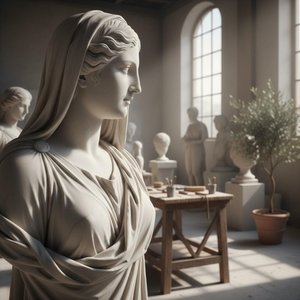
Timeless Elegance: A Complete Guide to the Sublime Beauty and Artistry of Marble Sculpture
Discover the sublime beauty of marble art through an expert exploration of Renaissance and Neoclassical masterpieces. From the delicate textures of Carpeaux to the grandeur of Sansovino, immerse yourself in a guide to timeless elegance and sculptural perfection.

Bronze Sculptures That Defined Art History | OriginalUniqueArt
Journey through art history with our Top 10 bronze sculptures! Explore masterpieces by Rodin, Michelangelo & more. Discover stories behind iconic statues and find museum-quality reproductions for your home decor at OriginalUniqueArt.com.