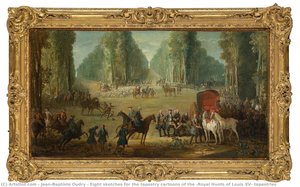
設置イメージを確認
 送る
送る シェア
シェア
 詳細情報
詳細情報 ガイドを表示

 画像をダウンロード
 似ている作品
 X線調査
X線調査 スライドショー
 統計情報
統計情報Dead Wolf
 Oil On Canvas
- WallArt
- Baroque Rococo
 1721
1721 193.0 x 260.0 cm
 ウォールスコレクション
 続きを読む
続きを読む
ジークレー/アートプリント
スピーディーな制作と多彩な仕上げオプションが魅力の、ミュージアムクオリティなジークレー・キャンバスプリント。 ( 手描きの複製画を注文する デジタル画像販売へ切り替え)




P118B ¥10

P118H ¥10

P118W ¥10

P438Z ¥10

P508JH ¥12

P508YH ¥12

P805H ¥10

P805Z ¥10

P919BZ ¥10

P919G ¥10

P919XJ ¥10

P959ZH ¥10

P968JZ ¥12

W106C ¥8

W218G ¥10

W218JH ¥8

W218Y ¥10

W307PJ ¥10

W316G ¥10

W316PJ ¥8

W316Y ¥10

W398PJ ¥8

W4111J ¥10

W500HY ¥15

W500JH ¥15

W692G ¥12

W849H ¥8

W940BG ¥15

W953PJ ¥8




作品のオリジナル比率に合わせた、当店の規定サイズからお選びください。

額縁や壁のスペースに合わせて、ご希望の幅と高さを入力してください。プリントはカットすることは可能ですが、元の画像より大きくすることはできないため、異なる比率のサイズを選択された場合は、画像の一部が欠けることになります。印刷を開始する前に、内容を確認していただくためのデジタルモックアップをお送りいたします。このページに表示されている画像は、実際のカット後の状態を示すものではありません。実際の仕上がりはモックアップにてご確認ください。


 ガラスオプションは、110cm未満のサイズでのみご利用いただけます。

Dead Wolf
ジークレー/アートプリント
複製画サイズ一覧
-


合計金額
¥ 12591
A Study in Shadow and Light: Jean-Baptiste Oudry’s “Dead Wolf”
Jean-Baptiste Oudry's "Dead Wolf," painted in 1721, is more than just a still life; it’s a meticulously crafted meditation on mortality, the beauty of the natural world, and the fleeting nature of existence. This oil-on-canvas masterpiece, currently residing within the hallowed halls of the Wallace Collection in London, immediately draws the viewer into its dramatic interplay of light and shadow – a hallmark of Oudry's signature style and a testament to his mastery of Baroque techniques. The painting’s power lies not merely in its subject matter—a recently hunted wolf—but in the artist’s ability to imbue it with an almost palpable sense of dignity and quiet contemplation.
Oudry, a prominent figure within the Rococo art movement, skillfully blended elements of naturalism with aristocratic themes. Initially known for his portraits, he gradually developed a profound appreciation for animal studies, particularly those depicting hunting scenes. “Dead Wolf” exemplifies this evolution, showcasing Oudry’s keen observational skills and his ability to capture the textures and nuances of fur, flesh, and bone with astonishing realism. The composition itself is carefully balanced, drawing the eye towards the central figure of the wolf while simultaneously engaging the viewer with the surrounding elements – the attentive dogs, the array of fruits, and the subtle suggestion of an outdoor setting through the window’s opening.
The Language of Light: Chiaroscuro and Baroque Influence
At the heart of “Dead Wolf” lies Oudry's masterful use of chiaroscuro – a dramatic technique employing strong contrasts between light and dark. The light, originating from an unseen source outside the canvas, washes over the wolf’s form, highlighting its musculature and creating a sense of volume and depth. Conversely, the surrounding elements are plunged into shadow, lending them a mysterious quality and intensifying the overall mood. This manipulation of light isn't merely decorative; it serves to emphasize the vulnerability of the deceased animal, transforming a scene of hunting into a poignant reflection on life’s transience.
The influence of Baroque art is undeniable in Oudry’s approach. The dramatic lighting, the meticulous detail, and the overall sense of theatricality are all hallmarks of this influential period. However, Oudry transcends mere imitation, imbuing these elements with his own distinctive sensibility – a refined elegance that anticipates the Rococo style to come. The careful rendering of each individual strand of fur, for instance, speaks to a dedication to realism rarely seen in earlier Baroque works.
Symbolism and Interpretation: Beyond the Hunt
While ostensibly depicting a hunting scene, “Dead Wolf” is rich with symbolic meaning. The wolf itself has long been associated with themes of nobility, strength, and cunning – qualities that are subtly reflected in the animal’s posture and expression. Its deliberate placement on the stone ledge suggests a certain dignity, even in death, transforming it from a mere prey into a subject worthy of contemplation. The dogs, positioned attentively around the wolf, could represent loyalty, companionship, or perhaps even the inevitability of fate.
Furthermore, the inclusion of fruits – apples, pears, and plums – adds another layer of interpretation. These symbols often represent abundance, fertility, and the cycle of life and death. Their juxtaposition with the deceased wolf creates a poignant reminder of nature’s relentless rhythm—a continuous process of creation, destruction, and renewal. The window glimpsing an outdoor scene reinforces this connection to the natural world, suggesting that even in stillness, the spirit of life persists.
A Timeless Masterpiece: Reproduction and Legacy
Handmade oil painting reproductions of “Dead Wolf” by Jean-Baptiste Oudry are now available through platforms like OriginalUniqueArt.com, offering art enthusiasts a unique opportunity to own a piece of this iconic artwork. These meticulously crafted reproductions capture the essence of Oudry’s original vision – the dramatic lighting, the exquisite detail, and the profound emotional impact. Whether displayed in a grand salon or a cozy study, “Dead Wolf” continues to captivate viewers with its timeless beauty and enduring message.
For those seeking further information on this remarkable painting and the artist behind it, we encourage you to explore resources such as Jean-Baptiste Oudry’s biography on Wikipedia, the detailed artwork page at Art UK, and the Web Gallery of Art's comprehensive collection. The Wallace Collection itself offers a wealth of information about “Dead Wolf” and its place within Oudry’s oeuvre.
よくあるご質問
ジャン=バティスト・ウドリー作「Dead Wolf」は、どの芸術運動に属していますか?
「Dead Wolf」は、Baroque Rococoの作品です。この様式は、その作品が属する芸術的伝統を示しています。
ジャン=バティスト・ウドリー作「Dead Wolf」の解説ページはありますか?
ジャン=バティスト・ウドリー作「Dead Wolf」には、ガイドページをご用意しています。これは、学生や教室での学習用に設計された、印刷可能な作品解説シートです。
「Dead Wolf」は、全体的に明るい印象ですか、それとも暗い印象ですか?
ジャン=バティスト・ウドリー作「Dead Wolf」 の記録された数値は、明度 shadow、輝度 Soft Shadow です。
アーティストについて
ジャン=バティスト・ウドリー:芸術に捧げた生涯
幼少期と修練の道
- 生年月日:1686年3月17日、フランス・パリにて誕生。
- ウドリーは芸術に深く根ざした家庭に生まれました。父ジャック・ウドリーは画家であり美術商を務め、母ニコール・パピヨンもまた、彫刻家ジャン=バティスト=ミシェル・パピヨンの血縁にあたります。
- 彼はサン・リュック学院にてその研鑽を開始し、1707年から1ت2年にかけてニコラ・ド・ラルジリエールの指導を受けました。この基礎を築いた時期が、後の肖像画における観察眼と技術の礎となりました。
- その才能は急速に開花し、1714年にはサン・リュック学院の助教授に、そして1717年には正教授へと昇進を遂げました。
芸術的発展と独自の様式
- 当初は肖像画に専念していましたが、ウドリーは次第にそのレパートリーを広げ、果実や動物を描いた静物画、さらには宗教的な主題へと領域を拡大させていきました。
- 彼のスタイルは、優雅さと自然主義、そして貴族の生活や余暇を軽やかに描き出すロココ様式へと進化を遂げました。
- 細部への緻密なこだわりと、動物たちの質感や個性を捉える卓越した能力は、ウドリーの作品における真骨頂となりました。
- また、彼は絵画のみならずデザインにおいても熟達しており、キャンバス上の油彩からタペストリーの制作に至るまで、その境界を自在に行き来する手腕を発揮しました。
主要な業績と代表作
- 『田園の愉しみ(Les Amusements Champêtres)』:王立ボーヴェ・タペストリー製作所のためにデザインされた一連のタペストリーであり、田園生活や狩猟の牧歌的な情景を見事に描き出しています。
- 『サン=ジェルマンの森における鹿狩りをするルイ15世(1730年)』:この作品は、ウドリーが王室狩猟の公式画家としての地位を不動のものにする決定打となりました。狩猟の壮大さと、周囲を取り巻く自然環境の両方を描き出す彼の技術が凝縮されています。
- 『ルイ15世の王室狩猟(Chasses Royales Gobelins)』:ゴブラン製作所のために手がけられた一連のタペストリー・デザインは、タペストリー・デザイナーとしてのウドリーの名声をさらに高めました。
- また、国王ルイ15世の依頼による、仕留められた獲物の数々の肖像画は、動物の解剖学的正確さと静物画としての構成美における彼の専門性の高さを示しています。
影響と遺産
- 影響を受けた人物:ニコラ・ド・ラルジリエールは、ウドリーの初期の芸術的発展において極めて重要な役割を果たし、肖像画の技法と基礎的な訓練を授けました。
- ウドリーの作品は、後世の動物画家やタペストリー・デザイナーたちに多大な影響を与えました。彼の自然主義的なスタイルと細部への執着は、野生動物を描く際の新たな規範となったのです。
- 彼はフランス宮廷の装飾芸術に大きく貢献し、王室の邸宅を彩る豪華絢爛なタペストリーを生み出しました。
歴史的意義
- ウドリーの作品は、18世紀の貴族社会のあり方や、フランス貴族にとっての娯楽としての狩猟がいかに重要であったかを知るための貴重な窓となっています。
- 彼のタペストリーはフランス装飾芸術の傑作と見なされており、当時の技術的な熟練度と芸術的な創造性を今に伝えています。
- 彼は王立絵画彫刻アカデミーにおいて名誉ある地位に任命されており、その時代を代表する芸術家として広く認められていたことが伺えます。
- 没年月日:1755年4月30日。彼は、今日でもなお称賛され続ける、比類なき絵画とタペストリーという偉大な遺産をこの世に残しました。

ジャン=バティスト・ウドリー
1686 - 1755 , フランス
アーティスト情報
- Birth Date: 1686年3月17日
- Birth Place: フランス、パリ
- Death Date: 1755年4月30日
- Influenced By: ニコラ・ド・ラルジリエール
- Movement: ロココ
- Name: ジャン=バティスト・ウドリー
- Nationality: フランス
- Notable Works:
- 田園の娯楽 (Les Amusements Champêtres)
- サン=ジェルマンの森で鹿を狩るルイ15世
関連記事

Silent Narratives: Exploring the Enduring Appeal of Still Life Painting Across Centuries
Explore the rich history of still life painting with OriginalUniqueArt. Discover Dutch Masters, decode vanitas symbolism & learn about collecting timeless art. Expert insights and museum-quality reproductions.
Jean-Baptiste-Siméon Chardin: Master of Still Life & Everyday Elegance
Explore the serene world of Jean-Baptiste-Siméon Chardin, master of still life & genre painting. Discover his revolutionary techniques, enduring legacy, and timeless depictions of everyday elegance. Learn more at OriginalUniqueArt.

バロックのドラマ:現代のインテリアに壮麗さと情感を取り込む
バロック様式の歴史、絵画、家具の魅力をご紹介。OriginalUniqueArtでは、高品質な油絵複製やカスタムポートレートをご提供し、現代のインテリアに壮麗さと情感を取り入れます。アートコンサルテーションも承ります。

バロック美術を極めた至宝:時代を彩る10大名作の世界
バロック美術の華!カラヴァッジョ、ベルニーニら巨匠が創り上げた10大名作を徹底解剖。ドラマチックな色彩と豪華絢爛の世界観に触れ、至宝のアートプリントで空間を彩ろう。OriginalUniqueArt.comで美術館品質の複製と洗練されたインテリアを見つけましょう!

The Dramatic Flourish: Exploring the Baroque Movement's Enduring Legacy in Art History
Explore the dramatic world of Baroque art! Discover iconic artists like Caravaggio & Rubens, defining techniques, and its lasting impact on art history. Expert insights for collectors & enthusiasts at OriginalUniqueArt.