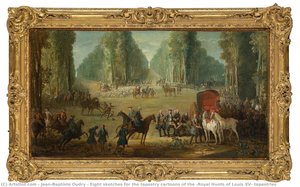
設置イメージを確認
 送る
送る シェア
シェア
 詳細情報
詳細情報 ガイドを表示

 画像をダウンロード
 似ている作品
 X線調査
X線調査 スライドショー
 統計情報
統計情報Belphagore
 Etching
- WallArt
- Baroque
 1734
1734- Early Modern
 31.0 x 26.0 cm
 J・ポール・ゲティ美術館
 続きを読む
続きを読む
手描き油彩複製画
当社のアーティストが、お客様のご希望のサイズと額縁に合わせて、キャンバスに手描きで制作する油彩画です。 ( プリント版に切り替え デジタル画像販売へ切り替え)




P118B ¥10

P118H ¥10

P118W ¥10

P438Z ¥10

P508JH ¥12

P508YH ¥12

P805H ¥10

P805Z ¥10

P919BZ ¥10

P919G ¥10

P919XJ ¥10

P959ZH ¥10

P968JZ ¥12

W106C ¥8

W218G ¥10

W218JH ¥8

W218Y ¥10

W307PJ ¥10

W316G ¥10

W316PJ ¥8

W316Y ¥10

W398PJ ¥8

W4111J ¥10

W500HY ¥15

W500JH ¥15

W692G ¥12

W849H ¥8

W940BG ¥15

W953PJ ¥8




作品のオリジナル比率に合わせた、当店の規定サイズからお選びください。

フレームや壁のスペースに合わせて、ご希望の幅と高さを入力してください。本作品は手描きのため、異なる比率のサイズをご希望の場合、絵画の周囲を少し広げて描くか、あるいは端を少しカットして調整することが可能です。お客様のご要望に合わせます。制作を開始する前に、仕上がりを確認するためのデジタルモックアップをお送りいたします。このページに表示されている画像は完成品の実物ではなく、あくまでモックアップによるイメージです。
ご注文後、OriginalUniqueArt.com チームより詳細な指示をお送りするとともに、仕上がりイメージ(モックアップ)をご提供いたします。


 ガラスオプションは、110cm未満のサイズでのみご利用いただけます。

Belphagore
再現技法
複製画サイズ一覧
-


合計金額
¥ 59045
A Descent into the Baroque Shadows
In the dim, flickering light of history, Jean-Baptiste Oudry’s 1734 masterpiece, Belphagore, emerges as a hauntingly beautiful window into the theatricality of the Baroque era. This is not merely a drawing; it is a meticulously crafted tableau vivant—a living scene frozen in time—that captures the very essence of cosmic struggle. The artwork transports the viewer to a realm where classical mythology and biblical lore collide, specifically referencing the chilling tales of Belphagor, the fallen angel of Lucifer’s retinue. As one gazes upon this monochrome drama, rendered in ethereal shades of blue and grey, there is an immediate sense of being a silent witness to a ritualistic event that transcends the boundaries of the paper it inhabits.
The composition is masterfully orchestrated through a dramatic pyramidal structure, a hallmark of Baroque design that anchors the eye amidst a sea of chaos. At the heart of this infernal gathering stands a powerfully sculpted male figure, an embodiment of authority and dread, surrounded by a cohort of grotesque, muscular demons. The scene is set against a backdrop of jagged, untamed rock formations, where smoke billows upward from a central ritualistic fire. This use of chiaroscuro—the stark contrast between light and shadow—simulates a divine radiance struggling to pierce through an encroaching, demonic darkness, creating a palpable atmosphere of unease and spiritual tension.
The Precision of the Line and the Weight of Symbolism
Oudry’s technical prowess is on full display through his use of fine-line etching, a technique that allows for extraordinary precision in depicting the textures of both the monstrous and the elemental. Every sinew of the demonic figures, every plume of rising smoke, and every rugged edge of the stone landscape is delineated with meticulous care. The subtle shading provides a profound sense of depth, making the musculature appear almost tactile and the atmosphere heavy with the scent of ash and sulfur. This level of detail ensures that the artwork possesses a lifelike quality that continues to captivate collectors and art enthusiasts centuries after its creation.
Beyond its visual splendor, Belphagore is rich with symbolic resonance. The ritualistic burning depicted in the scene serves as a potent metaphor for purification and divine judgment, reflecting the deep-seated moral anxieties of the Enlightenment period. The struggle between the defiance of Lucifer and the ultimate sovereignty of God mirrors the broader human conflict between chaos and order, good and evil. For the discerning decorator or collector, this piece offers more than just aesthetic beauty; it provides a profound narrative depth that can serve as a powerful focal point in any curated space, inviting contemplation on the eternal cycles of transgression and redemption.
An Evocative Addition to the Sophisticated Interior
For interior designers and lovers of fine art, a high-quality reproduction of Belphagore offers an unparalleled opportunity to introduce drama, history, and intellectual weight into a room. The monochrome palette allows it to integrate seamlessly into various sophisticated decors, from the moody, dark aesthetics of a contemporary study to the grand, classical atmosphere of a traditional gallery wall. It is a piece that demands attention, acting as a conversation starter that bridges the gap between the 18th-century French court and the modern era.
Owning or displaying such a work is an act of embracing the sublime. The emotional impact of Oudry’s vision—the mixture of fear, awe, and fascination—creates a lingering presence that transforms a mere room into a sanctuary of culture. Whether placed in a private collection or used to anchor a large-scale design project, this reproduction of Belphagore stands as a testament to the enduring power of the Baroque spirit, offering a timeless elegance that is as intellectually stimulating as it is visually breathtaking.
よくあるご質問
ジャン=バティスト・ウドリー作「Belphagore」 に似た作品を見つけるにはどうすればよいですか?
ジャン=バティスト・ウドリー作「Belphagore」の似ている作品ページでは、関連する作品をご紹介しています。
ジャン=バティスト・ウドリー作「Belphagore」の複製画をプレビューするにはどうすればよいですか?
ジャン=バティスト・ウドリー作「Belphagore」の複製画をプレビューするには、作品のプレビューページを開いてください。
ジャン=バティスト・ウドリー作「Belphagore」のデジタル画像はどこで購入できますか?
ジャン=バティスト・ウドリー作「Belphagore」のデジタルイメージは、こちらのデジタル画像ページにてご購入いただけます:高解像度デジタル画像のダウンロード
アーティストについて
ジャン=バティスト・ウドリー:芸術に捧げた生涯
幼少期と修練の道
- 生年月日:1686年3月17日、フランス・パリにて誕生。
- ウドリーは芸術に深く根ざした家庭に生まれました。父ジャック・ウドリーは画家であり美術商を務め、母ニコール・パピヨンもまた、彫刻家ジャン=バティスト=ミシェル・パピヨンの血縁にあたります。
- 彼はサン・リュック学院にてその研鑽を開始し、1707年から1ت2年にかけてニコラ・ド・ラルジリエールの指導を受けました。この基礎を築いた時期が、後の肖像画における観察眼と技術の礎となりました。
- その才能は急速に開花し、1714年にはサン・リュック学院の助教授に、そして1717年には正教授へと昇進を遂げました。
芸術的発展と独自の様式
- 当初は肖像画に専念していましたが、ウドリーは次第にそのレパートリーを広げ、果実や動物を描いた静物画、さらには宗教的な主題へと領域を拡大させていきました。
- 彼のスタイルは、優雅さと自然主義、そして貴族の生活や余暇を軽やかに描き出すロココ様式へと進化を遂げました。
- 細部への緻密なこだわりと、動物たちの質感や個性を捉える卓越した能力は、ウドリーの作品における真骨頂となりました。
- また、彼は絵画のみならずデザインにおいても熟達しており、キャンバス上の油彩からタペストリーの制作に至るまで、その境界を自在に行き来する手腕を発揮しました。
主要な業績と代表作
- 『田園の愉しみ(Les Amusements Champêtres)』:王立ボーヴェ・タペストリー製作所のためにデザインされた一連のタペストリーであり、田園生活や狩猟の牧歌的な情景を見事に描き出しています。
- 『サン=ジェルマンの森における鹿狩りをするルイ15世(1730年)』:この作品は、ウドリーが王室狩猟の公式画家としての地位を不動のものにする決定打となりました。狩猟の壮大さと、周囲を取り巻く自然環境の両方を描き出す彼の技術が凝縮されています。
- 『ルイ15世の王室狩猟(Chasses Royales Gobelins)』:ゴブラン製作所のために手がけられた一連のタペストリー・デザインは、タペストリー・デザイナーとしてのウドリーの名声をさらに高めました。
- また、国王ルイ15世の依頼による、仕留められた獲物の数々の肖像画は、動物の解剖学的正確さと静物画としての構成美における彼の専門性の高さを示しています。
影響と遺産
- 影響を受けた人物:ニコラ・ド・ラルジリエールは、ウドリーの初期の芸術的発展において極めて重要な役割を果たし、肖像画の技法と基礎的な訓練を授けました。
- ウドリーの作品は、後世の動物画家やタペストリー・デザイナーたちに多大な影響を与えました。彼の自然主義的なスタイルと細部への執着は、野生動物を描く際の新たな規範となったのです。
- 彼はフランス宮廷の装飾芸術に大きく貢献し、王室の邸宅を彩る豪華絢爛なタペストリーを生み出しました。
歴史的意義
- ウドリーの作品は、18世紀の貴族社会のあり方や、フランス貴族にとっての娯楽としての狩猟がいかに重要であったかを知るための貴重な窓となっています。
- 彼のタペストリーはフランス装飾芸術の傑作と見なされており、当時の技術的な熟練度と芸術的な創造性を今に伝えています。
- 彼は王立絵画彫刻アカデミーにおいて名誉ある地位に任命されており、その時代を代表する芸術家として広く認められていたことが伺えます。
- 没年月日:1755年4月30日。彼は、今日でもなお称賛され続ける、比類なき絵画とタペストリーという偉大な遺産をこの世に残しました。

ジャン=バティスト・ウドリー
1686 - 1755 , フランス
アーティスト情報
- Birth Date: 1686年3月17日
- Birth Place: フランス、パリ
- Death Date: 1755年4月30日
- Influenced By: ニコラ・ド・ラルジリエール
- Movement: ロココ
- Name: ジャン=バティスト・ウドリー
- Nationality: フランス
- Notable Works:
- 田園の娯楽 (Les Amusements Champêtres)
- サン=ジェルマンの森で鹿を狩るルイ15世
関連記事

華麗なるロココ:芸術史を彩る10大傑作の世界
華麗なるロココ美術の世界へ。バロックから生まれた優雅な芸術、その10大傑作を徹底解説!ブーシェ、フロマンなど巨匠たちの技と物語を紐解き、お部屋を彩るアートを見つけよう。OriginalUniqueArt.comで至高の美術館品質レプリカとインテリアアイデアを発見。
Kay Rasmus Nielsen: A Golden Age Illustrator's Enchanting Legacy of Symbolism & Narrative
Explore the captivating world of Kay Rasmus Nielsen, a celebrated Golden Age illustrator renowned for his Art Nouveau fairy tale art & Disney contributions. Discover his unique style, enduring legacy, and how to collect his enchanting works.

Angelo Chiacchio: A Mid-Century American Illustration Master & the Rise of Commercial Art
Explore the captivating world of Angelo Chiacchio, a master of mid-century American illustration. Discover his evolution, signature style, and lasting impact on commercial art & design. Learn about his legacy at the Museum of American Illustration.

The Rococo Aesthetic: Opulence, Rebellion & the Pursuit of Pleasure in 18th-Century Art
Explore the opulent world of Rococo art! Discover its origins, key artists like Watteau & Boucher, and lasting influence on design. Expert insights for collectors & enthusiasts.
The Rococo Style: Aristocratic Leisure & the Pursuit of Delight in 18th-Century Art
Explore the opulent world of Rococo art! Discover Watteau, Boucher & Nattier's masterpieces. Expert insights for collectors seeking museum-quality reproductions and custom portraits at OriginalUniqueArt.