設置イメージを表示
 シェアする
シェアする シェアする
シェアする
 詳細を見る
詳細を見る ガイドを表示

 ダウンロード
 似ている作品
 X線調査
X線調査 スライドショーを表示
 Q&A
Q&A 統計情報
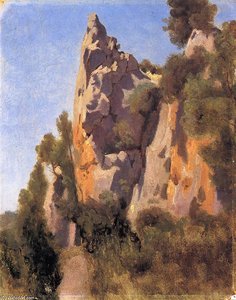
統計情報Waterfall at Terni

- 27.0 x 31.0 cm


 詳細を表示
詳細を表示
ジークレー/アートプリント
スピーディーな制作と多彩な仕上げオプションが魅力の、ミュージアムクオリティなジークレー・キャンバスプリント。 ( 手描き複製画を注文する デジタル画像販売へ切り替え)




P118B ¥10

P118H ¥10

P118W ¥10

P438Z ¥10

P508JH ¥12

P508YH ¥12

P805H ¥10

P805Z ¥10

P919BZ ¥10

P919G ¥10

P919XJ ¥10

P959ZH ¥10

P968JZ ¥12

W106C ¥8

W218G ¥10

W218JH ¥8

W218Y ¥10

W307PJ ¥10

W316G ¥10

W316PJ ¥8

W316Y ¥10

W398PJ ¥8

W4111J ¥10

W500HY ¥15

W500JH ¥15

W692G ¥12

W849H ¥8

W940BG ¥15

W953PJ ¥8




作品のオリジナル比率に合わせた、当店の規定サイズからお選びください。

額縁や壁のスペースに合わせて、ご希望の幅と高さを入力してください。プリントはカットすることは可能ですが、元の画像より大きくすることはできないため、異なる比率のサイズを選択された場合は、画像の一部が欠けることになります。印刷を開始する前に、内容を確認していただくためのデジタルモックアップをお送りいたします。このページに表示されている画像は、実際のカット後の状態を示すものではありません。実際の仕上がりはモックアップにてご確認ください。


 ガラスオプションは、110cm未満のサイズでのみご利用いただけます。

Waterfall at Terni
ジークレー/アートプリント
複製画サイズ一覧
-


合計金額
¥ 12819
A Moment Captured: Jean-Baptiste Corot’s “Waterfall at Terni”
Jean-Baptiste-Camille Corot's "Waterfall at Terni," painted in 1826, isn’t merely a depiction of a natural scene; it’s an invitation to experience a fleeting moment of profound tranquility. This oil on paper work, now residing within the Metropolitan Museum of Art’s collection, embodies the core tenets of Corot's artistic philosophy – a deep reverence for nature and a masterful ability to translate its ephemeral qualities onto canvas. The painting transports us to the Italian countryside, specifically the dramatic landscape surrounding Terni, where the ancient Cascata delle Marmore—a marvel of Roman engineering—converges with the Velino River.
Corot’s journey to Italy in 1826 proved transformative. He sought not grand historical narratives or heroic figures, but rather the subtle poetry of the natural world. The inspiration for “Waterfall at Terni” clearly stems from this immersion; the scene feels utterly authentic, as if captured directly from observation. The placement of the waterfall against a backdrop of ancient trees speaks to Corot’s fascination with the interplay between man-made structures and the enduring power of nature – a recurring theme in his work.
The Language of Light and Atmosphere
Corot's technique is characterized by its remarkable candor and seemingly effortless structure. He eschewed the highly finished, polished surfaces favored by some of his contemporaries, opting instead for a looser, more atmospheric approach. Notice how he uses broad brushstrokes to capture the movement of the water, creating an illusion of shimmering light and spray. The colors are muted – predominantly greens, browns, and blues – reflecting the diffused light of a cloudy day. This deliberate restraint allows the viewer’s eye to wander across the canvas, absorbing the details of the landscape.
Crucially, Corot employed his signature *plein-air* technique, working directly from nature. This commitment to capturing the immediate impression of light and color is evident in every detail. The subtle variations in tone and hue suggest a constant shift in illumination, mirroring the ever-changing qualities of the natural world. He wasn’t striving for photographic accuracy; rather, he sought to convey the *feeling* of being present within this breathtaking landscape.
Symbolism and Emotional Resonance
Beyond its technical brilliance, “Waterfall at Terni” resonates with a quiet emotional depth. The waterfall itself symbolizes renewal, fluidity, and the relentless passage of time – powerful concepts that have captivated artists and philosophers for centuries. The two smaller waterfalls on either side add to this sense of movement and dynamism, creating a visual rhythm that draws the eye through the composition. The trees, rendered with delicate precision, provide a grounding element, anchoring the scene in the tangible reality of the landscape.
There’s an undeniable serenity to the painting; it invites contemplation and offers a respite from the complexities of modern life. Corot's ability to capture such a profound sense of peace is a testament to his deep understanding of nature and his artistic skill. It’s a reminder that beauty can be found in the simplest of moments, if only we take the time to observe it.
Bringing “Waterfall at Terni” Home
OriginalUniqueArt offers meticulously crafted hand-painted reproductions of Jean-Baptiste-Camille Corot's "Waterfall at Terni," allowing you to experience this iconic artwork in stunning detail. Each reproduction is created by skilled artists who have painstakingly studied Corot’s original technique, ensuring an authentic and evocative representation. Whether displayed as a statement piece in your living room or a calming addition to your study, this painting will undoubtedly bring a touch of timeless beauty and serenity to your space.
Consider the scale – our 27 x 31 cm reproduction captures the essence of the original while offering a manageable size for various interior settings. Don’t miss the opportunity to own a piece of art history, expertly reproduced with the utmost care and attention to detail. Explore other works by Corot and discover your next treasured masterpiece on OriginalUniqueArt.
Q&A
カミーユ・コロー作「Waterfall at Terni」の複製画をプレビューするにはどうすればよいですか?
カミーユ・コロー作「Waterfall at Terni」の複製画をプレビューするには、作品の設置イメージページを開いてください。
「Waterfall at Terni」の作者とスタイルは何ですか?
カミーユ・コローは、Romantic Landscape Paintingのムーブメントにおいて「Waterfall at Terni」を制作しました。
カミーユ・コロー作「Waterfall at Terni」 の複製画は、どこに飾るのが最適でしょうか?
Landscapeの形状を活かした「Waterfall at Terni」の複製画は、Living Roomに飾るのがおすすめです。
作家プロフィール
光と風景の詩人:ジャン=バティスト・カミーユ・コロー
ジャン=バティスト・カミーユ・コローの名を耳にしたとき、19世紀フランス絵画に息づく静謐な美しさを思い起こすでしょう。彼は1796年7月16日、パリで裕福なブルジョワの家庭に生まれました。当初は商業的な道に進むことを期待されていましたが、運命—あるいは生まれつきの芸術的感受性—が介入しました。幼少期は型破りなものでした。4歳までイゼ=アダム近郊のプレールで乳母のもとに預けられ、自然との深いつながりを育み、その後の芸術的ビジョンに深く影響を与えました。この田園地帯での初期の没入は、彼を待つ賑やかな都市生活とは対照的でしたが、生涯を通じて光と大気の移ろいを捉えようとする探求の基礎となりました。両親は成功した帽子職人であり、経済的な安定を提供し、コローが商業的な追求に失敗した後も、芸術への情熱を探求する自由を与えました。この支援は非常に重要で、生計を立てるという差し迫ったプレッシャーなしに、完全に芸術的訓練に専念することを可能にしました。アカデミー教育からピレ・アールの革新へ
コローの正式な芸術教育は、アシーユ=エトナ・ミシャロンと後にジャン=ヴィクトル・ベルトンの指導のもとに始まりました。彼らは、明瞭さと構造を強調したネオクラシック様式の伝統に深く根ざした著名な風景画家でした。しかし、コローは確立されたスタイルを単に複製するだけでは満足せず、もっと本質的な何か—自然の中に浸っている感覚を伝える方法—を切望していました。画期的な瞬間が訪れたのは1825年の最初のイタリア旅行の際です。黄金色の光に照らされ、歴史に満ちたローマ・カンパニアは彼の想像力を掻き立てました。彼は何年もかけてスケッチと絵を描き、ピレ・アール—直接自然から—という比較的まれな手法を用いました。この自然観察への献身により、微妙な光と影のニュアンス、彼のスタイルを特徴づける繊細な大気効果を捉えることができました。彼は単に地形の詳細を記録しているのではなく、気分、調和のとれた静けさの感覚を喚起しようとしていたのです。初期のイタリア作品は古典的な理想の影響を受けた明瞭な形態と明るいパレットを示していますが、すでに彼の成熟したスタイルを定義する、より柔らかく、感情的なアプローチを示唆しています。彼はローマの美術館で巨匠たちの作品を模写して学びましたが、常に自分の自然に対する敏感な知覚を通してそれらのレッスンを濾過しました。伝統と革新の架け橋
コローの芸術的発展は直線的ではありませんでした。それは伝統と革新の繊細なバランスでした。彼はパリ・サロンに定期的に展示し、当初はネオクラシック的な慣習に基づいた作品で評価を得ました。しかし、ピレ・アールでの絵を描き続けるにつれて、彼のスタイルは進化を始めました。彼は詳細な構成への高い完成度から、より緩い筆遣いとよりくすんだパレットへと移行しました。この変化は学術的な原則の完全な拒絶ではありませんでした。むしろ、直接観察の即時性と感情的な共鳴をそれらに注入しようとする試みでした。彼は調和性の名手となり、価値の微妙なバリエーションを使用して深さと大気を生み出しました。彼の風景は劇的な物語や壮大なジェスチャーについてではありませんでした。それは静かな瞑想、日常の美しさ—森の空き地、太陽が降り注ぐ牧草地、穏やかな川岸—についてのものです。このアプローチは、急速な工業化と19世紀フランスの社会不安から安らぎを求める観客に共鳴しました。彼はリアリズムの要素をほぼ詩的な感性で巧みに組み合わせ、現実的でありながら深く個人的な風景を作り出しました。遺産と持続的な影響
ジャン=バティスト・カミーユ・コローの影響は、その後の芸術家たちに計り知れません。彼はネオクラシック様式と新興の印象派運動の間の重要な架け橋となりました。モネ、ピサロ、シスレーといった芸術家たちは、彼の光の効果と大気を捉える能力を深く賞賛し、彼らの画期的な作品においてその革新性を発展させました。しかし、コローは単に印象派の前触れではありませんでした。彼は独自の芸術家として、重要な存在感を示しました。風景、肖像画、人物研究を含む彼の膨大な作品群は、その静謐な美しさと感情の深さで観客を魅了し続けています。彼の作品は世界中の主要美術館に展示されており、ダンケルク美術館やオルナン美術館(フランス)、ロンドンのナショナル・ギャラリー、ニューヨークのメトロポリタン美術館などがあります。彼は1875年2月22日に亡くなり、光、風景、そして静かな瞑想の永続的な力という遺産を残しました。休息、中断された読書、アゴスティーナは彼の卓越性の象徴的な例であり、その主題の内面世界と物理世界を驚くべき感性と優雅さで捉える能力を示しています。彼の影響は絵画を超えて広がっています。彼は芸術家の精神を自由にし、若い芸術家たちが自分自身の声を追求することを奨励し、芸術史における重要な人物としての地位を確固たるものにしました。コローの作品が示す特徴
- 調和性: コローは、光と影の微妙な変化を用いて深みと大気を作り出す調和性の名手でした。
- ピレ・アール: 彼は直接自然から絵を描くことを重視し、その結果、彼の作品には即時性と感情的な共鳴が生まれました。
- 穏やかな風景: コローの風景は、ドラマチックな物語や壮大なジェスチャーではなく、静かな瞑想と日常の美しさについて描かれています。

カミーユ・コロー
1796 - 1875 , フランス
プロフィール概要
- フルネーム: ジャン=バプティスト・カミーユ・コロー
- 主な作品:
- 休息
- エールの漁り
- 出生地: パリ、フランス
- 国籍: フランス人
- 影響を与えたアーティスト:
- モネ
- ピサロ
- シスレー
- 印象派
- 影響を受けたアーティスト:
- ミシャロン
- ベルトラン
- 死亡年月日: 1875年2月22日
- 生年月日: 1796年7月16日
- 芸術運動またはスタイル: 写実主義、印象派
関連記事

Capturing Ephemeral Light: A Comprehensive Exploration of Plein Air Painting's History & Enduring Legacy
Explore the rich history of plein air painting, from its origins with Constable & Corot to Impressionism's revolution. Discover techniques, key artists, and the enduring legacy of capturing light outdoors. Learn more at OriginalUniqueArt.

19th Century Masterpieces: 10 Paintings That Defined an Era | OriginalUniqueArt
Journey through 19th century art with OriginalUniqueArt! Explore 10 iconic paintings – from Monet & Renoir to Courbet – and discover the stories behind Romanticism, Realism & Impressionism. Find museum-quality reproductions for your home decor. Explore the full collection online!
The Allure of Open Airs: Exploring Representations of Outdoors in Art History
Explore the rich history of outdoor painting! From Romantic landscapes to Impressionism's revolution, discover key artists, techniques & the enduring legacy of capturing light and nature in art. Learn more at OriginalUniqueArt.
Capturing Ephemeral Light: Plein Air Painting from Impressionism to Today
Explore the history of plein air painting, from its origins with the Barbizon school to Impressionism's revolution & contemporary practice. Discover techniques, artists like Monet & Renoir, and find museum-quality reproductions at OriginalUniqueArt.

Capturing Ephemeral Light: A Comprehensive Exploration of Plein Air Painting's History & Enduring Legacy
Explore the rich history of plein air painting, from its origins to Impressionism & beyond. Discover key artists, techniques, and the enduring legacy of capturing light in landscape art. Find museum-quality reproductions at OriginalUniqueArt.