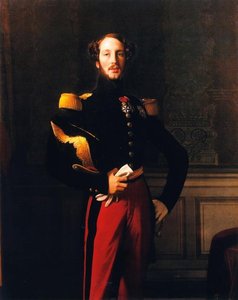
設置イメージを確認
 送る
送る シェア
シェア
 詳細情報
詳細情報 ガイドを表示

 画像をダウンロード
 似ている作品
 X線調査
X線調査 スライドショー
 統計情報
統計情報The Source
 キャンバスに油彩
- ウォールアート
- Neoclassical Precision
 1820
1820 83.0 x 163.0 cm
 オルセー美術館
 続きを読む
続きを読む
ジークレー/アートプリント
スピーディーな制作と多彩な仕上げオプションが魅力の、ミュージアムクオリティなジークレー・キャンバスプリント。 ( 手描きの複製画を注文する デジタル画像販売へ切り替え)




P118B ¥10

P118H ¥10

P118W ¥10

P438Z ¥10

P508JH ¥12

P508YH ¥12

P805H ¥10

P805Z ¥10

P919BZ ¥10

P919G ¥10

P919XJ ¥10

P959ZH ¥10

P968JZ ¥12

W106C ¥8

W218G ¥10

W218JH ¥8

W218Y ¥10

W307PJ ¥10

W316G ¥10

W316PJ ¥8

W316Y ¥10

W398PJ ¥8

W4111J ¥10

W500HY ¥15

W500JH ¥15

W692G ¥12

W849H ¥8

W940BG ¥15

W953PJ ¥8




作品のオリジナル比率に合わせた、当店の規定サイズからお選びください。

特定のフレームやスペースに合わせて、ご自身でサイズを指定することも可能です。選択されたサイズが元の画像の比率と一致しない場合、作品をトリミングするか、鏡面反射または単色での塗りつぶしによって画像を拡張いたします。制作を開始する前に、ご確認用のデジタルモックアップをお送りいたします。
画面上のプレビューには、実際のトリミングや拡張は反映されませんのでご注意ください。最終的な構図を正確に確認できるのは、モックアップのみとなります。
カスタムサイズも承っておりますが、元の比率を維持するためには、あらかじめ用意されたリストからサイズを選択することをお勧めいたします。


 ガラスオプションは、110cm未満のサイズでのみご利用いただけます。

The Source
ジークレー/アートプリント
複製画サイズ一覧
-


合計金額
¥ 12494
A Vision of Classical Grace: Ingres’ “The Source”
Jean-Auguste-Dominique Ingres' "The Source," painted in 1856, is more than simply a depiction of a nude figure; it’s an embodiment of Neoclassical ideals—a testament to the enduring power of line, form, and idealized beauty. This monumental canvas, currently residing within the hallowed halls of the Musée d'Orsay in Paris, invites viewers into a world where nature and human grace converge with breathtaking serenity. The painting immediately establishes a sense of timelessness, echoing the grandeur of ancient Greek sculpture while simultaneously hinting at the burgeoning sensuality that would define Ingres’ later work.
At its heart lies a woman, positioned with deliberate poise within a dark, verdant landscape. Her posture is remarkably stable, almost statuesque – a conscious reference to classical contrapposto, where weight is shifted subtly to create a dynamic yet balanced form. The raised arm, holding what appears to be a pitcher or jug, draws the eye upward, suggesting an offering, a connection to the source of life itself. Her gaze, direct and unwavering, establishes an intimate dialogue with the viewer, inviting us into her private world.
The Language of Line and Light
Ingres’ mastery lies not just in his anatomical accuracy but also in his meticulous control of line and light. The painting is executed in oil paint on a large canvas, demonstrating Ingres' preference for detailed rendering and smooth transitions between tones. Notice the subtle gradations of color – the deep greens and browns of the foliage contrasting with the luminous flesh tones of the figure. He employs a diffused lighting technique that softens the forms, creating an atmosphere of quiet contemplation rather than stark realism. The shadows are carefully sculpted, adding depth and volume to the scene without sacrificing clarity.
The artist’s approach is distinctly sculptural; one can almost feel the solidity of the figure emerging from the surrounding landscape. This influence stems partly from Ingres' deep admiration for ancient sculpture, particularly the works of Canova. He sought to capture not just a likeness but also the *essence* of the human form – its strength, beauty, and inherent dignity.
Symbolism and Context
"The Source" was created during a period of significant artistic and intellectual ferment in France. Following the Romantic movement’s emphasis on emotion and individualism, Ingres championed a return to classical principles—a deliberate reaction against what he perceived as the excesses of Romanticism. The title itself – “The Source” – is laden with symbolic weight. It represents not just a physical spring or stream but also a wellspring of life, beauty, and inspiration. The woman’s act of offering water can be interpreted as an invocation to this source, a plea for nourishment and renewal.
Interestingly, the painting was begun in 1820 but not fully completed until 1856, with assistance from two of Ingres' pupils. This extended timeframe reflects the artist’s painstaking attention to detail and his willingness to revisit and refine his work over many years. The Musée d'Orsay notes that this process influenced the treatment of the nymph, giving her a “immobility of a marble statue,” highlighting Ingres’ deliberate intention to evoke classical forms.
A Timeless Masterpiece for Your Space
OriginalUniqueArt offers exquisite, hand-painted reproductions of "The Source," allowing you to bring this iconic masterpiece into your home or office. Our skilled artisans meticulously recreate Ingres' nuanced techniques and delicate color palette, ensuring that every detail is faithfully reproduced with exceptional quality. Whether you’re an art collector, a design enthusiast, or simply someone who appreciates timeless beauty, a OriginalUniqueArt reproduction of “The Source” will serve as a stunning focal point – a constant reminder of the enduring power of classical art.
Explore our range of sizes and framing options to find the perfect representation of this extraordinary work. Discover “The Source” today on OriginalUniqueArt!
よくあるご質問
イングレス作「The Source」の雰囲気はどのように表現されていますか?
イングレス作「The Source」は、その情緒において静謐と表現されます。この分類は、作品を空間やシーンに合わせる際の手助けとなります。
「The Source」が制作されたとき、イングレスは何歳でしたか?
イングレスは、1820年に「The Source」を制作した際、40歳でした。この年齢は、アーティストの誕生年である1780年から算出されています。
「The Source」はどの様式に属していますか?
イングレス作「The Source」はNeoclassical Precisionに属しています。このムーブメントは、本作の様式的な背景を形作るものです。
「The Source」は、どのアーティストの作品とされていますか?
「The Source」はイングレスによって制作されました。このページでは、イングレスのオリジナル作品についてご紹介しています。
「The Source」は、イングレスのキャリアにおけるどの時期の作品でしょうか?
イングレスの画業において、「The Source」はMature Periodに制作されたものです。この時期を知ることで、同アーティストの他の作品との比較検討が可能になります。
「The Source」はどのような作品ですか?
カタログ内では、イングレス作「The Source」はウォールアートとして分類されています。このカテゴリーを活用することで、類似の作品を探すことができます。
イングレス作「The Source」は、何年に制作されましたか?
イングレス作「The Source」の制作年は1820年です。
アーティストについて
線と形態の遺産:ジャン=オーギュスト・ドミニク・アングルの世界
ジャン=オーギュスト・ドミニク・アングルという名は、新古典主義の精密さと、まるで彫刻のような絵画への接近法を象徴する言葉です。1780年にフランスのモントバールで生まれ、彼の芸術的遍歴は、古典的な理想への揺るぎない献身と、芽生える官能性、そして慣習に挑戦しようとする意志によって彩られています。アングルは単に過去を複製しただけでなく、それとの深遠な対話を行い、時代を定義するとともに未来の革命を予感させるスタイルを築き上げました。
彼の初期の人生は、将来的な芸術的追求のための確固たる基盤を提供しました。父親のジャン=マリー・ジョゼフ・アングルもまた画家であり彫刻家であり、幼いドミニクに幼い頃から形態と技術への愛を植え付けました。この最初の訓練に続き、彼はトゥールーズのアカデミー・ロワイヤル・ド・ペinture、彫刻、建築で学び、ギヨーム=ジョゼフ・ロックの下でスキルを磨きました。しかし、1797年にパリに移り、ジャック=ルイ・ダヴィッドの下で修行したことが、彼の道を真に決定づけました。新古典主義の第一人者であったダヴィッドは、厳格な規律と、線、形態、歴史的題材を重視する姿勢を彼に与え、これらの原則はアングルのキャリアを通して彼の作品の中心となりました。
理想美への探求
アングルの芸術哲学は、イタリア・ルネサンスの巨匠に対する深い賞賛に基づいています。特にラファエロは絶え間ないインスピレーションの源でした。彼は線が形態を定義し感情を伝える力に信じており、単なる表現を超越した理想化された美を追求しました。この探求は、1801年に彼に名声をもたらした『アガメムノンの使者、アキレウスのテントにて』に見られます。この絵画は、彼の細部への綿密な注意、正確な線描技術、そして明確な物語的焦点—新古典主義様式の特徴—を示しています。
しかし、アングルは単なる模倣者ではありませんでした。彼は徐々に独自の声を開発し、古典的な原則に独特の官能性と心理的洞察力を融合させました。彼の肖像画は特にこの進化を実証しています。新古典主義の特徴である形式的な優雅さを維持しながら、彼は形態や空間を微妙に歪め、後のキュビスムのような表現主義的な変形を予感させる、不安でありながらも魅惑的な効果を生み出しました。『ミスター・ベルタンの肖像』(1833-1834)は、長く伸びた手と強烈な視線が特徴で、この革新的なアプローチの好例です。
歴史を超えて:オリエンタリズムと晩年の傑作
『ルイ13世の誓い』(1827)のような歴史的および神話画で高く評価されている一方で、アングルは他のジャンルも探求しました。特にオリエンタリズムが顕著です。エキゾチックな場面や女性ヌードの描写、例えば驚くべき83歳という年齢で完成した『トルコ風呂』(1862)は、官能的で神秘的なものへの魅力を明らかにしています。これらの作品は、理想化された表現に対して批判されることもありますが、彼の実験と境界線を押し広げる意欲を継続的に示しています。
アングルの後期キャリアは、変化する芸術的状況の中で展開しました。ロマン主義の台頭が新古典主義の支配に挑戦しましたが、アングルは古典的な理想への献身を揺るぎなく保ちながら、彼の作品の中にロマン主義的な感受性を組み込みました。彼は次世代のアーティストたちを形作り、伝統と現代性との間の架け橋としての地位を確固たるものにする、非常に影響力のある教師となりました。
永続的な影響
ジャン=オーギュスト・ドミニク・アングルは1867年にパリで亡くなり、今日まで共鳴し続ける遺産を残しました。彼の線、形態、そして理想化された美への重点は、世代を超えたアーティストたちに深く影響を与えました。驚くべきことに、彼の作品は、ラディカルな異なるスタイルを支持した芸術家たちさえ魅了しました—アンリ・マティスやパブロ・ピカソは、彼の古典的な形態に活力と感情を吹き込む革新的なアプローチを賞賛しました。
アングルの絵画は今では世界中の主要な美術館に収蔵されており、彼の不朽の芸術的ビジョンへの証となっています。彼は芸術史における重要な人物であり続けています—過去の伝統を守るだけでなく、未来への道を開いた巨匠です。彼の作品は、美の本質、線の力、そして古典的な理想の時代を超越した魅力について考察するよう私たちを誘います。
主な作品
- アガメムノンの使者、アキレウスのテントにて (1801)
- ルイ13世の誓い (1827)
- ミスター・ベルタンの肖像 (1833-1834)
- トルコ風呂 (1862)
- グランド・オダリスク (1814)

イングレス
1780 - 1867 , フランス
アーティスト情報
- フルネーム: ジャン=オーギュスト・ドミニク・アングル
- 主な作品:
- アガメムノンの使者
- ルイ13世の誓い
- ベルタン氏の肖像
- トルコ風呂
- 出生地: モンタウバン、フランス
- 国籍: フランス人
- 影響を与えたアーティスト:
- アンリ・マティス
- パブロ・ピカソ
- 影響を受けたアーティスト:
- ラファエロ
- ニコラ・プーサン
- ジャック=ルイ・ダヴィッド
- 死亡年月日: 1867年1月14日
- 生年月日: 1780年8月29日
- 芸術運動またはスタイル: 新古典主義
関連記事
Neo-Classicism's Greatest Hits: 10 Masterpieces for Your Home |
Journey through Neo-Classicism's finest! Explore 10 iconic masterpieces by David, Ingres & Canova. Discover art history, techniques & timeless beauty – perfect for inspiring your home decor. Find museum-quality reproductions at
Fluid Reflections: Exploring Water's Symbolism in Art History – From Myth to Impressionism
Explore the rich symbolism of water in art history – from ancient myths to Impressionism's fleeting beauty. Discover masterpieces & find your perfect serene artwork with OriginalUniqueArt.com.

The Enduring Allure of the Nude: A Historical & Artistic Exploration of the Human Form
Explore the captivating history of nude art! Discover iconic paintings & artists from classical to modern eras. Uncover symbolism, techniques & find museum-quality reproductions at OriginalUniqueArt.
The Timeless Elegance of Academic Classicism: A Journey Through Order, Precision, and the Pursuit of Perfection
Explore the profound beauty of Academic Classicism. Discover how masters used order, precision, and classical ideals to achieve timeless perfection in art history, from Neoclassical portraits to the pursuit of ideal beauty.
至高の芸術:新古典主義を象徴する10選 – 華麗なる巨匠と時代を彩る傑作の世界
新古典主義を代表する10選!ダビッド、アンジェリカーら巨匠の傑作を紐解き、時代を超えた美と知性を探求。油絵、版画など高精細なアートプリントで、お部屋を華やかに彩りませんか?OriginalUniqueArt.comで至高の芸術を体験してください。