
 送る
送る シェア
シェア
 詳細情報
詳細情報 ガイドを表示

 画像をダウンロード
 似ている作品
 スライドショー
 統計情報
統計情報Painted Bronze

 続きを読む
続きを読む
このページに掲載されている作品は著作権法によって保護されており、当社の許可なく同一の複製物を制作または販売することは法律で禁じられています。この保護は、以下のような国際条約に基づき執行されます。 ベルヌ条約 および、以下の条項に定められたものを含む各国の法律により、 米国著作権法 第17編。
この手法は、著作権で保護された作品の複製や複写を伴わないため、著作権法に完全に準拠しています。これは単なる模倣ではなく、創造的な再解釈です。元の作品からインスピレーションを受けつつも、それとは異なる、全く新しい絵画を生み出すものです。
ジークレー/アートプリント
スピーディーな制作と多彩な仕上げオプションが魅力の、ミュージアムクオリティなジークレー・キャンバスプリント。 ( 手描きの複製画を注文する デジタル画像販売へ切り替え)




































作品のオリジナル比率に合わせた、当店の規定サイズからお選びください。

額縁や壁のスペースに合わせて、ご希望の幅と高さを入力してください。プリントはカットすることは可能ですが、元の画像より大きくすることはできないため、異なる比率のサイズを選択された場合は、画像の一部が欠けることになります。印刷を開始する前に、内容を確認していただくためのデジタルモックアップをお送りいたします。このページに表示されている画像は、実際のカット後の状態を示すものではありません。実際の仕上がりはモックアップにてご確認ください。


 ガラスオプションは、110cm未満のサイズでのみご利用いただけます。

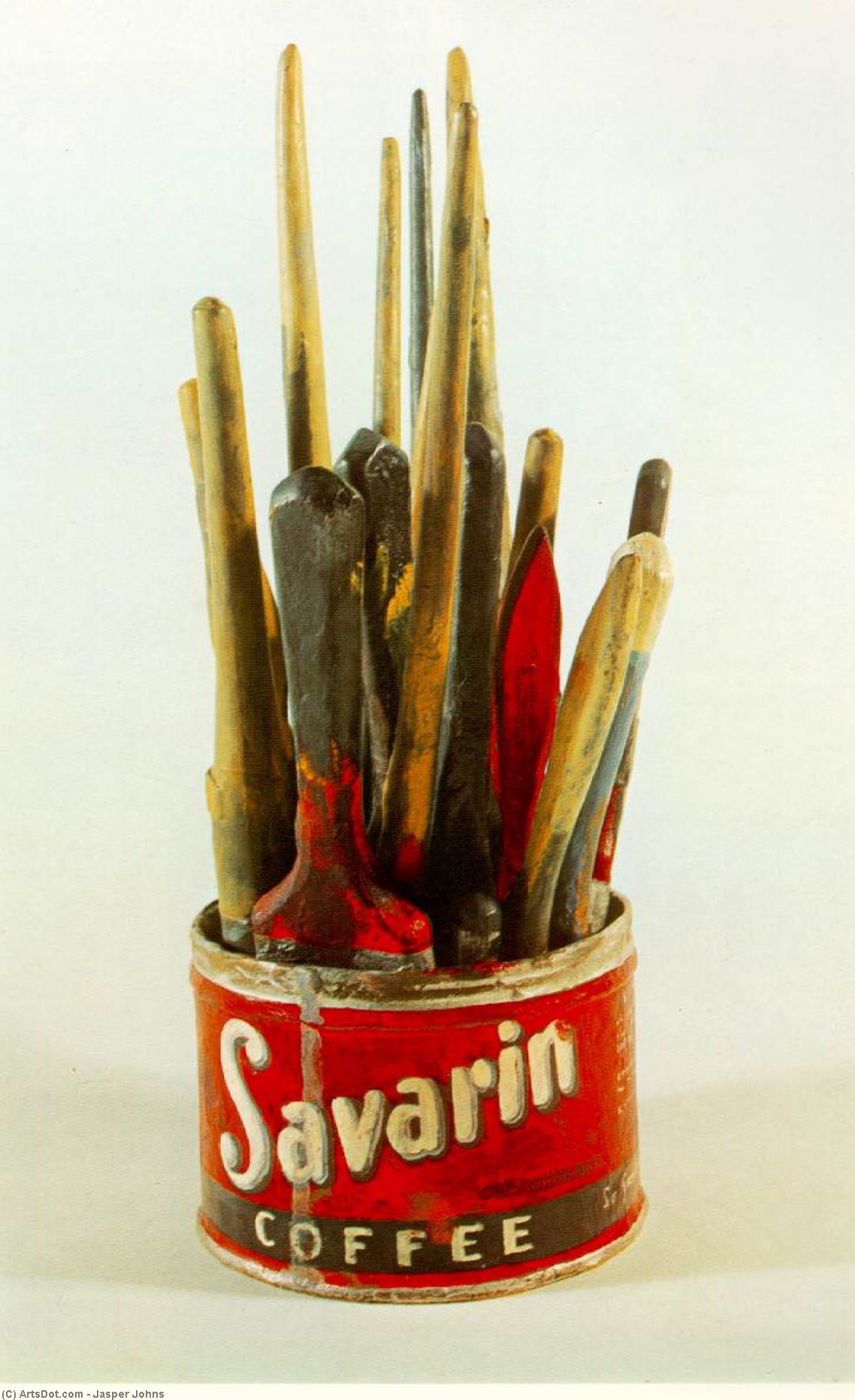
Painted Bronze
ジークレー/アートプリント
複製画サイズ一覧
-


合計金額
¥ 12591
The Genesis of a Simple Object
Jasper Johns' Painted Bronze, created in 1960 but cast and painted the following year, is deceptively simple. At first glance, it presents as two unassuming twelve-ounce beer cans – rendered in bronze and meticulously painted to mimic their metallic counterparts – resting upon a stark, rectangular base. Yet, this apparent banality belies a profound engagement with American iconography, artistic tradition, and the very nature of representation. The genesis of this work is famously attributed to a seemingly offhand remark from Willem de Kooning, a fellow Abstract Expressionist, who reportedly suggested Johns “give that son-of-a-bitch two beer cans” – an observation that highlighted the burgeoning commercialization of art and the potential for transforming everyday objects into compelling subjects.
The anecdote, though perhaps embellished, underscores a key element of Johns’s artistic strategy: his ability to elevate the mundane to the level of significance. He wasn't interested in grand narratives or abstract explorations; instead, he sought to distill meaning from the familiar – the commonplace objects that populate our daily lives. This approach aligns with a broader shift within American art during the 1960s, moving away from the emotionally charged landscapes and figures of Abstract Expressionism towards a more direct engagement with recognizable imagery.
Technique and Materiality: A Dialogue Between Paint and Metal
The technical execution of Painted Bronze is remarkably precise. Johns meticulously cast the beer cans in bronze, ensuring their form was faithfully replicated. However, rather than leaving them to their inherent materiality, he then applied a layer of paint – a muted gold-brown hue – that deliberately obscures and distorts the metallic surface. This act of painting isn’t merely decorative; it's a deliberate disruption of the material’s natural appearance, creating a fascinating dialogue between the cold solidity of bronze and the ephemeral qualities of paint.
The choice of bronze itself is significant. Bronze, historically associated with antiquity and permanence, lends an air of gravitas to the seemingly trivial subject matter. It elevates the beer cans from mere consumer goods to objects imbued with a sense of historical weight and symbolic resonance. The uneven application of paint further emphasizes this tension – suggesting a process of deliberate imperfection, mirroring the artist’s own approach to representation.
Symbolism and American Identity
Beyond its technical merits, Painted Bronze is deeply rooted in American iconography. Beer cans, ubiquitous symbols of post-war prosperity and consumer culture, immediately evoke a specific historical context. The reference to “ale” – a term associated with a more refined and established social class – adds another layer of meaning, subtly referencing the hierarchies and distinctions that defined American society at the time.
Furthermore, Johns’s decision to depict beer cans rather than, say, flags or maps—other recurring motifs in his work—is particularly revealing. Flags and maps are inherently symbolic, representing national identity and geopolitical power. Beer cans, on the other hand, represent a more intimate and personal experience – a shared ritual of consumption that connects individuals across diverse social groups. In this way, Johns transforms an everyday object into a potent symbol of American culture and its complex relationship with commerce and consumerism.
Emotional Resonance and Artistic Legacy
Despite its seemingly simple composition, Painted Bronze possesses a remarkable emotional resonance. The work invites contemplation on the nature of representation, the blurring of boundaries between art and life, and the enduring power of everyday objects to evoke profound meaning. It’s a testament to Johns's ability to distill complex ideas into deceptively straightforward forms, leaving the viewer with a lingering sense of ambiguity and wonder.
Painted Bronze stands as a pivotal work in Jasper Johns’s oeuvre, exemplifying his innovative approach to subject matter and technique. It remains a compelling example of American art's engagement with contemporary culture and its exploration of the symbolic potential within the mundane.
よくあるご質問
「Painted Bronze」は、拡張現実(AR)でのプレビューが可能ですか?
「Painted Bronze」は、拡張現実(AR)でのプレビューが可能です。対応デバイスで作品のARプレビューページを表示すると、ご自身の空間に作品を配置してご確認いただけます。
ジャスパー・ジョーンズ作「Painted Bronze」の解説ページはありますか?
「Painted Bronze」のガイドは、作品のガイドページです。このページは印刷可能なファクトシートとなっており、作品のキャプション、クレジット、および詳細情報(作家名、制作年、技法、原寸大、所蔵)をまとめてご確認いただけます。
ジャスパー・ジョーンズ作「Painted Bronze」 の全体を貫く基調となる色は何ですか?
ジャスパー・ジョーンズ作「Painted Bronze」には、Ochre to Sepiaの色調が全体に広がっています。
アーティストについて
ジャスパー・ジョーンズ:象徴と探求の画家
ジャスパー・ジョーンズは、抽象表現主義からポップアートへと移行するアメリカ美術における重要な転換点であり、その作品は、私たちが世界をどのように認識し、解釈するかという根源的な問いを投げかける。1930年にジョージア州オーガスタで生まれ、幼少期をサウスカロライナ州で過ごしたジョーンズは、複雑な家庭環境の中で育ち、それが後の作品におけるアイデンティティや帰属意識の探求に影響を与えたのかもしれない。ニューヨークでの芸術活動が本格化する以前には、軍隊での経験も彼の視点を形作り、その後の芸術的表現に深みをもたらした。既成概念への挑戦:象徴主義と新たな視覚言語
戦後のアメリカ美術界は抽象表現主義によって支配されていたが、ジョーンズは純粋な非対象性から脱却し、より新しい視覚言語を模索した。彼は、マルセル・デュシャンのレディメイドの思想に影響を受け、既成のイメージ——星条旗、標的、地図、数字など——を芸術作品に取り込むことで、美術に対する従来の概念を揺さぶった。これらのモチーフは単なるイラストレーションではなく、より深い考察のための媒体として機能した。ジョーンズは、世界を描写することだけでなく、私たちがどのように象徴を認識し、解釈するかという問題を提起したのである。彼の初期の作品、特に1954年から1955年にかけて制作された星条旗の連作は、その象徴的な意味合いを問い直し、アメリカ文化における愛国心やアイデンティティについて深く考えさせる。象徴の探求:星条旗、標的、そして言語
ジョーンズの作品において、星条旗は単なる国の旗ではなく、認識と表現の本質を探るための複雑な象徴として機能する。ワックスとコラージュ技法を組み合わせた彼の絵画は、表面にテクスチャを与え、見る者に多層的な意味合いを感じさせる。標的の連作も同様に、一見単純なイメージを通して、知覚と意味の曖昧さを問いかける。1961年の『地図』は、地理、アイデンティティ、そして国家表現という複雑なテーマを探求する作品であり、断片化された描写がアメリカ合衆国の多様性と矛盾を暗示している。また、『False Start』(1959)に見られるように、言語と視覚コードの実験も彼の作品の特徴の一つであり、見る者にその背後にある意味を解読させる挑戦的な構成となっている。ポップアートへの影響と芸術的遺産
ジャスパー・ジョーンズは、抽象表現主義からポップアートへと移行する過程において、アメリカ美術に大きな影響を与えた。彼は、アンディ・ウォーホルやロイ・リキテンスタインといったアーティストたちに道を開き、ハイアートと大衆文化の境界線を曖昧にした。ロバート・ラウシェンバーグとのコラボレーションもまた、芸術的探求における実験精神を育み、芸術実践の限界を押し広げる上で重要な役割を果たした。ジョーンズは、数々の賞を受賞し、世界中の主要な美術館に作品が収蔵されている。彼の作品は、単なる絵画にとどまらず、彫刻や版画にも及び、その多才さと芸術的革新への揺るぎないコミットメントを示している。現代美術における永続的な影響
ジョーンズの遺産は、象徴、表現、そして世界を理解する上での私たちが抱く先入観に対する問いかけを通して、現代美術に深く根付いている。彼の作品は、世代を超えてアーティストたちにインスピレーションを与え続け、芸術家が既成概念に挑戦し、新しい表現の可能性を探求することを促している。ジョーンズは、20世紀から21世紀にかけてのアメリカ美術における最も重要な人物の一人として、その地位を確立しており、彼の作品は、美術史において永遠に記憶されるだろう。
ジャスパー・ジョーンズ
1930 - , アメリカ合衆国
アーティスト情報
- フルネーム: ジャスパー・ジョーンズ
- 主な作品: ['旗', '標的', '地図', '白い旗']
- 出生地: オーガスタ(アメリカ合衆国)
- 国籍: アメリカ合衆国
- 影響を与えたアーティスト:
- アンディ・ウォーホル
- ロイ・リキテンスタイン
- 影響を受けたアーティスト: ['マルセル・デュシャン']
- 生年月日: 1930年5月15日
- 芸術運動またはスタイル: ポップアート、抽象表現主義
関連記事
The Enduring Legacy of Bronze Sculpture: A Collector's Guide to Form & Cultural Significance
Explore the rich history & enduring appeal of bronze sculpture with expert insights for collectors at OriginalUniqueArt. Learn about casting techniques, iconic artists, and collecting tips to build a discerning art collection.

The Enduring Legacy of Bronze: A Historical & Artistic Exploration for the Collector
Explore the rich history & enduring appeal of bronze sculpture with expert insights for collectors at OriginalUniqueArt. Learn about casting techniques, iconic artists, collecting tips & contemporary interpretations.
The Enduring Legacy of Bronze: History, Technique & Artistic Expression for the Collector
Explore the rich history & enduring appeal of bronze sculpture with expert insights for collectors at OriginalUniqueArt. Learn about casting techniques, iconic artists, and collecting tips.

Bronze Sculptures That Defined Art History | OriginalUniqueArt
Journey through art history with our Top 10 bronze sculptures! Explore masterpieces by Rodin, Michelangelo & more. Discover stories behind iconic statues and find museum-quality reproductions for your home decor at OriginalUniqueArt.com.

Bronze Age to Modern Masters: 10 Sculptures That Redefined Art | OriginalUniqueArt
Journey through art history with 10 legendary bronze sculptures – from Michelangelo's David to Rodin’s Thinker. Explore the stories, techniques & timeless beauty of these masterpieces. Find museum-quality reproductions & elevate your home decor on OriginalUniqueArt.com.


