

 設置イメージを確認
 送る
送る シェア
シェア
 詳細情報
詳細情報 ガイドを表示

 画像をダウンロード
 似ている作品
 X線調査
X線調査 スライドショー
 統計情報
統計情報Boar Hunt
 Acrylic On Canvas
- WallArt
- Baroque Painting
 1703
1703 345.0 x 206.0 cm
 アルテ・ピナコテーク
 続きを読む
続きを読む
ジークレー/アートプリント
スピーディーな制作と多彩な仕上げオプションが魅力の、ミュージアムクオリティなジークレー・キャンバスプリント。 ( 手描きの複製画を注文する デジタル画像販売へ切り替え)




P118B ¥10

P118H ¥10

P118W ¥10

P438Z ¥10

P508JH ¥12

P508YH ¥12

P805H ¥10

P805Z ¥10

P919BZ ¥10

P919G ¥10

P919XJ ¥10

P959ZH ¥10

P968JZ ¥12

W106C ¥8

W218G ¥10

W218JH ¥8

W218Y ¥10

W307PJ ¥10

W316G ¥10

W316PJ ¥8

W316Y ¥10

W398PJ ¥8

W4111J ¥10

W500HY ¥15

W500JH ¥15

W692G ¥12

W849H ¥8

W940BG ¥15

W953PJ ¥8




作品のオリジナル比率に合わせた、当店の規定サイズからお選びください。

額縁や壁のスペースに合わせて、ご希望の幅と高さを入力してください。プリントはカットすることは可能ですが、元の画像より大きくすることはできないため、異なる比率のサイズを選択された場合は、画像の一部が欠けることになります。印刷を開始する前に、内容を確認していただくためのデジタルモックアップをお送りいたします。このページに表示されている画像は、実際のカット後の状態を示すものではありません。実際の仕上がりはモックアップにてご確認ください。


 ガラスオプションは、110cm未満のサイズでのみご利用いただけます。

Boar Hunt
ジークレー/アートプリント
複製画サイズ一覧
-


合計金額
¥ 12596
A Hunt Frozen in Time: Jan Weenix’s “Boar Hunt”
Jan Weenix's "Boar Hunt," painted around 1703, isn’t merely a depiction of a hunt; it’s a meticulously crafted tableau of primal instinct, stoic heroism, and the fleeting beauty of a dramatic moment. This remarkable work, housed within the walls of a museum setting – subtly suggested by the diffused lighting and reflective glass – transports us to a world where man and beast engage in a timeless dance of pursuit and consequence. Weenix, a master of Dutch Baroque realism, elevates the commonplace subject of hunting into an exercise in profound observation and emotional resonance.
The scene unfolds with startling clarity. A magnificent boar, sprawled on its back in a posture of defeated grandeur, dominates the right side of the composition. Its thick hide, rendered with astonishing detail – each bristling hair meticulously captured – speaks to both its formidable power and its imminent demise. Beside it lies a smaller animal, likely a hare or rabbit, adding a layer of poignant vulnerability to the tableau. To the left, a hunting dog, a breed known for its keen tracking abilities, stands poised, either actively pursuing or having just completed its task. The dog’s posture is one of focused intensity, mirroring the boar's own struggle. The background landscape—rolling hills and scattered trees—provides a sense of depth and reinforces the feeling that this event unfolds within a vast, untamed wilderness.
The Language of Baroque Realism
Weenix’s mastery lies in his ability to fuse meticulous realism with an underlying sense of drama. He employs a technique deeply rooted in the Dutch Golden Age, characterized by its careful observation of light and shadow – *chiaroscuro*—to sculpt form and create a palpable atmosphere. Notice how the light catches on the boar's hide, highlighting its texture and musculature, while simultaneously casting deep shadows that emphasize its vulnerability. The artist’s use of color is restrained yet effective; earthy tones dominate, punctuated by the rich browns and reds of the animal’s fur and the subtle greens of the landscape. This palette contributes to a sense of groundedness and authenticity.
The composition itself is carefully balanced, drawing the eye across the scene with a deliberate rhythm. The placement of the animals—the dominant boar on one side, the pursuing dog on the other—creates a dynamic tension that mirrors the hunt’s inherent drama. Furthermore, Weenix's attention to detail extends beyond mere representation; he captures not just the physical appearance of the animals but also their expressions – the boar’s defiant stance, the dog’s focused gaze – imbuing them with a sense of life and personality.
A Symbolism of Mortality and Triumph
The “Boar Hunt” is rich in symbolic meaning. The hunt itself represents the human desire for mastery over nature, a theme that resonated deeply within the context of 17th-century Europe. However, Weenix doesn’t glorify this pursuit; instead, he presents it with a sobering awareness of mortality and consequence. The fallen boar, lying vulnerable on its back, serves as a potent reminder of the inevitability of death. The dog's role highlights the relationship between hunter and prey, emphasizing the cycle of life and death that governs the natural world.
Moreover, the scene can be interpreted as an allegory for human ambition and the pursuit of glory. The hunters, driven by a desire to prove their skill and courage, engage in a dangerous undertaking with uncertain outcomes. The success of the hunt—represented by the fallen boar—is ultimately tempered by the knowledge that it comes at a cost.
Capturing the Essence: Reproduction and Display
Reproductions of “Boar Hunt” offer a remarkable opportunity to bring this masterpiece into any setting, from a grand salon to a more intimate space. The meticulous detail and evocative atmosphere of the original are faithfully reproduced, allowing viewers to appreciate Weenix’s artistic skill and his profound understanding of human nature. When displayed, consider framing the artwork in a manner that complements its rich colors and dramatic composition. The subdued lighting suggested by the museum setting can be replicated through strategic use of ambient light or accent lighting, further enhancing the work's impact.
Ultimately, “Boar Hunt” is more than just a painting; it’s a window into a bygone era—a testament to the enduring power of art to capture both the beauty and the brutality of the natural world. It invites contemplation on themes of mortality, ambition, and the complex relationship between humanity and its environment.
よくあるご質問
「Boar Hunt」は、どのアーティストの作品とされていますか?
「Boar Hunt」を手がけたアーティストはヤン・ウィーンクスです。この作品はヤン・ウィーンクスの名でカタログに登録されています。
原画のヤン・ウィーンクス作「Boar Hunt」の技法とサイズを教えてください。
原画のヤン・ウィーンクス作「Boar Hunt」は、サイズ345 x 206 cmのAcrylic On Canvasによる作品です。技法およびサイズは原画の仕様を表しています。
ヤン・ウィーンクス作「Boar Hunt」の色彩の彩度はどの程度ですか?
ヤン・ウィーンクス作「Boar Hunt」の色調は、Subtle Colorな彩度を持っています。彩度とは、色の鮮やかさや落ち着きの度合いを表すものです。
アーティストについて
オランダ・リアリズムの遺産:ヤン・ウィニックスの生涯と芸術
1641年にアムステルダムで生まれたヤン・ウィニックスは、芸術的伝統が深く根付いた家系に生を受け、高名な父ヤン・バプティスト・ウィニックスから絵画への情熱を継承しました。彼の幼少期に関する詳細な記録は一部謎に包まれていますが、若きヤンが父の工房で基礎的な修行を積み、静物画や動物を描写するために不可欠な技法を吸収したことは間違いありません。それはまさに、オランダ黄金時代の芸術の真骨頂とも言えるものでした。この家族の影響は単なる技術的なものに留まりませんでした。自然を細部まで観察することへの深い敬意と、その美しさを驚くべき写実性をもって描き出そうとする献身的な姿勢が、彼の魂に刻み込まれたのです。また、イタリア滞在を通じて作品にイタリア風の感性を吹き込んだ父自身の芸術的旅路も、間違いなくヤンの形成されつつあった美意識を形作りました。当初は父の威名に隠れがちであったものの、ヤンは瞬く間に独自の地位を確立し、17世紀オランダ絵画という活気あふれる風景の中に、唯一無二の道を切り拓いていったのです。バロック様式の開花
ウィニックスの芸術様式は、バロック時代の絶頂期に花開き、ドラマチックな演出、豊かな細部、そしてダイナミックな構図を好んだ当時の時代精神を色濃く反映しています。彼は決して孤立して創作していたわけではありません。海洋画で名高いヘンドリック・コルネリス・ヴルームや、動物画のスペシャリストであるメルヒオール・デ・ホンデクーテルといった同時代の画家たちの影響が、彼の画法に繊細な彩りを添えていました。しかし、ウィニックスはこれらのインスピレーションを統合し、彼にしか成し得ない独自のスタイルへと昇華させたのです。彼のキャンバスは、羽毛の光沢、毛皮の柔らかさ、果実の繊細な透明感など、質感の描写において写真のような精密さを特徴としています。これらはすべて、熟練した筆致と、光と影に対する鋭い洞察力によって成し遂げられました。キアロスクーロ(明暗法)、すなわち光と闇の劇的な相互作用は、奥行きと視覚的な興味を生み出し、見る者を抗いがたいリアリズムで画面の中へと引き込みます。さらに鮮やかな色彩設計が主題に生命を吹き込み、そこに即時性と活力をもたらしています。彼は画面内の要素を配置する卓越した技術を備えており、視覚的に美しく、かつ物語性に満ちた、調和のとれた構図を作り出すことに長けていました。傑作とパトロンたち
そのキャリアを通じて、ヤン・ウィニックスは技術的な輝きと魅力的な主題によって称賛される膨大な数の作品を残しました。例えば、庭園の壺の傍らにある狩猟と果実の静物画(1714年)のような作品は、獲物となる鳥、瑞々しい果実、建築的な細部といった多様な要素を、複雑で視覚的に圧倒的な構成へと見事に融合させる彼の能力を象徴しています。野ウサギとその他の獲物の静物画(1697年)では、動物の解剖学的構造と質感への習熟が見られ、対象の生命感を驚くべき正確さで捉えています。また、座る猿(1685年以前)のような小規模な作品においてさえ、動物に個性や表情豊かなキャラクターを吹き込む彼の才能が垣間見えます。こうした卓越した技術は、有力なパトロンたちの目に留まらないはずがありませんでした。1702年、ウィニックスは選帝侯プファルツのヨハン・ヴィルヘルムの宮廷へと招かれ、他の著名な画家たちと共に、ベンスベルク城のために大規模な狩猟場面を描き上げました。これは彼の名声の高まりと芸術的技量の証左といえるでしょう。こうした依頼は彼に経済的な安定をもたらしただけでなく、さらなる技術研鑽の機会を与えたのです。オランダ美術への永続的な影響
ヤン・ウィニックスはバロック期において、狩猟静物画や獲物画を普及させる上で極めて重要な役割を果たし、これらのジャンルを単なる装飾の域を超えたものへと高めました。彼の作品はコレクターたちの間で熱狂的に求められ、オランダの芸術的伝統の発展に大きく貢献しました。彼は単に自然を模倣したのではなく、独自のレンズを通して自然を解釈し、当時の観衆の心に深く響くリアリズム、ドラマ、そして審美的な美しさを絵画に宿らせたのです。彼の遺産は彼自身の創作物だけに留まりません。娘のマリア・ウィニックスもまた、熟練した花画家として家族の伝統を継承し、ウィニックスの名が後世にわたって芸術的卓越性の代名詞であり続けることを確かなものにしました。今日、ヤン・ウィニックスの絵画は世界中の美術館や個人コレクションで大切に保管されており、自然界の見事な描写を通じて、今なおアーティストたちにインスピレーションを与え、観る者を魅了し続けています。それは、オランダ美術史という豊かな織物に対する、彼の不朽の貢献の証なのです。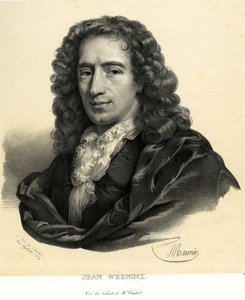
ヤン・ウィーンクス
1641 - 1719 , オランダ
アーティスト情報
- Artistic Movement Or Style: オランダ・バロック
- Artists Or Movements Influenced By This Artist: ['マリア・ウィニックス']
- Artists Who Influenced This Artist:
- ヤン・バプティスト・ウィニックス
- ヘンドリック・ヴルーム
- Date Of Birth: 1641年
- Date Of Death: 1719年
- Full Name: ヤン・ウィニックス
- Nationality: オランダ
- Notable Artworks:
- 狩猟と果物の静物画
- 野ウサギの静物画
- 座る猿
- 白孔雀
- Place Of Birth: オランダ、アムステルダム
関連記事
Jan Steen: A Master of Dutch Genre Painting & the Golden Age
Explore the life & art of Jan Steen, a leading Dutch Golden Age painter renowned for his humorous genre scenes & insightful social commentary. Discover his techniques, legacy, and collecting tips.
Mastering Light and Shadow: The Chiaroscuro Revolution of Dutch Baroque Art
Explore the dramatic world of Dutch Baroque art. Discover how masters used chiaroscuro to revolutionize light and shadow, creating timeless psychological depth and texture in every canvas. A journey through the Golden Age for true art enthusiasts.

Golden Age Reflections: Dutch Baroque Painting & Cultural Innovation
Explore the Dutch Golden Age of painting! Discover key artists like Vermeer & ter Borch, their innovative techniques, and the rich cultural context behind these Baroque masterpieces. Learn about collecting & appreciating this iconic art period.

Dutch Baroque Masters: 10 Paintings That Shaped an Era | OriginalUniqueArt
Journey through the Golden Age with our guide to the Top 10 Dutch Baroque masterpieces! Explore iconic paintings by Rembrandt, Vermeer & Frans Hals. Find museum-quality art reproductions and elevate your home decor at OriginalUniqueArt.com.
Dutch Baroque Unlocked: Mastering Chiaroscuro, Epic Drama, and the High-Impact Legacy of Rembrandt
Explore the dramatic power of Dutch Baroque art. Master the secrets of Rembrandt’s chiaroscuro, discover the epic scale of the Golden Age, and learn how to bring high-impact, hand-painted historical masterpieces into your modern collection with expert precision.

