
 プレビュー
プレビュー
 プリントを購入
 シェアする
シェアする シェアする
シェアする
 詳細を見る
詳細を見る

 ダウンロード
 似ている作品
 X線調査
X線調査 スライドショー
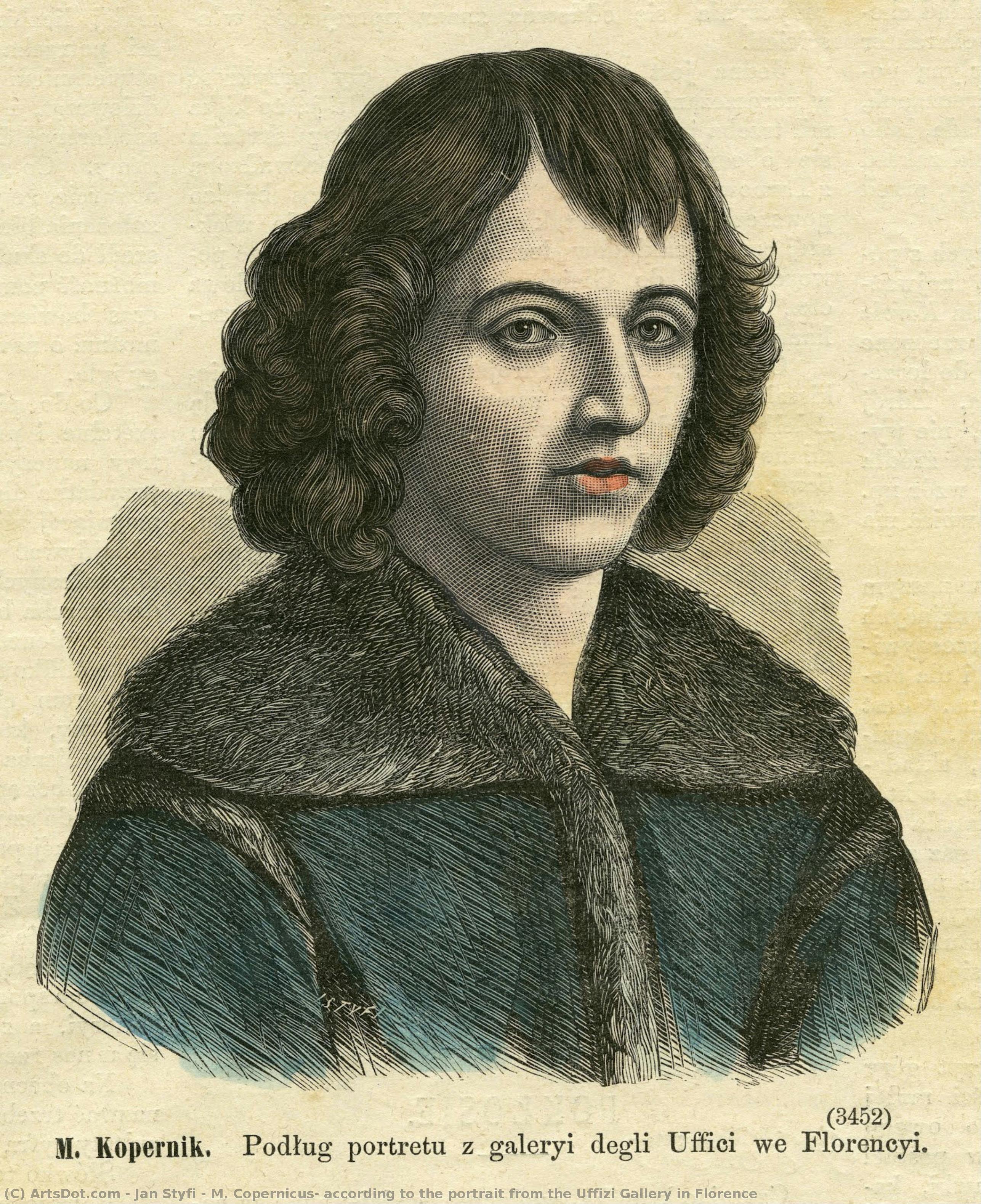
M. Copernicus, according to the portrait from the Uffizi Gallery in Florence

 詳細を見る
詳細を見る




































作品のオリジナル比率に合わせた、当店の規定サイズからお選びください。

特定のフレームやスペースに合わせて、ご希望のサイズをご入力いただけます。選択されたサイズが元の画像の比率と異なる場合、アートワークをトリミングするか、手描きで要素を追加して絵画を拡張いたします。デジタルモックアップ を制作し、制作開始前にご確認(承認)をいただきます。
画面上のプレビューは、実際のトリミングや拡張を正確に反映しているものではありません。最終的な構図は、モックアップによってのみ正確にご確認いただけます。
カスタムサイズもご利用いただけますが、元の比率を維持するためには、あらかじめ用意されたリストからサイズを選択することをお勧めいたします。
ご注文後、OriginalUniqueArt.com チームより詳細な指示をお送りするとともに、仕上がりイメージ(モックアップ)をご提供いたします。


 ガラスオプションは、110cm未満のサイズでのみご利用いただけます。

M. Copernicus, according to the portrait from the Uffizi Gallery in Florence
複製技法
複製画のサイズ
-


合計金額
$ 300
作品解説
アーティストの略歴
A Master of Wood: The Life and Legacy of Jan Styfi
Jan Styfi, born in Warsaw, Poland in 1841, stands as a pivotal figure in the history of Polish wood engraving. While perhaps less globally renowned than some of his contemporaries, within Poland he occupies a position of significant importance, celebrated for his technical skill and dedication to capturing the essence of national identity through portraiture. Styfi’s life unfolded during a period of intense political and cultural upheaval for Poland, which deeply informed his artistic choices and ultimately shaped his enduring legacy. He wasn't merely a craftsman reproducing images; he was an interpreter of Polish history and character, translating it into the intricate language of woodcuts. His work emerged at a time when Poland lacked its own independent state, making art a powerful medium for preserving cultural memory and fostering national pride.From Warsaw Workshops to National Iconography
Styfi’s artistic journey began with formal training in Warsaw, quickly establishing him as a talented *drzeworytnik* – a wood engraver. He didn't remain confined to individual practice for long; he became a driving force in the establishment of several *zakłady drzeworytniczych*, or wood engraving workshops, throughout the city. These weren’t simply places of production but centers of learning where Styfi generously shared his expertise, nurturing a new generation of xylographers and elevating the standard of Polish wood engraving as a whole. This pedagogical role is often overlooked, yet it underscores his commitment to the art form beyond personal achievement. He understood that the future of *drzeworytnictwo* depended on cultivating skilled practitioners. His influence extended through numerous students who carried forward his techniques and dedication. Styfi’s workshops became vital hubs for producing illustrations for periodicals like “Tygodnik Ilustrowany” (Illustrated Weekly), a publication instrumental in disseminating Polish culture and ideas during a time of political suppression.The Art of Portraiture: Capturing Polish Heroes
Styfi is best known for his portraits, particularly those depicting prominent figures from Polish history. He didn’t simply aim to create likenesses; he sought to embody the spirit and significance of his subjects. His engravings of Nicolaus Copernicus, Jadwiga of Anjou, and Bona Sforza d'Aragona are not merely representations but carefully constructed narratives that highlight their contributions to Polish culture and national identity. The choice of these figures is telling – they represent intellectual achievement, regal strength, and cultural exchange, all themes central to the Polish experience. His portraits often drew inspiration from existing paintings housed in renowned European galleries like the Uffizi in Florence and the Galileo Museum in Torre del Gallo, demonstrating a sophisticated understanding of art history and a desire to connect Polish artistic traditions with broader European movements. The meticulous detail and skillful use of light and shadow in his woodcuts create a sense of depth and realism that belies the limitations of the medium.Technique and Style: A Legacy in Wood
Styfi’s mastery lay in his ability to translate complex compositions into the precise, unforgiving art of wood engraving. The process demanded not only artistic vision but also exceptional technical skill – a deep understanding of grain direction, tool control, and the interplay of positive and negative space. His work is characterized by a remarkable clarity of line and a subtle use of tonal variation, achieved through painstaking attention to detail. While rooted in traditional techniques, Styfi wasn’t afraid to experiment with new approaches, constantly refining his methods to achieve greater expressiveness and realism. He skillfully employed the burin—the primary tool for wood engraving—to create delicate textures and nuanced shading, bringing a remarkable level of depth and dimension to his portraits. His engravings are not simply reproductions; they are interpretations, imbued with his own artistic sensibility and understanding of his subjects.Historical Significance and Enduring Appeal
Jan Styfi passed away in 1921, leaving behind a rich legacy that continues to resonate within Polish art history. His work serves as a testament to the power of art as a vehicle for national identity and cultural preservation. Today, his engravings are held in esteemed collections such as the National Library of Poland and are readily accessible through online platforms like Wikimedia Commons, ensuring their continued visibility and appreciation. The fact that his artwork is also featured on sites like MutualArt and Artfacts further demonstrates its enduring relevance within the contemporary art world. Styfi’s contribution extends beyond individual masterpieces; it lies in his dedication to fostering a vibrant artistic community and elevating the status of wood engraving as a respected art form. He remains a symbol of Polish artistic resilience, a master craftsman who used his skill to capture the spirit of a nation and preserve its history for generations to come.
jan styfi
1841 - 1921 , Poland
基本情報
- Artistic Movement Or Style: Wood engraving, Xylography
- Date Of Birth: 1841
- Date Of Death: 1921
- Full Name: Jan Styfi
- Nationality: Polish
- Notable Artworks:
- N. Copernicus portrait
- M. Copernicus portrait
- Portraits of Polish figures
- Place Of Birth: Warsaw, Poland

