
 設置イメージを表示
 シェアする
シェアする シェアする
シェアする
 詳細を見る
詳細を見る ガイドを表示

 ダウンロード
 似ている作品
 X線調査
X線調査 スライドショーを表示
 Q&A
Q&A 統計情報
統計情報LE MENDIANT


 詳細を表示
詳細を表示
ジークレー/アートプリント
スピーディーな制作と多彩な仕上げオプションが魅力の、ミュージアムクオリティなジークレー・キャンバスプリント。 ( 手描き複製画を注文する デジタル画像販売へ切り替え)




P118B ¥10

P118H ¥10

P118W ¥10

P438Z ¥10

P508JH ¥12

P508YH ¥12

P805H ¥10

P805Z ¥10

P919BZ ¥10

P919G ¥10

P919XJ ¥10

P959ZH ¥10

P968JZ ¥12

W106C ¥8

W218G ¥10

W218JH ¥8

W218Y ¥10

W307PJ ¥10

W316G ¥10

W316PJ ¥8

W316Y ¥10

W398PJ ¥8

W4111J ¥10

W500HY ¥15

W500JH ¥15

W692G ¥12

W849H ¥8

W940BG ¥15

W953PJ ¥8




作品のオリジナル比率に合わせた、当店の規定サイズからお選びください。

額縁や壁のスペースに合わせて、ご希望の幅と高さを入力してください。プリントはカットすることは可能ですが、元の画像より大きくすることはできないため、異なる比率のサイズを選択された場合は、画像の一部が欠けることになります。印刷を開始する前に、内容を確認していただくためのデジタルモックアップをお送りいたします。このページに表示されている画像は、実際のカット後の状態を示すものではありません。実際の仕上がりはモックアップにてご確認ください。


 ガラスオプションは、110cm未満のサイズでのみご利用いただけます。

LE MENDIANT
ジークレー/アートプリント
複製画サイズ一覧
-


合計金額
¥ 12842
Jan Miel’s “Le Mendiant”: A Window Into Baroque Dignity Amidst Poverty
The artwork "Le Mendiant," attributed to Jan Miel (1599 – 1663), stands as a poignant testament to the artistic spirit of the Dutch Golden Age and its engagement with broader humanist concerns. Painted circa 1630, this genre scene—a hallmark of Miel’s oeuvre during his formative years in Rome—captures a moment of quiet contemplation within a bustling tavern interior, offering viewers an arresting glimpse into both social realities and artistic sophistication.Composition and Style: Baroque Restraint Within Classical Framework
Miel's stylistic approach skillfully blends influences from Flemish masters like Anthony van Dyck with the burgeoning grandeur of Italian Baroque aesthetics. The horizontal orientation of the canvas immediately establishes a sense of stability, mirroring the formal balance characteristic of Baroque compositions. However, unlike the opulent theatricality often associated with Rome at the time, Miel employs subtle tonal gradations and muted colors—primarily grayscale—to convey an atmosphere of understated dignity. This deliberate restraint serves to heighten the emotional impact of the depicted scene: a beggar humbly requesting alms amidst a group of patrons engaged in conversation. The artist’s meticulous attention to detail—evident in the rendering of textures, particularly on the tavern table and the livestock visible in the background—underscores Miel's commitment to realism while simultaneously grounding the image within a broader artistic tradition.Detailed Examination: Technique and Materials
The painting utilizes oil paint on canvas with considerable skill. Brushstrokes are perceptible but carefully blended, creating a smooth surface that enhances the illusion of depth and luminosity despite the absence of vibrant hues. Layers of tonal variation—a technique favored by Miel—are skillfully applied to sculpt form and delineate contours, capturing the nuances of light and shadow within the tavern setting. The artist’s meticulous observation of natural forms—reflected in the depiction of the cows and sheep—demonstrates a profound understanding of classical principles of perspective and anatomical accuracy.Historical Context: Rome and Beyond – Miel's Artistic Journey
Jan Miel’s artistic development unfolded primarily in Rome during the 1630s, where he honed his craft under the patronage of Charles Emanuel II, Duke of Savoy—a connection that cemented his reputation as a court artist. This period witnessed a significant shift towards classicizing tendencies within Miel's oeuvre, mirroring the broader cultural revival occurring across Europe. The artwork’s subject matter – depicting poverty alongside social interaction – speaks to the humanist ideals prevalent during the Baroque era, reflecting an interest in portraying human experience with compassion and intellectual rigor.Symbolism: Dignity Amidst Adversity
“Le Mendiant” transcends mere visual representation; it embodies a deeper symbolic resonance. The beggar’s posture—characterized by humility and supplication—serves as a poignant reminder of the vulnerability inherent within the human condition. Simultaneously, the gathering of people around the table symbolizes communal life and social responsibility. The inclusion of livestock reinforces the artwork's connection to rural existence and underscores its engagement with themes of moral contemplation. Ultimately, Miel’s masterpiece invites viewers to consider not only the aesthetic beauty of the scene but also its profound ethical implications—a testament to the enduring power of art to illuminate both the grandeur and fragility of human experience.- Artist: Jan Miel
- Birth Year: 1599
- Death Year: 1663
- Birth City: Beveren
- Birth Country: Belgium
Additional Resources:
LE MENDIANT – Louvre site des collections 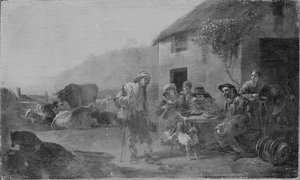
jan josef horemans the elder – Belgian painter (1682-1759) known for detailed interiors & anatomical precision.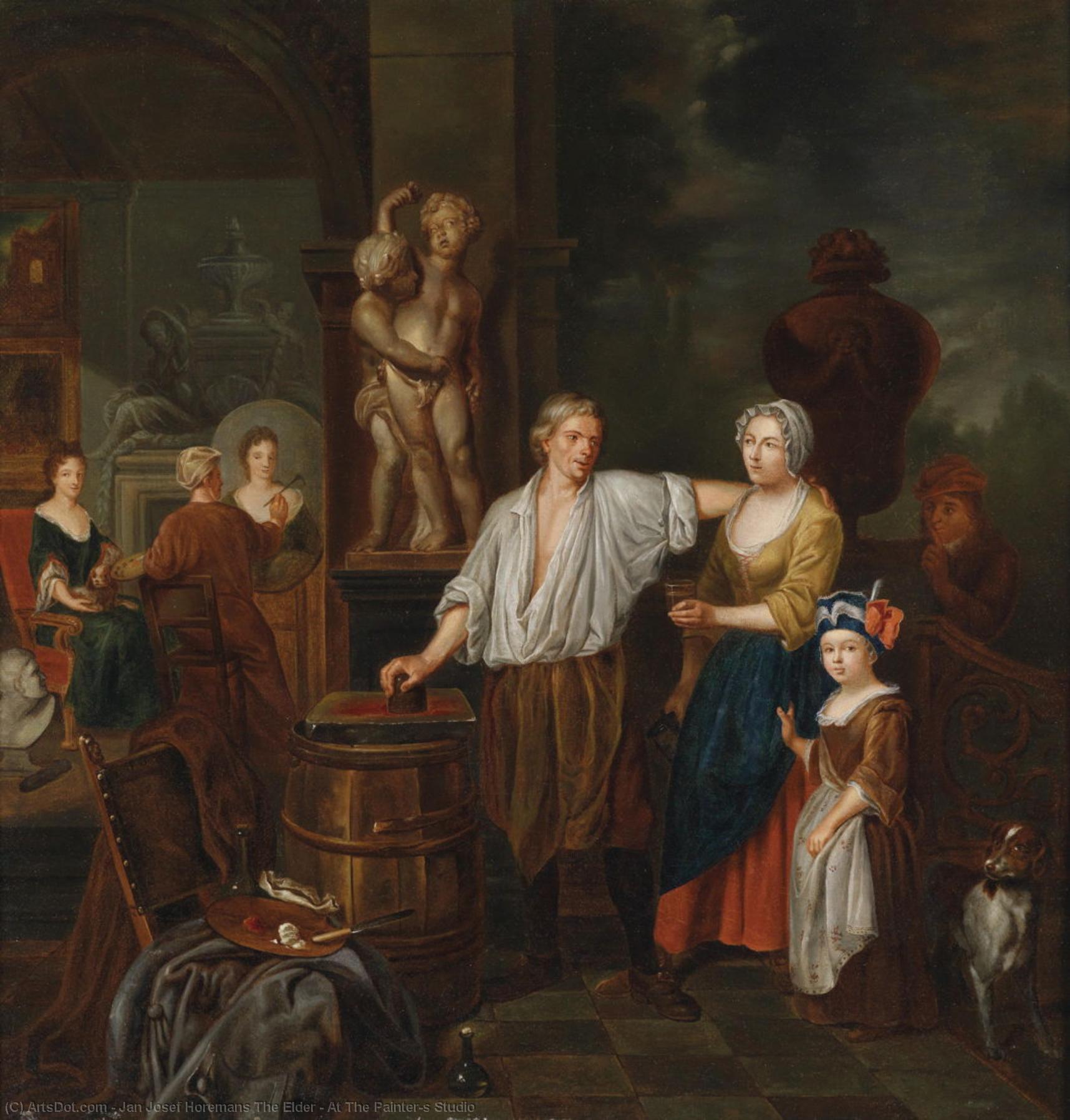
jan le ducq – Explore the captivating landscapes & animal paintings of Jan Le Ducq, a Dutch master known for his dog portraits.
Jan Miel – Cavaliere della Vita, (Anvers, 1599 - Turin, 1663) Court artist to Charles Emanuel II, Duke of Savoy.
Louvre, Paris, France – INV 1447 and MR 816 ( )
)

File:Jan Miel - The beggar.JPG – Wikimedia Commons 
Louvre Cartel – Foucart, Jacques, Catalogue des peintures flamandes et hollandaises du musée du Louvre, Gallimard / Louvre éditions, 2009, p. 182, ill. n&bCatalogue des peintures flamandes et hollandaises
Q&A
「LE MENDIANT」のスタイルは、作者が生きた時代とどのように関わっていますか?
ヤン・ミール作「LE MENDIANT」は、作者の近世という時代における、Dutch Golden Age Paintingのムーブメントに位置づけられます。
「LE MENDIANT」の著作権の状態は、なぜこのようなものになっているのでしょうか?
「LE MENDIANT」の著作権の状態について — パブリックドメイン(著作権消滅) — は、作者の没年である1663に基づいています。
ヤン・ミール作「LE MENDIANT」の彩度や色の強さはどのような感じでしょうか?
ヤン・ミール作「LE MENDIANT」は、Mutedの彩度とMonochromaticの強烈な色彩で描かれています。
作家プロフィール
ヤン・ミール:オランダの写実主義とバロックの壮麗を結ぶ架け橋
17世紀という芸術の黄金時代において、ヤン・ミール(1599–1663)は極めて重要な役割を担った画家の一人です。彼の作品には、フランドルの伝統的な技法とイタリアの革新的な精神が見事に融合しています。ベルギーのベーフェレンに生まれたとされていますが(アントウェルペンやデン・ボッシュ説もあります)、その初期の生涯については謎に包まれており、伝記的な詳細は決して多くはありません。しかし、学術的な研究が進むにつれ、彼の足跡は、様式の進化と精力的な交流を通じて、ローマやトリノといった活気あふれる文化圏において確固たる地位を築き上げた、驚くべき芸術的旅路であったことが明らかになってきました。
ミールの形成期は、主にアントウェルペンでの研鑽に費やされました。そこではアンソニー・ヴァン・ダイクのような著名なフランドルの巨匠たちの影響を深く吸収しました。具体的な修行の全容は定かではありませんが、彼の中に植え付けられた緻密な観察眼と洗練された技術は、その後の彼の作品群を象き立てる決定的な要素となりました。古典的な素描術と肖像画におけるこの強固な基礎こそが、後に地域的な境界を超えて活躍するための不可欠な武器となったのです。
ローマでの変容とバンボッチャンティの精神
1636年頃、ミールがローマに降り立ったことは、彼の芸術的軌道における決定的な転換点となりました。彼はすぐに、永遠の都に居住するオランダ・フランドル人画家の有力な結社「ベントフレーヘルス」に加わります。この兄弟愛に満ちた集団の中で、彼は「ビーコ(bieco)」という忘れがたい愛称を授かりました。これは彼の特徴的な、目を細めるような眼差しに由来するもので、後に彼の芸術的ペルソナそのものとなるものです。この結社への所属は、ピーテル・ファン・ラールが確立したバンボッチャンティ様式の影響を強く受けていた、広大な芸術コミュニティとの深い繋がりをもたらしました。
この運動は、盛期ルネサンスの理想化された壮大さをあえて避け、ローマとその周辺に生きる庶民の日常風景を描き出すことに情熱を注いでいました。それは、より本能的で、目の前にある生々しい現実を捉える試みでした。ミールはこの潮流を心から受け入れ、都市の営みの精神を驚くべき写実性と感性で捉えた、魅力的な風俗画を次々と生み出していきます。彼の作品には、しばしば以下のような要素が息づいていました。
- 旅人や商人、労働者たちが交差する、活気に満ちた街角の情景。
- ローマの路地裏に漂う、埃っぽく陽光が降り注ぐ空気感を呼び起こす、見事な光の演出。
- 混雑し、混沌とした設定の中で繊細に交錯する、人間の感情の機微。
- 布地や石、土といった素材の質感を捉える、緻密なまでのこだわり。
古典主義への進化と宮廷の壮麗さ
キャリアが進むにつれ、ミールの芸術的ビジョンは劇的な変貌を遂げました。彼は風俗画の巨匠であり続けながらも、バンボッチャンティ特有の泥臭い写実主義から離れ、より古典主義的な歴史画へと歩みを進め始めたのです。この変化は、バロック様式の剥き出しのエネルギーが、秩序や高貴さ、そして古典的な寓意への渇望によって次第に抑制されていくという、当時のヨーロッパ美術における大きな潮流を反映していました。
この進化は、最終的に彼を輝かしい地位へと導きました。その最も象徴的な出来事は、サヴォイ公シャルル=エマニュエル2世の宮廷画家としての任命です。トリノの宮廷に仕える中で、ミールの作品はより儀礼的で壮大な性格を帯びるようになりました。かつてのローマで見せた親密な情景は、王侯貴族の権威と威信を反映するために設計された、より大規模で複雑な構図へと取って代わられたのです。この時期は彼の職業的な達成の頂点であり、細部へのこだわりというフランドルのルーツが、ヨーロッパの貴族層が求めた壮大でドラマチックな物語性と出会った瞬間でもありました。
ヤン・ミールの歴史的な意義は、これら全く異なる二つの世界を自在に渡り歩いたその能力にあります。彼はローマの路地裏で苦闘する子供の中に美を見出し、同時に古代の叙事詩の中に尊厳を見出すことができた芸術家でした。北方の緻密な写実主義と南方の劇的な古典主義の溝を埋めることで、ミールは17世紀の美術史に消えることのない足跡を残し、バロック時代における真のコスモポリタンとしての遺産を確立したのです。
ヤン・ミール
1599 - 1663 , ベルギー
プロフィール概要
- Artistic Movement Or Style: バンボチャート、古典主義
- Artists Or Movements Influenced By This Artist: ['ピーテル・ファン・ラール']
- Artists Who Influenced This Artist: ['アンソニー・ヴァン・ダイク']
- Date Of Birth: 1599年 ベールウェン(ベルギー)
- Date Of Death: 1663年
- Full Name: ヤン・ミール
- Nationality: フランドル人
- Notable Artworks:
- 2頭の雄羊の戦いのある風景画
- 農民の賭け事があるローマの石灰窯
- Place Of Birth: ベールウェン(ベルギー)
関連記事

Chiaroscuro and Character: A Definitive Guide to Light and Shadow in the Dutch Baroque Era
Explore the dramatic mastery of the Dutch Baroque era. Discover how masters like Rembrandt used chiaroscuro to transform everyday life into timeless art. An expert guide for collectors and enthusiasts seeking to understand the profound interplay of light and shadow.

Dutch Baroque Masters: 10 Paintings That Shaped an Era | OriginalUniqueArt
Journey through the Golden Age with our guide to the Top 10 Dutch Baroque masterpieces! Explore iconic paintings by Rembrandt, Vermeer & Frans Hals. Find museum-quality art reproductions and elevate your home decor at OriginalUniqueArt.com.

Giclée Prints: Archival Quality & Aesthetic Nuances for the Discerning Collector
Explore the world of giclée prints with OriginalUniqueArt. Learn about archival quality, aesthetic nuances & investment potential. Expert guidance for discerning art collectors seeking museum-quality reproductions and lasting value.

Golden Age Reflections: Dutch Baroque Painting & Cultural Innovation
Explore the Dutch Golden Age of painting! Discover key artists like Vermeer & ter Borch, their innovative techniques, and the rich cultural context behind these Baroque masterpieces. Learn about collecting & appreciating this iconic art period.
Genre Painting: A Window into Daily Life & Societal Values of the Dutch Golden Age
Explore the captivating world of Dutch Golden Age genre painting! Discover realistic depictions of daily life, masterful artists like Ostade & Metsu, and hidden symbolism. Learn about this influential art movement with OriginalUniqueArt.