
 設置イメージを表示
 シェアする
シェアする シェアする
シェアする
 詳細を見る
詳細を見る ガイドを表示

 ダウンロード
 似ている作品
 X線調査
X線調査 スライドショーを表示
 Q&A
Q&A 統計情報
統計情報Copernicus in the tower at Frombork, or Conversations with God

- 221.0 x 315.0 cm


 詳細を表示
詳細を表示
ジークレー/アートプリント
スピーディーな制作と多彩な仕上げオプションが魅力の、ミュージアムクオリティなジークレー・キャンバスプリント。 ( 手描き複製画を注文する デジタル画像販売へ切り替え)




P118B ¥10

P118H ¥10

P118W ¥10

P438Z ¥10

P508JH ¥12

P508YH ¥12

P805H ¥10

P805Z ¥10

P919BZ ¥10

P919G ¥10

P919XJ ¥10

P959ZH ¥10

P968JZ ¥12

W106C ¥8

W218G ¥10

W218JH ¥8

W218Y ¥10

W307PJ ¥10

W316G ¥10

W316PJ ¥8

W316Y ¥10

W398PJ ¥8

W4111J ¥10

W500HY ¥15

W500JH ¥15

W692G ¥12

W849H ¥8

W940BG ¥15

W953PJ ¥8




作品のオリジナル比率に合わせた、当店の規定サイズからお選びください。

額縁や壁のスペースに合わせて、ご希望の幅と高さを入力してください。プリントはカットすることは可能ですが、元の画像より大きくすることはできないため、異なる比率のサイズを選択された場合は、画像の一部が欠けることになります。印刷を開始する前に、内容を確認していただくためのデジタルモックアップをお送りいたします。このページに表示されている画像は、実際のカット後の状態を示すものではありません。実際の仕上がりはモックアップにてご確認ください。


 ガラスオプションは、110cm未満のサイズでのみご利用いただけます。

Copernicus in the tower at Frombork, or Conversations with God
ジークレー/アートプリント
複製画サイズ一覧
-


合計金額
¥ 12821
The Visionary Canvas: Jan Matejko’s “Copernicus in the Tower at Frombork”
Jan Matejko's "Copernicus in the Tower at Frombork, or Conversations with God" isn’t merely a painting; it’s a potent distillation of intellectual fervor and spiritual contemplation. Completed in 1873, this monumental oil on canvas transports us to the heart of Renaissance Poland, capturing a pivotal moment not just in astronomical history but also in the nation's burgeoning sense of self-awareness. The scene unfolds within the austere yet majestic confines of Frombork Cathedral’s tower, a location imbued with both religious significance and scientific curiosity – a perfect embodiment of the painting’s central theme: the harmonious intersection of faith and reason.

A Masterpiece of Romantic Drama
Matejko, a towering figure in 19th-century Polish art, masterfully employs the tenets of Romanticism to elevate this historical subject. The painting pulsates with dramatic lighting – a chiaroscuro effect that sculpts the figures and emphasizes the solemnity of the scene. The deep blues and purples of the night sky contrast sharply with the warm hues of Copernicus’s study, creating a visual tension that mirrors the intellectual struggle he embodies. Notice how Matejko uses loose brushstrokes to convey movement and emotion, imbuing the composition with a sense of dynamism rarely found in earlier historical paintings. The figures are rendered with an almost theatrical intensity, their gestures and expressions conveying profound thought and perhaps even a touch of awe.
The Anatomy of Inquiry: Symbolism and Detail
Beyond its dramatic impact, “Copernicus” is rich in symbolic detail. Nicolaus Copernicus himself, depicted as a man of quiet contemplation, sits at his desk surrounded by the tools of his trade – astronomical instruments, charts, and open books. The globe, prominently displayed, speaks to his revolutionary heliocentric model of the universe, challenging the established geocentric view. A partially visible diagram of the solar system hints at the complex calculations he undertook. The inclusion of a skullcap suggests the weight of religious tradition alongside the pursuit of scientific truth. Even the brick wall in the background serves as a grounding element, anchoring the scene within the physical reality of Frombork and reminding us of the earthly context of this extraordinary intellectual journey.
A Legacy Forged in Faith and Reason
The painting’s creation coincided with the 400th anniversary of Copernicus' birth, a moment of national pride for Poland. Matejko’s decision to portray Copernicus not as a triumphant discoverer but as a man engaged in dialogue with something greater than himself—perhaps even God—resonates deeply within Polish cultural identity. The painting became a symbol of the nation’s intellectual and spiritual heritage, embodying the spirit of inquiry and the courage to challenge established dogma. Its eventual acquisition by the Jagiellonian University – a bastion of learning since the 14th century – underscores its enduring significance as a testament to the power of human intellect and the pursuit of knowledge. Today, this magnificent work continues to inspire contemplation on the relationship between science, faith, and the boundless mysteries of the universe.
Q&A
ご購入前に、ヤン・マテイコ作「Copernicus in the tower at Frombork, or Conversations with God」 をご自身の壁に飾った様子を確認することはできますか?
ヤン・マテイコ作「Copernicus in the tower at Frombork, or Conversations with God」のARで見るページでは、対応端末を使用して拡張現実(AR)により、作品をご自身の空間に表示してご確認いただけます。
「Copernicus in the tower at Frombork, or Conversations with God」の作者と制作年は?
「Copernicus in the tower at Frombork, or Conversations with God」は、1872年にヤン・マテイコによって制作されました。
「Copernicus in the tower at Frombork, or Conversations with God」の解説ページはどこにありますか?
「Copernicus in the tower at Frombork, or Conversations with God」のガイドは、作品の解説資料ページです。このページは印刷可能なファクトシートとなっており、作品のキャプション、クレジット、および詳細情報(作家名、制作年、技法、原寸大、所蔵)をまとめてご確認いただけます。
作家プロフィール
幼少期と教育
ヤン・アロジ・マテイコは、1838年6月24日にポーランドのクラクフで生まれました。彼の父、フランチシェク・クサヴェリ・マテイコはチェコ出身の家庭教師であり音楽教師でした。ヤンの幼少期は、1846年のクラクフ革命と1848年のオーストリア軍によるクラクフ包囲によって特徴づけられ、これらの出来事は後に彼の芸術的テーマに影響を与えることになります。マテイコは聖アンナ高校に通いましたが、1851年に成績不振のため中退しました。しかしながら、彼は幼い頃から並外れた芸術的才能を示していました。1852年から1858年までクラクフの美術学校で学び、ヴォイチェフ・コルネリ・スタトラーとヴワディスワフ・ウシュチキエヴィッチのもとで歴史画を専門としました。芸術的キャリア
マテイコの最初の重要な作品であるシュイスキー皇帝のジグムント3世の前は、1853年に完成しました。彼は1855年からクラクフ美術友協会で歴史画を展示し始めました。注目すべき作品には以下が含まれます:- レイタン (1866): ポーランドの歴史における重要な瞬間を描いた大きな油彩作品。
- ルブリン合同 (1869): マテイコの歴史的出来事を捉える能力を示す重要な作品。
- グルンヴァルトの戦い (1878): 戦闘シーンの激しさを伝える彼の能力を強調する傑作。
博物館への貢献と遺産
マテイコは生涯のほとんどをクラクフで過ごし、最終的にはヤン・マテイコ美術アカデミー(旧クラクフ美術アカデミー)の院長となりました。彼の生徒には、マウリチ・ゴットリープ、ヤツェク・マルチェフスキ、ヨゼフ・メホッフェル、スタニスワフ・ヴィスピャンスキなどの著名な画家が含まれています。OriginalUniqueArtで入手可能な注目作品:- ヤン・マテイコ: ヴァルナ (ロマン主義)
- ヤン・マテイコ: 静物画 (ロマン主義)
- ヤン・マテイコ: ルブリン合同 (298 x 512 cm、ロマン主義、油彩)
影響と様式
マテイコの作品はロマン主義運動に属し、ポーランドの歴史と国民意識を強く反映しています。彼は詳細な描写、ドラマチックな構図、そして鮮やかな色彩を用いて、過去の出来事を生き生きと再現しました。彼の絵画は単なる記録ではなく、ポーランドの人々のアイデンティティと精神性を表現するものでした。スタトラーやウシュチキエヴィッチからの影響を受けながらも、マテイコは独自のスタイルを確立し、歴史的テーマに深い感情と叙事詩的なスケールをもたらしました。彼の作品はしばしば愛国心を喚起し、ポーランドの国民的英雄や悲劇的な出来事を称えました。参考文献:
ポーランド国立博物館クラクフの傑作を発見する (wikipedia.org)
ヤン・マテイコ
1838 - 1893 , 日本
プロフィール概要
- Artistic Movement Or Style: ロマン主義
- Artists Or Movements Influenced By This Artist: ['マウリツィ・ゴットリープ']
- Artists Who Influenced This Artist:
- ヴォイチェフ・スタトラー
- ヴワディスワフ・ウシュチキエヴィチ
- Date Of Birth: 1838年6月24日
- Date Of Death: 1893年11月1日
- Full Name: ヤン・マテイコ
- Nationality: ポーランド人
- Notable Artworks (List Of Titles):
- 「グリュンワルドの戦い」
- 「リubin連合」
- Place Of Birth (City And Country): ポーランド、クラクフ
関連記事

The Enduring Legacy of Oil on Canvas: Technique, History & Aesthetic Impact
Explore the rich history & techniques of oil painting – from Renaissance masters to Impressionism. Discover pigments, layering methods, and why this timeless medium endures. Expert insights for artists & art enthusiasts.

油彩のキャンバス:技法、歴史、そして現代の実践 - 古典美術愛好家へ
油彩の技法、歴史、巨匠たちの秘密を徹底解説。古典美術愛好家向けに、初期フランドル絵画から現代の実践まで深く掘り下げます。OriginalUniqueArtで高品質な複製画やカスタムオーダーも承ります。

The Enduring Power of Painting: A Historical & Contemporary Exploration of Form and Emotion
Explore the rich history & enduring techniques of oil painting with OriginalUniqueArt. Discover masterpieces, learn about art collecting, and find authentic handmade reproductions crafted by skilled artists.

Oil on Canvas: A Historical & Technical Exploration of a Timeless Artistic Medium
Explore the rich history & enduring techniques of oil painting on canvas. Discover the science behind its longevity, conservation practices, and contemporary relevance. Expert insights for art enthusiasts.
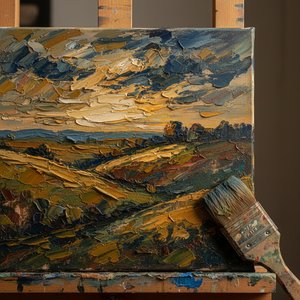
The Timeless Beauty of Oil on Canvas: A Masterclass in Texture, Impasto, and Artistic Mastery
Discover the profound allure of oil on canvas. Explore the mastery of impasto textures, the science of pigment longevity, and expert guides to selecting museum-quality reproductions that elevate your collection with timeless elegance and tactile depth.

