サイズ選択

() ·

あなたのために、手仕事で描かれた一枚の絵画

Triptych

手描き油彩複製画

当社のアーティストが、ご希望のサイズと額縁に合わせてキャンバスに手描きで制作する、オーダーメイドの油彩画です。 ( プリント版に切り替え デジタル画像販売へ切り替え)

作品解説

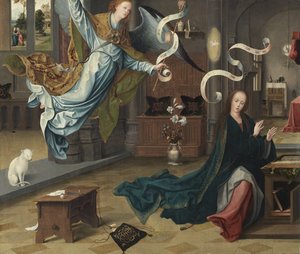
A dramatic Renaissance triptych by Jan De Beer featuring rich oil scenes of solemn religious gatherings and grand Gothic architecture that invites you to explore the exquisite detail of this 1515 masterpiece.

アーティストの略歴

An Antwerp Mannerist master known for his Triptych. Discover the divine beauty of his religious works today.

〜より ·

第1章

サイズはどのくらいが良いでしょうか?

スライドしてサイズを変更してください。左側の画像は、フレームの実際の幅を表示しています。作品の比率はそのまま維持されます。

標準サイズ
オーダーメイド
CM
INCH

作品のオリジナル比率に合わせた、当店の規定サイズからお選びください。

横幅
高さ

フレームや壁のスペースに合わせて、ご希望の幅と高さを入力してください。本作品は手描きのため、異なる比率のサイズをご希望の場合、絵画の周囲を少し広げて描くか、あるいは端を少しカットして調整することが可能です。お客様のご要望に合わせます。制作を開始する前に、仕上がりを確認するためのデジタルモックアップをお送りいたします。このページに表示されている画像は完成品の実物ではなく、あくまでモックアップによるイメージです。

第2章

どのような状態での配送をご希望ですか?

キャンバスの側面仕上げを選択

フレームを選択

Corner sample of the WhiteWrap canvas edge finish, stretched on 無垢材 bars
白の側面仕上げ ¥1
Corner sample of the BlurSideWrap canvas edge finish, stretched on 無垢材 bars
エッジぼかし仕上げ ¥1
Corner sample of the ExtendedWrap canvas edge finish, stretched on 無垢材 bars
回り込み仕上げ ¥1
Corner sample of the P118B picture frame: 成型ポリスチレン, 5 cm wide and 3 cm thick
P118B ¥10
Corner sample of the P118H picture frame: 成型ポリスチレン, 5 cm wide and 3 cm thick
P118H ¥10
Corner sample of the P118W picture frame: 成型ポリスチレン, 5 cm wide and 3 cm thick
P118W ¥10
Corner sample of the P438Z picture frame: 成型ポリスチレン, 5.5 cm wide and 3.5 cm thick
P438Z ¥10
Corner sample of the P508JH picture frame: 成型ポリスチレン, 7 cm wide and 3.5 cm thick
P508JH ¥12
Corner sample of the P508YH picture frame: 成型ポリスチレン, 7 cm wide and 3.5 cm thick
P508YH ¥12
Corner sample of the P805H picture frame: 成型ポリスチレン, 5 cm wide and 3.5 cm thick
P805H ¥10
Corner sample of the P805Z picture frame: 成型ポリスチレン, 5 cm wide and 3.5 cm thick
P805Z ¥10
Corner sample of the P919BZ picture frame: 成型ポリスチレン, 7 cm wide and 3.5 cm thick
P919BZ ¥10
Corner sample of the P919G picture frame: 成型ポリスチレン, 7 cm wide and 3.5 cm thick
P919G ¥10
Corner sample of the P919XJ picture frame: 成型ポリスチレン, 7 cm wide and 3.5 cm thick
P919XJ ¥10
Corner sample of the P959ZH picture frame: 成型ポリスチレン, 5 cm wide and 3 cm thick
P959ZH ¥10
Corner sample of the P968JZ picture frame: 成型ポリスチレン, 6 cm wide and 4 cm thick
P968JZ ¥12
Corner sample of the W106C picture frame: 無垢材, 5 cm wide and 3 cm thick
W106C ¥8
Corner sample of the W218G picture frame: 無垢材, 5 cm wide and 3 cm thick
W218G ¥10
Corner sample of the W218JH picture frame: 無垢材, 5 cm wide and 3 cm thick
W218JH ¥8
Corner sample of the W218Y picture frame: 無垢材, 5 cm wide and 3 cm thick
W218Y ¥10
Corner sample of the W307PJ picture frame: 無垢材, 6 cm wide and 3 cm thick
W307PJ ¥10
Corner sample of the W316G picture frame: 無垢材, 6 cm wide and 3 cm thick
W316G ¥10
Corner sample of the W316PJ picture frame: 無垢材, 6 cm wide and 3 cm thick
W316PJ ¥8
Corner sample of the W316Y picture frame: 無垢材, 6 cm wide and 3 cm thick
W316Y ¥10
Corner sample of the W398PJ picture frame: 無垢材, 5 cm wide and 3 cm thick
W398PJ ¥8
Corner sample of the W4111J picture frame: 無垢材, 6.5 cm wide and 3.5 cm thick
W4111J ¥10
Corner sample of the W500HY picture frame: 無垢材, 7 cm wide and 5 cm thick
W500HY ¥15
Corner sample of the W500JH picture frame: 無垢材, 7 cm wide and 5 cm thick
W500JH ¥15
Corner sample of the W692G picture frame: 無垢材, 8 cm wide and 4 cm thick
W692G ¥12
Corner sample of the W849H picture frame: 無垢材, 5 cm wide and 3 cm thick
W849H ¥8
Corner sample of the W940BG picture frame: 無垢材, 7.5 cm wide and 4.5 cm thick
W940BG ¥15
Corner sample of the W953PJ picture frame: 無垢材, 6 cm wide and 3.5 cm thick
W953PJ ¥8
Corner sample of the H24-GOLD picture frame: ジェッソ仕上げの木彫, 10 cm wide and 6 cm thick
H24-GOLD ¥30
Corner sample of the H24-SILVER picture frame: ジェッソ仕上げの木彫, 10 cm wide and 6 cm thick
H24-SILVER ¥30
Corner sample of the H36-GOLD picture frame: ジェッソ仕上げの木彫, 15 cm wide and 6.5 cm thick
H36-GOLD ¥45
Corner sample of the H36-SILVER picture frame: ジェッソ仕上げの木彫, 15 cm wide and 6.5 cm thick
H36-SILVER ¥45
額縁プレビュー
額装済み

額縁の形状: . 額縁を含む全体サイズ: .

第3章

誰が描き、何か変更すべき点はありますか?

変更可能な例:顔をお客様の写真に差し替え、ペットの変更(例:猫を犬に変更)、背景に隠しメッセージを追加、背景の風景や要素の変更。
ご注文後、OriginalUniqueArt.com のチームより詳細な手順についてメールをお送りし、仕上がりイメージ(モックアップ)をご提示いたします。

世界中への配送()は、通常の5週間ではなく、3〜4週間でお届けいたします。(8 11月)。品質には一切妥協いたしません。

第4章

仕上げのひと手間

美術館にあるような、銘板(ネームプレート)を。

刻印入りブロンズプレートの詳細

This elegant plaque features the artist's name and the title of the artwork, finely engraved for a timeless presentation.

It is made from bronze with a refined, elegant finish. The text is precisely laser-engraved for a sharp and permanent result. Measuring 9x2 cm, the plaque is compact yet easy to read. It's built to be durable and scratch-resistant, offering a professional, museum-quality look. Mounting is simple thanks to the included adhesive backing.

透明アクリル銘板の詳細

The plaque includes essential engraved details such as the artist's name, the title of the artwork, the date it was created, the type of media used-like oil on canvas or watercolor-a brief description of the piece, and a QR code that links to the complete artwork information.

It is crafted from clear acrylic, offering a sleek, modern appearance. The text is UV-engraved in black to ensure strong visual contrast. With a size of 10x15 cm, it ensures optimal readability. It comes equipped with two metal hooks for secure wall mounting. The plaque is designed to be weather-resistant, making it suitable for various environments, and it includes interactive features that work seamlessly with smartphone scanning.

黒アクリル製銘板の詳細

This elegant plaque includes engraved information such as the artist's name, the title of the artwork, the date it was created, the type of media used (like oil on canvas or watercolor), a short description of the artwork, and a QR code for quick access to more information.

The plaque itself is made from refined black acrylic with a premium finish. The text is laser-engraved in white for high contrast and readability. Its size is 10x15 cm, designed to be easy to read. It comes with two metal hooks for professional mounting. The design is sleek and fits any interior style. It is also weather-resistant and durable, with built-in digital integration for mobile compatibility.

保護用ニスをご希望ですか?

お届け希望日をお選びください

第5章

ご注文通りの絵画内容

Triptych

再現技法

複製画サイズ一覧

-

至高の熟練アーティスト

より細部までこだわった表現、洗練された技術、そして十分な制作時間

-

複製画用フレーム

-

-

いずれかの辺が105 cm(約41インチ)を超えるアートワークまたは複製画の場合、フレームは分解されたキットの状態でお届けいたします。この方法は、輸送中の破損を防ぎ、安全に配送するために採用しております。

組み立てには専門知識が必要です(DIY用製品ではありません)。
本キットは、経験豊富なプロの額装師が、木工用ボンド(別売)、キャンバス用プライヤー、およびボンドの乾燥時に桟を直角に保持するためのクランプを使用して、組み立ておよびキャンバスの張り作業を行う必要があります。不適切な組み立てやキャンバスの張りの不均一は、作品に永久的な損傷を与える恐れがあり、弊社の保証対象外となります。

  • すべての無垢材のパーツが含まれており、組み立てに最適なサイズに正確にカットされています。

  • 付属のネジを使用し、角の接合部には別途木工用ボンドをご用意ください(ボンドは付属しておりません)。ボンドは額装業者様にてご手配をお願いいたします。

  • プロ仕様の道具が必要ですが、キットには含まれていません:キャンバス用ストレッチングプライヤー(テンショナー)、および接着剤が乾燥するまで木枠を直角に固定するためのクランプ。

重要:
コーナーの接合部には木工用ボンドが必要です。また、ボンドが完全に乾くまでクランプでバーを固定しておく必要があり、組み立てたフレームにキャンバスを張るにはキャンバス用ストレッチングプライヤーが必要となります。これらの道具はキットに含まれておりません。このサイズをご注文される前に、経験豊富なプロの額装師(フライマー)の手配をお願いいたします。

キャプション

-

-

保護用ワニス

光沢ワニス(色彩を鮮やかに引き立て、光や湿気から保護します)

-

作品をカスタマイズ

カスタマイズの例:顔をお客様の写真に差し替える、ペットを追加する(例:猫を犬に変更)、背景に隠しメッセージを入れる、背景の風景や要素を変更する。

-

お急ぎ便

世界中への配送()は、通常の5週間ではなく、3〜4週間でお届けいたします。(8 11月)。品質には一切の妥協を許しません。

-

お急ぎ便

世界中への配送()は、5週間ほどでお届けします。(15 11月)。

込み

合計金額

¥ 47486

合計金額 ¥ 47486

ガラスオプションは、110cm未満のサイズでのみご利用いただけます。

すべての注文に同梱

  • 世界中へ無料エクスプレス配送
  • 高品質なリネンキャンバス
  • 配送時完全保険付
  • 関税・輸入税の払い戻し保証
  • 真の色彩再現に関する保証
  • 100日間返品保証(製造上の欠陥がある場合のみ)
  • 100% 全額返金保証
  • まとめ買い割引のご案内

A Window into the Northern Renaissance

In the quiet majesty of Jan De Beer’s Triptych, dated 1515, we are invited to step through a portal into the heart of the early sixteenth century. This extraordinary three-paneled masterpiece serves as more than just a religious or narrative tool; it is a breathtaking window into a world where the sacred and the secular dance in a delicate, gilded embrace. As one gazes upon the intricate details, there is an immediate sense of being transported to a time of profound transition, where the meticulous craftsmanship of the Northern Renaissance meets a burgeoning interest in human interaction and architectural grandeur. The work captures a moment in history when the mastery of oil on panel allowed artists to achieve a level of luminous depth that feels almost supernatural, inviting the viewer to linger on every brushstroke.

The composition unfolds like a beautifully choreographed drama across three distinct stages. In the left panel, we find ourselves within the solemnity of an indoor sanctuary. Here, the atmosphere is thick with reverence; figures gather around a central icon, their elaborate, heavy garments suggesting a high social standing and a deep-seated piety. The soaring ceilings and arched doorways create a sense of verticality that draws the eye upward, mirroring the spiritual aspirations of the era. Moving to the center panel, the perspective shifts dramatically to an expansive outdoor vista. From a balcony or terrace, we overlook a sprawling cityscape characterized by the elegant domes and columns of Gothic and Renaissance architecture. This scene breathes life into the work, offering a moment of observation and quiet conversation that connects the intimate religious devotion of the first panel to the wider, bustling world of the human experience.

The Mastery of Light and Texture

Technically, De Beer demonstrates the pinnacle of the oil painting tradition. The artist utilizes light not merely to illuminate, but to sculpt the very air within the panels. Through a sophisticated use of chiaroscuro, certain figures emerge from the shadows with startling clarity, while others recede into a soft, atmospheric haze, creating a profound sense of three-dimensional space. This interplay of light and shadow lends a dramatic, almost cinematic quality to the scenes, heightening the emotional weight of each gathering. The colors are remarkably rich and saturated; deep crimsons, regal blues, and warm ochres vibrate against one another, contributing to a visual feast that remains as vibrant today as it was five centuries ago.

For the discerning collector or interior designer, this Triptych offers an unparalleled opportunity to introduce a sense of historical weight and narrative complexity into a space. The right panel, featuring a convivial indoor gathering around a richly decorated table, provides a warm, humanizing counterpoint to the more formal scenes. The presence of luxurious tapestries and fine rugs depicted within the painting suggests a setting of immense wealth and power, making the piece an ideal focal point for rooms designed to evoke sophistication and timelessness. Whether displayed as a centerpiece in a grand hall or as a contemplative element in a private study, this reproduction brings with it the soul of the Renaissance, offering a continuous dialogue between the splendor of the past and the elegance of the present.

Q&A

Triptychは、Jan De Beerのキャリアにおけるどの時期の作品にあたりますか?

Jan De Beerの画業において、「Triptych」はMature Periodに制作されたものです。この時期の作品を知ることで、同アーティストの他の作品との比較検討が可能になります。

Jan De Beer作「Triptych」を彩る主役の色は何ですか?

「Triptych」は、Black (#17100b)を主軸としたEarthyなパレットによって構成されています。

Jan De Beer作「Triptych」をインテリアとしてどのように活用できますか?

「Triptych」はFocalに最適で、Dining Roomへの飾るのがおすすめです。

この絵画の詳細を見る

設置イメージを表示 ARで試着 プリント版に切り替え デジタル画像販売へ切り替え シェアする

詳細を見る ガイドを表示 お気に入りに追加 ダウンロード 似ている作品 X線調査 スライドショーを表示 Q&A 統計情報

数字で見る

  • 1515制作年
  • 29選べるフレーム一覧
  • 独自の比率による標準サイズ
  • 5制作と配送に数週間を要します
Jan De Beer

Jan De Beer

1475 - 1528, Netherlands

Jan De Beerについてのクイック・ファクト

  • Artistic Movement Or Style: Antwerp Mannerism
  • Full Name: Jan De Beer
  • Notable Artworks:
    • Madonna and Child with a pilgrim and an angel
    • Triptych
    • Annunciation
  • Place Of Birth: Netherlands
  • Date Of Birth: 1475
  • Date Of Death: 1528

作家プロフィール

The Master of Antwerp Mannerism

Jan De Beer stands as a luminous figure from the dawn of the sixteenth century, a period of profound spiritual and artistic transition in the Low Countries. Active primarily in Antwerp, he was a central protagonist in a loose but influential group of painters known as the Antwerp Mannerists. For many years, his individual identity remained shrouded in mystery, as much of his oeuvre was attributed to the Master of the Milan Adoration. It was only through the diligent efforts of art historians in the twentieth century that De Beer was rediscovered and reclaimed from the shadows of anonymity, revealing a painter of immense technical skill and profound religious devotion.

Born into an artistic lineage as the son of the painter Claes de Beer, Jan’s path was paved with the traditions of his craft. His early training under Gillis van Everen provided him with a foundation in the meticulous Netherlandish style, yet he would go on to transcend mere imitation. By 1504, he had achieved the prestigious status of master within the Antwerp Guild of Saint Luke, eventually rising to the esteemed position of dean. His professional life was deeply intertwined with the vibrant, bustling commerce and religious fervor of Antwerp, where he operated a large and productive workshop that shaped the visual language of the era.

A Symphony of Devotion and Detail

The work of Jan De Beer is characterized by a breathtaking marriage of Northern Renaissance realism and a burgeoning sense of theatricality. His compositions often serve as sacred windows, inviting the viewer into moments of divine encounter. In masterpieces such as his Annunciation, one finds a world where the celestial and terrestrial realms breathe in unison. He possessed a singular ability to render the weight of a heavy, ceremonial garment or the delicate, translucent sheen of a wine glass with such precision that the objects seem to possess a life of their own. This mastery of the oil medium allowed him to employ subtle gradations of light and shadow, creating a sense of volume and depth that pulls the observer into the heart of the narrative.

Beyond mere technical virtuosity, De Beer’s art is steeped in a rich tapestry of symbolism. Whether through the presence of birds hinting at divine grace or the architectural grandeur of Gothic arches acting as bridges to the heavens, every element of his work is imbued with meaning. His triptychs, such as those dating from approximately 1510 and 1515, demonstrate a sophisticated command over narrative flow, using multiple panels to orchestrate complex religious dramas that move between intimate indoor sanctuaries and expansive, sunlit vistas. In these works, the meticulous craftsmanship of the Northern tradition meets an emerging interest in human interaction and architectural scale.

Legacy and Historical Significance

Though his name fell into obscurity following the end of the sixteenth century, Jan De Beer’s influence endured through the lasting impact of the Antwerp Mannerist style. He was a contemporary of other great figures like Quentin Matsys and may have even collaborated with landscape innovators such as Joachim Patinir. His ability to maintain fame and respect during his lifetime—as noted by the Italian biographer Lodovico Guicciardini—speaks to the high regard in which he was held by his peers.

Today, De Beer is recognized not merely as a skilled craftsman, but as an artist who captured the very soul of a period in transition. His rediscovered legacy offers a vital link to the spiritual intensity of the early sixteenth century, reminding us of an age where art served as the primary vessel for divine communication and where every brushstroke was an act of profound faith.

作品詳細

  • Medium: Oil on panel
  • Artistic style: Renaissance
  • Title: Triptych
  • Dimensions: 156 x 123 cm