
 設置イメージを表示
 シェアする
シェアする シェアする
シェアする
 詳細を見る
詳細を見る ガイドを表示

 ダウンロード
 似ている作品
 X線調査
X線調査 スライドショーを表示
 Q&A
Q&A 統計情報
統計情報Triptych

- 73.0 x 56.0 cm


 詳細を表示
詳細を表示
ウェブ上のプレビューを遥かに凌駕する、印刷に最適なファイルをご提供します。当サイトで販売しているすべてのデジタル画像は、弊社のデータベース内にある高解像度のマスターデータ(通常、幅5,000〜15,000ピクセル)から作成されています。そのため、大判印刷や大胆なクロップ、細部まで緻密な再現も、安心してお楽しみいただけます。
当スタジオから送り出される画像は、すべて丁寧に加工されています。デジタルエキスパートが原画と照らし合わせて色調を精査し、必要に応じて補正を行った上で、プロ仕様のリタッチツールを用いて鮮明さと細部を向上させます。その際、アーティストの筆致やスタイルに忠実であることを常に追求しています。その結果、単なるスキャン画像にフィルターをかけたようなものではなく、まるで本物の絵画を見ているかのような仕上がりを実現しています。
仕上がりをご確認いただいてから完了となります。専門スタッフが、ご確認用の画像を72時間以内にメールでお送りいたします。もしご満足いただけない場合は、修正や改善のご要望を承るほか、品質が基準に満たない場合には返金も可能です。
出版社、デザインスタジオ、ギャラリー、そして印刷所から信頼される品質です。
デジタルアート
個人での鑑賞、印刷、クリエイティブなプロジェクトにご利用いただける高解像度ファイルをダウンロードできます。 ( プリント版に切り替え 手描き複製画を注文する)
デジタル画像のご注文に付随する特典
確かな品質による、プロフェッショナルなデジタル配信
OriginalUniqueArt.com を選ぶことは、単に画像を手に入れることではありません。プロの手によって精密に仕上げられ、満足保証が付いた高品質なデジタルアートワークを受け取ることを意味します。ご注文いただいた際に自動的に付随する内容は、以下の通りです:

メールですぐにお届け
ご注文から72時間以内に、高解像度のデジタル画像ファイルをメールでお送りいたします。お手元に届き次第、すぐにご利用いただけます。

AI技術で最適化されたデジタルファイル
お客様の作品は、高度なAI技術と専門家による手作業を組み合わせてプロフェッショナルに最適化されており、細部のディテール、鮮明さ、そして正確な色再現性を最大限に引き出しています。

生涯無料の再送サービス
ファイルを誤って削除したり、紛失してしまったりしましたか?ご安心ください。いつでも無料で再送いたします。

輸入手数料は、いつでも一切かかりません
関税や手数料、配送料を気にすることなく、お気に入りのアートワークをすぐにお楽しみいただけます。デジタルダウンロードは常に免税です。

正確な色彩の保証
プロ仕様のツールとカラーマネジメント技術を用いることで、デジタル画像が元の色を最大限に忠実に再現することを保証いたします。

100日間満足保証
ご購入いただいたデジタル画像にご満足いただけない場合は、100日以内であれば、理由を問わず修正または100%の返金対応をさせていただきます。

100% 返金保証
ご満足いただけない場合は、デジタルファイルを受け取ってから100日以内であれば、理由を問わず全額返金いたします。

まとめ買い割引
3枚購入で10%OFF、5枚購入で15%OFF、10枚以上のご購入で20%OFF。クリエイティブなプロジェクトやギャラリー、エージェンシーに最適です。
A Window into the Devotion of the Northern Renaissance
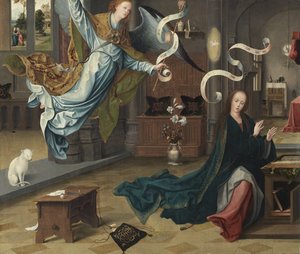
In the quiet, hallowed atmosphere of the Wallraf-Richartz-Museum in Cologne, there exists a portal to a bygone era of profound spiritual intensity. Jan De Beer’s Triptych, dating from approximately 1510, is not merely a painting but a sacred architectural experience rendered in oil and oak. As one approaches these three panels, the viewer is immediately enveloped by the dramatic grandeur of the Northern Renaissance. This masterpiece serves as a breathtaking testament to an age where art was the primary vessel for divine communication, blending the meticulous realism of the Netherlandish tradition with a burgeoning sense of theatrical scale.
The composition unfolds across three distinct panels, each measuring 73 x 56 cm, creating a rhythmic movement that guides the eye through scenes of solemn religious gatherings. De Beer utilizes the unique format of the triptych to orchestrate a narrative flow, where the central focus is anchored by grand Gothic architecture. These soaring arches and intricate stone details do more than provide a setting; they act as a symbolic bridge between the earthly realm of the figures depicted and the celestial heavens above. The artist’s ability to render light filtering through these imagined cathedrals creates a sense of depth that pulls the observer into the very heart of the liturgy.
Mastery of Light and Netherlandish Detail
The technical brilliance of Jan De Beer lies in his command over the oil medium, a technique that allowed for the exquisite layering of glazes to achieve unparalleled luminosity. Every inch of this work reveals a devotion to detail that is characteristic of the period's finest practitioners. One can observe the heavy, rich textures of ceremonial garments, the subtle sheen on polished surfaces, and the atmospheric haze that lends a sense of profound stillness to the religious assembly. This meticulous approach ensures that even the smallest element—a fold in a cloak or the shadow cast by a pillar—contributes to the overall emotional weight of the piece.
For the discerning collector or interior designer, this triptych offers an unparalleled opportunity to introduce a sense of historical gravity and sophisticated elegance into a space. The interplay of light and shadow within the painting provides a dynamic visual interest that evolves with the ambient lighting of a room. Whether placed in a curated gallery setting or as a focal point in a stately library, the work commands attention through its quiet power rather than through mere ornamentation. It is an invitation to contemplate the intersection of human craftsmanship and spiritual aspiration.
A Timeless Legacy for Modern Interiors
Beyond its historical significance, the Triptych resonates with a contemporary appreciation for storytelling and structural beauty. The piece embodies a sense of "sacred drama," where the solemnity of the figures evokes a meditative state in the viewer. This emotional resonance makes it an ideal choice for those seeking to decorate spaces intended for reflection, study, or high-end hospitality environments that require a touch of Old World prestige.
Owning a high-quality reproduction of such a significant work allows one to preserve the legacy of Jan De Beer within a modern context. It brings the rich textures and the somber, beautiful palette of the 16th century into the present day, offering a sophisticated layer of cultural depth. To display this triptych is to celebrate the enduring human desire to capture the sublime through the mastery of paint and wood.
Q&A
Jan De Beer作「Triptych」の解説ページはありますか?
Jan De Beer作「Triptych」には、解説資料ページをご用意しています。これは、学生や教室での学習用に設計された、印刷可能な作品解説シートです。
Jan De Beer作「Triptych」の技法とサイズを教えてください。
「Triptych」はOil On Panelで制作されており、原寸は73 x 56 cmです。
Jan De Beer作「Triptych」をスライドショーで閲覧するには、どうすればよいですか?
Jan De Beer作「Triptych」は、作品のスライドショーページにてスライドショーとしてご覧いただけます。
作家略歴
The Master of Antwerp Mannerism
Jan De Beer stands as a luminous figure from the dawn of the sixteenth century, a period of profound spiritual and artistic transition in the Low Countries. Active primarily in Antwerp, he was a central protagonist in a loose but influential group of painters known as the Antwerp Mannerists. For many years, his individual identity remained shrouded in mystery, as much of his oeuvre was attributed to the Master of the Milan Adoration. It was only through the diligent efforts of art historians in the twentieth century that De Beer was rediscovered and reclaimed from the shadows of anonymity, revealing a painter of immense technical skill and profound religious devotion.
Born into an artistic lineage as the son of the painter Claes de Beer, Jan’s path was paved with the traditions of his craft. His early training under Gillis van Everen provided him with a foundation in the meticulous Netherlandish style, yet he would go on to transcend mere imitation. By 1504, he had achieved the prestigious status of master within the Antwerp Guild of Saint Luke, eventually rising to the esteemed position of dean. His professional life was deeply intertwined with the vibrant, bustling commerce and religious fervor of Antwerp, where he operated a large and productive workshop that shaped the visual language of the era.
A Symphony of Devotion and Detail
The work of Jan De Beer is characterized by a breathtaking marriage of Northern Renaissance realism and a burgeoning sense of theatricality. His compositions often serve as sacred windows, inviting the viewer into moments of divine encounter. In masterpieces such as his Annunciation, one finds a world where the celestial and terrestrial realms breathe in unison. He possessed a singular ability to render the weight of a heavy, ceremonial garment or the delicate, translucent sheen of a wine glass with such precision that the objects seem to possess a life of their own. This mastery of the oil medium allowed him to employ subtle gradations of light and shadow, creating a sense of volume and depth that pulls the observer into the heart of the narrative.
Beyond mere technical virtuosity, De Beer’s art is steeped in a rich tapestry of symbolism. Whether through the presence of birds hinting at divine grace or the architectural grandeur of Gothic arches acting as bridges to the heavens, every element of his work is imbued with meaning. His triptychs, such as those dating from approximately 1510 and 1515, demonstrate a sophisticated command over narrative flow, using multiple panels to orchestrate complex religious dramas that move between intimate indoor sanctuaries and expansive, sunlit vistas. In these works, the meticulous craftsmanship of the Northern tradition meets an emerging interest in human interaction and architectural scale.
Legacy and Historical Significance
Though his name fell into obscurity following the end of the sixteenth century, Jan De Beer’s influence endured through the lasting impact of the Antwerp Mannerist style. He was a contemporary of other great figures like Quentin Matsys and may have even collaborated with landscape innovators such as Joachim Patinir. His ability to maintain fame and respect during his lifetime—as noted by the Italian biographer Lodovico Guicciardini—speaks to the high regard in which he was held by his peers.
Today, De Beer is recognized not merely as a skilled craftsman, but as an artist who captured the very soul of a period in transition. His rediscovered legacy offers a vital link to the spiritual intensity of the early sixteenth century, reminding us of an age where art served as the primary vessel for divine communication and where every brushstroke was an act of profound faith.
Jan De Beer
1475 - 1528 , Netherlands
プロフィール概要
- Artistic Movement Or Style: Antwerp Mannerism
- Full Name: Jan De Beer
- Notable Artworks:
- Madonna and Child with a pilgrim and an angel
- Triptych
- Annunciation
- Place Of Birth: Netherlands
- Date Of Birth: 1475
- Date Of Death: 1528