- ホーム

- キャンバスプリント用
- ジェームズ・ワード
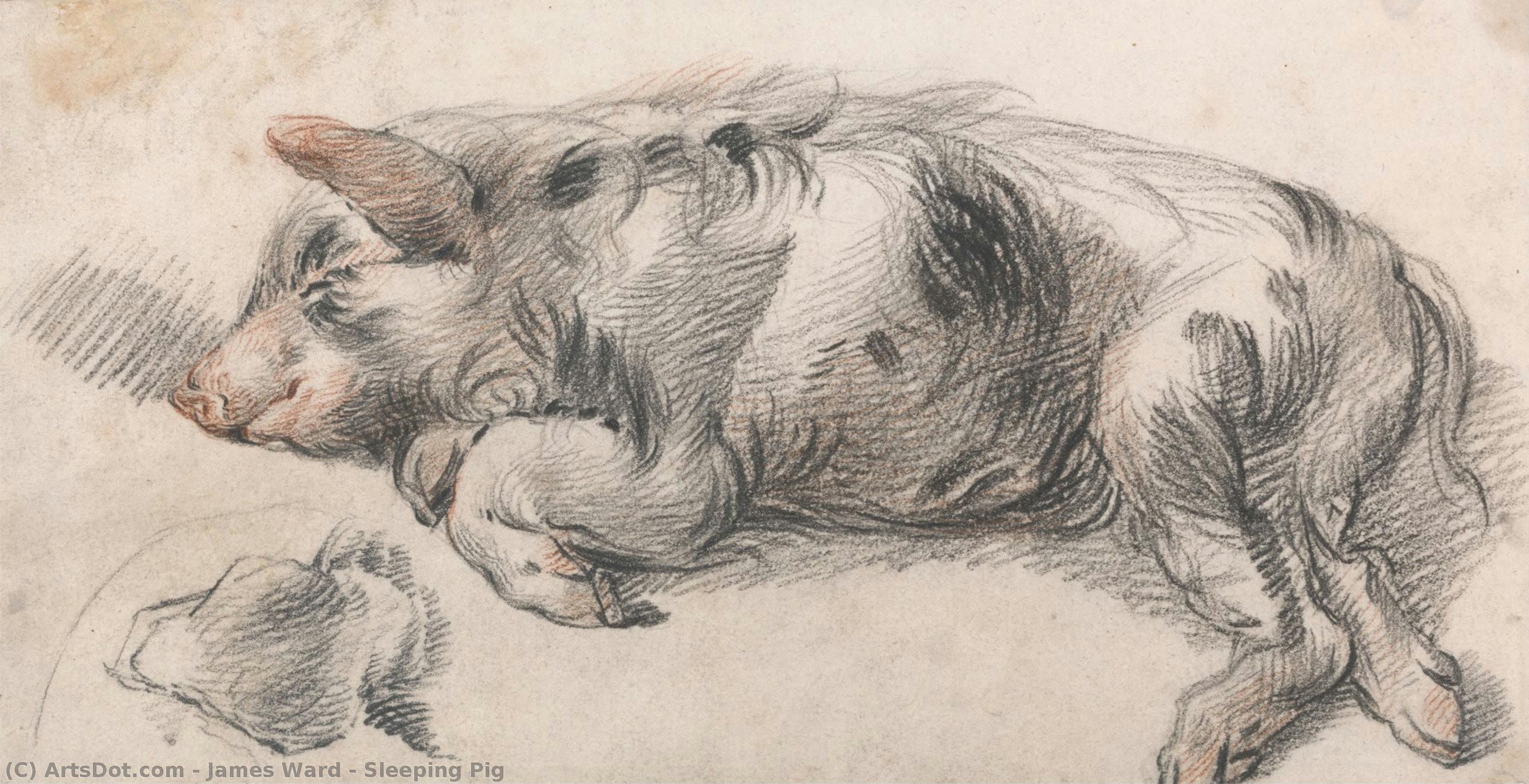
- Sleeping Pig
 Preview
 シェアする
シェアする シェアする
シェアする
 詳細を見る
詳細を見る

 ダウンロード
 似ている作品
 X線調査
X線調査 スライドショー
Sleeping Pig
 Acrylic On Canvas
- WallArt
- Romantic Landscape
 14.0 x 26.0 cm
 イェール英国美術館
 詳細を見る
詳細を見る
ジークレー/アートプリント
迅速な制作と多彩な仕上げオプションを備えた、ミュージアムクオリティのジークレーまたはキャンバスプリント。 ( Switch to hand made Painting Switch to Image)




P118B $10

P118H $10

P118W $10

P438Z $10

P508JH $12

P508YH $12

P805H $10

P805Z $10

P919BZ $10

P919G $10

P919XJ $10

P959ZH $10

P968JZ $12

W106C $8

W218G $10

W218JH $8

W218Y $10

W307PJ $10

W316G $10

W316PJ $8

W316Y $10

W398PJ $8

W4111J $10

W500HY $15

W500JH $15

W692G $12

W849H $8

W940BG $15

W953PJ $8




作品のオリジナル比率に合わせた、当店の規定サイズからお選びください。

特定のフレームやスペースに合わせて、ご自身でサイズを指定することも可能です。選択されたサイズが元の画像の比率と一致しない場合、作品をトリミングするか、鏡面反射または単色での塗りつぶしによって画像を拡張いたします。制作を開始する前に、ご確認用のデジタルモックアップをお送りいたします。
画面上のプレビューには、実際のトリミングや拡張は反映されませんのでご注意ください。最終的な構図を正確に確認できるのは、モックアップのみとなります。
カスタムサイズも承っておりますが、元の比率を維持するためには、あらかじめ用意されたリストからサイズを選択することをお勧めいたします。


 ガラスオプションは、110cm未満のサイズでのみご利用いただけます。

Sleeping Pig
ジークレー/アートプリント
複製画のサイズ
-


合計金額
$ 80
作品詳細説明
James Ward’s “Sleeping Pig”: A Study in Romantic Pastoral
The artwork "Sleeping Pig" by James Ward (1769–1859), a deceptively simple depiction of a pig nestled amongst grasses and a stone wall, embodies the spirit of British Romanticism. More than just a charming animal portrait, it’s a carefully considered meditation on tranquility, observation, and the beauty found in the commonplace – themes central to the artistic sensibilities of Ward's era.Style and Technique: Morlandian Influence
Initially, Ward’s artistic vision mirrored that of his brother-in-law George Morland, whose landscapes captivated audiences with their idyllic scenes of rural life. Like Morland, Ward employed a loose brushstroke technique characterized by soft edges and hazy atmospheric perspective. This approach prioritizes capturing the mood and feeling of the environment rather than striving for photographic realism. The muted palette—primarily browns, greens, and creams—further enhances this impression of serenity and reinforces the painting’s connection to the natural world. Notice how Ward skillfully renders the texture of the grass and stone wall, conveying a tactile quality that invites contemplation.Historical Context: The Rise of Sentimentality
Ward's work emerged during a period marked by significant intellectual and artistic shifts. Romanticism rejected Enlightenment rationalism in favor of emotion, imagination, and individualism. Artists sought inspiration from folklore, mythology, and the sublime—experiences that evoked awe and wonder before the grandeur of nature. “Sleeping Pig” reflects this broader cultural preoccupation with pastoral imagery – scenes depicting rural landscapes and shepherds – as a symbol of innocence, simplicity, and moral virtue. It aligns perfectly with the Romantic ideal of finding solace and spiritual enrichment in communion with the natural world.Symbolism: Rest and Reflection
The pig itself is not merely an animal subject; it carries symbolic weight within Romantic art. Traditionally associated with fertility and abundance, the pig represents groundedness and contentment—qualities antithetical to the anxieties of urban life prevalent during Ward’s time. The posture of the pig – curled up in repose – symbolizes introspection and quiet contemplation. Furthermore, the inclusion of birds adds another layer of meaning. Birds are often seen as messengers of divine grace or symbols of freedom and aspiration, suggesting that even amidst stillness, there is an underlying dynamism of observation and awareness.Emotional Impact: A Momentary Escape
“Sleeping Pig” succeeds in transporting the viewer to a tranquil rural setting. The painting’s gentle colors and soft brushstrokes evoke feelings of peace and serenity—a welcome respite from the complexities of Victorian society. Ward's masterful depiction captures not just what is seen but also what is felt, inviting contemplation on themes of beauty, simplicity, and connection with nature. It remains a testament to the enduring power of Romantic art to inspire emotion and offer solace in its quiet grandeur.アーティストの略歴
ジェームズ・ワード:英国美術史に刻まれた生涯
ジェームズ・ワード(1769-1859)は、心を捉えて離さない動物画、ロマンティックな風景画、そして洞察力に満ちた肖像画で名を馳せた、英国を代表する画家の一人です。同時代の巨匠たちの影に隠れがちなこともありましたが、彼の類まれなるスタイルと卓越した技術は、19世紀における英国美術の発展に極めて重要な影響を与えました。
幼少期と研鑽の道
1769年10月23日、英国ロンドンに生まれたジェームズ・ワードは、版画師ウィリアム・ワードの弟として、芸術的な才能を育む豊かな家庭環境の中で育ちました。彼は一定の正規教育を受けたものの、その真の芸術的成長は、自ら進んで自然を観察し、絶え間ない実践を繰り返すという、独学に近い情熱によって成し遂げられたものでした。
芸術的変遷と受けた影響
ワードの画業は、その影響力の変化から大きく二つの時期に分けることができます。初期、すなわち1803年頃までは、義理の兄であるジョージ・モーランドの作風に強く共鳴しており、日常の風景を描いた風俗画を中心とした作品を手がけていました。しかし、その後、彼はバロック期の巨匠ピーテル・パウル・ルーベンスから深いインスピレーションを受けます。これにより、彼の作品はよりダイナミックな構図、豊かな色彩、そして光と影を劇的に操る技法へと進化を遂げたのです。
代表作に見る芸術的真髄
ワードの唯一無二のスタイルは、多くの同時代人の中でも際立った存在感を放っていました。歴史画から肖像画、風景画、そして動物画に至るまで、彼はあらゆるジャンルにおいて卓越した才能を発揮しました。彼の輝かしい名作には、以下のような作品が挙げられます。
- ゴードール・スカー(1814/15年):彼の最高傑作と称されるこの作品は、ヨークシャーの峡谷を劇的に描き出し、英国ロマン主義が持つ「崇高」な美を見事に体現しています。
- 鹿泥棒(1823年):テオフィラス・レヴェットの依頼によるこの絵画は、物語性と動物描写におけるワードの卓越した技術を証明しています。
- スタッフォードシャー州ウィクノールでの狩猟、ジョン・レヴェット(1817年):パトロンの一人である人物を描いたこの肖像画は、対象の容貌のみならず、その場の空気感までも捉える彼の筆致を伝えています。
彼の絵画の特徴は、細部への緻密なこだわり、特に動物の質感表現における驚異的な正確さにあります。そこにロマン主義的な感性が融合することで、自然が持つ美しさと力強さが、見る者の魂に訴えかけるのです。
依頼と展覧会
ワードはテオフィラス・レヴェットのような有力な人物たちから厚い庇護を受け、数多くの作品制作の依頼を受けました。また、ロイヤル・アカデミーでの定期的な展覧会を通じて、その独創性と技術を広く世に知らしめました。1811年に同アカデミーの会員として認められたことは、英国美術界における彼の地位を確固たるものにしました。
晩年と遺されたレガシー
ワードは精力的な創作活動を続けましたが、1855年の脳卒中によってそのキャリアは断たれてしまいました。かつての成功にもかかわらず、1859年11月17日、彼は比較的困窮した状況の中でその生涯を閉じました。
晩年の経済的な苦難に直面しながらも、ジェームズ・ワードが英国美術に与えた影響は否定しようのないものです。リアリズムとロマン主義を見事に融合させた彼のスタイルは、後の世代の動物画家や風景画家たちの道を切り拓きました。彼の作品は現在、テート・ブリテンやイェール大学英国美術センターといった世界的な美術館に収蔵され、今なお輝きを放っています。
歴史的意義
ジェームズ・ワードは、英国美術における新古典主義からロマン主義への移行期において、極めて重要な役割を果たしました。彼は伝統的な風俗画と、当時高まりつつあった風景画や自然主義への関心との架け橋となり、時代を超えて人々を魅了し続ける、情熱的な作品の遺産を私たちに残したのです。

ジェームズ・ワード
1769 - 1859 , イギリス
基本情報
- Birth Date: 1769年10月23日
- Birth Place: イギリス、ロンドン
- Death Date: 1859年11月17日
- Influenced By:
- ジョージ・モランド
- ルーベンス
- Movement: ロマン主義
- Name: ジェームズ・ワード
- Nationality: イギリス
- Notable Works:
- ゴードール・スカー
- 鹿盗み
- ウィッチナーで狩猟するジョン・レヴェット
関連記事

Sir Alfred Munnings' Masterpieces: 25 Paintings That Define Equine Art | OriginalUniqueArt
Explore 25 iconic Sir Alfred Munnings paintings! Discover the beauty of British Impressionism, equine art & rural England. Find museum-quality reproductions and elevate your home decor with OriginalUniqueArt. Explore the full collection online.

ジェームズ・マクニール・ホイストラー:至高の25選 - 美と調和を求めた芸術家の軌跡 | OriginalUniqueArt
ジェームズ・マクニール・ホイストラーの至高の25選。ノクターン、印象派、美しい色彩に満ちた作品群を紐解きます。OriginalUniqueArtで高品質なアートプリントとインテリアをお楽しみください。名画の世界へ – OriginalUniqueArt.com
メトロポリタン美術館の至宝25選:名画とアートが語る歴史と美【OriginalUniqueArt】
メトロポリタン美術館の至宝25選。モネ、ゴッホ、レンブラント…名画に秘められた物語と技法を紐解きます。印象派からルネサンスまで、時代を超えて輝く芸術作品をウォールアートで暮らしに取り入れませんか?OriginalUniqueArt.comで全コレクションをご覧ください。
ナショナル・ギャラリーの至宝25選:名画が語る芸術と歴史 | OriginalUniqueArt
ワシントン美術館の至宝25選。セザンヌ、マティス、ピカソ…名画に秘められた物語と色彩を紐解きます。OriginalUniqueArtで高品質な絵画複製やインテリアアートを見つけ、お部屋に芸術の輝きを。今すぐコレクションをご覧ください!

ポール・セザンヌ:至高の25選 - 傑作と革新の軌跡 | OriginalUniqueArt
ポール・セザンヌの至高の25選。ポスト印象派を代表する画家、セザンヌの傑作と革新的な技法を紐解きます。OriginalUniqueArtで高品質な複製画やインテリアアートを見つけ、芸術の世界をご自宅に。今すぐコレクションをご覧ください。

