

 設置イメージを確認
 送る
送る シェア
シェア
 詳細情報
詳細情報 ガイドを表示

 画像をダウンロード
 似ている作品
 X線調査
X線調査 スライドショー
 Q&A
Q&A 統計情報
統計情報Eagle, a Celebrated Stallion
 Oil On Canvas
- WallArt
- Romantic Landscape
 1809
1809- 19th Century
 91.0 x 122.0 cm
 イェール英国美術館
 続きを読む
続きを読む
ジークレー/アートプリント
スピーディーな制作と多彩な仕上げオプションが魅力の、ミュージアムクオリティなジークレー・キャンバスプリント。 ( 手描きの複製画を注文する デジタル画像販売へ切り替え)




P118B ¥10

P118H ¥10

P118W ¥10

P438Z ¥10

P508JH ¥12

P508YH ¥12

P805H ¥10

P805Z ¥10

P919BZ ¥10

P919G ¥10

P919XJ ¥10

P959ZH ¥10

P968JZ ¥12

W106C ¥8

W218G ¥10

W218JH ¥8

W218Y ¥10

W307PJ ¥10

W316G ¥10

W316PJ ¥8

W316Y ¥10

W398PJ ¥8

W4111J ¥10

W500HY ¥15

W500JH ¥15

W692G ¥12

W849H ¥8

W940BG ¥15

W953PJ ¥8




作品のオリジナル比率に合わせた、当店の規定サイズからお選びください。

額縁や壁のスペースに合わせて、ご希望の幅と高さを入力してください。プリントはカットすることは可能ですが、元の画像より大きくすることはできないため、異なる比率のサイズを選択された場合は、画像の一部が欠けることになります。印刷を開始する前に、内容を確認していただくためのデジタルモックアップをお送りいたします。このページに表示されている画像は、実際のカット後の状態を示すものではありません。実際の仕上がりはモックアップにてご確認ください。


 ガラスオプションは、110cm未満のサイズでのみご利用いただけます。

Eagle, a Celebrated Stallion
ジークレー/アートプリント
複製画サイズ一覧
-


合計金額
¥ 12587
The Spirit of Equestrian Majesty
In the realm of British Romanticism, few images capture the raw, untamed essence of nature as profoundly as James Ward’s “Eagle, a Celebrated Stallion.” This masterpiece is not merely a portrait of an animal; it is a visceral encounter with power and grace. The painting presents a magnificent brown and white stallion standing prominently in a verdant field, its head lifted toward the heavens in a moment of sublime alertness. As the eye wanders through the composition, one discovers other horses resting in the distance, adding a sense of depth and pastoral life to the scene. The atmosphere is thick with emotion, driven by a dramatic, cloudy sky that casts shifting lights and shadows across the landscape, enveloping the subject in a cinematic, almost spiritual glow.
Ward’s technique serves as a bridge between meticulous realism and an almost prophetic atmospheric sensitivity. He employs a masterful blend of tonal painting and detailed rendering, particularly evident in the way he captures the muscular tension and texture of the horse's coat. There is a palpable energy in his brushwork that anticipates the fluidity of later movements, allowing the viewer to feel the very breath of the animal. The interplay of light through the heavy clouds creates a sense of movement within the stillness, making the field feel alive with the quiet drama of the natural world.
Symbolism and the Romantic Vision
Beyond its physical beauty, “Eagle, a Celebrated Stallion” functions as a profound meditation on virtue and strength. Within the context of the era, the name "Eagle" and the horse's noble posture evoke themes of vigilance, nobility, and dominion. The stallion becomes an emblem of much more than biological reality; it represents a soaring spirit that mirrors the Romantic fascination with the sublime. The landscape itself—a tranquil yet powerful setting—symbolizes the harmonious, albeit wild, connection between all living things. For the discerning collector or interior designer, this work offers a commanding presence that transcends mere decoration.
To possess a reproduction of this work is to invite a sense of historical grandeur and emotional depth into a space. It provides an anchor of classical elegance, suitable for those seeking to evoke the sophisticated atmosphere of a traditional gallery or a refined contemporary study. The painting’s ability to communicate both the quietude of a pastoral afternoon and the thundering potential of a powerful beast ensures that it remains a timeless centerpiece, inspiring contemplation and awe in any setting.
よくあるご質問
原画の"Eagle, a Celebrated Stallion"のサイズはどのくらいですか?
「Eagle, a Celebrated Stallion」の原画のサイズは91 x 122 cmです。原画の寸法は、複製画のサイズを選ぶ際の参考としてお役立ていただけます。
ジェームズ・ワード作「Eagle, a Celebrated Stallion」にはどのような技法が用いられていますか?
ジェームズ・ワードは、「Eagle, a Celebrated Stallion」においてOil On Canvasの技法を用いています。この技法が、原画の素材としての性質を決定づけています。
「Eagle, a Celebrated Stallion」はどの様式に属していますか?
ジェームズ・ワード作「Eagle, a Celebrated Stallion」はRomantic Landscapeに属しています。このムーブメントは、本作の様式的な背景を形作るものです。
アーティストについて
ジェームズ・ワード:英国美術史に刻まれた生涯
ジェームズ・ワード(1769-1859)は、心を捉えて離さない動物画、ロマンティックな風景画、そして洞察力に満ちた肖像画で名を馳せた、英国を代表する画家の一人です。同時代の巨匠たちの影に隠れがちなこともありましたが、彼の類まれなるスタイルと卓越した技術は、19世紀における英国美術の発展に極めて重要な影響を与えました。
幼少期と研鑽の道
1769年10月23日、英国ロンドンに生まれたジェームズ・ワードは、版画師ウィリアム・ワードの弟として、芸術的な才能を育む豊かな家庭環境の中で育ちました。彼は一定の正規教育を受けたものの、その真の芸術的成長は、自ら進んで自然を観察し、絶え間ない実践を繰り返すという、独学に近い情熱によって成し遂げられたものでした。
芸術的変遷と受けた影響
ワードの画業は、その影響力の変化から大きく二つの時期に分けることができます。初期、すなわち1803年頃までは、義理の兄であるジョージ・モーランドの作風に強く共鳴しており、日常の風景を描いた風俗画を中心とした作品を手がけていました。しかし、その後、彼はバロック期の巨匠ピーテル・パウル・ルーベンスから深いインスピレーションを受けます。これにより、彼の作品はよりダイナミックな構図、豊かな色彩、そして光と影を劇的に操る技法へと進化を遂げたのです。
代表作に見る芸術的真髄
ワードの唯一無二のスタイルは、多くの同時代人の中でも際立った存在感を放っていました。歴史画から肖像画、風景画、そして動物画に至るまで、彼はあらゆるジャンルにおいて卓越した才能を発揮しました。彼の輝かしい名作には、以下のような作品が挙げられます。
- ゴードール・スカー(1814/15年):彼の最高傑作と称されるこの作品は、ヨークシャーの峡谷を劇的に描き出し、英国ロマン主義が持つ「崇高」な美を見事に体現しています。
- 鹿泥棒(1823年):テオフィラス・レヴェットの依頼によるこの絵画は、物語性と動物描写におけるワードの卓越した技術を証明しています。
- スタッフォードシャー州ウィクノールでの狩猟、ジョン・レヴェット(1817年):パトロンの一人である人物を描いたこの肖像画は、対象の容貌のみならず、その場の空気感までも捉える彼の筆致を伝えています。
彼の絵画の特徴は、細部への緻密なこだわり、特に動物の質感表現における驚異的な正確さにあります。そこにロマン主義的な感性が融合することで、自然が持つ美しさと力強さが、見る者の魂に訴えかけるのです。
依頼と展覧会
ワードはテオフィラス・レヴェットのような有力な人物たちから厚い庇護を受け、数多くの作品制作の依頼を受けました。また、ロイヤル・アカデミーでの定期的な展覧会を通じて、その独創性と技術を広く世に知らしめました。1811年に同アカデミーの会員として認められたことは、英国美術界における彼の地位を確固たるものにしました。
晩年と遺されたレガシー
ワードは精力的な創作活動を続けましたが、1855年の脳卒中によってそのキャリアは断たれてしまいました。かつての成功にもかかわらず、1859年11月17日、彼は比較的困窮した状況の中でその生涯を閉じました。
晩年の経済的な苦難に直面しながらも、ジェームズ・ワードが英国美術に与えた影響は否定しようのないものです。リアリズムとロマン主義を見事に融合させた彼のスタイルは、後の世代の動物画家や風景画家たちの道を切り拓きました。彼の作品は現在、テート・ブリテンやイェール大学英国美術センターといった世界的な美術館に収蔵され、今なお輝きを放っています。
歴史的意義
ジェームズ・ワードは、英国美術における新古典主義からロマン主義への移行期において、極めて重要な役割を果たしました。彼は伝統的な風俗画と、当時高まりつつあった風景画や自然主義への関心との架け橋となり、時代を超えて人々を魅了し続ける、情熱的な作品の遺産を私たちに残したのです。

ジェームズ・ワード
1769 - 1859 , イギリス
アーティスト情報
- Birth Date: 1769年10月23日
- Birth Place: イギリス、ロンドン
- Death Date: 1859年11月17日
- Influenced By:
- ジョージ・モランド
- ルーベンス
- Movement: ロマン主義
- Name: ジェームズ・ワード
- Nationality: イギリス
- Notable Works:
- ゴードール・スカー
- 鹿盗み
- ウィッチナーで狩猟するジョン・レヴェット
関連記事

Sir Alfred Munnings' Masterpieces: 25 Paintings That Define Equine Art | OriginalUniqueArt
Explore 25 iconic Sir Alfred Munnings paintings! Discover the beauty of British Impressionism, equine art & rural England. Find museum-quality reproductions and elevate your home decor with OriginalUniqueArt. Explore the full collection online.

ジョン・コンスタブルの傑作25選:英国風景画の巨匠が描く自然と光の詩 | OriginalUniqueArt
ジョン・コンスタブルの傑作25選。英国風景画の巨匠が描く自然と光の詩の世界へ。ロマン主義を代表する絵画、デダム・ヴェールやヘイ・ウェインなど、OriginalUniqueArtで高品質なアートプリントをお楽しみください。インテリアに深みと感動を。コレクションはこちら。
生命空間に息吹を吹き込む:芸術における動物表現の永続性と内装デザインへの応用
OriginalUniqueArtで、生命空間に息吹を吹き込む芸術作品を見つけませんか?高品質な油絵複製、カスタム制作、無料アートコンサルテーション。美術史に基づいた確かな品質と、お客様だけの特別な空間演出をお手伝いします。

ロマン派ランドスケープ:時代を彩る巨匠の10選|アートとインテリアの世界
ロマン派絵画の時代を彩る10選。巨匠たちの風景が織りなす感動の世界へ。ターナー、ルーベンスなど、名作の裏話と高精細複製でアートをお部屋に。OriginalUniqueArt.comで至福のアート体験を。
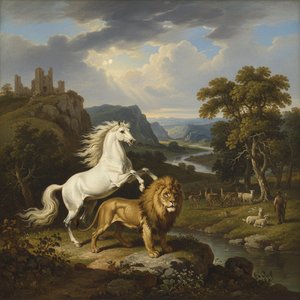
James Ward: A Study in British Romantic Landscape and Animal Painting
Explore the captivating world of James Ward (1769-1859), a master of British Romantic landscape & animal painting. Discover his iconic 'Gordale Scar' and exquisite portraits – a timeless art investment. Learn about his influences, style, and enduring legacy.