- ホーム

- 油絵の複製画
- james grohé
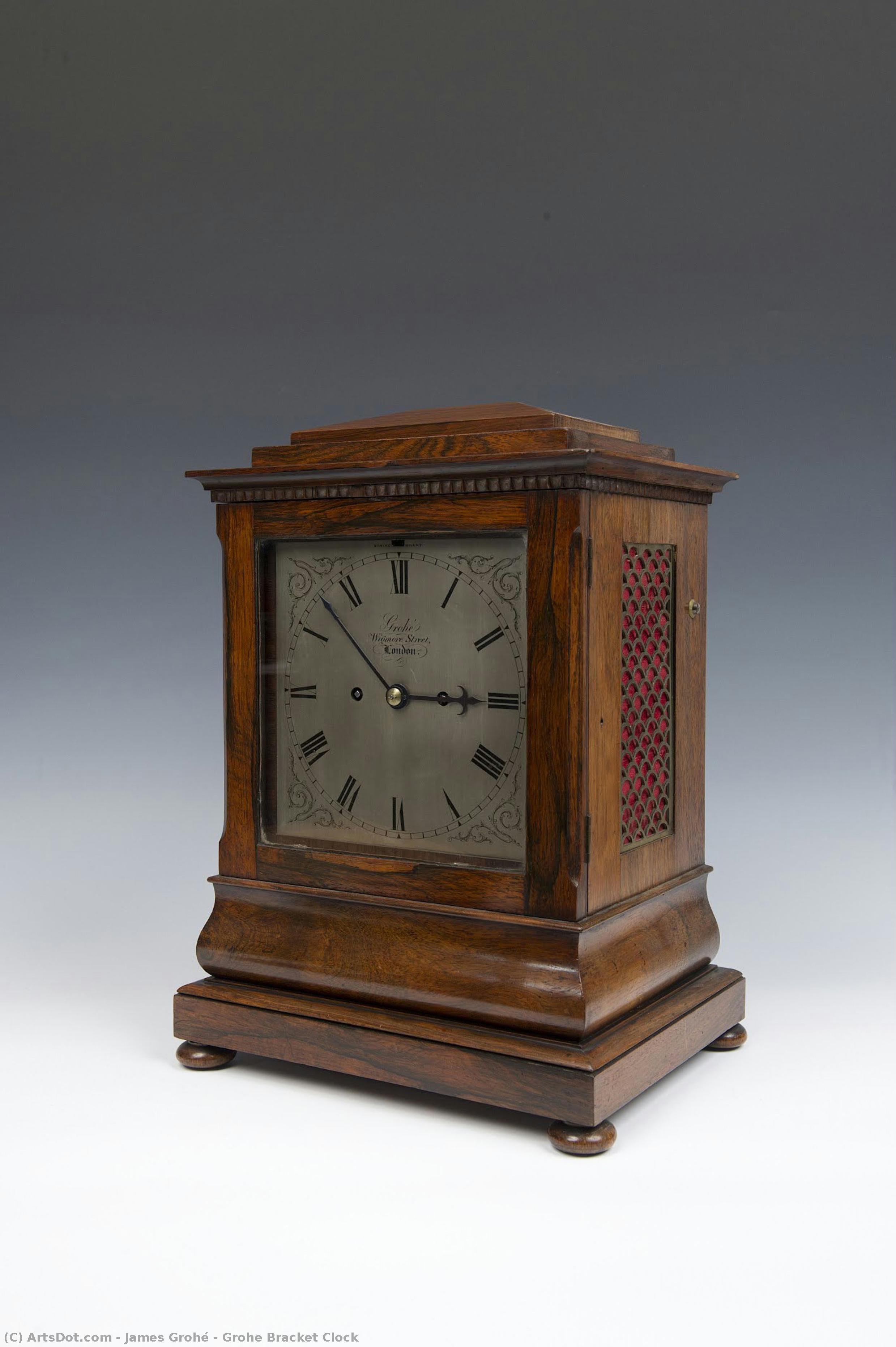
- Grohe Bracket Clock
 プレビュー
プレビュー
 シェアする
シェアする シェアする
シェアする
 詳細を見る
詳細を見る

 ダウンロード
 似ている作品
 X線調査
X線調査 スライドショー
Grohe Bracket Clock
 1881
1881 39.0 x 29.0 cm
 Bank of England Museum
 詳細を見る
詳細を見る
手描き油彩複製画
当社のアーティストが、お客様のご希望のサイズと額縁に合わせて、キャンバスに手描きで制作する油彩画です。 ( プリント版に切り替え 画像に切り替え)




































作品のオリジナル比率に合わせた、当店の規定サイズからお選びください。

特定のフレームやスペースに合わせて、ご希望のサイズをご入力いただけます。選択されたサイズが元の画像の比率と異なる場合、アートワークをトリミングするか、手描きで要素を追加して絵画を拡張いたします。デジタルモックアップ を制作し、制作開始前にご確認(承認)をいただきます。
画面上のプレビューは、実際のトリミングや拡張を正確に反映しているものではありません。最終的な構図は、モックアップによってのみ正確にご確認いただけます。
カスタムサイズもご利用いただけますが、元の比率を維持するためには、あらかじめ用意されたリストからサイズを選択することをお勧めいたします。
ご注文後、OriginalUniqueArt.com チームより詳細な指示をお送りするとともに、仕上がりイメージ(モックアップ)をご提供いたします。


 ガラスオプションは、110cm未満のサイズでのみご利用いただけます。

Grohe Bracket Clock
複製技法
複製画のサイズ
-


合計金額
$ 300
作品解説
アーティストの略歴
James Grohé: The Clockmaker Who Crafted Victorian Elegance
James Grohé (1803-1881) wasn’t merely a craftsman; he was an architect of time itself. Born in Baden-Württemberg, Germany, Grohé possessed an innate fascination with precision and beauty—qualities that would define his extraordinary career as a clockmaker and ultimately elevate him to the status of Reichskommissar for Belgium and Northern France during the tumultuous years of World War II. His legacy resides not just in the intricate mechanisms he created but also in the enduring aesthetic they embody, reflecting the grandeur and sophistication of Victorian Britain.Early Life and Apprenticeship
Grohé’s formative years instilled within him a meticulous attention to detail—a characteristic that would serve as the bedrock for his lifelong pursuit of excellence. Following his father's footsteps, he apprenticed under Johann Georg Wolffenbüttel in Stuttgart, mastering the art of horology alongside a deep appreciation for sculptural artistry. This dual training fostered an understanding of how form and function could harmonize to produce objects of unparalleled elegance and technical prowess. The influence of Stuttgart’s artistic heritage undoubtedly shaped Grohé's sensibilities, nurturing his inclination towards crafting pieces that transcended mere utility.London Calling: Establishing His Workshop
In 1832, Grohé embarked on a transformative journey to London, establishing his workshop amidst the burgeoning industrial landscape of Victorian England. Recognizing the potential for innovation and collaboration within this vibrant metropolis, he quickly gained renown for producing exceptional carriage clocks—instruments that became synonymous with status and refinement during the era. His designs prioritized both aesthetic appeal and functional accuracy, incorporating innovative techniques like Breguet escapements and guilloché engraving to achieve unparalleled levels of precision. Collaborations with prominent British artists and designers further enriched his creative output, cementing Grohé’s reputation as a visionary craftsman who seamlessly blended artistry and engineering.Technique and Innovation: The Art of Guilloché Engraving
Grohé's mastery extended beyond the construction of clocks; he revolutionized decorative engraving techniques. He pioneered the use of guilloché—a complex process involving precisely etched patterns onto metal surfaces—to create mesmerizing textures and motifs within his clock cases and other ornamental objects. This technique, borrowed from Swiss watchmaking traditions, allowed for unparalleled levels of detail and visual richness, transforming plain metals into canvases of intricate beauty. The resulting surfaces shimmered with subtle variations in tone and texture, capturing the light in ways that conventional engraving methods simply couldn’t achieve—a testament to Grohé's dedication to pushing the boundaries of craftsmanship.A Legacy Beyond Timepieces
While Grohé’s clocks stand as enduring symbols of Victorian elegance, his influence extended far beyond the horological world. He served as Gauleiter of Gau Cologne-Aachen for nearly four decades, wielding considerable political power during the Nazi era—a controversial chapter in his life that underscores the complexities of historical interpretation. Despite this darker period, Grohé’s artistic achievements—particularly his contribution to guilloché engraving and his unwavering commitment to precision craftsmanship—remain firmly rooted in the annals of European art history. He cemented his place as a pivotal figure who shaped both the visual arts and the political landscape of his time, leaving behind an indelible mark on Victorian Britain and German cultural heritage.
james grohé
1803 - , Germany
基本情報
- Artistic Movement Or Style: Victorian Clockmaking
- Date Of Birth: 1803
- Full Name: James Grohé
- Nationality: German
- Notable Artworks:
- Carriage Clocks
- Decorative Timepieces
- Place Of Birth: Baden-Württemberg, Germany

