

 設置イメージを確認
 送る
送る シェア
シェア
 詳細情報
詳細情報 ガイドを表示

 画像をダウンロード
 似ている作品
 X線調査
X線調査 スライドショー
 統計情報
統計情報Le juge Rouge

 続きを読む
続きを読む
ジークレー/アートプリント
スピーディーな制作と多彩な仕上げオプションが魅力の、ミュージアムクオリティなジークレー・キャンバスプリント。 ( 手描きの複製画を注文する デジタル画像販売へ切り替え)




P118B ¥10

P118H ¥10

P118W ¥10

P438Z ¥10

P508JH ¥12

P508YH ¥12

P805H ¥10

P805Z ¥10

P919BZ ¥10

P919G ¥10

P919XJ ¥10

P959ZH ¥10

P968JZ ¥12

W106C ¥8

W218G ¥10

W218JH ¥8

W218Y ¥10

W307PJ ¥10

W316G ¥10

W316PJ ¥8

W316Y ¥10

W398PJ ¥8

W4111J ¥10

W500HY ¥15

W500JH ¥15

W692G ¥12

W849H ¥8

W940BG ¥15

W953PJ ¥8




作品のオリジナル比率に合わせた、当店の規定サイズからお選びください。

額縁や壁のスペースに合わせて、ご希望の幅と高さを入力してください。プリントはカットすることは可能ですが、元の画像より大きくすることはできないため、異なる比率のサイズを選択された場合は、画像の一部が欠けることになります。印刷を開始する前に、内容を確認していただくためのデジタルモックアップをお送りいたします。このページに表示されている画像は、実際のカット後の状態を示すものではありません。実際の仕上がりはモックアップにてご確認ください。


 ガラスオプションは、110cm未満のサイズでのみご利用いただけます。

Le juge Rouge
ジークレー/アートプリント
複製画サイズ一覧
-


合計金額
¥ 12586
James Ensor’s “Le juge Rouge”: A Portrait of Unease
James Ensor’s “Le juge Rouge,” or “The Red Judge,” stands as a cornerstone of Belgian Expressionism, capturing not merely a visual depiction but an unsettling psychological landscape. Painted in 1900, this haunting portrait transcends mere representation; it delves into themes of mortality, judgment, and the pervasive influence of societal anxieties—a preoccupation that defines Ensor’s entire artistic output.
- Subject Matter: The painting presents a trio of figures – two men dressed in somber black attire adorned with crimson feathers and a woman depicted as a spectral figure draped in scarlet robes. Their postures convey an air of apprehension and confrontation, hinting at an unspoken drama unfolding within the frame.
- Style & Technique: Ensor’s masterful use of oil paint on canvas establishes a textured surface that amplifies the painting's emotional intensity. Bold brushstrokes contribute to a palpable sense of dynamism and unease, rejecting academic conventions in favor of a visceral response to the subject matter. The artist employs a muted palette punctuated by jarring splashes of red—a deliberate choice designed to heighten visual impact and symbolize impending doom.
Historical Context: Carnivals, Masks, and Societal Critique
Created during the burgeoning Belle Époque era, “Le juge Rouge” reflects the anxieties simmering beneath the veneer of Parisian optimism. Ensor’s artistic sensibilities were deeply rooted in the atmosphere of Belgian carnivals—events characterized by grotesque costumes, masks concealing identities, and a celebration of morbid fascination. This preoccupation with disguise and spectacle served as inspiration for his exploration of psychological states and critiques of bourgeois morality.
- Carnival Imagery: The inclusion of skulls – prominently positioned above the woman and scattered throughout the composition – directly references the iconography of carnivals, symbolizing death and decay amidst festive merriment.
- Social Commentary: Ensor’s depiction challenges conventional notions of beauty and decorum, exposing the darker side of human nature and questioning societal values. The judge figure embodies authority and judgment, representing a force that scrutinizes and condemns perceived flaws.
Symbolism & Emotional Resonance
“Le juge Rouge” is laden with symbolic significance. The scarlet robes worn by the woman evoke associations with witchcraft and demonic influence—a motif recurrent in Ensor’s oeuvre, reflecting his fascination with folklore and superstition. The skulls serve as constant reminders of mortality, prompting contemplation on the fragility of human existence.
Furthermore,the painting's unsettling atmosphere compels viewers to confront uncomfortable truths about themselves and their surroundings—a testament to Ensor’s ability to elicit profound emotional responses through his art. It remains a powerful emblem of Expressionist anxiety and continues to captivate audiences with its haunting beauty.
OriginalUniqueArt Reproduction: Bringing Ensor's Vision Home
A high-quality reproduction of “Le juge Rouge” from OriginalUniqueArt offers an opportunity to experience the artist’s masterful technique and evocative symbolism firsthand. Available in various sizes, these reproductions capture the essence of Ensor’s masterpiece while preserving its integrity—a stunning addition to any discerning art collection.
よくあるご質問
ジェイムズ・エンソウ作「Le juge Rouge」は、明るい印象の作品ですか、それとも暗い印象の作品ですか?
視覚的な明るさの観点から見ると、ジェイムズ・エンソウ作「Le juge Rouge」 は bright です。
「Le juge Rouge」は、ジェイムズ・エンソウが繰り返し描いてきた主題の中でどのような位置を占めているのでしょうか?
ジェイムズ・エンソウの作品に繰り返し現れるテーマにはsocial critique & satire, psychological anxiety & fear, memento mori symbolism, expressionist vision & style, masks reflect inner stateが含まれますが、「Le juge Rouge」ではmemento mori, skull imagery, masks & disguise, carnival atmosphere, symbolism, dark humor, psychological horrorに焦点を当てています。
「Le juge Rouge」の色彩は、どの程度鮮やかですか?
ジェイムズ・エンソウ作「Le juge Rouge」の色調は、Balanced Softな彩度を持っています。彩度とは、色の鮮やかさや落ち着きの度合いを表すものです。
アーティストについて
James Ensor とは
ジェームズ・エンソは、ベルギーの画家であり彫刻家で、表現主義とシュルレアリスムに大きな影響を与えた人物です。彼は芸術グループ「レズヴィンジュ」の一員でした。彼の父親はイギリス人で母親はベルギー人でした。彼は幼少期に特にカルニバル文化に魅せられ、その時期には家族の店の周辺で販売されていたカルニバル用品が豊富な環境に育ちました。彼は美術アカデミーで学びましたが、伝統的な芸術形式に縛られることを嫌い、独自の道を歩む必要性を痛感しました。
初期の作品と表現主義への転換
エンソの初期の絵画はより伝統的なスタイルで描かれ、日常生活を陰鬱な色調で描写していました。例えば、『ロシア音楽』(1881)や『酔い酒場の人々』(1883)などです。これらの作品にもすでに現れる不安感のあるイメージが隠されておりました。彼は絵画における幻視主義や一点透視といった従来の技法を放棄し、独自の芸術的なビジョンを実現するために取り組む必要性を認識しました。彼の初期の作品は、特に表現主義に影響を与えた画家たちからの影響を受けました。
重要な作品とテーマ
エンソは生涯を通じて多くの作品を生み出し、今日まで人々を驚かせ、魅了し続けています。『ロシア音楽』や『酔い酒場の人々』など初期の作品は、当時の社会規範に対する批判的な視点を持つ表現主義への転換を象徴しています。彼の最も有名な作品である『イエス・キリストのブルジュンの入場』は特に衝撃的で、宗教的な偽善と社会的な無関心に対する風刺です。この絵画は当初は厳しい批判を受けましたが、現在では傑作として高く評価されています。彼はまた、人間の本質を掘り下げようとする試みであり、社会規範に挑戦する勇気を求める芸術家たちへの道を切り開いた人物として歴史に名を残しました。
表現主義とシュルレアリスムへの影響
エンソは特にピエール・ブーデルのエルドャーやフランシスコ・ゴヤ、ウィリアム・ホイストルの芸術から影響を受けました。彼はこれらの影響を独自の芸術的な言語に融合させ、表現主義とシュルレアリスムという新しい芸術運動へと導きました。彼の作品は特にその大胆な筆使いと鮮やかな色彩で特徴づけられ、劇場的な質を備えていました。
まとめ
ジェームズ・エンソは、ベルギーの画家であり彫刻家として、表現主義とシュルレアリスムに大きな影響を与えた人物です。彼は芸術グループ「レズヴィンジュ」の一員でした。彼の父親はイギリス人で母親はベルギー人でした。彼は美術アカデミーで学びましたが、伝統的な芸術形式に縛られることを嫌い、独自の道を歩む必要性を痛感しました。

ジェイムズ・エンソウ
1860 - 1949 , ベルギー
アーティスト情報
- Artistic Movement Or Style: Expressionism, Surrealism
- Artists Who Influenced This Artist:
- Pieter Bruegel the Elder
- Francisco Goya
- Whistler
- Date Of Birth: April 13, 1860
- Date Of Death: November 19, 1949
- Full Name: James Sidney Edouard Ensor
- Nationality: Belgian
- Notable Artworks:
- The Scandalized Masks
- Skeletons Fighting...
- Christ's Entry into Brussels
- Place Of Birth: Ostend, Belgium
関連記事

Sir Alfred Munnings' Masterpieces: 25 Paintings That Define Equine Art | OriginalUniqueArt
Explore 25 iconic Sir Alfred Munnings paintings! Discover the beauty of British Impressionism, equine art & rural England. Find museum-quality reproductions and elevate your home decor with OriginalUniqueArt. Explore the full collection online.
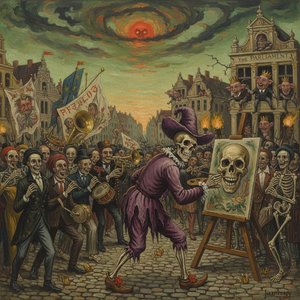
James Ensor's Grotesque Visions: Social Commentary & Artistic Innovation
Explore the unsettling yet captivating world of James Ensor, a pioneer of Expressionism. Discover his satirical masterpieces, symbolic imagery & lasting influence on modern art. High-quality reproductions available at OriginalUniqueArt.

ジェームズ・マクニール・ホイストラー:至高の25選 - 美と調和を求めた芸術家の軌跡 | OriginalUniqueArt
ジェームズ・マクニール・ホイストラーの至高の25選。ノクターン、印象派、美しい色彩に満ちた作品群を紐解きます。OriginalUniqueArtで高品質なアートプリントとインテリアをお楽しみください。名画の世界へ – OriginalUniqueArt.com
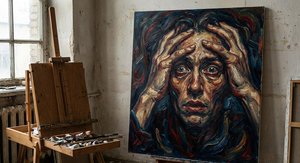
Figurative Expressionism: Emotional Intensity & Subjective Reality in 20th-Century Art
Explore the powerful world of Figurative Expressionism with OriginalUniqueArt. Discover key artists like Kirchner & Beckmann, understand its emotional depth, and learn how to collect this influential 20th-century art movement.
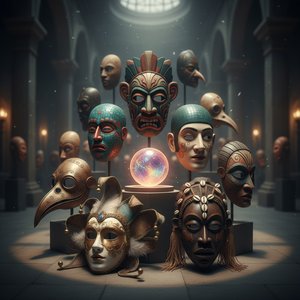
Unveiling the Mystery: A Journey Through the World's Most Iconic Mask Artworks
Embark on a profound journey through the world's most iconic mask artworks. Explore the spiritual depth, intricate craftsmanship, and rich cultural heritage of global traditions, from Chhau to Gomira, in this expert-led exploration of ancestral artistry and symbolic beauty.


