

 設置イメージを確認
 送る
送る シェア
シェア
 詳細情報
詳細情報 ガイドを表示

 画像をダウンロード
 似ている作品
 X線調査
X線調査 スライドショー
 統計情報
統計情報Ecce Homo (Christ and the Critics)

 続きを読む
続きを読む
ジークレー/アートプリント
スピーディーな制作と多彩な仕上げオプションが魅力の、ミュージアムクオリティなジークレー・キャンバスプリント。 ( 手描きの複製画を注文する デジタル画像販売へ切り替え)




P118B ¥10

P118H ¥10

P118W ¥10

P438Z ¥10

P508JH ¥12

P508YH ¥12

P805H ¥10

P805Z ¥10

P919BZ ¥10

P919G ¥10

P919XJ ¥10

P959ZH ¥10

P968JZ ¥12

W106C ¥8

W218G ¥10

W218JH ¥8

W218Y ¥10

W307PJ ¥10

W316G ¥10

W316PJ ¥8

W316Y ¥10

W398PJ ¥8

W4111J ¥10

W500HY ¥15

W500JH ¥15

W692G ¥12

W849H ¥8

W940BG ¥15

W953PJ ¥8




作品のオリジナル比率に合わせた、当店の規定サイズからお選びください。

額縁や壁のスペースに合わせて、ご希望の幅と高さを入力してください。プリントはカットすることは可能ですが、元の画像より大きくすることはできないため、異なる比率のサイズを選択された場合は、画像の一部が欠けることになります。印刷を開始する前に、内容を確認していただくためのデジタルモックアップをお送りいたします。このページに表示されている画像は、実際のカット後の状態を示すものではありません。実際の仕上がりはモックアップにてご確認ください。


 ガラスオプションは、110cm未満のサイズでのみご利用いただけます。

Ecce Homo (Christ and the Critics)
ジークレー/アートプリント
複製画サイズ一覧
-


合計金額
¥ 12650
A Confrontation of Faith and Critique: Unveiling James Ensor’s *Ecce Homo (Christ and the Critics)*
James Ensor, a pivotal figure bridging 19th-century Symbolism and early 20th-century Expressionism, delivers a powerfully unsettling statement in *Ecce Homo (Christ and the Critics)*. This work isn't merely a painting; it’s a visceral exploration of judgment, societal hypocrisy, and the enduring struggle between faith and skepticism. Born from a period of intense personal turmoil and social upheaval, Ensor’s masterpiece continues to resonate with contemporary audiences, prompting reflection on our own tendencies toward scrutiny and condemnation.Subject Matter & Narrative
The painting presents a starkly intimate scene featuring three male figures. A central figure, draped in what appears to be classical attire and adorned with a laurel wreath – symbols traditionally associated with victory or sanctity – holds a single red rose. He is the focal point of intense scrutiny from two onlookers. One observer sports modern spectacles and a mustache, grounding the timeless narrative within a contemporary context. The composition immediately establishes a dynamic tension: one figure presented, seemingly vulnerable, and two others engaged in critical observation. This arrangement directly references the biblical *Ecce Homo* ("Behold the Man") moment when Pontius Pilate presents Jesus Christ to the crowd before his crucifixion, setting the stage for a profound meditation on judgment and persecution.Artistic Style & Technique
Ensor’s style in this work is distinctly Expressionist, characterized by bold brushstrokes, vibrant yet often unsettling color palettes, and deliberate distortions of form. The figures aren't rendered with photographic realism; instead, their features are exaggerated to convey emotional intensity and psychological depth. This expressive approach prioritizes the *feeling* of the scene over precise representation. The painting’s texture is rich and layered, suggesting a build-up of both paint and emotion. While details regarding the specific technique (oil on canvas) are known, the photo description suggests watercolor influences in its blending and surface quality – hinting at Ensor's experimental approach to media.Symbolism & Interpretation
The symbolism within *Ecce Homo* is multi-layered and deliberately provocative. The red rose, traditionally associated with Christ’s passion and sacrifice, becomes a poignant symbol of vulnerability in the face of judgment. The laurel wreath hints at both honor and potential martyrdom. The modern attire of one critic suggests that this critique isn't confined to biblical times but is an ongoing human tendency. Ensor masterfully uses these symbols to challenge viewers to consider their own roles as observers and judges. Is society quick to condemn those who embody virtue or difference? The very title, echoing Pilate’s presentation of Christ, underscores the theme of societal judgment and its potential for cruelty.Historical Context & Ensor's Vision
Born in 1860, James Ensor lived through a period of rapid social and political change. He was deeply critical of bourgeois society, religious hypocrisy, and the stifling conventions of his time. His art often served as a vehicle for satire and social commentary. *Ecce Homo* reflects this rebellious spirit, challenging traditional representations of Christ and questioning the motives behind societal judgment. Ensor’s work anticipated many of the themes that would come to define Expressionism – alienation, anxiety, and the subjective experience of reality.Emotional Impact & Lasting Relevance
*Ecce Homo (Christ and the Critics)* is a deeply unsettling yet profoundly moving artwork. It evokes feelings of vulnerability, isolation, and moral discomfort. The painting’s enduring power lies in its ability to force viewers to confront their own biases and prejudices. It serves as a timeless reminder that judgment can be a destructive force and that empathy and understanding are essential for fostering a more compassionate world. This is not simply a historical piece; it's a mirror reflecting our contemporary struggles with acceptance, tolerance, and the courage to challenge societal norms.Collecting & Interior Design Considerations
A high-quality reproduction of *Ecce Homo* can serve as a striking focal point in any interior space. Its complex composition and rich symbolism lend themselves well to contemplative environments – libraries, studies, or living rooms designed for intellectual engagement. The painting’s muted color palette complements both modern and traditional décor styles. Its thought-provoking nature makes it an ideal conversation starter and a testament to the collector's appreciation for art that challenges and inspires.- Explore *Ecce Homo* at OriginalUniqueArt.com
- Discover more works by James Ensor
- View *The Wise Judges* – another compelling work by Ensor
よくあるご質問
「Ecce Homo (Christ and the Critics)」は、明暗のコントラストが強い作品ですか?
ジェイムズ・エンソウ作「Ecce Homo (Christ and the Critics)」は、明部と暗部の間にStatementなコントラストを描き出しています。
「Ecce Homo (Christ and the Critics)」の推奨プリントサイズはどのくらいですか?
ジェイムズ・エンソウ作「Ecce Homo (Christ and the Critics)」には、Largeのレプリカをおすすめします。比率を維持したまま、サイズを調整することが可能です。
ジェイムズ・エンソウ作「Ecce Homo (Christ and the Critics)」 の主要な色調は何ですか?
ジェイムズ・エンソウ作「Ecce Homo (Christ and the Critics)」の主要な色調はGolden Yellow Rangeです。この色調は、パレットの基調となるトーンを形作っています。
アーティストについて
James Ensor とは
ジェームズ・エンソは、ベルギーの画家であり彫刻家で、表現主義とシュルレアリスムに大きな影響を与えた人物です。彼は芸術グループ「レズヴィンジュ」の一員でした。彼の父親はイギリス人で母親はベルギー人でした。彼は幼少期に特にカルニバル文化に魅せられ、その時期には家族の店の周辺で販売されていたカルニバル用品が豊富な環境に育ちました。彼は美術アカデミーで学びましたが、伝統的な芸術形式に縛られることを嫌い、独自の道を歩む必要性を痛感しました。
初期の作品と表現主義への転換
エンソの初期の絵画はより伝統的なスタイルで描かれ、日常生活を陰鬱な色調で描写していました。例えば、『ロシア音楽』(1881)や『酔い酒場の人々』(1883)などです。これらの作品にもすでに現れる不安感のあるイメージが隠されておりました。彼は絵画における幻視主義や一点透視といった従来の技法を放棄し、独自の芸術的なビジョンを実現するために取り組む必要性を認識しました。彼の初期の作品は、特に表現主義に影響を与えた画家たちからの影響を受けました。
重要な作品とテーマ
エンソは生涯を通じて多くの作品を生み出し、今日まで人々を驚かせ、魅了し続けています。『ロシア音楽』や『酔い酒場の人々』など初期の作品は、当時の社会規範に対する批判的な視点を持つ表現主義への転換を象徴しています。彼の最も有名な作品である『イエス・キリストのブルジュンの入場』は特に衝撃的で、宗教的な偽善と社会的な無関心に対する風刺です。この絵画は当初は厳しい批判を受けましたが、現在では傑作として高く評価されています。彼はまた、人間の本質を掘り下げようとする試みであり、社会規範に挑戦する勇気を求める芸術家たちへの道を切り開いた人物として歴史に名を残しました。
表現主義とシュルレアリスムへの影響
エンソは特にピエール・ブーデルのエルドャーやフランシスコ・ゴヤ、ウィリアム・ホイストルの芸術から影響を受けました。彼はこれらの影響を独自の芸術的な言語に融合させ、表現主義とシュルレアリスムという新しい芸術運動へと導きました。彼の作品は特にその大胆な筆使いと鮮やかな色彩で特徴づけられ、劇場的な質を備えていました。
まとめ
ジェームズ・エンソは、ベルギーの画家であり彫刻家として、表現主義とシュルレアリスムに大きな影響を与えた人物です。彼は芸術グループ「レズヴィンジュ」の一員でした。彼の父親はイギリス人で母親はベルギー人でした。彼は美術アカデミーで学びましたが、伝統的な芸術形式に縛られることを嫌い、独自の道を歩む必要性を痛感しました。

ジェイムズ・エンソウ
1860 - 1949 , ベルギー
アーティスト情報
- Artistic Movement Or Style: Expressionism, Surrealism
- Artists Who Influenced This Artist:
- Pieter Bruegel the Elder
- Francisco Goya
- Whistler
- Date Of Birth: April 13, 1860
- Date Of Death: November 19, 1949
- Full Name: James Sidney Edouard Ensor
- Nationality: Belgian
- Notable Artworks:
- The Scandalized Masks
- Skeletons Fighting...
- Christ's Entry into Brussels
- Place Of Birth: Ostend, Belgium
関連記事

ジェームズ・マクニール・ホイストラー:至高の25選 - 美と調和を求めた芸術家の軌跡 | OriginalUniqueArt
ジェームズ・マクニール・ホイストラーの至高の25選。ノクターン、印象派、美しい色彩に満ちた作品群を紐解きます。OriginalUniqueArtで高品質なアートプリントとインテリアをお楽しみください。名画の世界へ – OriginalUniqueArt.com

Sir Alfred Munnings' Masterpieces: 25 Paintings That Define Equine Art | OriginalUniqueArt
Explore 25 iconic Sir Alfred Munnings paintings! Discover the beauty of British Impressionism, equine art & rural England. Find museum-quality reproductions and elevate your home decor with OriginalUniqueArt. Explore the full collection online.
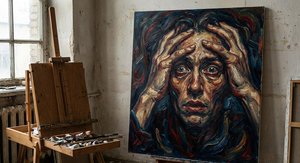
Figurative Expressionism: Emotional Intensity & Subjective Reality in 20th-Century Art
Explore the powerful world of Figurative Expressionism with OriginalUniqueArt. Discover key artists like Kirchner & Beckmann, understand its emotional depth, and learn how to collect this influential 20th-century art movement.
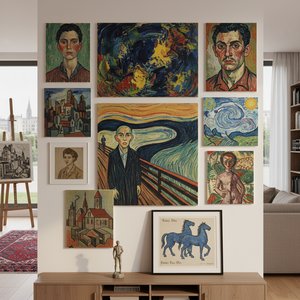
表現主義を彩る至宝:アート史に刻まれた10の傑作
表現主義の心を揺さぶる10選。ムンク、キルヒナーら巨匠の傑作を紐解き、色彩とエモーションの世界へ。OriginalUniqueArt.comで、時代を超越したアートをあなたの空間に取り入れませんか?高品質な複製絵画やインテリアアイデアが満載。
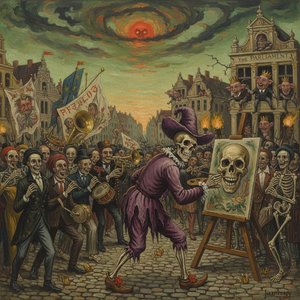
James Ensor's Grotesque Visions: Social Commentary & Artistic Innovation
Explore the unsettling yet captivating world of James Ensor, a pioneer of Expressionism. Discover his satirical masterpieces, symbolic imagery & lasting influence on modern art. High-quality reproductions available at OriginalUniqueArt.


