
 設置イメージを確認
 送る
送る シェア
シェア
 詳細情報
詳細情報 ガイドを表示

 画像をダウンロード
 似ている作品
 X線調査
X線調査 スライドショー
 統計情報
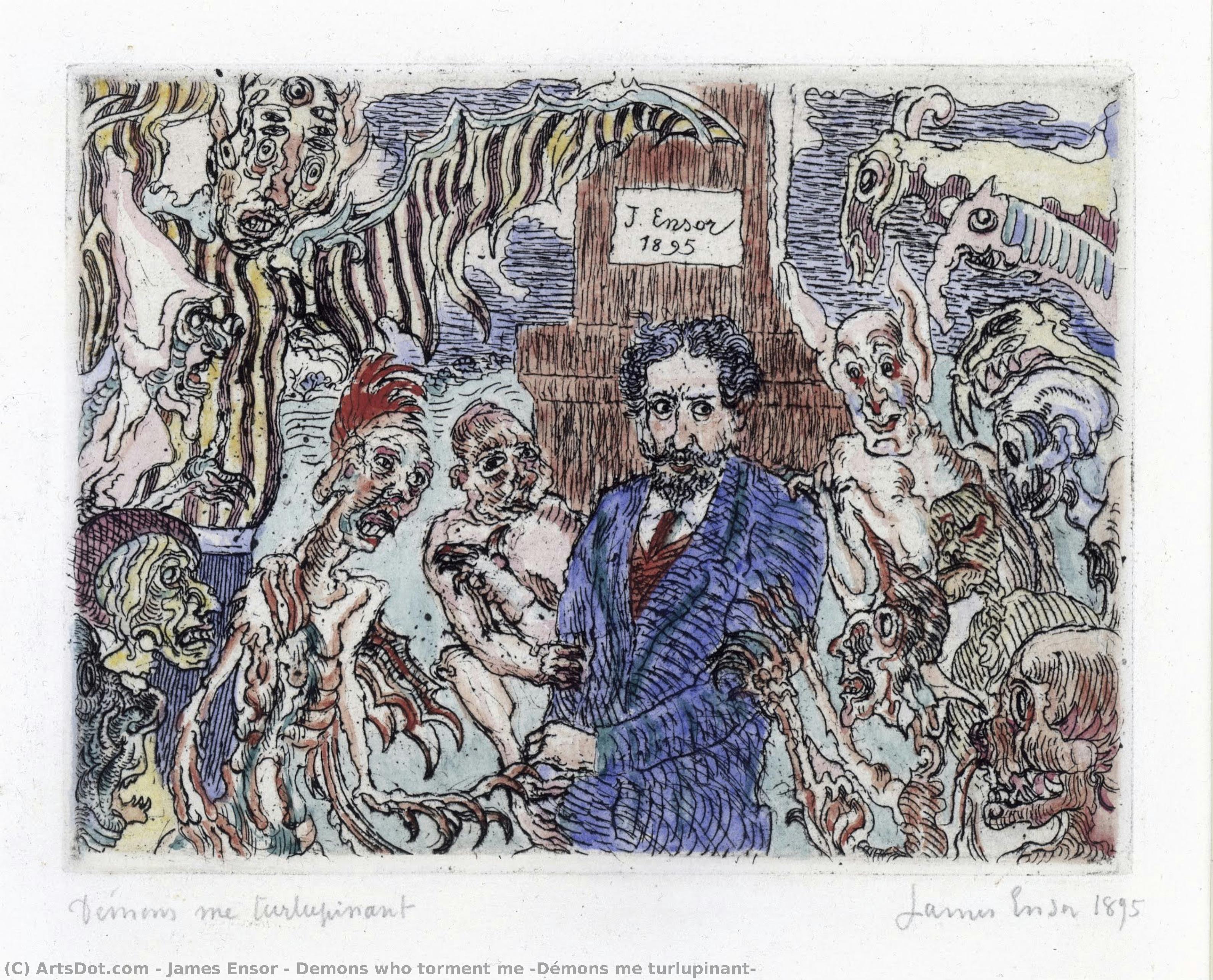
統計情報Demons who torment me (Démons me turlupinant)
 Etching
- WallArt
- Expressionistic Horror
 19th Century
 15.0 x 11.0 cm
 クーパーシュチッヒカビネット
 続きを読む
続きを読む
手描き油彩複製画
当社のアーティストが、お客様のご希望のサイズと額縁に合わせて、キャンバスに手描きで制作する油彩画です。 ( プリント版に切り替え デジタル画像販売へ切り替え)




P118B $10

P118H $10

P118W $10

P438Z $10

P508JH $12

P508YH $12

P805H $10

P805Z $10

P919BZ $10

P919G $10

P919XJ $10

P959ZH $10

P968JZ $12

W106C $8

W218G $10

W218JH $8

W218Y $10

W307PJ $10

W316G $10

W316PJ $8

W316Y $10

W398PJ $8

W4111J $10

W500HY $15

W500JH $15

W692G $12

W849H $8

W940BG $15

W953PJ $8




作品のオリジナル比率に合わせた、当店の規定サイズからお選びください。

特定のフレームやスペースに合わせて、ご希望のサイズをご入力いただけます。選択されたサイズが元の画像の比率と異なる場合、アートワークをトリミングするか、手描きで要素を追加して絵画を拡張いたします。デジタルモックアップ を制作し、制作開始前にご確認(承認)をいただきます。
画面上のプレビューは、実際のトリミングや拡張を正確に反映しているものではありません。最終的な構図は、モックアップによってのみ正確にご確認いただけます。
カスタムサイズもご利用いただけますが、元の比率を維持するためには、あらかじめ用意されたリストからサイズを選択することをお勧めいたします。
ご注文後、OriginalUniqueArt.com チームより詳細な指示をお送りするとともに、仕上がりイメージ(モックアップ)をご提供いたします。


 ガラスオプションは、110cm未満のサイズでのみご利用いただけます。

Demons who torment me (Démons me turlupinant)
再現技法
複製画サイズ一覧
-


合計金額
$ 300
A Visceral Encounter with Artistic Anguish
In the hauntingly evocative etching "Demons who torment me" (Démons me turlupinant), James Ensor invites us into a psychological landscape where the boundaries between reality and nightmare dissolve. Created during the 1890s, this unsettling self-portrait serves as more than just a window into the artist's mind; it is a profound manifestation of the existential dread and creative frustration that defined the turn of the century. Ensor, a master of Belgian Symbolism, presents himself standing defiantly before a threshold, yet he is far from solitary. He is besieged by a swirling, grotesque swarm of demonic chimeras—creatures that represent the biting critiques of his era, the suffocating weight of societal expectations, and the deeply personal insecurities that haunt every true visionary.
The emotional resonance of this piece lies in its ability to capture the claustrophobia of being misunderstood. As the viewer gazes upon the composition, there is an immediate sense of being overwhelmed by the chaotic energy surrounding the central figure. The inclusion of skeletal female forms adds a chilling layer of complexity, suggesting a profound anxiety regarding judgment and the perceived scrutiny of the feminine gaze within the artistic circles of his time. For the collector or lover of fine art, this work offers a rare glimpse into the raw, unshielded vulnerability of an artist who refused to conform to the polished beauty standards of his day.
Mastery of Line and the Etching Technique
Technically, the artwork is a triumph of the etching process, a medium that allows for unparalleled precision and dramatic tonal contrast. Ensor utilizes jagged, aggressive lines to define the distorted anatomy of both himself and his tormentors, creating a visual rhythm that feels restless and agitated. The meticulous use of cross-hatching provides a rich, tactile depth to the composition, pulling the eye through the shadows and into the light of the central doorway. This interplay of light and dark—the classic chiaroscuro effect—is not merely a stylistic choice but a narrative tool used to highlight the grotesque features of the demons while casting the artist in a state of both exposure and resilience.
The color palette is intentionally restrained, dominated by muted tones of beige, charcoal, grey, and bone-white. This somber arrangement ensures that when small accents of red or yellow appear upon the demonic figures, they strike the viewer with startling intensity. Such a limited range of color heightens the sense of bleakness and despair, making the artwork feel like an ancient, unearthed relic of a fever dream. For interior designers seeking to introduce a piece with profound character and intellectual depth, this work provides a sophisticated focal point that commands attention through its stark, monochromatic power.
A Legacy of Defiance and Expressionism
To understand "Demons who torment me," one must understand the historical crucible in which it was forged. Ensor lived during a period of intense artistic upheaval, where his unconventional, often macabre style was frequently dismissed by critics as nihilistic or grotesque. Rather than retreating, Ensor used this very rejection to fuel his creative fire, turning the mockery of his peers into the very subject matter of his art. This piece stands as a precursor to both Expressionism and Surrealism, marking a pivotal moment in modern art history where the internal psyche began to take precedence over external reality.
Owning a high-quality reproduction of this etching means possessing a fragment of art history’s most courageous spirit. It is an invitation to contemplate the beauty found within chaos and the strength required to stand firm against the shadows. Whether displayed in a private gallery, a study, or a curated living space, Ensor's work serves as a timeless reminder that true creativity often emerges from the very struggles meant to extinguish it.
アーティストについて
James Ensor とは
ジェームズ・エンソは、ベルギーの画家であり彫刻家で、表現主義とシュルレアリスムに大きな影響を与えた人物です。彼は芸術グループ「レズヴィンジュ」の一員でした。彼の父親はイギリス人で母親はベルギー人でした。彼は幼少期に特にカルニバル文化に魅せられ、その時期には家族の店の周辺で販売されていたカルニバル用品が豊富な環境に育ちました。彼は美術アカデミーで学びましたが、伝統的な芸術形式に縛られることを嫌い、独自の道を歩む必要性を痛感しました。
初期の作品と表現主義への転換
エンソの初期の絵画はより伝統的なスタイルで描かれ、日常生活を陰鬱な色調で描写していました。例えば、『ロシア音楽』(1881)や『酔い酒場の人々』(1883)などです。これらの作品にもすでに現れる不安感のあるイメージが隠されておりました。彼は絵画における幻視主義や一点透視といった従来の技法を放棄し、独自の芸術的なビジョンを実現するために取り組む必要性を認識しました。彼の初期の作品は、特に表現主義に影響を与えた画家たちからの影響を受けました。
重要な作品とテーマ
エンソは生涯を通じて多くの作品を生み出し、今日まで人々を驚かせ、魅了し続けています。『ロシア音楽』や『酔い酒場の人々』など初期の作品は、当時の社会規範に対する批判的な視点を持つ表現主義への転換を象徴しています。彼の最も有名な作品である『イエス・キリストのブルジュンの入場』は特に衝撃的で、宗教的な偽善と社会的な無関心に対する風刺です。この絵画は当初は厳しい批判を受けましたが、現在では傑作として高く評価されています。彼はまた、人間の本質を掘り下げようとする試みであり、社会規範に挑戦する勇気を求める芸術家たちへの道を切り開いた人物として歴史に名を残しました。
表現主義とシュルレアリスムへの影響
エンソは特にピエール・ブーデルのエルドャーやフランシスコ・ゴヤ、ウィリアム・ホイストルの芸術から影響を受けました。彼はこれらの影響を独自の芸術的な言語に融合させ、表現主義とシュルレアリスムという新しい芸術運動へと導きました。彼の作品は特にその大胆な筆使いと鮮やかな色彩で特徴づけられ、劇場的な質を備えていました。
まとめ
ジェームズ・エンソは、ベルギーの画家であり彫刻家として、表現主義とシュルレアリスムに大きな影響を与えた人物です。彼は芸術グループ「レズヴィンジュ」の一員でした。彼の父親はイギリス人で母親はベルギー人でした。彼は美術アカデミーで学びましたが、伝統的な芸術形式に縛られることを嫌い、独自の道を歩む必要性を痛感しました。

ジェイムズ・エンソウ
1860 - 1949 , ベルギー
アーティスト情報
- Artistic Movement Or Style: Expressionism, Surrealism
- Artists Who Influenced This Artist:
- Pieter Bruegel the Elder
- Francisco Goya
- Whistler
- Date Of Birth: April 13, 1860
- Date Of Death: November 19, 1949
- Full Name: James Sidney Edouard Ensor
- Nationality: Belgian
- Notable Artworks:
- The Scandalized Masks
- Skeletons Fighting...
- Christ's Entry into Brussels
- Place Of Birth: Ostend, Belgium
関連記事

Etching: A Historical Survey of Technique, Aesthetic Qualities & Enduring Artistic Significance
Explore the rich history of etching, from its origins to Rembrandt's masterful innovations. Discover the technique, aesthetic qualities & enduring legacy of this captivating art form. Expert insights for collectors and enthusiasts.
The Art of Etching: A Masterclass in Intaglio Printmaking and the Alchemy of Acid
Explore the profound history and technical mastery of etching. From armorer's workshops to the Etching Revival, discover how intaglio printmaking uses acid and metal to create timeless art. Perfect for students and collectors seeking deep insights into fine art techniques.

The Intricate World of Etching: A Historical Survey of Technique, Aesthetic Evolution, and Enduring Artistic Impact
Explore the rich history of etching, from its origins to modern practice. Discover techniques, key artists like Rembrandt, and insights for collectors. A comprehensive guide by OriginalUniqueArt.
Etching Masters: 10 Legendary Prints That Revolutionized Art | OriginalUniqueArt
Journey through 10 legendary etching masterpieces by Rembrandt, Dürer & Goya. Explore the history of printmaking and discover timeless art for your home. Find museum-quality reproductions at OriginalUniqueArt.com.
Etching Unlocked: The Sharp, High-Impact Art of Line and Shadow for the Modern Collector
Master the high-impact world of etching. Explore the transformative power of line and shadow through the intaglio tradition, from its armor-making origins to modern collecting strategies for the sophisticated art enthusiast.


