プレビュー
プレビュー
 シェアする
シェアする シェアする
シェアする
 詳細を見る
詳細を見る

 ダウンロード
 似ている作品
 X線調査
X線調査 スライドショー
 統計情報
統計情報sorrow

 詳細を見る
詳細を見る
ジークレー/アートプリント
迅速な制作と多彩な仕上げオプションを備えた、ミュージアムクオリティのジークレーまたはキャンバスプリント。 ( 手描きの絵画を購入 デジタル画像販売へ切り替え)




P118B $10

P118H $10

P118W $10

P438Z $10

P508JH $12

P508YH $12

P805H $10

P805Z $10

P919BZ $10

P919G $10

P919XJ $10

P959ZH $10

P968JZ $12

W106C $8

W218G $10

W218JH $8

W218Y $10

W307PJ $10

W316G $10

W316PJ $8

W316Y $10

W398PJ $8

W4111J $10

W500HY $15

W500JH $15

W692G $12

W849H $8

W940BG $15

W953PJ $8




作品のオリジナル比率に合わせた、当店の規定サイズからお選びください。

特定のフレームやスペースに合わせて、ご自身でサイズを指定することも可能です。選択されたサイズが元の画像の比率と一致しない場合、作品をトリミングするか、鏡面反射または単色での塗りつぶしによって画像を拡張いたします。制作を開始する前に、ご確認用のデジタルモックアップをお送りいたします。
画面上のプレビューには、実際のトリミングや拡張は反映されませんのでご注意ください。最終的な構図を正確に確認できるのは、モックアップのみとなります。
カスタムサイズも承っておりますが、元の比率を維持するためには、あらかじめ用意されたリストからサイズを選択することをお勧めいたします。


 ガラスオプションは、110cm未満のサイズでのみご利用いただけます。

sorrow
ジークレー/アートプリント
複製画のサイズ
-


合計金額
$ 80
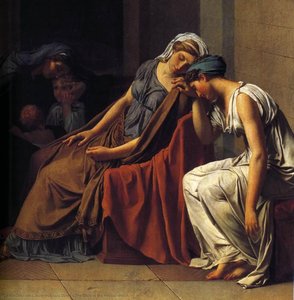
A Portrait of Inner Turmoil: Jacques-Louis David’s *Sorrow*
Jacques-Louis David's Sorrow is a deeply affecting work that transcends simple portraiture, offering instead a poignant study of human emotion rendered with the meticulous precision characteristic of Neoclassical art. Created sometime during his prolific career (1748-1825), this black and white painting exemplifies David’s ability to distill complex psychological states into strikingly visual form.
Subject & Composition
The composition centers on a solitary female figure, her head adorned with a delicate wreath of leaves. Her long, flowing hair frames a face cast downward in what appears to be profound contemplation – or perhaps grief. David’s masterful use of chiaroscuro—the dramatic interplay of light and shadow—heightens the emotional intensity, drawing the viewer's eye to her expressive features. The figure occupies a significant portion of the canvas, creating an intimate connection with the observer. While the background is subtly rendered, it provides depth and context without distracting from the central subject.
Style & Technique
Sorrow embodies the hallmarks of Neoclassicism: a commitment to clarity, order, and idealized form. David’s technique is characterized by precise draftsmanship and meticulous attention to detail, reflecting his rigorous academic training. The stark contrast between light and shadow not only emphasizes the woman's emotional state but also showcases David’s technical prowess. The painting’s monochromatic palette further contributes to its somber mood and timeless quality.
Historical Context & Artistic Influences
David was a pivotal figure during a period of immense social and political upheaval in France, initially gaining prominence before the French Revolution and later becoming deeply involved with its ideals. While Sorrow doesn’t directly depict revolutionary events, it reflects the era's shift towards seriousness, moral virtue, and emotional intensity – qualities central to Neoclassical art. David drew inspiration from classical antiquity, believing it offered a model for artistic excellence and civic responsibility. However, this work subtly anticipates the emerging Romantic sensibilities of the following decades with its focus on subjective experience and intense feeling.
Symbolism & Interpretation
The symbolism within Sorrow is both subtle and evocative. The wreath of leaves suggests a connection to nature, perhaps representing fleeting beauty or the cyclical nature of life and death. It also alludes to classical iconography, linking the figure to ancient ideals of mourning and remembrance. Is this sorrow born of personal loss? Is it a broader reflection on the anxieties of the age? David intentionally leaves these questions open-ended, inviting viewers to project their own emotions onto the figure and contemplate the universal experience of sadness.
Emotional Impact & Interior Design
The painting’s power lies in its ambiguity and emotional resonance. It evokes a sense of quiet contemplation and invites empathy from the viewer. Its subdued palette and introspective mood make it a compelling addition to various interior settings:
- Study or Library: Its contemplative nature complements spaces dedicated to thought and reflection.
- Dining Room: The dramatic lighting and classical elements add sophistication and intrigue.
- Hallway or Entryway: A striking focal point that invites conversation and contemplation.
To best showcase Sorrow, consider a neutral wall color – soft greys, warm off-whites, or muted blues will allow the black and white composition to stand out. Subtle lighting focused on the artwork will enhance its dramatic effect. Framing in a simple, elegant style—perhaps matte black, aged gold, or natural wood—will complement the Neoclassical aesthetic without overwhelming the piece.
Sorrow is more than just a painting; it’s a window into the human condition – a timeless exploration of grief, contemplation, and the enduring power of emotion.
アーティストの略歴
ジャック=ルイ・ダヴィッド:革命と帝国の肖像画家
1748年、パリで生まれたジャック=ルイ・ダヴィッドは、単なる画家ではなく、激動の時代を鮮やかに記録した視覚的証人でした。彼の人生はフランス社会の劇的な変化を映し出し—ロココ様式から厳格な新古典主義へと移行し、そして革命とナポレオン帝国の波乱万丈の時代へと続く—その生涯は芸術と政治が深く結びついた時代の縮図と言えるでしょう。幼少期に父を亡くし、顔面にも障害を抱えていた彼は、観察眼を研ぎ澄まし、揺るぎない芸術への献身を深めました。当初はフランソワ・ Boucher に師事しましたが、やがてジョゼフ=マリー・ヴィアンの道を選び、歴史画と古典的題材に魅力を感じたのです。ローマ賞の獲得に苦労する時期もありましたが、その挫折こそが彼の完璧主義を燃え上がらせ、生涯を通じて芸術を追求する原動力となりました。新古典主義の誕生:高潔さと秩序への回帰
ダヴィッドの芸術的進化は単なる様式の変化ではなく、哲学的な宣言でした。彼はロココの軽薄な装飾と戯画的なテーマを拒絶し、古代ローマ・ギリシャ文明に内在する明瞭さ、秩序、そして道徳的な厳粛さを追求しました。ポンペイやヘルクラーネウムの考古学的発見がもたらした古典芸術への再評価は、彼の思想に深く影響を与えました。「ホラティウス兄弟の誓い」(1784年)は、単なる芸術的才能を示す作品ではなく、公民としての美徳と愛国的な犠牲を象徴する標識となりました。その簡潔な構図、劇的な光の効果、そして精密な描写技法は革命的であり、過去との決別を明確に示しました。彼は何を描くかだけでなく、どのように描くか—力強い感情を引き出し、義務、名誉、自己犠牲といったテーマについて熟考させる意図を持った、緻密に計算された構成—にこだわりました。この作品は新たな様式を告げるだけでなく、やがてフランスを席巻するイデオロギー的な潮流を予感させたのです。革命と記憶:政治的武器としての芸術
1789年のフランス革命勃発とともに、ダヴィッドは単なる傍観者ではなく、積極的に参加しました。革命の理想を広め、不朽のものとするための強力な手段として芸術を見出し、ロベスピエールとの親密な関係を通じて、革命運動の中心人物の一人となりました。「マラトの死」(1793年)は、その代表的な作品です。暗殺されたジャーナリストのマラを聖人のように描き出すことで、革命の殉教者を称え、共和主義の熱意を鼓舞しました。その簡素な構図—蒼白な肉体、即席の机、そして手にした手紙—は、深遠な感情的な共鳴を生み出します。彼は公衆安全委員会の一員として恐怖政治にも関与し、ナポレオン失脚後には流刑という厳しい運命を経験しました。革命から帝国へ:ナポレオンへの奉仕
ボルドー王朝の復古はダヴィッドにとって新たな試練をもたらしましたが、彼は卓越した適応力で変化する政治情勢を乗り越え、ナポレオン・ボナパルトに忠誠を誓いました。その結果、ナポレオンの勝利と功績を称える壮大な作品を手がけることとなり、公式宮廷画家としての地位を確立しました。「サン=ベルナール峠を越えるナポレオン」(1801年-1805年)は、自然と逆境を征服する英雄的なナポレオンの姿を描き出し、そのプロパガンダ的価値を示す代表作です。「ナポレオンの戴冠式」(1807年)は、帝国の壮麗な儀式を捉えた巨大なカンバスであり、ダヴィッドがナポレオン時代の最高の芸術家としての地位を確固たるものにしました。この時期、彼のパレットには温かみのあるヴェネチアの色彩が取り入れられましたが、その精密さと明瞭さは変わらず維持されました。流刑、遺産、そして不朽の影響
1814年のボルドー王朝復古により、ナポレオンとの関係からダヴィッドは迫害を受けました。彼は1816年にブリュッセルへ亡命し、死ぬまで絵画と教育に携わりました。流刑先においても彼の芸術的影響力は衰えることなく、ジャン=オーギュスト・ドミニク・アングルをはじめとする多くの有能な芸術家を育てました。ダヴィッドの優れたデッサン技術、構図へのこだわり、そして歴史的正確性は、フランス美術に消えない足跡を残しました。彼の遺産は単なる模倣を超え、アンリ・マティスやパブロ・ピカソといった後世の芸術家たちの革新的な試みを予感させる表現形式と空間の歪曲をもたらしたのです。ジャック=ルイ・ダヴィッドは単にその時代を彩った画家ではありませんでした。彼はその精神を捉え、革命、野心、そして不朽の理想をキャンバスに描き出し、世代を超えて人々の心を魅了し続けているのです。- 主な功績: フランス絵画における新古典主義様式を確立しました。
- 歴史的意義: フランス革命とナポレオン時代の精神を捉えた象徴的なイメージを生み出しました。
- 影響: 彼の遺産を受け継ぎ、芸術界に大きな足跡を残した多くの芸術家たちを育てました。

ジャック=ルイ・ダヴィッド
1748 - 1800 , フランス
基本情報
- フルネーム: ジャック=ルイ・ダヴィッド
- 主な作品:
- ホラティウス兄弟の誓い
- マラトの死
- アルプスを越えるナポレオン
- 出生地: パリ、フランス
- 国籍: フランス人
- 影響を与えたアーティスト:
- ジャン=オーギュスト・ドミニック・アングル
- テニス・コートの宣誓
- 影響を受けたアーティスト: ['ジョゼフ=マリー・ヴィアン']
- 死亡年月日: 1825年12月29日
- 生年月日: 1748年8月30日
- 芸術運動またはスタイル: 新古典主義
関連記事
The Revival of Antiquity: Exploring Ideals of Beauty & Power in Neoclassical Portraiture
Explore the captivating world of Neoclassical portraiture! Discover the power & ideals behind masterpieces by David, Girodet & more. Expert analysis, custom reproductions & art appraisal at OriginalUniqueArt.

Jacques-Louis David: Neoclassical Ideals & Revolutionary Witness
Explore the life & art of Jacques-Louis David, leading Neoclassical painter of the French Revolution. Discover iconic works like 'The Death of Marat' and his lasting impact on art history. Expert analysis & high-quality reproductions at OriginalUniqueArt.

Dark Masterpieces: 10 Iconic Paintings Dominated by Black Tones |
Explore 10 iconic paintings dominated by black tones, from Rembrandt’s chiaroscuro to Goya's dark expressions. Discover the stories behind these masterpieces & find museum-quality art reproductions for your home at .
至高の芸術:新古典主義を象徴する10選 – 華麗なる巨匠と時代を彩る傑作の世界
新古典主義を代表する10選!ダビッド、アンジェリカーら巨匠の傑作を紐解き、時代を超えた美と知性を探求。油絵、版画など高精細なアートプリントで、お部屋を華やかに彩りませんか?OriginalUniqueArt.comで至高の芸術を体験してください。

The Revival of Antiquity: Exploring Neoclassical Art's Ideals & Enduring Legacy
Explore the revival of classical ideals in Neoclassical art! Discover Jacques-Louis David & the movement's impact on painting, sculpture & architecture. Expert insights & high-quality reproductions at OriginalUniqueArt.