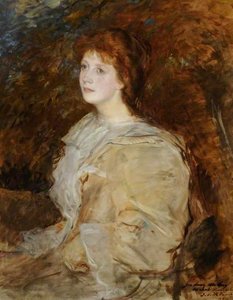
設置イメージを確認
 送る
送る シェア
シェア
 詳細情報
詳細情報 ガイドを表示

 画像をダウンロード
 似ている作品
 X線調査
X線調査 スライドショー
 統計情報
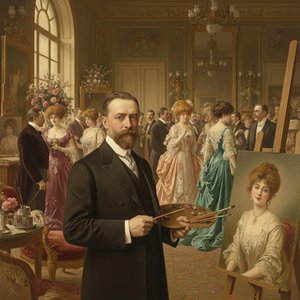
統計情報L Hôte
 Acrylic On Canvas
- WallArt
- Cubism
 1892
1892 220.0 x 290.0 cm
 ルーアン美術館
 続きを読む
続きを読む
手描き油彩複製画
当社のアーティストが、お客様のご希望のサイズと額縁に合わせて、キャンバスに手描きで制作する油彩画です。 ( プリント版に切り替え デジタル画像販売へ切り替え)




P118B ¥10

P118H ¥10

P118W ¥10

P438Z ¥10

P508JH ¥12

P508YH ¥12

P805H ¥10

P805Z ¥10

P919BZ ¥10

P919G ¥10

P919XJ ¥10

P959ZH ¥10

P968JZ ¥12

W106C ¥8

W218G ¥10

W218JH ¥8

W218Y ¥10

W307PJ ¥10

W316G ¥10

W316PJ ¥8

W316Y ¥10

W398PJ ¥8

W4111J ¥10

W500HY ¥15

W500JH ¥15

W692G ¥12

W849H ¥8

W940BG ¥15

W953PJ ¥8




作品のオリジナル比率に合わせた、当店の規定サイズからお選びください。

フレームや壁のスペースに合わせて、ご希望の幅と高さを入力してください。本作品は手描きのため、異なる比率のサイズをご希望の場合、絵画の周囲を少し広げて描くか、あるいは端を少しカットして調整することが可能です。お客様のご要望に合わせます。制作を開始する前に、仕上がりを確認するためのデジタルモックアップをお送りいたします。このページに表示されている画像は完成品の実物ではなく、あくまでモックアップによるイメージです。
ご注文後、OriginalUniqueArt.com チームより詳細な指示をお送りするとともに、仕上がりイメージ(モックアップ)をご提供いたします。


 ガラスオプションは、110cm未満のサイズでのみご利用いただけます。

L Hôte
再現技法
複製画サイズ一覧
-


合計金額
¥ 47606
L'Hôte by Jacques Emile Blanche – A Portrait of Parisian Elegance
Jacques-Émile Blanche’s “L’Hôte” (The Host) stands as a quintessential emblem of Belle Époque Paris, capturing not merely a likeness but an atmosphere—a palpable sense of refined social interaction and intellectual curiosity. Painted in 1892, this monumental oil on canvas measuring 220 x 290 cm resides at the Musée Des Beaux Arts in Rouen, France, offering viewers a glimpse into a bygone era defined by artistic innovation and aristocratic refinement. Blanche’s distinctive style—characterized by loose brushwork and a muted palette—immediately distinguishes itself from the more polished conventions of his contemporaries. He eschewed meticulous detail in favor of conveying emotion and capturing the subtle nuances of human expression, techniques honed during his formative years alongside luminaries like Édouard Manet and Whistler.A Masterful Blend of Realism and Symbolism
Blanche’s artistic approach transcends mere representation; it delves into symbolism to illuminate deeper themes concerning identity and social dynamics. The composition itself is carefully orchestrated—the central figures seated around a dining table dominate the canvas, their gaze directed outwards, suggesting contemplation and engagement with the world beyond the immediate setting. Notably absent are chairs positioned strategically behind the guests, an element that has been interpreted as representing those excluded from this privileged circle – perhaps individuals deemed unworthy of inclusion or simply those whose presence wasn’t considered essential to the narrative. This deliberate omission underscores Blanche's astute observation of societal hierarchies and his ability to communicate complex ideas through visual cues.Technique and Color Palette: Echoes of Impressionism
The painting’s execution showcases Blanche’s mastery of Impressionist techniques. Thick, visible brushstrokes imbue the canvas with texture and movement, mirroring the fleeting impressions of light and atmosphere that were central to the artistic movement. Blanche employed a restrained color scheme—primarily dominated by warm browns and ochres—creating a cozy and inviting ambiance reminiscent of candlelight illumination. These muted hues contribute to the painting’s emotional resonance, fostering a sense of intimacy and conveying the quiet dignity of the subjects depicted. The artist skillfully blended pigments to achieve subtle gradations of tone, enhancing the illusion of depth and capturing the nuances of light reflecting off surfaces.Historical Context: Parisian Society at Its Zenith
“L’Hôte” was created during Paris's golden age—the Belle Époque (roughly 1871-1914)—a period marked by unprecedented artistic creativity, economic prosperity, and cultural dynamism. Blanche himself was deeply embedded in the intellectual milieu of his time, surrounded by writers, artists, and thinkers who championed progressive ideas and challenged traditional conventions. The painting reflects this spirit of experimentation and celebrates the pursuit of beauty and knowledge—values that were paramount to Parisian society during Belle Époque. It serves as a testament to Blanche’s ability to capture not only the visual appearance of his subjects but also the intellectual and social currents shaping their lives.Emotional Impact: Capturing Inner Life
Ultimately, “L’Hôte” succeeds in conveying profound emotional depth. Blanche's portraits are renowned for capturing the inner life of his subjects—their personalities, aspirations, and vulnerabilities—with remarkable sensitivity. The gaze of the figures is imbued with quiet contemplation, hinting at unspoken thoughts and emotions. This masterful portrayal speaks to the enduring power of art to illuminate human experience and transcends time, inviting viewers to contemplate themes of identity, social status, and the complexities of human relationships. Blanche’s legacy continues to inspire artists today who strive to achieve similar levels of psychological insight and artistic virtuosity.よくあるご質問
ルーアン美術館所蔵の「L Hôte」の複製権について教えてください。
ジャック=エミール・ブランシュ作「L Hôte」の著作権の状態は明確であり、本作はパブリックドメイン(著作権消滅)です。ルーアン美術館に所蔵されているという事実によって、この状態が変わることはありません。
「L Hôte」は、空間にどのようなムードをもたらすでしょうか?
ジャック=エミール・ブランシュ作「L Hôte」はElegantな雰囲気を纏っており、Living Roomに飾るのがおすすめです。作品が周囲の空間にもたらすムード(情緒)をお楽しみください。
ジャック=エミール・ブランシュ作「L Hôte」の彩度や色の強さはどのような感じでしょうか?
「L Hôte」の色は、彩度がMuted、強度がMonochromaticです。
アーティストについて
幼少期と教育
ジャック=エミール・ブランシュは1861年1月1日にフランスのパリで生まれました。彼は名医の家系に育ち、パッシー地区で裕福な家庭や著名な芸術家たちに囲まれて過ごしました。ブランシュの父、エミール・ブランシュは著名な病理学者であり、息子の芸術的関心を奨励しました。幼い頃から、ジャック=エミールはエドゥアール・マネをはじめとする多くの有名な作家や画家と出会い、彼らは後に彼の作品に大きな影響を与えることになります。芸術的キャリア
ブランシュは主に独学でしたが、アンリ・ジェルヴェックスとフェルディナン・ユンベールから指導を受けました。1881年、彼の絵画がサロン・デ・アルティスト・フランセに受理され、彼の成功した芸術的キャリアの始まりとなりました。生涯を通じて、ブランシュは多くの作品をサロンに出品し、様々な名門団体と交流しました。彼の作品は、ルーズな筆致と限定された色彩構成を特徴とし、そのポートレートや風景画には独特の印象派的な感覚が漂っていました。影響とスタイル
ブランシュのスタイルは、彼が深く敬愛していたエドゥアール・マネとジェームズ・マクニール・ホイストラーの影響を受けました。マネやホイストラーと同様に、ブランシュはモデルの本質を捉えようと努め、しばしば大胆で表現力豊かな筆致を用いて彼らの個性を伝達しました。エレガントな女性や男性のポートレート、例えば「マルセル・プルーストの肖像」は、その繊細さと洞察力で知られています。ルーアン美術館にはブランシュの作品が印象的に収蔵されており、伝統と現代性のバランスを巧みに表現する彼の才能を示しています。主な作品と展覧会
ブランシュの代表的な作品には以下のようなものがあります:- 「クレツァー・ソナタ」、これは彼が音楽の本質と感情を捉える能力を示す絵画です。
- 「アンリ・ジェームズの肖像」、このポートレートは、人間の性格の微妙さを捉えるブランシュの技術を際立たせています。
- 「ロンドンの眺め」、一連の絵画で、彼が都市とその人々に抱く愛情を示しています。
遺産
ジャック=エミール・ブランシュは1942年9月30日に亡くなり、エレガントで印象派的な絵画の遺産を残しました。彼の作品は、その繊細さ、表現力、そして細部へのこだわりによって今も称賛されています。画家、作家、批評家として、ブランシュは芸術界に多大な貢献をし、ユニークなスタイルとアプローチで次世代の芸術家にインスピレーションを与えました。ジャック=エミール・ブランシュに関するより詳しい情報はWikipediaをご覧いただくか、OriginalUniqueArt.comで彼の作品を探求してください。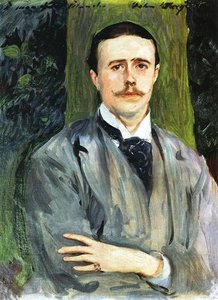
ジャック=エミール・ブランシュ
1861 - 1942 , フランス
アーティスト情報
- Artistic Movement Or Style: 印象派
- Artists Or Movements Influenced By This Artist: ['トーマス・ゲインズボロー']
- Artists Who Influenced This Artist:
- エドゥアール・マネ
- ジェームズ・マクニール・ホイッスラー
- Date Of Birth: 1861年1月1日
- Date Of Death: 1942年9月30日
- Full Name: ジャック=エミール・ブランシュ
- Nationality: フランス人
- Notable Artworks (List Of Titles):
- クレutzerソナタ
- マルセル・プルーストの肖像
- Place Of Birth (City And Country): フランス、パリ
関連記事

Echoes of 1875: Art, Culture & the Belle Époque's Pivotal Moment
Explore the art & culture of 1875 Paris – a pivotal year for Impressionism & the Belle Époque. Discover Degas, Béraud, Stewart & more with OriginalUniqueArt's expert insights.
Echoes of 1882: Art, Culture & the Belle Époque's Lasting Impression
Explore the art & culture of the Belle Époque! Discover Impressionism, Realism, and iconic Parisian paintings from Degas, Béraud & more. High-quality reproductions at OriginalUniqueArt.

Giovanni Boldini: A Study in Belle Époque Portraiture & the Cult of Personality
Explore the captivating world of Giovanni Boldini, master of Belle Époque portraiture. Discover his signature style, iconic works like 'Miss Bell,' and lasting influence on art history. Expert analysis for collectors.
Jean-Georges Béraud: Capturing Parisian Life in the Belle Époque
Explore the captivating world of Jean-Georges Béraud, master painter of Belle Époque Paris. Discover his iconic scenes, artistic evolution, and social commentary. A deep dive into 19th-century French art.
Jacques-Émile Blanche: Capturing Belle Époque Society & the Cult of Personality
Explore the captivating portraits of Jacques-Émile Blanche, a master Impressionist who captured the essence of Belle Époque society in Paris and London. Discover his unique style & lasting legacy.