

 送る
送る シェア
シェア
 詳細情報
詳細情報 ガイドを表示

 画像をダウンロード
 似ている作品
 スライドショー
 統計情報
統計情報Temptation
 Marble
- Sculpture
- Early Renaissance
 1425
1425 99.0 x 92.0 cm
 サン・ペトロニオ大聖堂
 続きを読む
続きを読む
ジークレー/アートプリント
スピーディーな制作と多彩な仕上げオプションが魅力の、ミュージアムクオリティなジークレー・キャンバスプリント。 ( 手描きの複製画を注文する デジタル画像販売へ切り替え)




































作品のオリジナル比率に合わせた、当店の規定サイズからお選びください。

額縁や壁のスペースに合わせて、ご希望の幅と高さを入力してください。プリントはカットすることは可能ですが、元の画像より大きくすることはできないため、異なる比率のサイズを選択された場合は、画像の一部が欠けることになります。印刷を開始する前に、内容を確認していただくためのデジタルモックアップをお送りいたします。このページに表示されている画像は、実際のカット後の状態を示すものではありません。実際の仕上がりはモックアップにてご確認ください。


 ガラスオプションは、110cm未満のサイズでのみご利用いただけます。

Temptation
ジークレー/アートプリント
複製画サイズ一覧
-


合計金額
¥ 12695
The Genesis of Desire: Unveiling “Temptation”
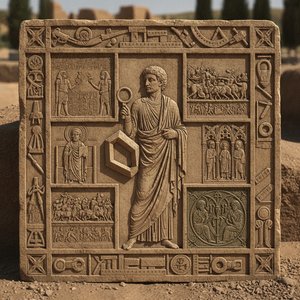
Jacopo della Quercia’s “Temptation,” a captivating marble relief sculpture dating back to 1425, stands as a pivotal work bridging the stylistic shifts between the late Gothic and burgeoning Renaissance periods. More than simply a depiction of a biblical narrative, it's a profound meditation on choice, consequence, and the very essence of human desire – a subject that continues to resonate powerfully today. The sculpture, housed within the Museo del Duomo in Ferrara, Italy, offers a rare glimpse into the mind of an artist grappling with both classical ideals and the evolving sensibilities of his time, making it a cornerstone of early Renaissance art.
- Subject Matter: The scene unfolds from the Book of Genesis, portraying Eve succumbing to the serpent’s temptation and offering the forbidden fruit to Adam.
- Style & Technique: Della Quercia masterfully employs a technique that blends Gothic expressiveness with nascent Renaissance realism. Note the dramatic poses, the meticulous anatomical detail – particularly evident in the musculature of Adam and Eve – and the sophisticated use of light and shadow to create a palpable sense of depth and volume within the relief.
A Dialogue of Forms: Composition and Symbolism
The composition is remarkably balanced, yet charged with emotional intensity. The figures are arranged in a triangular format, drawing the eye from Adam’s contemplative stance on the left to Eve's yielding gesture in the center, culminating in the serpent’s coiled form on the right. Each figure’s posture and expression communicate a distinct narrative layer. Adam’s downward gaze suggests introspection and a struggle with temptation, while Eve’s outstretched hand embodies both allure and regret. The serpent itself is not merely a symbol of evil but a cunning manipulator, its scales rendered with remarkable detail, hinting at the deceptive nature of sin.
Symbolism abounds within the sculpture:- The Fruit: Represents knowledge, both divine and forbidden.
- The Serpent: Embodies temptation and deceit.
- Adam & Eve’s Clothing: Reflects their status as innocent beings, stripped of their garments by the fall.
Renaissance Roots: Context and Influence
“Temptation” is deeply rooted in the artistic landscape of 15th-century Italy. Della Quercia’s work reflects a conscious engagement with both classical antiquity – particularly evident in the idealized forms and the use of pyramidal composition – and the emerging Renaissance emphasis on humanism and naturalism. His training under his father, a skilled woodcarver, instilled a deep appreciation for craftsmanship, while his exposure to Roman sculpture through visits to Pisa informed his understanding of anatomy and perspective. Notably, the influence of Donatello is palpable in Della Quercia’s dramatic use of light and shadow, as well as his ability to convey emotion through gesture.
Further Research:- Jacopo della Quercia - Wikipedia
- Left reliefs on the portal: 3. Original Sin by QUERCIA, Jacopo della – The Web Gallery of Art
- Jacopo della Quercia - Bluffton University
A Timeless Reflection: Emotional Impact and Artistic Legacy
“Temptation” transcends its biblical subject matter to offer a timeless meditation on the human condition. The sculpture’s enduring power lies in its ability to evoke a complex range of emotions – from curiosity and desire to regret and remorse. It serves as a potent reminder of our capacity for both good and evil, and the profound consequences that can arise from even the smallest choices. Today, “Temptation” remains a celebrated masterpiece, exemplifying Della Quercia’s artistic genius and his pivotal role in shaping the course of Renaissance sculpture.
よくあるご質問
「Temptation」にはどのような雰囲気がありますか?
ヤコポ・デッラ・クエルチャ作「Temptation」は、その情緒においてCalmと表現されます。この分類は、作品を空間やシーンに合わせる際の手助けとなります。
「Temptation」をフルスクリーンのスライドショーで鑑賞することはできますか?
ヤコポ・デッラ・クエルチャ作「Temptation」は、作品のスライドショーページにてスライドショーとしてご覧いただけます。
ヤコポ・デッラ・クエルチャ作「Temptation」は、どのような色彩の調和を見せていますか?
「Temptation」の色彩の調和は、Unified Paletteと表現されます。
アーティストについて
ヤコポ・デッラ・クエルチャ:ゴシックの架け橋となり、ルネサンスのヴィジョンを抱く
15世紀イタリアにおける芸術的変遷の代名詞とも言える名前、ヤコポ・デッラ・クエルチャ。彼は、ゴシック時代の残照と、芽吹き始めたイタリア・ルネサンスの輝きを繋ぐ極めて重要な人物です。1374年頃にモンテローニ・ディ・レッチで生まれ、1438年にボローニャで悲劇的な最期を遂げるまで、その生涯は数々の依頼、ライバルとの競い合い、そして古典古代への深い傾倒と時代とともに進化する感性との対話によって織りなされたタペストリーのようでした。彼は単なる彫刻家ではありませんでした。様式の設計者であり、伝統を翻訳する者であり、そして最終的にはルネエサンスを定義することになる革命的な芸術的転換の先駆者だったのです。
熟練した木彫師であり金細工師でもあった父ピエロ・ダンジェロのもとで丹念に磨かれた初期の修行は、彼の才能が開花するための揺るぎない土台となりました。この形成期は、彼に技術的な習熟だけでなく、職人技への敬意と伝統的な技法が持つ不朽の力を教え込みました。しかし決定的なのは、若きヤコポの芸術的旅路が、シエナ大聖堂の説教壇を飾るニコラ・ピザーノやアルノルフォ・ディ・カンビオによる記念碑的な作品との出会いによって、深く形作られたことです。これらの邂逅は、物語性のある彫刻、ダイナミックな構図、そして人体が持つ表現の可能性への情熱に火を灯しました。これらは後に、彼の独特な様式の代名詞となる要素です。
初期の歩み:ルッカと革新の種
ヤコポのキャリアが真に花開いたのは、芸術的な影響が交差する戦略的な拠点であったルッカの街でした。1386年、政治的不安を理由に父とともにルッカへ移住したことは、彼の芸術的発展における重要な触媒となりました。ここで彼は、聖体祭壇のための痛切な「悲しみの人々」や、墓碑に刻まれた聖アニエロの浮彫など、有望な彫刻家としての地位を確立し始めます。これらの初期作品には、すでに石に感情的な深みを与えるという、後のキャリアでまする顕著となる才能の片鱗が見て取れました。
1401年、決定的な瞬間が訪れます。ヤコポはフィレンツェ洗礼堂のブロンズ扉のデザインを巡る権威あるコンペティションに参加しました。最終的に勝利を収めたのはギベルティでしたが、この経験は彼をフィレンツェ芸術の最高水準に触れさせ、その野心を燃え上がらせました。当時のデザイン自体の行方は今も謎に包まれており、それが彼のすでに魅力的な物語にさらなる神秘性を添えています。
フェラーラと古典古代の影響
1403年、ヤコポの旅は東のフェラーラへと続きました。そこで彼は、大聖堂のために大理石による「聖母子像」を制作する依頼を受けます。この作品は、より高度な自然主義と古典的な影響への重要な転換点となりました。これは、古代ローマの芸術的遺産に対する彼の関心の高まりを反映したものです。また、この時期には現在ドゥオーモ博物館に収蔵されている聖モーリスの小像も制作されており、ゴシック的な感性と、立ち現れつつあったルネエサンスの理想を見事に融合させる手腕を示しています。
フェラーラの街は、彼にローマ彫刻や石棺の類まれなコレクションに触れる機会を与え、古典古代の優雅さ、比率、そして物語的な力への深い賞賛を呼び起こしました。これらの出会いは彼の芸術的ヴィジョンを根本から形作り、継承してきたゴシック様式を、古典的な衣襞(ドレーパリー)や解剖学、構図の要素を取り入れることで、繊細かつ決定的に変容させていったのです。
フォンテ・ガイア:市民の誇りと芸術的革新の傑作
おそらくヤコポ・デッラ・クエルチャの最も不朽の遺産は、間違いなく「フォンテ・ガイア(ガイアの泉)」でしょう。これは1406年、ルッカの統治者パオロ・グイニージによって依頼された記念碑的な噴水です。この野心的なプロジェクトは、単なる重要な公共事業であっただけでなく、大胆な芸術的宣言でもありました。かつて広場を飾り、疫病の発生の原因とされていた異教的なヴィーナスの像を、意図的に拒絶したものだったのです。噴水そのものは工学と芸術の驚異であり、輝く白大理石で造られ、数多くの彫像と吐水口が配置され、水と光が織りなす鮮やかなスペクタクルを生み出しています。
フォンテ・ガイアは、ゴシックの優雅さ、古典的な比率、そしてルネサンスの勃興する精神という、多様な影響を統合するヤコポの能力の証です。噴水の基部を飾る裸体のプット(幼子)の配置は、伝統的な彫刻の慣習からの大胆な逸脱であり、人間主義的な感性を保持しつつも、古典的な理想を受け入れたことを明確に示しています。しかし、このプロジェクトは長期にわたる事業であり、複数の依頼を同時に管理するという困難を反映した、十数年にも及ぶ道のりでした。
後期の作品と変遷のレガシー
キャリアの後半においても、ヤコポ・デッラ・クエルチャはルッカのサン・フレディアーノにあるトレンタ礼拝堂や、ロレンツォ・トレンタとその妻のための墓碑など、多岐にわたるプロジェクトに取り組み続けました。ライバルであるギベルティと共にシエナ洗礼堂のためにブロンズパネルを備えた六角形の水盤のデザインに携わりましたが、他のプロジェクトとの兼ね合いから、完成したのは「ザカリアへの告知」という浮彫一つのみでした。このエピソードは、彼がブロンズの扱いに慎重であったこと、そしてより制御しやすい大理石という媒体を好んでいたことを物語っています。
1438年、ヤコポ・デッラ・クエルチャの生涯は悲劇的に断たれましたが、彼の芸術的遺産はゴシックとルネサンスの世界を繋ぐ架け橋として今も生き続けています。彼は単なる熟練した職人ではありませんでした。彼は革新者であり、先見の明を持つ者であり、イタリア芸術の軌跡を形作った主要な人物だったのです。彼の作品は、後にミケランジェロが推進することになる革命的な発展を予兆しており、初期ルネサンスにおける最も重要な彫刻家の一人としての地位を不動のものにしています。

ヤコポ・デッラ・クエルチャ
1374 - 1438 , イタリア
アーティスト情報
- Artistic Movement Or Style: 初期ルネサンス
- Artists Or Movements Influenced By This Artist:
- ミケランジェロ
- ドナテッロ
- Artists Who Influenced This Artist:
- ニコラ・ピサーノ
- アルノルフォ・ディ・カンビオ
- Date Of Birth: 1374年頃
- Date Of Death: 1438年
- Full Name: ヤコポ・デッラ・クエルチャ
- Nationality: イタリア人
- Notable Artworks:
- イラリア・デル・カレットの墓
- ガイアの泉(シエナ)
- 神殿のザカリア
- Place Of Birth: イタリア、シエナ
関連記事

The Enduring Form: Exploring Themes & Techniques in Sculpture Across Historical Periods
Explore the rich history of sculpture from ancient masterpieces to contemporary innovations. Discover key techniques, influential artists & investment potential for discerning art collectors.

Timeless Elegance: A Complete Guide to the Sublime Beauty and Artistry of Marble Sculpture
Discover the sublime beauty of marble art through an expert exploration of Renaissance and Neoclassical masterpieces. From the delicate textures of Carpeaux to the grandeur of Sansovino, immerse yourself in a guide to timeless elegance and sculptural perfection.

Bronze Sculptures That Defined Art History | OriginalUniqueArt
Journey through art history with our Top 10 bronze sculptures! Explore masterpieces by Rodin, Michelangelo & more. Discover stories behind iconic statues and find museum-quality reproductions for your home decor at OriginalUniqueArt.com.
Mastering Dimension: An Art Historian's Guide to the Elegance of Sculptural Relief Art
Explore the profound beauty of sculptural relief art. From classical bas-relief to modern geometric textures, discover how depth and light transform spaces through an expert guide on art history and sophisticated curation for discerning collectors.

The Enduring Allure of Marble in Art History: From Classical Sculpture to Modern Abstraction
Explore the captivating history of marble sculpture from ancient Greece to modern art. Discover renowned artists like Canova & Michelangelo, carving techniques, and investment insights at OriginalUniqueArt.