
 設置イメージを表示
 シェアする
シェアする シェアする
シェアする
 詳細を見る
詳細を見る ガイドを表示

 ダウンロード
 似ている作品
 X線調査
X線調査 スライドショーを表示
 Q&A
Q&A 統計情報
統計情報Supper at Emmaus

- 173.0 x 230.0 cm


 詳細を表示
詳細を表示
ジークレー/アートプリント
スピーディーな制作と多彩な仕上げオプションが魅力の、ミュージアムクオリティなジークレー・キャンバスプリント。 ( 手描き複製画を注文する デジタル画像販売へ切り替え)




P118B ¥10

P118H ¥10

P118W ¥10

P438Z ¥10

P508JH ¥12

P508YH ¥12

P805H ¥10

P805Z ¥10

P919BZ ¥10

P919G ¥10

P919XJ ¥10

P959ZH ¥10

P968JZ ¥12

W106C ¥8

W218G ¥10

W218JH ¥8

W218Y ¥10

W307PJ ¥10

W316G ¥10

W316PJ ¥8

W316Y ¥10

W398PJ ¥8

W4111J ¥10

W500HY ¥15

W500JH ¥15

W692G ¥12

W849H ¥8

W940BG ¥15

W953PJ ¥8




作品のオリジナル比率に合わせた、当店の規定サイズからお選びください。

額縁や壁のスペースに合わせて、ご希望の幅と高さを入力してください。プリントはカットすることは可能ですが、元の画像より大きくすることはできないため、異なる比率のサイズを選択された場合は、画像の一部が欠けることになります。印刷を開始する前に、内容を確認していただくためのデジタルモックアップをお送りいたします。このページに表示されている画像は、実際のカット後の状態を示すものではありません。実際の仕上がりはモックアップにてご確認ください。


 ガラスオプションは、110cm未満のサイズでのみご利用いただけます。

Supper at Emmaus
ジークレー/アートプリント
複製画サイズ一覧
-


合計金額
¥ 12817
A Moment Frozen in Time: Jacopo Carucci’s *Supper at Emmaus*
Jacopo Carucci's *Supper at Emmaus*, painted in 1525, is more than just a depiction of a biblical scene; it’s a profound meditation on faith, betrayal, and the human condition. Executed in the rich, dramatic style characteristic of the late Renaissance – specifically bridging the Mannerist and Baroque movements – this oil-on-canvas masterpiece captures the poignant moment when Christ reveals himself to two disciples during their post-resurrection journey. The painting’s immediate impact lies in its masterful use of light and shadow, a hallmark of the Baroque tradition, creating an atmosphere of intense emotion and spiritual significance. The artist's deliberate manipulation of perspective draws the viewer directly into the intimate tableau, fostering a sense of shared experience with the figures themselves.
A Synthesis of Renaissance and Baroque
Born in Pontormo, Tuscany, around 1494, Jacopo Carucci – known as Pontormo – was a revolutionary figure. He rejected the idealized beauty favored by earlier Renaissance artists like Raphael and Leonardo da Vinci, instead embracing a style characterized by emotional intensity and psychological complexity. This shift towards Mannerism is powerfully evident in *Supper at Emmaus*, where figures are rendered with elongated forms and subtly distorted features, conveying not just physical appearance but also inner turmoil and spiritual awareness. The influence of Michelangelo Buonarroti, who tutored Pontormo early in his career, can be seen in the artist’s meticulous attention to anatomical detail, though it's filtered through a distinctly Mannerist lens. The painting represents a crucial transition – a bridge between the serene harmony of the High Renaissance and the dramatic dynamism that would define the Baroque era.
Technical Brilliance and Symbolic Resonance
The technical execution of *Supper at Emmaus* is breathtaking. Carucci’s meticulous brushwork creates a remarkable sense of texture, particularly in the richly draped fabrics and the subtly modeled faces of the figures. The color palette – dominated by browns, golds, and muted greens – is carefully considered, with touches of red and white adding visual interest and highlighting key elements. Beyond its technical prowess, the painting is laden with symbolism. Notably, an eye within a triangle is positioned above the table, a recurring motif in Pontormo’s work, representing divine omniscience and God's all-seeing gaze. The composition itself – the carefully arranged gestures of the disciples, Christ’s outstretched hand – reinforces the narrative’s central theme: the transformative power of revelation. The use of gold leaf, both within the frame and on some figures’ garments, elevates the work to a position of opulent reverence.
Historical Context and Emotional Impact
*Supper at Emmaus* was created during a period of profound religious and social upheaval in Europe. The Protestant Reformation was gaining momentum, challenging the authority of the Catholic Church, while artistic innovation continued to push boundaries. Pontormo’s work reflects this tension – a deeply spiritual subject rendered with an intensely personal and emotionally charged style. The painting's enduring power lies in its ability to evoke a sense of solemnity, reverence, and perhaps even a touch of foreboding, mirroring the dramatic narrative of betrayal and divine grace. It remains a testament to Jacopo Carucci’s genius and his pivotal role in shaping the course of Western art.
Q&A
「Supper at Emmaus」は、ジャコポ・ポントルモのこれまでの作風を象徴するものと言えるでしょうか?
ジャコポ・ポントルモの代表的なテーマであるmannerist influence, renaissance piety, catholic iconography, divine omniscience, betrayal's shadow, pontormo's emotion, a pivotal moment, exploring faith & doubtにおいて、「Supper at Emmaus」はlast supper, religious art, biblical scene, divine symbolism, italian renaissance, chiaroscuro lighting, baroque paintingに独自の焦点を当てています。
制作時期から見て、"Supper at Emmaus"はジャコポ・ポントルモのキャリアにおけるどの時期にあたりますか?
1525年という制作年代から、「Supper at Emmaus」はジャコポ・ポントルモのMature Periodに属します。
「Supper at Emmaus」のファインアートプリントは販売されていますか?
「Supper at Emmaus」はコットンキャンバス、またはアーカイブ品質のキャンバスペーパーに施されたファインアートプリントとしてご購入いただけます。ご注文はファインアートプリントページにて、お好みのサイズでお選びいただけます。
作家プロフィール
ジャコポ・ポントルモ:ルネサンスとバロックの狭間で
ジャコポ・ポントルモ(本名:ジャコポ・カルッチ、1494年頃 - 1557/8年)は、フィレンツェ・マニエリスム運動を代表する画家の一人として知られています。古典的な理想美を追求する同時代の多くの画家とは異なり、ポントルモは感情の強度と心理的な複雑さを重視し、穏やかな高ルネサンスの壮大さからバロック時代のダイナミズムへと繋がる重要な役割を果たしました。彼の生涯は才能と個人的な悲劇の両方によって彩られ、その作品群は深い哀愁を帯びた芸術的ビジョンへの証となっています。初期の訓練と影響
ポントルモはトスカーナ地方のポンタルメ村に生まれ、ドメニコ・デル・ポライオーロとミケランジェロ・ブオナローティの下で幼少期を過ごしました。解剖学的なリアリズムと彫刻的な形態への熟練は、彼の様式形成に大きな影響を与えました。ルネサンスの遺産を認めつつも、ポントルモはすぐにその厳格な形式主義から距離を置き、北ヨーロッパの芸術的伝統に触発されたより表現力豊かなアプローチへと傾倒していきました。特にアルブレヒト・デューラーの版画を研究し、様式化されたイメージと構成的な革新を通じて感情を伝える技術を取り入れました。この北マニエリスムへの接触は、彼の独特な視覚言語を形作る上で重要な役割を果たしました。マニエリスム様式の確立
ポントルモの芸術的ブレイクスルーは、1515年頃にアレッツォのサンティッシマ・アンヌンツィアータのために制作された「受胎告知」の委嘱によって訪れました。この作品はすぐに彼をマニエリスム美学の擁護者として確立しました。細長い人物像、平坦化された遠近法、鮮やかな色彩で彩られた渦巻くドレープが特徴的なポントルモの様式は、ルネサンスにおける解剖学的正確性と調和のとれた比率への執着を拒否しました。代わりに、彼は絶望、悲しみ、恍惚といった心理状態を伝えることを優先し、歪んだ形態と曖昧な空間関係を通じて表現しました。この確立された慣習からの意図的な逸脱は、芸術的表現の根本的な再考を示唆し、バロック時代に定義される劇的な革新を予見していました。主要作品と遺産
ポントルモの制作活動は多様なテーマを網羅しており、宗教画、肖像画、神話的な構成など、それぞれに彼の特徴的なマニエリスム的感性が込められています。「ヨセフの衣がエジプト人に売られる」や「キリスト降架」、「聖フランチェスコの聖痕受難」は、彼が色彩、光、テクスチャを巧みに操り、深い感情的な共鳴を引き出す能力を示す傑作として知られています。特にフィレンツェ・メディチ家のメンバーを描いた肖像画は、心理的ニュアンスへの鋭い理解とマニエリスム様式との微妙な関わりを示しています。ポントルモの影響力は彼の芸術的業績に留まらず、若き画家たち—例えばアンジェロ・ブロンズィーノ—を指導し、その革新的なビジョンを次世代のフィレンツェの画家たちへと受け継がせました。彼の遺産は、個々の傑作だけでなく、芸術的実験の触媒者としての役割と様式変革の前兆者としての貢献にあります。さらなる探求
ポントルモの作品は現在も研究者や愛好家を魅了し続けており、マニエリスム美学の本質とそのより広範な文化的傾向との関係について議論が続いています。世界中の美術館では彼の絵画のレプリカが展示されており—例えばフィレンツェのウフィツィ美術館に所蔵されている作品—来館者は彼の芸術的ビジョンの変革力を直接体験することができます。ポントルモの生涯と作品をより深く理解するためには、OriginalUniqueArt.com/jacopo carucciやWikipedia: Jacopoなどのリソースを参照することをお勧めします。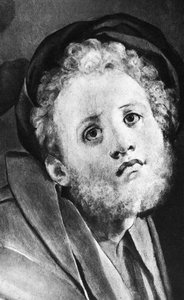
ジャコポ・ポントルモ
1494 - 1557 , イタリア
プロフィール概要
- Artistic Movement Or Style: マニエリスム様式
- Artists Or Movements Influenced By This Artist:
- ミケランジェロ
- ロッソ・フィオレンティーノ
- Artists Who Influenced This Artist:
- レオナルド・ダ・ヴィンチ
- アンドレア・デル・サルト
- Date Of Birth: 1494年
- Date Of Death: 1557年
- Full Name: ジャコポ・ポントルモ
- Nationality: イタリア人
- Notable Artworks (List Of Titles):
- 受胎告知
- 聖家族
- ヨセフの衣
- Place Of Birth (City And Country): ポントルモ、イタリア
関連記事

The Dramatic Flourish: Exploring the Baroque Movement's Enduring Legacy in Art History
Explore the dramatic world of Baroque art! Discover iconic artists like Caravaggio & Rubens, defining techniques, and its lasting impact on art history. Expert insights for collectors & enthusiasts at OriginalUniqueArt.

The Enduring Legacy of Oil on Canvas: Technique, History & Aesthetic Impact
Explore the rich history & techniques of oil painting – from Renaissance masters to Impressionism. Discover pigments, layering methods, and why this timeless medium endures. Expert insights for artists & art enthusiasts.

ジャコポ・ティンコレット:至高の25選 – ヴェネツィア巨匠のドラマと光の世界 | OriginalUniqueArt
ジャコポ・ティンコレットの至高の25選。ドラマと光の世界を彩るヴェネツィア派巨匠の名画を紐解きます。ルネサンス絵画からバロック絵画まで、OriginalUniqueArtで高品質な複製画やインテリアアートを見つけましょう。傑作コレクションをオンラインで探求してください。

バロックのドラマ:現代のインテリアに壮麗さと情感を取り込む
バロック様式の歴史、絵画、家具の魅力をご紹介。OriginalUniqueArtでは、高品質な油絵複製やカスタムポートレートをご提供し、現代のインテリアに壮麗さと情感を取り入れます。アートコンサルテーションも承ります。

The Enduring Power of Painting: A Historical & Contemporary Exploration of Form and Emotion
Explore the rich history & enduring techniques of oil painting with OriginalUniqueArt. Discover masterpieces, learn about art collecting, and find authentic handmade reproductions crafted by skilled artists.

