

 プレビュー
プレビュー
 シェアする
シェアする シェアする
シェアする
 詳細を見る
詳細を見る

 ダウンロード
 似ている作品
 X線調査
X線調査 スライドショー
Madonna and Child
 Oil On Panel
- Renaissance
 1450
1450 111.0 x 62.0 cm
 ウフィツィ美術館
 詳細を見る
詳細を見る
ジークレー/アートプリント
迅速な制作と多彩な仕上げオプションを備えた、ミュージアムクオリティのジークレーまたはキャンバスプリント。 ( 手描きの絵画を購入 画像を購入)




P118B $10

P118H $10

P118W $10

P438Z $10

P508JH $12

P508YH $12

P805H $10

P805Z $10

P919BZ $10

P919G $10

P919XJ $10

P959ZH $10

P968JZ $12

W106C $8

W218G $10

W218JH $8

W218Y $10

W307PJ $10

W316G $10

W316PJ $8

W316Y $10

W398PJ $8

W4111J $10

W500HY $15

W500JH $15

W692G $12

W849H $8

W940BG $15

W953PJ $8




作品のオリジナル比率に合わせた、当店の規定サイズからお選びください。

特定のフレームやスペースに合わせて、ご自身でサイズを指定することも可能です。選択されたサイズが元の画像の比率と一致しない場合、作品をトリミングするか、鏡面反射または単色での塗りつぶしによって画像を拡張いたします。制作を開始する前に、ご確認用のデジタルモックアップをお送りいたします。
画面上のプレビューには、実際のトリミングや拡張は反映されませんのでご注意ください。最終的な構図を正確に確認できるのは、モックアップのみとなります。
カスタムサイズも承っておりますが、元の比率を維持するためには、あらかじめ用意されたリストからサイズを選択することをお勧めいたします。


 ガラスオプションは、110cm未満のサイズでのみご利用いただけます。

Madonna and Child
ジークレー/アートプリント
複製画のサイズ
-


合計金額
$ 80
Madonna and Child - A Renaissance Masterpiece
Jacopo Bellini’s *Madonna and Child*, painted around 1450, stands as an emblem of Venetian Renaissance artistic achievement—a testament to meticulous observation and masterful execution that continues to captivate viewers centuries later. More than just a depiction of the Virgin Mary cradling Jesus, it embodies the burgeoning humanist spirit of its time, reflecting a profound engagement with classical ideals while simultaneously forging new paths in artistic expression. Its survival as one of Bellini’s few extant paintings is remarkable, offering invaluable insight into his creative process and cementing his position as a pivotal figure in shaping Venetian art history.Historical Context & Artistic Influences
The painting emerged during a period of significant cultural transformation in Venice—a city experiencing rapid economic growth fueled by trade with the East and increasingly receptive to intellectual currents originating from Florence. Bellini’s artistic sensibilities were profoundly shaped by these developments, particularly by the influence of Masolino da Panicale, who had resided in Lucca during Bellini's formative years. Masolino’s pioneering use of linear perspective—a technique previously largely absent from Venetian painting—served as a catalyst for Bellini’s own experimentation with spatial representation. This embrace of perspective wasn’t merely a stylistic innovation; it represented a fundamental shift toward portraying the world in greater accuracy and realism, mirroring the broader humanist preoccupation with understanding nature through mathematical principles. Furthermore, Bellini absorbed elements of Flemish art, evident in the luminous color palette and atmospheric haze characteristic of his style—a stylistic convergence that exemplifies the dynamism of Venetian artistic culture during this era.Style & Technique – The Venetian Renaissance Touch
Bellini’s *Madonna and Child* exemplifies the Venetian Renaissance aesthetic with its serene composition and subtle emotional depth. Unlike earlier Gothic depictions, which often prioritized symbolic grandeur over psychological realism, Bellini achieved a remarkable balance between formal elegance and expressive nuance. He skillfully employed tempera on panel—a technique favored by Venetian artists—resulting in a surface finish that is remarkably smooth and luminous. The artist’s meticulous attention to detail—particularly in rendering the drapery of Mary’s robes—demonstrates an unparalleled mastery of brushwork, creating folds and contours that imbue the painting with palpable texture and dimensionality. Bellini's use of color is equally noteworthy; he eschewed the harsh hues of earlier styles, opting instead for muted browns, reds, and golds that convey a sense of solemn reverence and spiritual contemplation. The pyramidal composition—a compositional device borrowed from classical sculpture—further reinforces the painting’s stability and grandeur, directing the viewer's gaze toward the central figures with unwavering focus.Symbolism & Emotional Impact
Beyond its formal achievements, *Madonna and Child* resonates deeply with viewers on an emotional level—expressing a profound reverence for motherhood and divine grace. The halo surrounding Jesus’ head symbolizes his divinity, while Mary’s serene expression embodies her role as protector of faith and compassion. The inclusion of the fruit held by Christ represents his status as the New Adam—the embodiment of humanity redeemed from original sin—underscoring the painting's theological significance. Bellini’s masterful depiction of gesture—particularly Mary’s blessing—captures a moment of profound tenderness and spiritual communion, inviting contemplation on themes of faith, love, and humility. The overall atmosphere is one of tranquility and ethereal beauty—a testament to Bellini’s ability to convey complex emotions through subtle visual cues.Conclusion
Jacopo Bellini's *Madonna and Child* remains an enduring masterpiece—a cornerstone of Venetian Renaissance art that continues to inspire admiration for its technical brilliance and expressive power. Its legacy extends far beyond the confines of the Uffizi Gallery, where it resides today; it serves as a poignant reminder of the transformative potential of artistic innovation and the capacity of art to communicate profound spiritual truths across centuries.アーティストの略歴
ルネサンス遠近法の先駆者、ヴェネツィアの開拓者
ヤコポ・ベッリーニは、ヴェネツィアおよび北イタリアで花開いたルネサンス絵画様式において、極めて重要な役割を果たした人物です。彼は単なる画家ではありませんでした。自然への細やかな観察眼と、それまでのヴェネツィア美術にはほとんど見られなかった「線遠近法」を見事に融合させた、真の革新者だったのです。今日、ベッリーニの手によるオリジナルのキャンバスは数少ないものしか残っていませんが、彼の真の遺産は、主にスケッチブックの中に息づいています。大英博物館やルーヴル美術館に収蔵されているこれらの素描には、広大な風景への深い情熱と、緻密な建築デザインへの執着が刻まれており、彼の芸術的プロセスを紐解く貴重な手がかりとなると同時に、後の時代を象徴する様式美の先駆けを提示しています。
1396年頃にヴェネツィアで生まれたヤコポの形成期は、当時の芸術的伝統に深く浸されたものでした。研究によれば、彼はジェンティーレ・ダ・ファブリアーノの弟子であったと考えられています。ジェンティーレは、前数十年にわたってヴェネツィアにその名を轟かせた名高い画家であり、彼の工房は「ヘントの祭壇画」に代表される、当時最も野心的なフレスコ画を数多く生み出していました。この師弟関係は、ベッリーニの中に細部への深い慈しみ、色彩の調和、そして装飾的な複雑さを愛でる心を間違いなく植え付けました。初期のキャリアの正確な年表については未だ謎が多い部分もありますが、学術的な調査によれば、1411年から1412年にかけてフォリニョにおいて、ジェンティーレ・ダ・ファブリアーノと共にパラッツォ・トリンチを飾る壮大なフレスコ画制作に従事していたことが示唆されています。
ルネサンスの核心を巡る旅
ベッリーニの芸術的な旅路における決定的な転換点は、1423年頃のフィレンツェ訪問でした。この時期は、ブルネレスキ、ドナテッロ、マサッチオといった巨匠たちが、革命的な線遠近法の応用を試み、ヒューマニズムの理想を探求していた、芸術的実験が最も激しかった時代と重なります。フィレンツェにおいて、彼は胎動しつつあった「線遠近法」という科学に出会いました。この発見は、彼の空間と奥行きに対するアプローチを根本から変えることになります。ヴェネツィアのルーツが持つ叙情的で装飾的な優雅さと、フィレンツェの革新者たちがもたらした構造的な厳格さや空間的な明晰さを融合させることで、ベッリーニは独自の視覚言語を築き上げ始めました。この統合によって、彼は中世の平面的で象徴的な平面表現を超え、まるで窓から世界を覗き込むような、より没入感のある描写へと到達したのです。
キャリアが進むにつれ、ベッリーニは、その後何世代にもわたってヴェネツィア美術を支配することとなる芸術家一族の礎を築く中心的人物となりました。彼の功績は単なる個人の才能に留まらず、その革新的な手法を息子であるジェンティーレやジョヴァンニへと継承した、教育的な側面においても極めて重要でした。光、風景、そして遠近法に対する彼の実験の種は、彼らを通じて「ベッリーニ」の名と共に語り継がれる盛期ルネサンスの輝きへと開花していったのです。彼の作品は、過去の装飾的伝統と未来のヒューマニズム的な写実主義を繋ぐ架け橋となり、イタリア美術の進化における欠かすことのできない絆となりました。
遺産と歴史的意義
ヤコポ・ベッリーニの歴史的な重要性は、彼が「変化の触媒」としての役割を果たした点にあります。彼の作品の多くは、インクとペンという親密な媒体の中に留まっていますが、それらの素描はヴェネツィア・ルネサンスの設計図そのものなのです。複雑で重層的な風景や、数学的に整合性の取れた建築物を描き出す彼の能力は、後継者たちがヴェネツィアの潟(ラグーン)の情緒豊かな美しさを探求するための土台を提供しました。ベッリーニを辿ることは、芸術家の眼が奥行きの錯覚を真に掌握し始めたその瞬間を目撃することであり、それは人類が描かれた世界を認識する方法を永遠に変えた出来事でもあったのです。
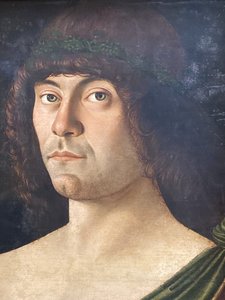
ヤコポ・ベッリーニ
1396 - 1470 , イタリア
基本情報
- Artistic Movement Or Style: ルネサンス
- Artists Or Movements Influenced By This Artist: ['マサッチオ']
- Artists Who Influenced This Artist: ['ジェンティーレ・ダ・ファブリアーノ']
- Date Of Birth: イタリア、ヴェネツィア (1396年)
- Date Of Death: 1470年頃
- Full Name: ヤコポ・ベッリーニ
- Nationality: イタリア人
- Notable Artworks:
- ヴェローナ大聖堂の磔刑図
- 聖母子
- Place Of Birth: ヴェネツィア
関連記事
ジャコポ・ティンコレット:至高の25選 – ヴェネツィア巨匠のドラマと光の世界 | OriginalUniqueArt
ジャコポ・ティンコレットの至高の25選。ドラマと光の世界を彩るヴェネツィア派巨匠の名画を紐解きます。ルネサンス絵画からバロック絵画まで、OriginalUniqueArtで高品質な複製画やインテリアアートを見つけましょう。傑作コレクションをオンラインで探求してください。

The Enduring Legacy of Oil on Canvas: Technique, History & Aesthetic Impact
Explore the rich history & techniques of oil painting – from Renaissance masters to Impressionism. Discover pigments, layering methods, and why this timeless medium endures. Expert insights for artists & art enthusiasts.
ラファエロ傑作25選:ルネサンス巨匠の物語と芸術の世界 | OriginalUniqueArt
ラファエロの傑作25選🎨 ルネサンス巨匠の物語と芸術の世界を紐解きます。美しい絵画複製や壁掛けアートで、お部屋に名画の彩りを。OriginalUniqueArt.comで、美術史に残る作品群をご覧ください✨

Oil on Canvas: A Historical & Technical Exploration of a Timeless Artistic Medium
Explore the rich history & enduring techniques of oil painting on canvas. Discover the science behind its longevity, conservation practices, and contemporary relevance. Expert insights for art enthusiasts.

The Enduring Power of Painting: A Historical & Contemporary Exploration of Form and Emotion
Explore the rich history & enduring techniques of oil painting with OriginalUniqueArt. Discover masterpieces, learn about art collecting, and find authentic handmade reproductions crafted by skilled artists.

