

 プレビュー
プレビュー
 プリントを購入
 シェアする
シェアする シェアする
シェアする
 詳細を見る
詳細を見る

 ダウンロード
 似ている作品
 X線調査
X線調査 スライドショー
Flagellation
 Acrylic On Canvas
- WallArt
- Early Renaissance Italian
 1450
1450 426.0 x 286.0 cm
 ルーブル美術館
 詳細を見る
詳細を見る




P118B $10

P118H $10

P118W $10

P438Z $10

P508JH $12

P508YH $12

P805H $10

P805Z $10

P919BZ $10

P919G $10

P919XJ $10

P959ZH $10

P968JZ $12

W106C $8

W218G $10

W218JH $8

W218Y $10

W307PJ $10

W316G $10

W316PJ $8

W316Y $10

W398PJ $8

W4111J $10

W500HY $15

W500JH $15

W692G $12

W849H $8

W940BG $15

W953PJ $8




作品のオリジナル比率に合わせた、当店の規定サイズからお選びください。

特定のフレームやスペースに合わせて、ご希望のサイズをご入力いただけます。選択されたサイズが元の画像の比率と異なる場合、アートワークをトリミングするか、手描きで要素を追加して絵画を拡張いたします。デジタルモックアップ を制作し、制作開始前にご確認(承認)をいただきます。
画面上のプレビューは、実際のトリミングや拡張を正確に反映しているものではありません。最終的な構図は、モックアップによってのみ正確にご確認いただけます。
カスタムサイズもご利用いただけますが、元の比率を維持するためには、あらかじめ用意されたリストからサイズを選択することをお勧めいたします。
ご注文後、OriginalUniqueArt.com チームより詳細な指示をお送りするとともに、仕上がりイメージ(モックアップ)をご提供いたします。


 ガラスオプションは、110cm未満のサイズでのみご利用いただけます。

Flagellation
複製技法
複製画のサイズ
-


合計金額
$ 650
作品解説
A Study in Divine Order: Jacopo Bellini’s Flagellation
Jacopo Bellini's "Flagellation," painted circa 1450, isn’t merely a depiction of a biblical scene; it’s a profound meditation on human suffering, civic duty, and the nascent principles of Renaissance perspective. This remarkable drawing, now residing within the British Museum’s collection, offers a tantalizing glimpse into the mind of one of Venice's most influential artists – a man who was quietly revolutionizing how images were conceived and rendered in his time. Far removed from the grand, opulent frescoes that dominated Venetian art, Bellini’s preparatory sketch possesses an intimate quality, inviting us to witness the genesis of a masterpiece and contemplate the artist’s meticulous process.
The scene itself is both dramatic and restrained. A vast architectural complex dominates the composition – a towering structure of arches, balconies, and intricate detailing that speaks to the power and order of the Venetian Republic. Within this meticulously constructed space, figures are engaged in a brutal act: the scourging of Christ. The arrangement isn’t chaotic; rather, it adheres to a strict geometric logic, reflecting Bellini's deep understanding and application of linear perspective. The receding lines of the building create an illusion of depth, drawing the viewer into the scene while simultaneously emphasizing the figures’ vulnerability within this imposing framework. This careful orchestration of space is a hallmark of Renaissance art, signaling a shift away from the flattened perspectives of earlier periods.
Early Renaissance Innovation and Venetian Sensibility
Bellini's work stands as a crucial bridge between the Gothic traditions of his predecessors and the groundbreaking innovations of the High Renaissance. He inherited the rich color palettes and decorative tendencies of Venetian painting, but he also embraced the emerging principles of linear perspective championed by artists like Brunelleschi and Masaccio. Unlike many of his contemporaries who focused on grand narratives or religious iconography, Bellini’s preparatory sketches reveal a fascination with architectural studies – a testament to his belief that understanding form and structure was essential for creating compelling images. The drawing's focus isn’t on the emotional impact of Christ’s suffering, but rather on the precise rendering of the building itself, suggesting an underlying concern with civic order and the representation of power.
The monochrome palette – a carefully calibrated range of grays – contributes significantly to the artwork’s solemn mood. Bellini masterfully employs hatching and cross-hatching techniques to create subtle variations in tone and texture, lending a remarkable sense of volume and depth to the architectural elements. The delicate lines delineate every archway, column, and window frame with painstaking detail, demonstrating Bellini's exceptional draftsmanship. This meticulous approach reflects not only his artistic skill but also his deep respect for the subject matter – a reverence that is palpable in every stroke of the pen.
Symbolism and Historical Context
While the immediate narrative of "Flagellation" is rooted in the Passion of Christ, it’s important to consider the broader historical context within which Bellini was working. Venice during the mid-15th century was a thriving center of commerce, art, and political intrigue. The city's wealth and power were reflected in its magnificent architecture, and its citizens took great pride in their civic identity. Bellini’s drawing can be interpreted as an allegory for this civic ethos – a visual representation of the Republic’s strength, order, and commitment to justice. The act of scourging, though undeniably painful, is presented within a framework of architectural grandeur, suggesting that suffering is an inevitable part of the human experience but one that must be endured with dignity and fortitude.
Furthermore, the drawing's scale – measuring 426 x 286 cm – suggests its intended role as a preparatory study for a larger work, possibly a monumental fresco or tapestry. The level of detail evident in this sketch indicates Bellini’s meticulous planning and his commitment to achieving a truly immersive visual experience. It is a testament to the artist's vision that he could translate such complex ideas into a single drawing, demonstrating both technical mastery and artistic insight.
A Legacy of Precision and Vision
Jacopo Bellini’s “Flagellation” stands as a pivotal work in the development of Renaissance art. It exemplifies his innovative approach to perspective, his meticulous draftsmanship, and his deep understanding of Venetian culture. More than just a depiction of a biblical scene, it is a profound meditation on human suffering, civic duty, and the enduring power of artistic vision. Reproductions of this drawing offer a unique opportunity to appreciate Bellini’s genius and to connect with one of the most influential artists of the Renaissance.
アーティストの略歴
ルネサンス遠近法の先駆者、ヴェネツィアの開拓者
ヤコポ・ベッリーニは、ヴェネツィアおよび北イタリアで花開いたルネサンス絵画様式において、極めて重要な役割を果たした人物です。彼は単なる画家ではありませんでした。自然への細やかな観察眼と、それまでのヴェネツィア美術にはほとんど見られなかった「線遠近法」を見事に融合させた、真の革新者だったのです。今日、ベッリーニの手によるオリジナルのキャンバスは数少ないものしか残っていませんが、彼の真の遺産は、主にスケッチブックの中に息づいています。大英博物館やルーヴル美術館に収蔵されているこれらの素描には、広大な風景への深い情熱と、緻密な建築デザインへの執着が刻まれており、彼の芸術的プロセスを紐解く貴重な手がかりとなると同時に、後の時代を象徴する様式美の先駆けを提示しています。
1396年頃にヴェネツィアで生まれたヤコポの形成期は、当時の芸術的伝統に深く浸されたものでした。研究によれば、彼はジェンティーレ・ダ・ファブリアーノの弟子であったと考えられています。ジェンティーレは、前数十年にわたってヴェネツィアにその名を轟かせた名高い画家であり、彼の工房は「ヘントの祭壇画」に代表される、当時最も野心的なフレスコ画を数多く生み出していました。この師弟関係は、ベッリーニの中に細部への深い慈しみ、色彩の調和、そして装飾的な複雑さを愛でる心を間違いなく植え付けました。初期のキャリアの正確な年表については未だ謎が多い部分もありますが、学術的な調査によれば、1411年から1412年にかけてフォリニョにおいて、ジェンティーレ・ダ・ファブリアーノと共にパラッツォ・トリンチを飾る壮大なフレスコ画制作に従事していたことが示唆されています。
ルネサンスの核心を巡る旅
ベッリーニの芸術的な旅路における決定的な転換点は、1423年頃のフィレンツェ訪問でした。この時期は、ブルネレスキ、ドナテッロ、マサッチオといった巨匠たちが、革命的な線遠近法の応用を試み、ヒューマニズムの理想を探求していた、芸術的実験が最も激しかった時代と重なります。フィレンツェにおいて、彼は胎動しつつあった「線遠近法」という科学に出会いました。この発見は、彼の空間と奥行きに対するアプローチを根本から変えることになります。ヴェネツィアのルーツが持つ叙情的で装飾的な優雅さと、フィレンツェの革新者たちがもたらした構造的な厳格さや空間的な明晰さを融合させることで、ベッリーニは独自の視覚言語を築き上げ始めました。この統合によって、彼は中世の平面的で象徴的な平面表現を超え、まるで窓から世界を覗き込むような、より没入感のある描写へと到達したのです。
キャリアが進むにつれ、ベッリーニは、その後何世代にもわたってヴェネツィア美術を支配することとなる芸術家一族の礎を築く中心的人物となりました。彼の功績は単なる個人の才能に留まらず、その革新的な手法を息子であるジェンティーレやジョヴァンニへと継承した、教育的な側面においても極めて重要でした。光、風景、そして遠近法に対する彼の実験の種は、彼らを通じて「ベッリーニ」の名と共に語り継がれる盛期ルネサンスの輝きへと開花していったのです。彼の作品は、過去の装飾的伝統と未来のヒューマニズム的な写実主義を繋ぐ架け橋となり、イタリア美術の進化における欠かすことのできない絆となりました。
遺産と歴史的意義
ヤコポ・ベッリーニの歴史的な重要性は、彼が「変化の触媒」としての役割を果たした点にあります。彼の作品の多くは、インクとペンという親密な媒体の中に留まっていますが、それらの素描はヴェネツィア・ルネサンスの設計図そのものなのです。複雑で重層的な風景や、数学的に整合性の取れた建築物を描き出す彼の能力は、後継者たちがヴェネツィアの潟(ラグーン)の情緒豊かな美しさを探求するための土台を提供しました。ベッリーニを辿ることは、芸術家の眼が奥行きの錯覚を真に掌握し始めたその瞬間を目撃することであり、それは人類が描かれた世界を認識する方法を永遠に変えた出来事でもあったのです。
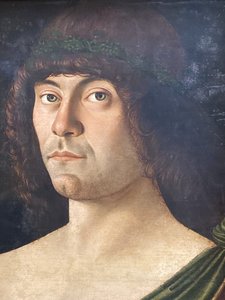
ヤコポ・ベッリーニ
1396 - 1470 , イタリア
基本情報
- Artistic Movement Or Style: ルネサンス
- Artists Or Movements Influenced By This Artist: ['マサッチオ']
- Artists Who Influenced This Artist: ['ジェンティーレ・ダ・ファブリアーノ']
- Date Of Birth: イタリア、ヴェネツィア (1396年)
- Date Of Death: 1470年頃
- Full Name: ヤコポ・ベッリーニ
- Nationality: イタリア人
- Notable Artworks:
- ヴェローナ大聖堂の磔刑図
- 聖母子
- Place Of Birth: ヴェネツィア
関連記事

The Enduring Legacy of Architecture in Art: A Historical Survey of Representation & Meaning
Explore the rich history of architecture in art, from Renaissance theory to 19th-century reconstructions. Discover key artists & movements shaping visual representation – a guide for discerning collectors.
The Enduring Legacy of Architecture in Art: A Historical Survey of Representation & Aesthetic Influence
Explore the rich history of architecture's influence on art! Discover Renaissance perspective techniques, symbolism, & iconic masterpieces. Enhance your understanding with our expert analysis.
Piero della Francesca: Renaissance Perspective, Divine Proportion & the Pursuit of Ideal Form
Explore the revolutionary art of Piero della Francesca – master of perspective, divine proportion & Renaissance humanism. Discover his iconic paintings & lasting influence on art history.

The Flourishing of Humanism: A Comprehensive Exploration of the Italian Renaissance Art Movement
Explore the Italian Renaissance! Discover humanist ideals, iconic masterpieces by Leonardo, Michelangelo & Raphael, and lasting artistic innovations. A comprehensive guide for art enthusiasts.
Acrylic Canvas Masters: 10 Paintings That Redefined Modern Art |
Explore 10 legendary 'Acrylic On Canvas' masterpieces by artists like Rothko, Warhol & Frankenthaler. Discover the stories behind these iconic paintings and their impact on modern art. Find museum-quality reproductions at – elevate your home with timeless beauty.

